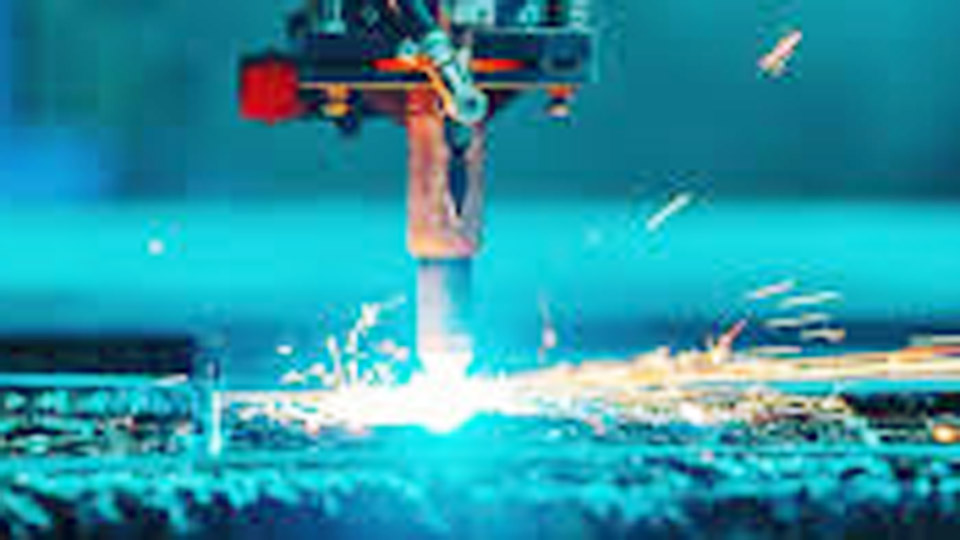
The cut started clean, but then the arc sputtered and left rough edges behind. Everything looked right on the machine, so I checked the air line — and that’s when it clicked. With plasma cutters, the quality of the gas or air you use can make or break the cut.
Most plasma cutters use compressed air, not bottled gas. The air is forced through the torch, where the electric arc turns it into plasma hot enough to slice through metal.
I learned through real shop use that clean, dry air is critical — moisture or oil in the line leads to unstable arcs, messy cuts, and worn consumables.
Some industrial plasma systems can use gases like nitrogen, argon, or oxygen for specialized cutting, but for home and shop machines, compressed air is the standard.
If you want clean cuts and long-lasting tips, I’ll show you how to set up your air supply the right way so your plasma cutter performs at its best.

Image yeswelder
How Plasma Cutters Work: Why Gas Isn’t Optional
Inside that plasma torch, you’ve got an electrode and a nozzle. When you pull the trigger, high-voltage electricity jumps between them, creating a pilot arc. Then the gas comes in—under serious pressure—and gets forced through a tiny orifice.
That gas gets ionized by the arc, turning into plasma at temperatures north of 20,000°F. The plasma melts the metal, and the force of the gas blows the molten material out of the kerf, leaving a cut. No gas? No plasma. No cut.
Every plasma system—whether it’s a 30-amp hobby unit or a 300-amp industrial beast—uses gas. The “air plasma” cutters you see at Harbor Freight or on Amazon? They’re using compressed air as that gas. It’s the same stuff your air tools run on, just filtered and regulated to the torch’s specs.
I learned this the hard way early on. Back in ’08, I bought my first plasma cutter, a cheap 40-amp model, and hooked it straight to my old compressor without a dryer. The cuts looked like a drunk chainsaw had been at it—full of slag and uneven edges.
Turns out, moisture in the air was wrecking the consumables and destabilizing the arc. Lesson learned: gas matters, and so does how you deliver it.
Compressed Air: The Workhorse for 80% of What We Cut
For most of us in the US—DIYers, small fab shops, auto repair guys—compressed air is the default. It’s cheap, always available if you’ve got a decent compressor, and surprisingly capable.
Here’s why it works so well:
- Versatility across materials: Mild steel, stainless, aluminum, even copper and brass in a pinch. Air produces a stable arc and decent cut quality up to about 1 inch thick on most machines.
- Cost: Zero gas bills. You’re just running your shop compressor.
- Simplicity: No bottles to swap, no regulators to fiddle with beyond the one on the cutter.
But “decent” isn’t always enough. In my shop, we cut a lot of 1/4-inch mild steel for brackets and frames. Air does the job at 40-50 amps, with clean edges and minimal cleanup. For thinner stuff like exhaust tubing or sheet metal signs, it’s flawless.
The key is clean, dry air. Plasma cutters are picky. Most manuals call for 4-8 CFM at 60-90 PSI, depending on amperage. But that’s the minimum. I always size my compressors 1.5 to 2 times that—think 10-15 CFM for a 45-60 amp cutter—to avoid pressure drops during long cuts.
Install a refrigerated dryer and a coalescing filter right before the cutter. I run a 60-gallon vertical compressor with a 10-micron particulate filter, a 0.01-micron oil coalescer, and a desiccant dryer on a 1/2-inch line. Cuts stay consistent all day, even in humid Midwest summers.
When Compressed Air Isn’t Enough: The Case for Specialty Gases
Air is great until it’s not. That’s when you step up to bottled gases. I’ve seen this shift happen in shops that go from weekend warrior to full-time production.
Oxygen for Mild Steel: This is the gold standard for carbon steel. Oxygen reacts with the steel in the kerf, adding an exothermic boost that speeds up the cut and reduces dross.
On a Hypertherm Powermax85, oxygen plasma at 85 amps will zip through 1-inch plate at twice the speed of air, with edges so clean you can weld right off the torch.
Downside? It oxidizes stainless and aluminum badly, leaving a black, crusty edge. And consumables wear faster—expect to change nozzles every 200-300 pierces instead of 500+ with air.
Nitrogen for Stainless and Aluminum: If you’re cutting a lot of 304 or 316 stainless, or 6061 aluminum, nitrogen is your friend. It’s inert, so no oxidation. Cuts come out shiny and square, with almost no cleanup needed for welding or powder coating.
I switched a big job last year—fabricating 50 stainless handrails for a brewery—from air to nitrogen. The difference was night and day. No more grinding black scale off every edge. Nitrogen also extends consumable life by 30-50% on these metals.
Argon-Hydrogen Mixes for Heavy Plate: For thick stainless or aluminum (over 1 inch), H35 (35% hydrogen, 65% argon) is the pro choice. It gives the hottest, most focused arc and the best cut quality. But it’s expensive—$150+ per cylinder—and you need a dual-gas system.
Most home and small shop cutters are single-gas air plasma. If you’re eyeing an upgrade, look at machines like the Miller Spectrum 875 or Hypertherm with multi-gas capability. They let you run air for quick jobs and switch to nitrogen or oxygen for precision.
Gas Selection by Material: What I’ve Learned on the Floor
Let’s break it down practically, based on what shows up in my shop week after week.
Mild Steel (A36, 1018, etc.)
- Best gas: Oxygen (primary) with air shield.
- Why: Fastest speeds, least dross, best for welding prep.
- Settings: On a 60-amp cutter, 55-60 amps, 80 PSI, 20-25 IPM on 1/2-inch plate.
- Air alternative: Fine for under 3/8-inch. Just expect a little more slag on the bottom.
Stainless Steel
- Best gas: Nitrogen (primary) with air or CO2 shield.
- Why: No chromium oxide formation, smooth edges, minimal heat-affected zone.
- Settings: 45 amps for 1/4-inch, nitrogen at 75 PSI. Cut speed around 30 IPM.
- Common mistake: Using air on thick stainless. You’ll get heavy oxidation and warped parts from the extra heat.
Aluminum
- Best gas: Nitrogen or argon-hydrogen.
- Why: Aluminum conducts heat like crazy. Inert gases keep the cut clean and prevent the “fuzzy” edge you get with air.
- Settings: Start at 40 amps for 1/4-inch, 70 PSI nitrogen. Use a drag tip and keep your standoff consistent—aluminum loves to grab the torch.
I once cut 3/8-inch aluminum diamond plate with air for a trailer floor. The edges looked okay until I went to weld them. Porosity everywhere from trapped oxides. Switched to nitrogen, and the welds were perfect.
Setting Up Shop Air for Plasma: Compressor Real Talk
If you’re sticking with compressed air—and most of us do—here’s how to do it right.
First, calculate your needs. Check your cutter’s manual. A typical 50-amp unit needs 6-7 CFM at 90 PSI. Don’t skimp. I run a 20 CFM rotary screw compressor in my main shop, but for portable work, a 6-gallon pancake won’t cut it for more than a few minutes.
Add storage. A 20-30 gallon tank helps buffer those pressure dips. And always, always dry the air. Moisture is the #1 killer of plasma torches. I’ve replaced $400 worth of consumables in a week because of a bad dryer.
Hose setup matters too. Use 3/8-inch ID hose, minimum 25 feet, with quick-connects rated for 150 PSI. Smaller hose restricts flow and kills performance.
For hobbyists: A good 30-gallon compressor from California Air Tools or Rolair will handle a 45-amp cutter all day if you add a filter kit. I’ve got one in my home garage that I use for weekend projects.
Step-by-Step: Making the Switch from Air to Specialty Gas
Thinking about bottled gas? Here’s how I do it on a dual-gas machine.
Check compatibility: Not all cutters can run bottled gas. Air-only units like basic Everlast models are stuck with shop air.
Get the right regulator: You need a high-flow regulator set to 100-120 PSI inlet pressure. I use Victor or Harris regulators.
Purge the lines: Crack the bottle valve slowly, then purge the torch for 10-15 seconds to clear any air.
Adjust settings: Most machines have a gas selector or auto-detect. For nitrogen, drop amperage 5-10% from air settings.
Test cut: Start on scrap. Watch the arc—nitrogen should be quieter and more stable.
I did this upgrade on a Powermax45 a few years back. Took 20 minutes, and the improvement on stainless was immediate.
Common Mistakes That Ruin Cuts (And How to Fix Them)
- Dirty air: Black spots on the cut face? Water or oil in the line. Fix: Add more filtration.
- Wrong pressure: Too low, and the arc wanders. Too high, and you blow out the consumables. Stick to the chart.
- Standoff too high: Plasma likes 1/8-inch max. Use a drag tip or guide for consistency.
- Wrong consumables: Don’t mix air and oxygen nozzles. They wear differently.
- Over-amperage on thin material: Burns through too fast, leaves a wide kerf.
One guy I trained kept blowing tips on his 30-amp cutter. He was running 40 amps on 1/8-inch steel. Dropped to 25 amps, and suddenly everything lasted.
Safety: Treating Gas Like the Hazard It Is
Plasma cutting isn’t welding, but the risks are real. Compressed air is mostly safe, but bottled gases add new layers.
- Oxygen: Never use with oil—explosion risk. Keep cylinders upright and chained.
- Nitrogen: Asphyxiation hazard in confined spaces. Ventilate.
- Always wear proper PPE: Shade 5-8 helmet (I use a Miller Digital Elite), leather gloves, and flame-resistant clothes.
- Ground your work. Poor grounding causes erratic arcs and bad cuts.
In my shop, we have a dedicated plasma bay with exhaust fans pulling 1000 CFM. Keeps the fumes out and the air clean.
Real-World Applications: Where Gas Choices Pay Off
Last summer, we built a custom exhaust system for a classic Mustang. 16-gauge 409 stainless. Air plasma would have worked, but nitrogen gave us mirror-finish edges that needed zero prep before TIG welding. Saved hours.
On the other end, a farm repair job—1-inch mild steel plow blades. Oxygen plasma at 80 amps cut them in half the time of air, with edges ready for hardfacing.
For hobbyists restoring old trucks or building gates, air is plenty. But if you’re doing production or high-end work, specialty gases separate the pros from the pack.
Comparison: Air vs. Specialty Gases at a Glance
| Aspect | Compressed Air | Oxygen (Mild Steel) | Nitrogen (SS/Al) | Argon-Hydrogen (Thick SS/Al) |
|---|---|---|---|---|
| Cost per hour | Lowest ($0 gas) | Medium (gas + faster consumables) | Higher | Highest |
| Cut speed | Good | Excellent | Good | Best |
| Edge quality | Fair to good | Excellent | Superior | Best |
| Consumable life | Excellent | Good | Best | Good |
| Best for | General shop work | Production mild steel | Stainless, aluminum, precision | Heavy plate, high-end fab |
| Shop setup | Simple compressor | Bottle + regulator | Bottle + filter | Dual-gas system |
Troubleshooting: When Your Cuts Go South
Bad cut? Check the gas first.
- Wandering arc: Low pressure or moisture.
- Excess dross: Wrong gas for the material or dirty air.
- Narrow kerf but rough edge: Over-amperage or too fast travel speed.
- Torch won’t fire: Electrode worn or gas flow blocked.
I keep a log in the shop: amperage, gas type, material thickness, cut quality. After a few months, patterns jump out.
Wrapping It Up: Gas Is Your Secret Weapon
I’ve learned that plasma cutting isn’t just about the machine—it’s about the details. Whether you’re running straight shop air on a Sunday afternoon project or dialing in nitrogen for a stainless kitchen hood, understanding the gas makes you faster, cleaner, and more profitable.
You’re now armed with the real-world knowledge to make the right call for your setup. Next time you’re at the torch, remember: the gas you choose is as important as the amperage.
Experiment on scrap, listen to the arc, and watch those cuts improve. Always keep a spare set of consumables in your toolbox. The best gas in the world won’t save you from a blown tip at 5 PM on a Friday.
FAQ: Plasma Cutter Gas Questions I Hear Every Week
Can I run a plasma cutter on just a small pancake compressor?
Short answer: For light use, yes. But for anything over 30 amps or cuts longer than 10 seconds, you’ll need at least 6-8 CFM at 90 PSI with good storage. I’ve run a 45-amp unit off a 20-gallon compressor, but I pause every few cuts to let it catch up. Upgrade to a 30-gallon or bigger for real work.
Does using nitrogen instead of air really make that big a difference on stainless?
Absolutely. Air leaves a dark, oxidized edge that you have to grind off before welding. Nitrogen gives you a clean, silver cut with almost no post-processing. On a recent job, it cut my weld prep time in half.
What’s the cheapest way to get dry air for plasma cutting?
A $150 inline dryer kit from Amazon plus a good coalescing filter. Combine that with a refrigerated dryer on your compressor main line, and you’re golden. Avoid desiccant dryers for daily use—they clog fast.
Should I buy a dual-gas plasma cutter if I’m just starting out?
If your budget allows, yes. Machines like the Hypertherm Powermax series let you start with air and upgrade to bottles later without buying new gear. For pure hobby use, a solid air-only unit like the YesWelder or HZXVOGEN is fine and saves money upfront.
How often do I need to change gas if I’m using bottles?
Depends on your usage. A standard 250-cubic-foot nitrogen cylinder lasts me about 40-50 hours of cutting at 50 amps. Track your hours, and you’ll know when to swap. Always have a backup on hand for big jobs.