

If you want to repair or modify your car’s exhaust system, learning how to MIG weld exhaust pipe is a valuable skill. For many DIY auto enthusiasts and mechanics, exhaust repair means dealing with thin metal, awkward pipe angles, and tight spaces under a car.
MIG welding offers a practical and effective way to join exhaust pipes, but it comes with unique challenges. The good news? With the right approach, tools, and understanding, even beginners can achieve strong, leak-free welds.
I’ll walk you through each step of MIG welding exhaust pipe, from preparation to final checks. You’ll learn what equipment to use, how to set up your welder, key techniques for thin steel, and common mistakes to avoid.
Whether you’re patching a small hole or building a custom exhaust, you’ll find clear, practical advice here. Along the way, you’ll also discover tips that often get missed, saving you frustration and ensuring your welds last.
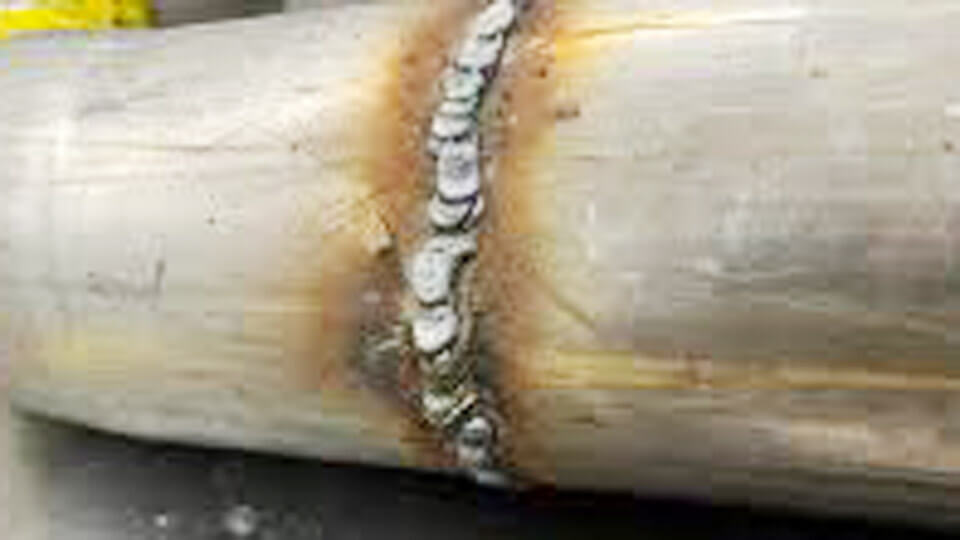
Image by I See You Don’t Know Shit About Welding
Understanding Mig Welding For Exhaust Pipe
Before grabbing your welding torch, it’s important to understand MIG welding and why it’s popular for exhaust pipes. MIG stands for Metal Inert Gas. It uses a continuous solid wire electrode fed through a gun and into the weld pool, joining two pieces of metal together. A shielding gas (often argon, CO₂, or a mix) protects the weld from contamination.
Exhaust pipes are usually made from thin mild steel or, in some cars, stainless steel. MIG welding is ideal for this because it offers:
- Good control over heat input (reducing burn-through risk)
- Cleaner welds with less spatter than stick welding
- Easier learning curve compared to TIG welding
However, exhaust pipes present unique challenges. The thin wall thickness (often 1. 2mm to 1. 8mm) means too much heat can quickly cause holes. Exhausts are also round, so fitting and holding pipes together takes practice. Knowing these basics will help you choose the right settings and techniques.
Tools And Materials You Need
Having the right tools and materials is the foundation for quality exhaust welding. Here’s what you’ll need:
- MIG welder – A 110V or 220V unit works, but make sure it supports low amperage settings. For exhaust pipe, you’ll often weld at 40–90 amps.
- Wire – Use .023” or .030” solid wire for thin exhaust steel. For stainless pipes, use stainless steel MIG wire.
- Shielding gas – A mix of 75% argon and 25% CO₂ is common for mild steel. 100% CO₂ is cheaper but can be hotter and produce more spatter. For stainless, use a tri-mix gas if possible.
- Protective gear – Auto-darkening welding helmet, gloves, cotton jacket, and safety glasses.
- Angle grinder – For cutting pipe, cleaning rust, and prepping welds.
- Clamps and magnets – To hold pipes in place during tacking and welding.
- Measuring tools – Tape measure, marker, and pipe gauge if available.
- Wire brush or flap disc – For cleaning pipe edges before welding.
- Fire extinguisher – Essential for safety in case of sparks.
- Welding blanket or heat shield – To protect nearby parts from sparks or heat.
For many home welders, a small gas MIG welder is perfect. Flux-cored wire can work, but it creates more spatter and smoke, and is harder to get neat welds on thin exhaust pipe. If you’re serious about results, use shielding gas.
Preparing The Exhaust Pipe
Preparation is often the difference between a good weld and a failed one. Exhaust pipes can be covered in rust, oil, and road grime. These contaminants cause poor welds and porosity.
Steps for preparation:
Clean the area – Use a wire brush or flap disc to remove rust, paint, and dirt at least 1 inch from the weld joint. Metal should be shiny and clean.
Degrease – Wipe the area with acetone or a degreaser to remove oil. Avoid gasoline or flammable cleaners.
Cut and fit the pipe – Use an angle grinder or pipe cutter for straight, burr-free edges. Test-fit the joint. End gaps should be small (ideally less than 1mm) to prevent burn-through.
Mark your welds – Use a marker to outline where you’ll weld, especially if you need to keep welds away from tight spots or mounting brackets.
Check alignment – Dry-fit and clamp pipes so they’re well aligned. Even a small misalignment can cause leaks or stress on the system.
A commonly overlooked detail: Don’t skip cleaning the inside edges of the pipe, especially with slip-fit joints. Rust or scale on the inside can fall into the weld and cause contamination.
Setting Up Your Mig Welder For Exhaust Pipe
Getting your machine dialed in is crucial. Each welder is a bit different, but these guidelines will get you close.
Wire And Gas Selection
- Use .023” solid wire for the thinnest pipes. It melts quickly, so you don’t overheat the pipe.
- For mild steel, a 75/25 argon/CO₂ mix offers a stable arc with minimal spatter.
- Stainless pipes need a stainless wire (often ER308L) and a tri-mix gas (helium, argon, CO₂), but the 75/25 mix can work for small jobs.
Amperage And Voltage Settings
- Start with 40–70 amps for thin wall pipes. Check your welder’s chart.
- Wire speed should be set so you hear a steady, soft “frying bacon” sound, not loud popping.
- Too much voltage or slow wire speed causes burn-through and large holes.
Here’s a quick comparison of settings for common exhaust pipe thicknesses:
| Pipe Thickness | Wire Diameter | Amps Range | Recommended Gas |
|---|---|---|---|
| 1.2mm (18 gauge) | .023” | 40–55 | 75/25 Ar-CO₂ |
| 1.5mm (16 gauge) | .030” | 50–70 | 75/25 Ar-CO₂ |
| 2.0mm (14 gauge) | .030” | 65–90 | 75/25 Ar-CO₂ |
Always do a test weld on scrap pipe before starting on your car.
Torch And Ground Clamp Placement
- Keep the torch at a 10–15 degree angle to the workpiece.
- Stay close (¼ inch from the tip to the metal).
- Attach the ground clamp to clean, bare metal near the weld area.
A key mistake: Placing the ground clamp on painted or rusty metal causes arc instability and weak welds. Always ensure good contact.
Credit: www.reddit.com
Tack Welding: The Foundation Of A Strong Joint
Before making a full weld, use tack welds to hold the pipes together. This prevents movement and keeps the joint aligned during final welding.
How to tack weld:
- Place the pipes together as they’ll be joined.
- Tack at 3 or 4 points around the pipe (like 12, 3, 6, and 9 o’clock).
- Each tack should be quick (less than a second) to avoid burning through.
- Re-check alignment after tacking; adjust if needed before full welding.
If you’re joining two pipes at an angle or using a slip-fit joint, tacking is even more important. Don’t skip this step—full welds on un-tacked pipes often pull out of alignment.
Welding Techniques For Thin Exhaust Pipe
Welding exhaust pipe isn’t like welding thick plate. The metal heats up fast, and mistakes can cause burn-through or warping.
Key Techniques
- Stitch (or skip) welding – Weld in short, ½-inch bursts, then move along the joint, leaving gaps. This prevents heat buildup.
- Backstepping – Start a weld, then move back and overlap your next weld. This spreads heat and reduces warping.
- Pause between welds – Let the pipe cool for 10–20 seconds between weld passes.
- Push the puddle – Angle the torch to push the weld puddle forward, keeping the arc on the thicker part of the joint.
Full Vs. Partial Welds
For some exhaust repairs, you only need to weld small sections (partial welds). For high-stress areas or custom builds, a full continuous weld around the pipe is best.
Here’s a comparison of the two methods:
| Method | When to Use | Pros | Cons |
|---|---|---|---|
| Partial Weld (stitch/skip) | Quick repairs, low-stress joints | Less heat, less warping | May not be fully leak-proof |
| Full Weld (continuous bead) | Custom exhausts, high-stress areas | Strongest, leak-proof | Risk of warping, takes more skill |
Pro tip: Always start with partial welds if you’re new. Only move to full beads after you’re comfortable controlling heat.
Controlling Heat And Burn-through
The biggest challenge is avoiding burn-through. Here’s how:
- Keep welds short and move around the pipe.
- Use the lowest effective amperage.
- If you see the metal glowing, stop and let it cool.
- Watch for holes forming—if one appears, fill it in quick bursts, not by holding the arc in one spot.
If you do burn through, don’t panic. Let the area cool, then gently fill the hole with quick trigger pulls or short welds.
Welding Different Types Of Exhaust Pipe Joints
Not all exhaust joints are the same. The two most common are butt joints (pipes edge-to-edge) and lap joints (one pipe slips inside or over the other).
Butt Joint
- Harder for beginners, but cleanest look.
- Edges must be perfectly aligned and have almost zero gap.
- Use lots of tacks, then stitch weld.
Lap Joint (slip Fit)
- Easier and more forgiving.
- Insert one pipe into the other, creating a small overlap.
- Tack weld around the edge, then stitch weld.
- More surface area gives a stronger joint.
Advanced tip: For stainless steel or high-performance exhausts, a full TIG weld is ideal, but a well-done MIG weld with correct settings is strong enough for most street cars.
Dealing With Common Problems
Even experienced welders face issues when working on exhaust pipes. Here’s how to deal with the most common:
Excessive Spatter
- Check for clean metal.
- Reduce voltage or wire speed.
- Use better shielding gas.
Porosity (bubbles In Weld)
- Make sure the shielding gas is flowing (20–25 CFH).
- Wind or a draft can blow gas away—block it if working outside.
- Clean off all paint, rust, and oil.
Warping
- Weld in short stitches.
- Alternate sides of the pipe.
- Clamp pipes to a fixture if possible.
Incomplete Fusion
- Make sure you’re not moving the torch too fast.
- Increase amperage slightly if welds just sit on top.
Inspecting And Finishing The Weld
A strong exhaust weld isn’t just about looks. It should be leak-free, strong, and smooth enough that exhaust gases flow without restriction.
Inspection checklist:
- Look for even, consistent weld beads.
- No visible holes, gaps, or cracks.
- Tap the pipe—listen for a solid sound (thin or cracked spots sound different).
- If possible, pressure test the joint (plug ends, use low air pressure, and spray soapy water to check for bubbles).
Finishing steps:
- Use a wire brush or flap disc to smooth welds if needed.
- Paint with high-heat exhaust paint to prevent rust.
- Check that all clamps and hangers are secure.
If you find a leak, mark the spot, grind out the defect, and re-weld.
Safety Tips And Best Practices
Welding exhaust pipes can be hazardous. Always follow these safety practices:
- Work in a well-ventilated area. Exhaust fumes and welding smoke are dangerous.
- Keep a fire extinguisher nearby.
- Don’t weld on a car with the battery connected or near flammable materials.
- Wear gloves, helmet, and fire-resistant clothing.
- Let the exhaust cool before touching it—pipes stay hot long after welding.
Non-obvious insight: Always check for fuel or brake lines near your weld area. Heat can damage these systems or ignite fumes, even if you’re careful with sparks.
Credit: www.youtube.com
Real-world Example: Patching A Rust Hole
Let’s say you find a small rust hole in your exhaust pipe. Here’s how you’d fix it:
- Clean the area with a wire brush and grinder.
- Cut out the rusted section, making a clean hole.
- Cut a patch from new exhaust pipe (slightly larger than the hole).
- Fit the patch in place and clamp it.
- Tack weld the patch at four points.
- Stitch weld around the patch, moving slowly to prevent heat buildup.
- Grind smooth and check for leaks.
Many beginners try to weld over rust or thin metal—this almost always fails. Remove all weak metal first for a lasting repair.
Custom Exhaust Builds: Tips For Success
If you’re building a full custom exhaust, planning and patience are key.
- Mock up the whole system before welding. Use tape or temporary clamps.
- Tack all sections together, then check fit under the car.
- Weld out of the car if possible, to avoid working overhead.
- Support the system well—welds can crack if the exhaust hangs or vibrates too much.
A common mistake is rushing the process. Take your time with each joint for the best results.
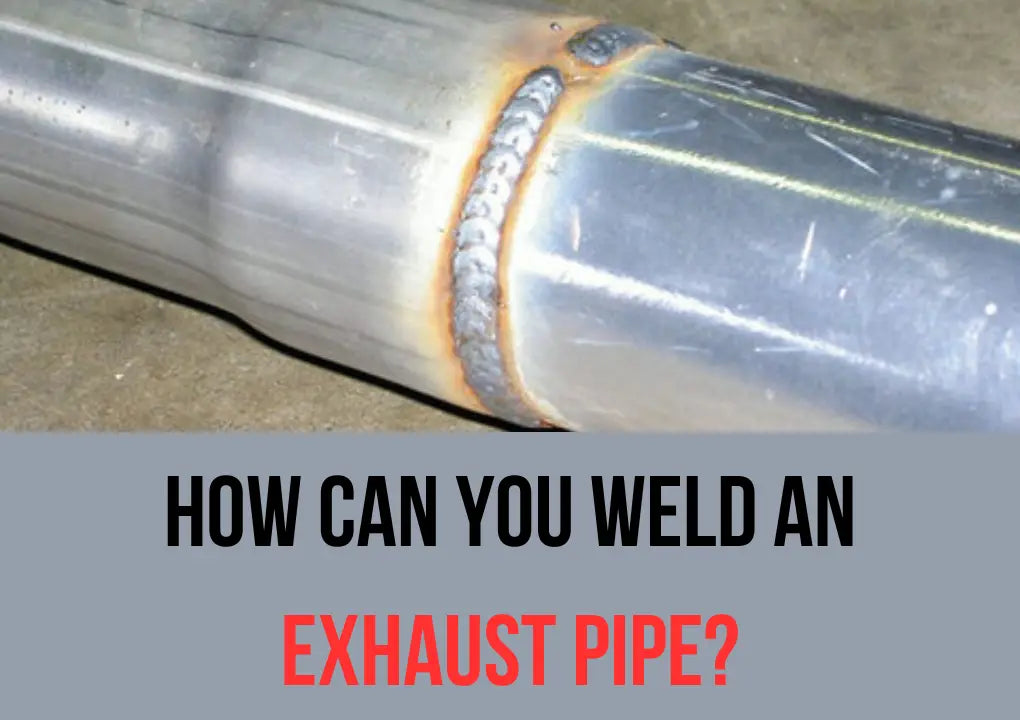
Credit: www.ssimder.com
When To Seek Professional Help
While many repairs are DIY-friendly, sometimes you should call a pro:
- The pipe is very thin or heavily rusted.
- You need to weld stainless or aluminum exhaust.
- The joint is close to sensors, catalytic converters, or other sensitive components.
- You’re not confident with your welds after practice.
A professional exhaust shop has the right tools and experience for tricky jobs. There’s no shame in asking for help if a repair feels beyond your skill level.
Cost Comparison: Diy Vs. Professional Welding
Wondering whether to do it yourself or pay a shop? Here’s a quick look at average costs:
| Repair Type | DIY Cost | Shop Cost | Notes |
|---|---|---|---|
| Patch a small hole | $10–$30 | $80–$150 | DIY assumes you own or borrow a welder |
| Replace a pipe section | $20–$50 | $120–$250 | Shop price includes labor, material |
| Full custom exhaust | $150–$400 | $500–$1,500+ | Shop cost varies by vehicle, material |
DIY welding is cheaper if you already have the equipment, but your time and learning curve are a factor.
Extra Tips Most People Miss
- Purge the inside of stainless exhausts with argon if you want the highest quality, corrosion-free welds (especially for turbo or race setups).
- Practice on scrap pipe before starting on your car. Even experienced welders do this before every new job.
- Check for heat damage to nearby components after welding. Hoses, wires, and even paint can suffer from radiant heat.
Final Thoughts
Learning how to MIG weld exhaust pipe is a rewarding skill that saves money and gives you control over your car’s repairs and modifications. With patience, good preparation, and the right techniques, you can achieve strong, clean, and durable welds—even if you’re a beginner.
Remember, every weld is a chance to improve. Stay safe, take your time, and enjoy the satisfaction of a job done right.
Frequently Asked Questions
How Do I Prevent Burn-through When Mig Welding Exhaust Pipe?
To prevent burn-through, use the lowest possible amperage that still gets good fusion. Stitch weld in short bursts, let the metal cool between passes, and always keep your wire speed and voltage matched. Clean, tight joints make it easier to control heat.
Can I Mig Weld Exhaust Pipe Without Shielding Gas?
Yes, but it’s much harder. Flux-cored wire works without gas, but it creates more spatter and a rougher weld. For best results and less cleanup, always use shielding gas with MIG welding, especially on thin exhaust pipe.
What’s The Best Wire For Welding Exhaust Pipes?
For mild steel exhaust, use .023” or .030” solid wire. For stainless exhausts, use a matching stainless wire (often ER308L). Smaller diameter wires work better for thin materials.
Do I Need To Remove The Exhaust From The Car To Weld It?
It’s easier and safer to weld exhaust pipe off the vehicle, but it’s not always necessary. If you must weld on the car, make sure the area is clean, well-ventilated, and free of flammable materials. Protect surrounding components with heat shields or blankets.
How Can I Check For Leaks After Welding?
After welding, seal the pipe ends and use low air pressure to pressurize the exhaust. Spray soapy water around your welds—bubbles mean there’s a leak. You can also listen for hissing sounds with the engine running (in a well-ventilated area).


