Standing in the garage with the heater running and the gas stove acting up at the same time was enough to make me realize how important a reliable regulator really is. I’d dealt with weak flame pressure, annoying leaks around cheap fittings, and one regulator that failed after only a few months outdoors.
Finding the best gas regulator for home use turned out to be less about grabbing the cheapest option and more about choosing something safe, stable, and built to last.
A lot of homeowners don’t think much about the regulator until problems start showing up — uneven flame, strange smells, or appliances not performing the way they should.
But the right regulator controls gas flow properly, protects your appliances, and helps avoid dangerous pressure issues that can lead to costly repairs or serious safety risks.
After testing different models on home stoves, outdoor burners, heaters, and small workshop setups, I learned that build quality matters more than flashy packaging. A solid brass body, accurate pressure control, weather resistance, and dependable fittings make a huge difference over time — especially if you use propane regularly around the house or garage.
I’ll break down which regulators are actually worth buying, which ones fail too early, and what features truly matter before you spend your money. Here’s what most people overlook before connecting their first tank.
Why Gas Regulators Matter More Than Most Home Welders Realize
A gas regulator reduces high cylinder pressure (up to 2500+ PSI) to a safe, usable level while controlling flow in cubic feet per hour (CFH). Without it, you’d flood your weld area or get nothing at all.
For MIG, you typically want 15-25 CFH depending on wire size, joint type, and wind. TIG often runs lower, around 10-20 CFH, for a soft, stable puddle. Wrong settings or fluctuating pressure cause oxidation, weak welds, and wasted gas—expensive when you’re buying your own tanks.
I’ve seen beginners crank the flow way too high thinking “more gas = better protection.” That creates turbulence and actually pulls in air. Pros dial it in precisely and watch for consistent delivery as the bottle pressure drops.
Single-Stage vs. Dual-Stage Regulators: What Home Users Need
Single-stage regulators drop pressure in one step. They’re simpler, cheaper, and perfectly fine for most home MIG/TIG work. Delivery pressure can creep up slightly as cylinder pressure falls, but you adjust on the fly.
Dual-stage regulators reduce pressure in two steps for more consistent output. They’re great for TIG where you want rock-steady flow, or if you weld long sessions and hate readjusting. For most garage setups, a quality single-stage with a good flowmeter does the job without the extra cost.
Flowmeters (the tube with a ball) beat basic gauges for precision. You see exact CFH at a glance—huge for repeatability on different materials and thicknesses.
How to Choose the Right Gas Regulator for Your Home Shop
Match the inlet to your cylinder: CGA-580 for argon/CO2/ mixes (most common for home), CGA-320 for pure CO2. Check outlet connection for your hose—usually 3/8″ or 5/8″ UNF.
Look for all-brass construction for durability and corrosion resistance. Dual gauges (high and low pressure) help you monitor bottle life and working pressure. A safety relief valve is non-negotiable.
For home use, prioritize easy-to-read scales, smooth adjustment knobs, and proven reliability over flashy features. Avoid no-name units that leak from day one.
The 5 Best Gas Regulators for Home Welding
Here are my practical picks based on real performance in hobby and light professional garages. These stand out for accuracy, build quality, and value.
1. ARCCAPTAIN Argon CO2 Regulator with Flowmeter
This one tops many lists for good reason. Solid brass body, clear dual gauges, and a flowmeter that reads up to 30+ CFH. It handles argon, CO2, and mixes smoothly with CGA-580 inlet.
I like the included hose on some kits—saves hunting for fittings. It delivers consistent flow without much creep. Great for both MIG on mild steel and TIG on stainless or aluminum. Beginners appreciate the straightforward setup; pros like the durability through daily use.
Pros: Accurate flow, robust build, good value.
Cons: Slightly bulkier than ultra-compact options.
2. YESWELDER Argon/CO2 Flow Meter Regulator
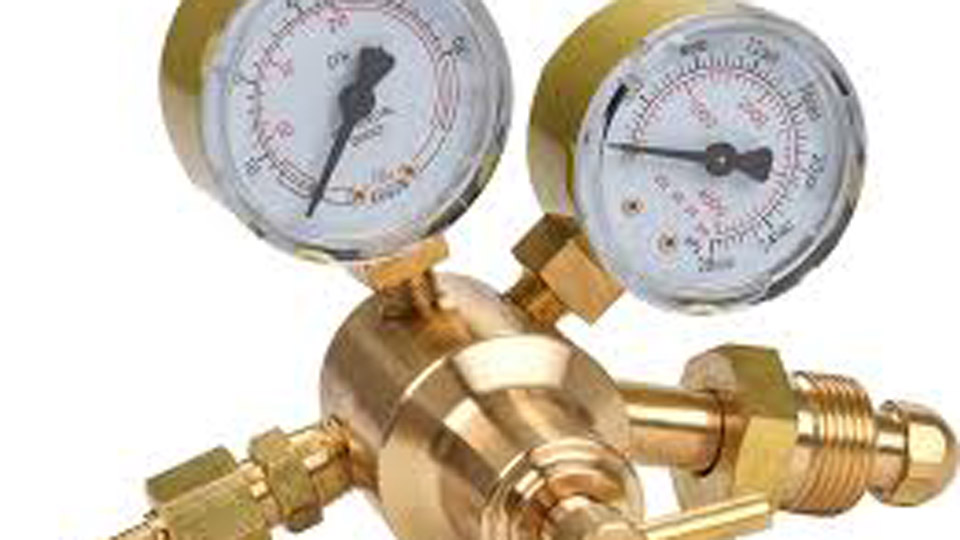
YESWELDER built a reputation for reliable, affordable gear. This model features a high-density filter to keep things clean and a clear flow tube. It’s compact enough for tight garage spaces yet tough enough for regular use.
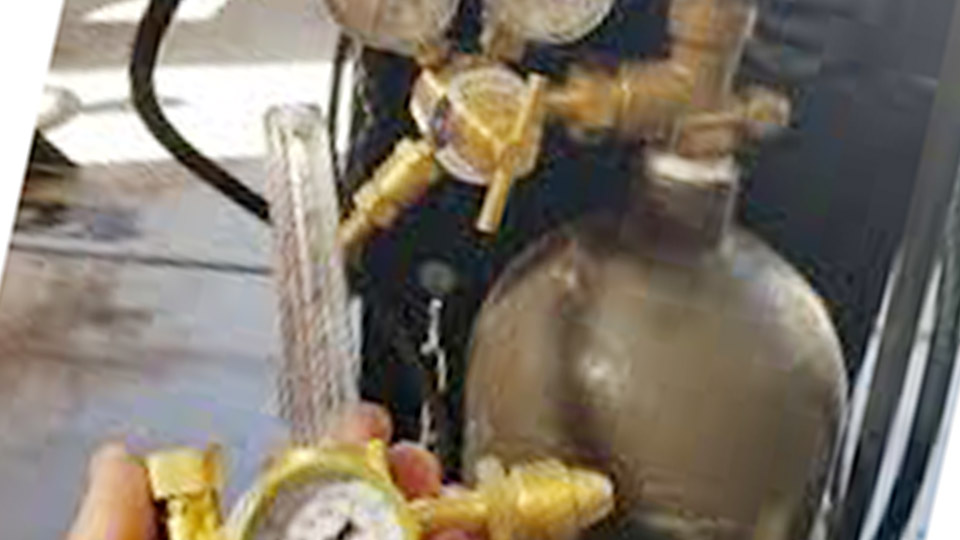
It shines on 110V MIG machines where gas control prevents burn-through on thin stuff. The adjustment is smooth, and it holds settings well even as the bottle empties.
Practical tip: Pair it with a short high-quality hose to minimize pressure drop.
3. RX WELD Argon Regulator Flowmeter with Hose
Often praised in reviews for coming ready-to-use with hose included. Strong gauges and reliable flow control make it a favorite for home TIG setups where you need fine adjustments.
It handles the transition from high cylinder pressure cleanly. Many users report years of leak-free service with basic care.
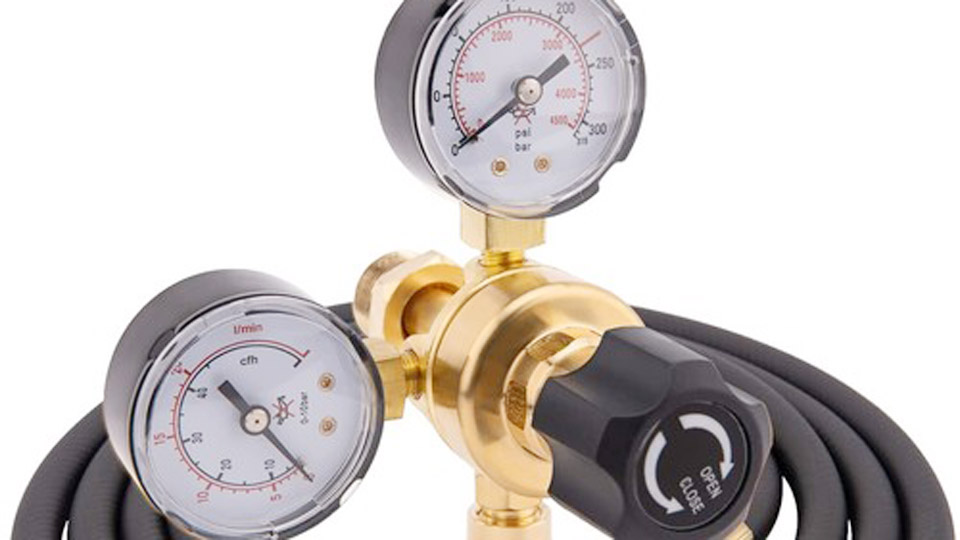
4. BETOOLL Argon/CO2 Mig Tig Flow Meter Regulator
Another consistent performer with CGA-580 connection. Brass construction and clear markings help you set 15-25 CFH quickly. It’s a solid mid-range choice that punches above its price for hobby fabricators.
Excellent for alternating between steel MIG and aluminum TIG by swapping gas bottles.
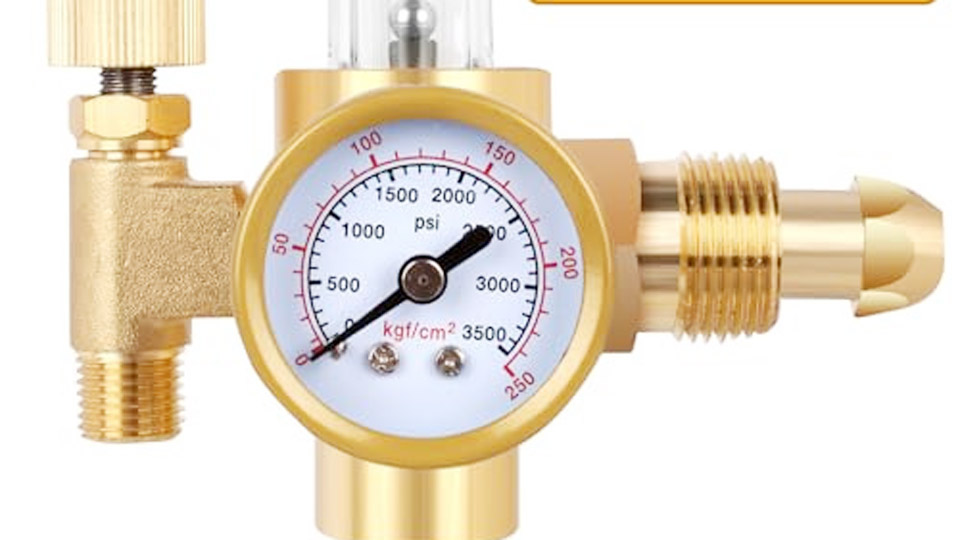
5. Harris or Victor Flowmeter Models (Premium Pick)
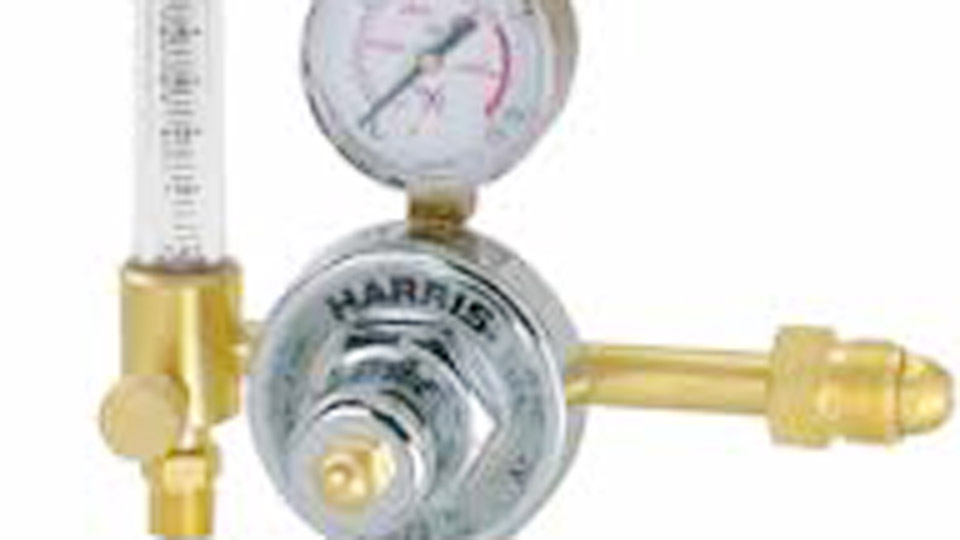
For those willing to invest, Harris 355 or Victor HRF series deliver pro-level consistency. Made with tighter tolerances, they offer the most stable flow, especially useful for precision TIG or when welding expensive materials.
Harris edges out for many because of U.S. manufacturing heritage and excellent low-pressure delivery for TIG. Expect to pay more, but these last a decade or longer in home shops.
Comparison Table
| Regulator | Best For | Flow Control | Build Quality | Price Range | Key Strength |
|---|---|---|---|---|---|
| ARCCAPTAIN | General MIG/TIG | Flowmeter | Excellent | Mid | Versatility & hose kit |
| YESWELDER | Budget reliability | Flowmeter | Very Good | Low-Mid | Compact & consistent |
| RX WELD | Easy setup | Flowmeter | Good | Low | Comes with hose |
| BETOOLL | Balanced use | Flowmeter | Good | Mid | Clear readings |
| Harris/Victor | Precision work | Flowmeter | Premium | High | Long-term stability |
Setting Up Your Gas Regulator: Step-by-Step for Home Welders
- Secure the cylinder upright and crack the valve briefly to clear dust/debris.
- Attach the regulator hand-tight, then snug with a wrench (don’t overtighten).
- Connect your hose to the outlet.
- Slowly open the cylinder valve fully—watch the high-pressure gauge.
- Adjust the delivery pressure or flow with the knob (usually counterclockwise to increase).
- Test for leaks with soapy water on all connections.
- Set your flow: Start at 15-20 CFH and fine-tune based on weld appearance.
Always close the cylinder valve when done and release pressure from the regulator.
Common Mistakes Home Welders Make with Gas Regulators
- Cranking flow too high: 30+ CFH creates turbulence and sucks in air. Stay in the 15-25 range for most home work.
- Ignoring leaks: A small hiss wastes gas fast. Check weekly.
- Using the wrong CGA fitting: Mismatching can damage threads or cause unsafe connections.
- Slamming the cylinder valve open: This can damage the regulator diaphragm.
- Forgetting to purge: Always flow gas for a few seconds before striking an arc, especially on TIG.
On cold days with CO2 mixes, regulators can freeze. Keep cylinders warmer or use a heater if it becomes an issue.
Material and Process Considerations for Home Setups
For mild steel MIG with C25 (75% argon/25% CO2), 18-22 CFH works well on 1/8″ material. Pure CO2 needs slightly different settings and can run dirtier but cheaper.
Aluminum TIG loves pure argon at 15-20 CFH with a #8 or #10 cup. Stainless benefits from argon/CO2 or tri-mixes—your regulator must handle the mix accurately.
Joint prep matters: Clean metal, good fit-up, and proper travel speed let you run lower flow rates efficiently.
Safety Essentials Every Home Welder Must Follow
Treat high-pressure gas with respect. Secure tanks so they can’t fall. Never oil regulator threads (especially oxygen). Wear proper PPE, and ensure good ventilation—shielding gas displaces oxygen.
Store cylinders upright in a well-ventilated area away from heat sources. Inspect hoses regularly for cracks.
Making Your Regulator Last for Years
- Bleed pressure after use.
- Keep it clean and dry.
- Avoid dropping or banging it.
- Replace seals if you notice creeping pressure or hissing.
A quality regulator paired with good technique turns inconsistent home welds into repeatable, strong ones.
Final Thoughts
After running dozens of setups over the years, the biggest lesson is this: Buy once, cry once. A decent regulator pays for itself quickly through saved gas and better welds. Focus on stable flow, proper settings for your material and process, and consistent shop habits.
When dialing in a new setup, make a test coupon with your exact material thickness and joint type. Note the exact CFH, voltage, wire speed, and travel speed that gives you a flat bead with no porosity. Tape that note inside your welder lid—you’ll thank yourself on the next project.
FAQ
How do I know what CFH to set my gas regulator for home MIG welding?
Start at 15-20 CFH for most indoor work on mild steel. Increase slightly for outdoors or thicker material, but test on scrap. Too much flow causes turbulence; too little leaves porosity. Watch your puddle and bead color.
Can I use the same regulator for pure CO2 and argon mixes?
Yes, as long as it’s rated for both (most CGA-580 models are). CO2 can cause more freezing in cold shops, so monitor for ice buildup on the regulator.
What’s the difference between a flowmeter and a regular pressure gauge regulator?
Flowmeters show actual gas volume (CFH), making them far better for welding. Basic pressure gauges require more guesswork and experience to correlate to good shielding.
Why does my regulator freeze up and how do I fix it?
Common with CO2 mixes from rapid pressure drop and moisture. Use a lower flow initially, keep the tank warmer, or switch to a model designed for CO2 duty. Thaw naturally—never use open flame.
Is a dual-stage regulator worth it for home TIG welding?
It can be if you do a lot of precision work or long sessions. For occasional hobby use, a good single-stage flowmeter is usually sufficient and more budget-friendly.