Hot slag popping off the cut, a torch tip glowing red, and a cut line drifting completely off track — that’s usually how most people realize a cutting torch takes more skill than it looks. I learned quickly that using too much oxygen pressure or holding the torch at the wrong angle can ruin a cut fast.
Once I understood How to Use a Cutting Torch to Cut Metal, the difference was night and day: cleaner edges, smoother cuts, and far less wasted steel.
A cutting torch is one of the most useful tools in any welding shop, but it can also become dangerous and expensive if used incorrectly. Poor technique leads to warped metal, excessive slag, ruined tips, and cuts that take twice as long to clean up.
On thicker steel especially, knowing how to control heat and travel speed makes all the difference between a rough hack job and a professional-looking result.
Over the years, I’ve used oxy-fuel torches for everything from cutting heavy plate steel to removing seized bolts and breaking down scrap metal. Some lessons came easy. Others came after clogged tips, backfires, and plenty of ugly cuts that had to be redone from scratch.
I’ll show you the exact setup, torch angles, flame adjustments, and cutting techniques that actually work in a real shop — especially for beginners who want cleaner cuts without wasting metal or gas.
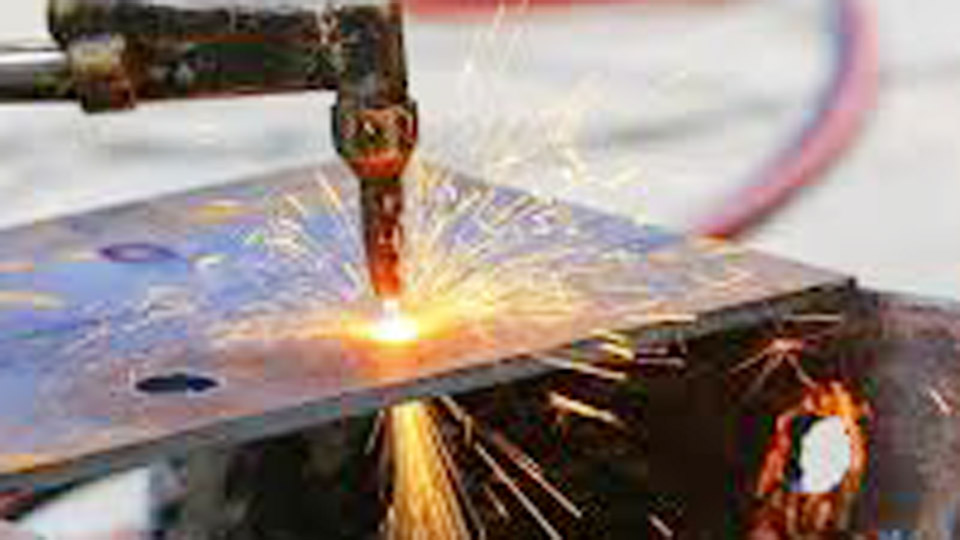
Image by safetyvideos
Why Oxy-Fuel Cutting Still Matters in Modern Shops
Oxy-fuel cutting remains a staple because it’s portable, inexpensive for occasional use, and excels on heavy plate. You preheat the steel to its kindling temperature (around 1,600–1,800°F), then introduce a pure oxygen jet that oxidizes the iron and blows the molten slag away.
It works best on carbon steels. It struggles with stainless, aluminum, or high-alloy metals due to different oxidation behaviors. In real fabrication, you’ll reach for the torch when you need to rough out shapes, trim beams, or make field repairs without dragging out a big machine.
Essential Safety Gear and Shop Setup Before You Light the Torch
Never skip this. I’ve seen too many close calls.
Wear shade 5 goggles or a proper cutting helmet, leather gloves, flame-resistant jacket, and boots. Keep a fire extinguisher handy and clear the area of flammables. Have a hose with water or a fire watch ready—sparks travel farther than you think.
Secure cylinders upright and chained. Never lay acetylene on its side. Crack the acetylene valve slightly first to clear debris, then open oxygen fully. Stand to the side when opening valves.
Install flashback arrestors and reverse-flow check valves. They’ve saved equipment and people more times than I can count.
Choosing the Right Cutting Tip and Equipment
Tip size matches metal thickness. Too small and you’ll overheat the tip or move too slowly. Too large and you waste gas and get a rough cut.
Common rules of thumb for oxy-acetylene on mild steel (adjust per manufacturer chart):
- 1/4″ to 1/2″ plate: Size 0 or 1 tip
- 1/2″ to 1″: Size 2–3
- Over 1″: Larger tips with higher pressures
Clean the tip with a reamer or tip cleaner—never use a drill bit. A clogged tip causes bad cuts and flashbacks.
Proper Torch Setup and Pressure Settings
Hook up regulators carefully. Oxygen to oxygen, acetylene to acetylene—hoses are color-coded (red for fuel, green for oxygen).
Typical starting pressures (with gas flowing through the torch):
- Acetylene: 5–10 PSI (never exceed 15 PSI)
- Oxygen: 25–40 PSI for most cutting, higher for thicker material
Open acetylene valve on the torch a quarter turn, light with a striker, then slowly add oxygen until you get a neutral flame—sharp blue cones with no yellow feather. For cutting, you’ll use a neutral or slightly oxidizing preheat flame.
Purge hoses before lighting: Open acetylene briefly, then oxygen, to clear air.
Step-by-Step: How to Light and Adjust the Cutting Torch
- Open cylinder valves slowly.
- Set regulator pressures.
- Crack the acetylene valve on the torch, light it.
- Adjust acetylene for a small, sooty flame, then add oxygen until the flame sharpens into distinct blue cones.
- Test the cutting oxygen lever—it should give a straight, forceful jet without distorting the preheat flames.
If the flame pops or goes out, shut everything down, purge, and relight. Practice this until it feels natural.
Preheating and Starting the Cut
Position the torch perpendicular to the metal, inner preheat cones about 1/8″ to 3/8″ from the surface. Heat a spot to cherry red—bright orange-red glow. On 1/4″ plate this takes 20–45 seconds.
Once hot, press the cutting lever. The oxygen jet should pierce through, creating a hole. Then move steadily.
For edge starts, heat the edge and start there. For piercing thicker plate, angle slightly or use a technique called “puddling” to build heat.
Technique: How to Make Clean, Straight Cuts
Hold the torch like a pencil or with both hands for control. Keep the tip 90 degrees to the plate. Move at a steady speed where the slag blows out the bottom in a clean stream.
- Too slow: Wide kerf, excessive slag, warped edges.
- Too fast: The cut won’t penetrate fully, leaving uncut bridges.
Watch the color and sound. A good cut has a smooth whoosh and minimal sparks flying sideways. Drag the torch smoothly—practice on scrap first.
For bevel cuts, tilt the torch to the desired angle after piercing.
Cutting Different Thicknesses and Materials
Thin material (under 1/4″): Lower pressures, smaller tip, faster travel. Watch for burn-through.
Medium plate (1/4″–1″): Standard settings work well. Preheat thoroughly.
Thick plate (over 1″): Larger tip, higher oxygen pressure, slower speed. Multiple passes may help on very thick stuff, though single-pass is ideal.
Mild steel cuts best. Cast iron is possible but messy due to graphite. Avoid rusty or painted surfaces when possible—clean them for better results.
Common Mistakes Beginners (and Some Pros) Make
- Wrong travel speed: Rushing or crawling.
- Incorrect standoff distance: Too close overheats the tip; too far loses focus.
- Dirty tip or poor flame adjustment.
- No preheat or rushing the pierce.
- Bad posture leading to wobbly cuts.
- Forgetting to blow out slag while hot.
One I see often: Leaving the torch on too long in one spot and melting the tip. Another: Using acetylene pressures too high, creating unstable flames.
Joint Prep, Material Handling, and Post-Cut Cleanup
Mark your cut line with soapstone—pencil burns off. For critical fits, leave a little extra stock and grind or machine to final dimension.
Support the workpiece so the drop falls cleanly without binding the torch. After cutting, knock off slag with a chipping hammer while hot. Grind the edge if you’ll weld on it—oxy cuts leave a thin oxide layer.
Comparison: Cutting Torch vs. Other Methods
Oxy-Fuel:
- Pros: Cheap, portable, great on thick plate, no electricity needed.
- Cons: Slower on thin stuff, heat distortion, limited to ferrous metals, requires gas bottles.
Plasma:
- Faster, cleaner on thinner metals, versatile materials.
- Needs power and air.
Angle Grinder or Bandsaw:
- Precise but slow and labor-intensive on heavy material.
Use the torch where it shines—field work, demolition, rough fabrication.
Troubleshooting Poor Cuts
- Rough, wavy edges: Speed too fast or flame too hot.
- Excessive slag on bottom: Speed too slow or low oxygen.
- Cut doesn’t penetrate: Insufficient preheat or wrong tip.
- Popping/flashback: Dirty tip, wrong pressures, or damaged equipment.
Shut down properly: Oxygen off first, then acetylene. Close cylinder valves, bleed lines, back off regulator screws.
Advanced Tips from the Shop Floor
Preheat larger areas when cutting thick or cold material to reduce cracking. For circle cuts, use a radius bar or template. In windy conditions, shield the flame or switch to a different process if possible.
Keep multiple tip sizes in your box. A well-maintained torch with fresh tips makes all the difference.
Takeaways for Better Torch Work
You now understand setup, flame adjustment, pressures, technique, and troubleshooting. Practice on scrap until cuts become second nature. Focus on consistent speed and distance.
Slow is smooth, and smooth is fast. Rushing leads to rework. Take your time to set up right, maintain steady motion, and the metal will cooperate. Clean equipment and proper pressures turn a frustrating tool into a precise one.
Your cuts will improve dramatically once these fundamentals click in your hands. Grab some scrap, light the torch safely, and start practicing. The shop floor rewards those who respect the process.
FAQ
How do I know if my flame is set correctly for cutting?
A neutral flame has sharp, well-defined blue inner cones without a feathery yellow edge. For cutting, a slightly oxidizing flame (shorter cones) can work but don’t go too far or you’ll oxidize the tip.
What pressure should I run for cutting 1/2″ steel?
Start around 5–7 PSI acetylene and 25–35 PSI oxygen with a size 1 or 2 tip. Fine-tune based on your torch and conditions—always with gas flowing.
Can I use a cutting torch on stainless steel?
Not effectively. Stainless doesn’t oxidize the same way, so the cut is poor and leaves heavy slag. Use plasma for stainless.
Why does my cut have so much slag on the bottom?
Usually traveling too slowly or low cutting oxygen pressure. Increase speed slightly or check oxygen flow. Knock it off while hot.
Is it safe to cut near painted or rusty metal?
Clean the area first. Paint and rust create toxic fumes and make the cut irregular. Ventilation is critical either way.