A fillet weld can look perfectly fine until an inspector pulls out a gauge and the numbers don’t match the spec. I learned that lesson on a repair job where the weld bead looked strong, but the actual size was undersized enough to fail inspection. Understanding how to measure a fillet weld size is one of those skills that separates guessing from real fabrication work.
In the shop, weld size isn’t just about appearance. It directly affects joint strength, load capacity, and whether the weld will hold up under stress or crack when it matters most. Measure too small, and the weld may fail. Go too large, and you waste wire, gas, time, and add unnecessary heat that can warp the material.
I’ve measured fillet welds on everything from heavy structural steel to thin fabrication jobs, and I’ve seen how small mistakes with gauges, angles, or leg measurements can throw the whole weld off. The good news is that once you understand the process, checking weld size becomes fast, accurate, and second nature.
I’ll break down the exact methods, tools, and practical tricks I use in the workshop to measure fillet welds correctly — including the mistakes that cause most beginners to fail inspections. Here’s what actually works when precision matters.
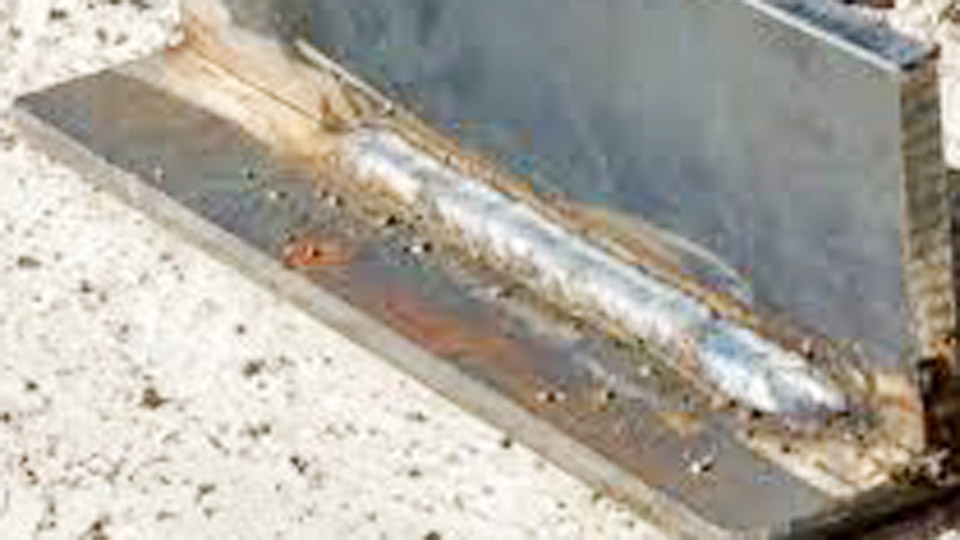
Image by onestopndt
What Is a Fillet Weld and Why Does Its Size Matter?
A fillet weld joins two pieces at an angle, typically 90 degrees, forming a triangular cross-section. Think T-joints, lap joints, or corner joints common in brackets, frames, and machinery repairs across US shops.
The size directly determines the weld’s strength. Design engineers calculate it based on loads, but as the welder, you’re responsible for hitting those dimensions.
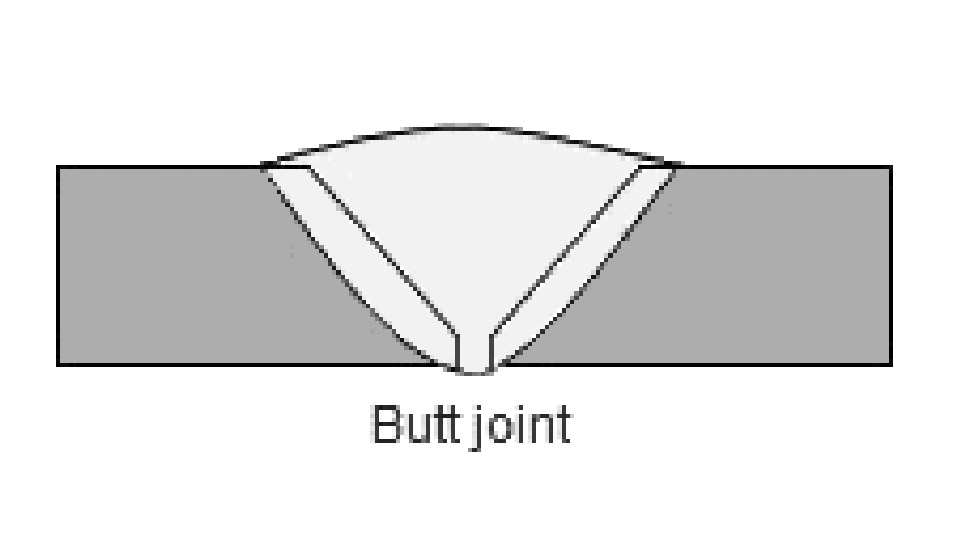
Leg length is the distance from the root (where the plates meet) to the toe (outer edge of the weld face). The throat is the shortest distance from the root to the face, usually about 0.707 times the leg for an ideal isosceles right triangle fillet.
Why care? An undersized weld might look okay but fail in service. Oversized welds add unnecessary weight, cost, and heat-affected zone issues. In structural work, AWS D1.1 sets minimum sizes based on base metal thickness to ensure fusion and avoid defects.
Understanding Leg Size vs. Throat Size
Most drawings and specs call out leg size because it’s easier to measure in the field. For equal-legged fillets in 90-degree joints, the leg is what you check first with a gauge.
Leg Size (L): Measured along the surface of each joined piece. A 1/4″ fillet means each leg should measure 1/4″ from root to toe.
Theoretical Throat: 0.707 × leg size for a flat or slightly convex weld. This is the effective load-carrying dimension.
Actual Throat: What you measure on a convex or concave profile.
In practice, I’ve seen concave fillets where legs look long but the throat is too small, weakening the joint. Convex welds can look oversized but still meet throat requirements if not excessively so. Always check both when possible.
Tools You’ll Actually Use in the Shop
Keep it simple and reliable—no fancy digital gadgets needed for most jobs.
Standard Fillet Weld Gauges: These are the go-to. Sets include multiple sizes from 1/8″ up, often with blades for different measurements. The common ones have a notch or edge for leg length and a tab for throat.
How to Use a Fillet Weld Gauge for Leg Size:
- Place the gauge so one edge rests flat against one plate.
- The other edge should contact the toe of the weld on the perpendicular plate.
- For a “go/no-go” check: If the gauge fits with a slight gap at the toe (indicating the weld is at or above size), it’s good. If it rocks or doesn’t reach, it’s undersized.
For Throat Measurement: Flip the gauge and use the center tab or appropriate side to check the shortest distance from root to face.
Digital Calipers or Depth Gauges: Great for precise throat checks or odd angles. Zero it at the root corner and measure to the face.
Multipurpose Gauges: Some combine fillet, undercut, and hi-lo checks. Handy for inspectors or leads.
I always keep a set in my toolbox. Clean the weld first—slag or spatter throws off readings.
Step-by-Step: How to Measure a Fillet Weld Size
- Clean the Weld: Remove slag, spatter, and any irregularities. A wire brush or grinder works.
- Visual Inspection First: Look for profile—slightly convex is ideal for most applications. Check for undercut, overlap, or incomplete fusion at toes.
- Measure Legs:
- Position gauge against vertical member, check horizontal leg.
- Rotate for the other leg.
- Measure at multiple points along the weld length, especially ends and middle.
- Check Throat: Use the gauge’s throat side. It should meet or exceed the calculated minimum (roughly 70% of leg).
- Document: Note measurements, especially on critical jobs or for QC.
For plate-to-pipe fillets, account for curvature. Place the gauge carefully; you might need a slightly larger size to compensate for the radius.
Minimum Fillet Weld Sizes per AWS D1.1 (Key Table for US Shops)
AWS D1.1 Table 7.7 gives minimum leg sizes based on thinner part thickness:
- Thinner part < 1/4″: Minimum 1/8″
- 1/4″ to < 1/2″: 3/16″
- 1/2″ to < 3/4″: 1/4″
- 3/4″ and up: 5/16″
These are baselines. Actual design size can be larger. Never go below without engineer approval. For cyclically loaded structures, rules tighten further.
Welding Processes and How They Affect Fillet Size Control
SMAW (Stick): Common for field and structural work. Use 1/8″ 7018 for ~3/16″ fillets in one pass on thicker material. Amperage: 90-140A depending on rod and position. Travel speed controls size—too slow builds up convexity; too fast thins it out.
MIG/FCAW: Easier for beginners. Wire diameter (0.035″ or 0.045″) and voltage settings matter. Higher wire speed increases deposition for larger fillets. Shielding gas and technique prevent undercut that affects measured size.
TIG: Precise but slower. Great for thin materials or cosmetic repairs where exact size is critical.
Joint prep is huge: Clean metal, proper fit-up (minimal gap), and bevel if needed for thicker plates. Poor prep leads to inconsistent sizes.
Common Mistakes Beginners and Pros Make
- Measuring Through Convexity: Gauging the highest point instead of true leg to toe. This overestimates size.
- Ignoring Concavity: Legs look good, but throat is insufficient.
- Single-Point Checks: Measure only one spot; welds vary along length.
- Cold Starts/Ends: Ends often undersized—grind or build up carefully.
- Wrong Gauge Use: Not seating flat against base metal or at 90 degrees.
- Oversized Welds on Thin Material: Causes burn-through or distortion.
- Forgetting Effective Length: Size matters, but continuous length does too. Intermittent welds have their own rules.
I’ve reworked plenty of jobs where the welder “eyeballed” it. Gauges prevent arguments with inspectors.
Practical Tips for Consistent Fillet Welds
Practice on scrap with the same material thickness and process. Run beads, measure immediately, adjust settings.
For horizontal fillets: Push or drag technique? Drag often gives better profile with 7018.
Amperage ranges (approximate for mild steel):
- 1/8″ E7018: 75-125A flat, adjust down for vertical.
- 5/32″ E7018: 110-165A.
Match filler to base metal. ER70S-6 for MIG on carbon steel.
Control heat: Stringer beads for smaller fillets; weave for larger but watch for slag inclusion.
On repairs, match existing weld size unless specs say otherwise. For structural, follow drawings strictly.
Comparing Convex, Concave, and Mitre Profiles
Mitre (Flat Face): Ideal theoretical throat. Easiest to measure.
Convex: Strong toes but excess reinforcement adds little strength and can concentrate stress. Limit convexity per code.
Concave: Better fatigue resistance sometimes, but throat must compensate. Harder to hit size.
Pros and cons table (mental one I use):
- Convex: Easier to deposit, good penetration, but potential stress riser.
- Concave: Smoother transition, but risk of undersize throat.
- Check AWS acceptance for max convexity.
Advanced Considerations: Skewed Joints and Unequal Legs
Not every joint is perfect 90 degrees. For skewed fillets (>90 or <90), measurement changes. Use specialized gauges or calculate effective throat.
Unequal legs: Common in some designs. Measure both; strength based on smaller effective throat.
Plate-to-pipe or curved surfaces require care—scribe lines or use adjustable gauges.
Material-Specific Notes
Mild Steel: Forgiving. Focus on technique.
Stainless: More heat-sensitive. Control size to minimize distortion and sensitization.
Aluminum: Larger fillets sometimes needed due to lower strength. Clean thoroughly; size per AWS D1.2.
Thick Sections: Multi-pass fillets. Measure each layer or final profile. Watch interpass temp.
Safety and Quality Assurance
Always wear proper PPE. Measurement is post-weld, but good technique starts with safe setups.
For critical work, involve a CWI (Certified Welding Inspector). But as the welder, owning the gauge and checking your work builds confidence and reduces rejects.
Document for traceability on coded jobs.
Building Better Welds Through Measurement
After years in the shop, measuring fillet weld size isn’t just QC—it’s part of becoming a better welder. You start anticipating how your settings, travel speed, and angle translate to final dimensions. You waste less time and material, produce stronger joints, and earn respect from leads and inspectors.
Key takeaways: Understand leg vs. throat, use quality gauges correctly, follow minimum sizes from standards like AWS D1.1, clean and prep properly, and check multiple points. Adjust your process based on feedback from measurements.
Before striking an arc on a production piece, run a test coupon with the exact joint, material, and position. Weld it, measure it cold, then section it if possible to verify penetration and throat. That habit has saved me more headaches than any other single practice.
FAQ
What is the most accurate way to measure fillet weld size in the field?
Use a standard fillet weld gauge for quick leg checks. For precision, combine with calipers for throat. Always measure multiple locations after cleaning the weld. Gauges are reliable when used flat against the base metal at 90 degrees.
Can a fillet weld be too big?
Yes. Oversized welds increase heat input, distortion, and costs without proportional strength gains. Excessive convexity can create stress concentrations. Stick to specified sizes or get approval for larger.
How do I know the right fillet size for my project?
Check engineering drawings first. Use AWS D1.1 minimums as a floor based on material thickness. For load-bearing, consult the designer or engineer—don’t guess on structural work.
What’s the difference between leg size and throat size in practice?
Leg size is what specs usually call out and what gauges check easiest. Throat determines actual strength. For ideal fillets, throat ≈ 0.707 × leg. Concave welds need throat verification to ensure adequacy.
Do I need special tools for measuring pipe-to-plate fillets?
Standard gauges work with care. Account for pipe curvature by checking both legs and throat. Scribe reference lines on the plate sometimes helps for accuracy.