I’ve spent years in shops welding everything from thin auto body panels to structural repairs, and I know how important it is to pick gear that actually works without emptying your wallet.
A good MIG welder under $500 can handle most DIY fabrication, hobby projects, farm repairs, and light professional work if you choose wisely and learn to run it right.
The right machine delivers clean penetration without burning through thin metal, minimizes distortion on bigger pieces, and keeps spatter and cleanup low so you’re not wasting time grinding. It also means safer welds that hold up.
Cheap machines that underperform lead to weak joints, frustration, and expensive rework. I’ve seen it too many times with beginners and even pros rushing purchases.
I’ll walk you through what matters in the real world—based on machines I’ve run or watched closely in garages and small shops across the US. We’ll cover top contenders, setup tips, common pitfalls, material handling, and practical advice so you can pick one that fits your needs and start welding with confidence.
Why MIG Welding Makes Sense for Most Shop Work
MIG (Gas Metal Arc Welding or GMAW) stands out because it’s fast, forgiving for beginners, and versatile. You feed a continuous wire electrode through a gun while shielding gas protects the molten pool from air. This gives smooth beads, low spatter with good settings, and the ability to weld in all positions.
Flux-cored (FCAW) works without gas for outdoor or windy jobs, but it leaves slag and more cleanup. Many budget machines handle both, which is a huge plus.
For hobbyists and small fab shops, MIG shines on mild steel, stainless, and even aluminum with the right setup. It beats stick for thin materials and speed on production-style repairs like trailer hitches, gates, or custom brackets.
Real talk: A solid MIG under $500 won’t replace a $2,000 Miller for heavy daily use, but it will get you through years of solid work if you maintain it and match it to your jobs.
What to Look for in a MIG Welder Under $500
Focus on these factors before buying:
- Power and Duty Cycle: Aim for at least 140-200 amps. Check duty cycle (e.g., 60% at max amps means 6 minutes welding, 4 cooling per 10). Higher is better for longer sessions.
- Voltage Input: Dual 110V/220V gives flexibility. Many home shops run on 110V, but 220V unlocks more power for thicker metal.
- Wire Drive: All-metal drives handle better than plastic. Look for smooth feeding with .030″ and .035″ wire.
- Processes: Multi-process (MIG + Flux + Stick + sometimes TIG) adds value.
- Portability: Under 40 lbs is ideal for moving around.
- Gas Capability: Essential for clean welds. Flux-cored as backup.
- Build and Warranty: Reputable brands offer better support and parts availability.
Top MIG Welders Under $500: My Shop-Tested Picks
Here are standout options that deliver real performance based on consistent user feedback and hands-on traits.
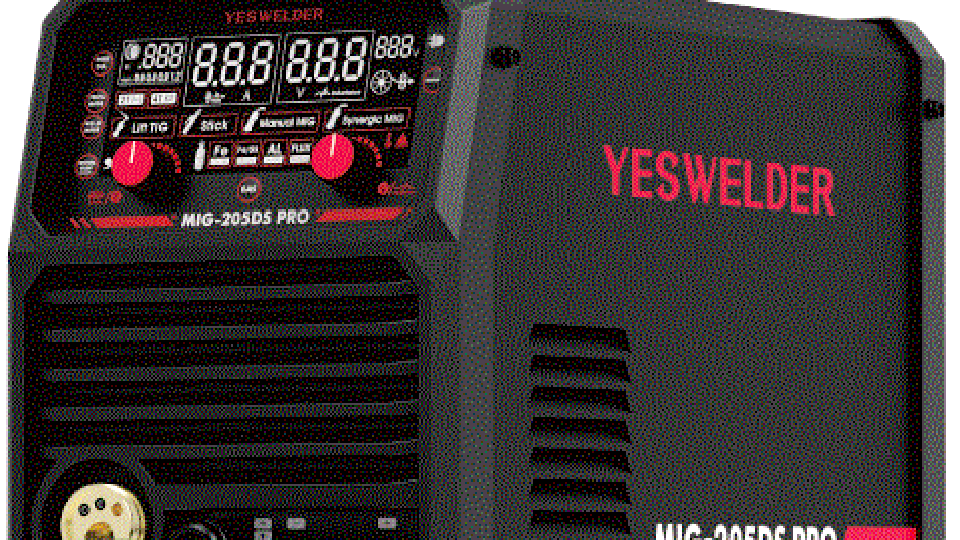
YesWelder MIG-205DS: Best Overall Value for Most Users
This inverter-based multi-process machine is my top recommendation for most people under $500. It handles MIG, flux-cored, stick, and lift TIG. Dual voltage (110/220V) outputs up to ~160A on 110V and 200A+ on 220V with a strong duty cycle (60% at 205A).
It weighs around 23-30 lbs, making it easy to carry. Synergic controls simplify settings for beginners while allowing manual tweaks. The digital display helps dial in voltage and wire speed precisely.
Pros: Versatile, lightweight, good arc stability, minimal spatter with proper settings, supports 10 lb spools.
Cons: No built-in spool gun (aluminum needs workarounds or add-on), TIG torch separate.
I’ve seen these run clean beads on 1/4″ plate and handle thin sheet without blowing holes when set right. Great for auto repair, fab projects, and general maintenance.
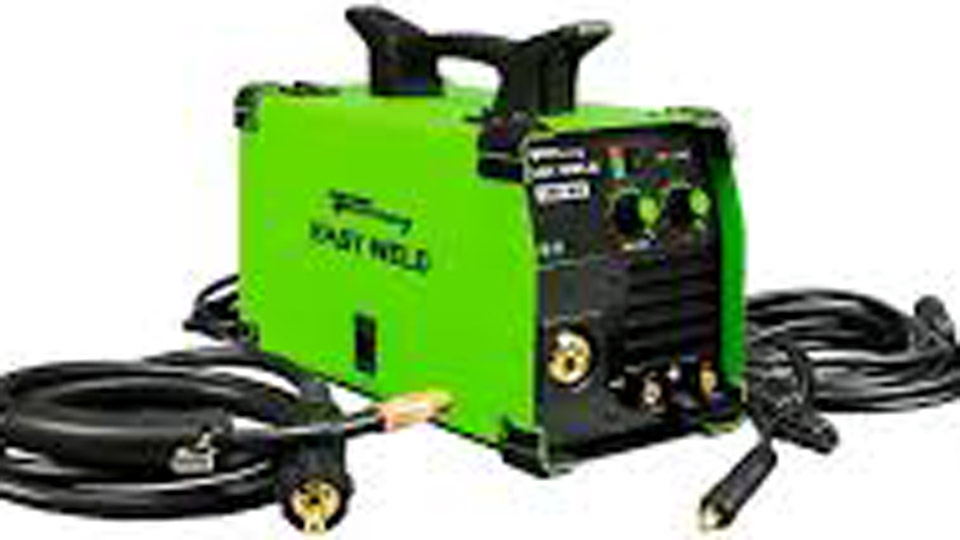
Forney Easy Weld 140 MP or Similar Multi-Process Units
These compact 120V machines offer MIG, flux, and stick capability in a portable package. They suit beginners and light fabrication up to about 1/4″ steel.
Simple controls and solid wire feeding make them workshop-friendly. They’re forgiving and great for learning.
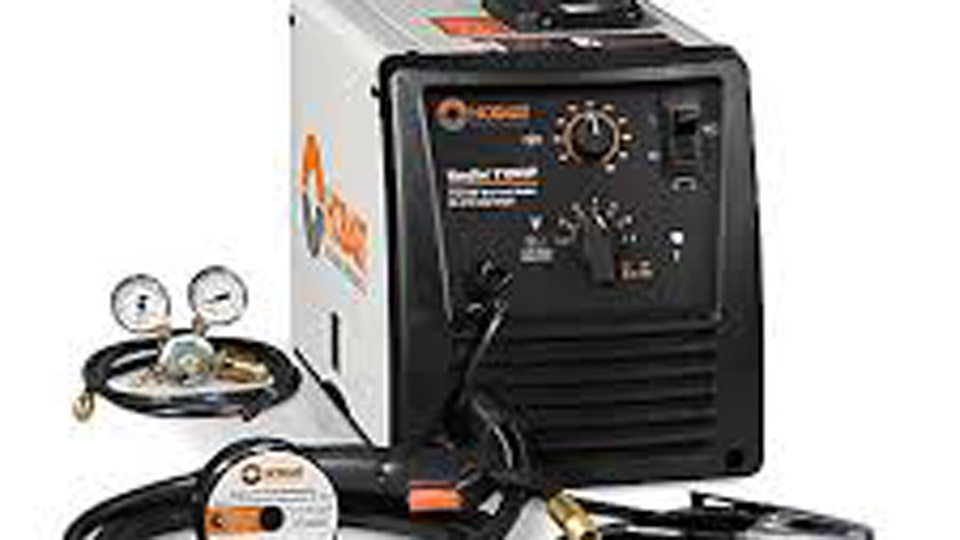
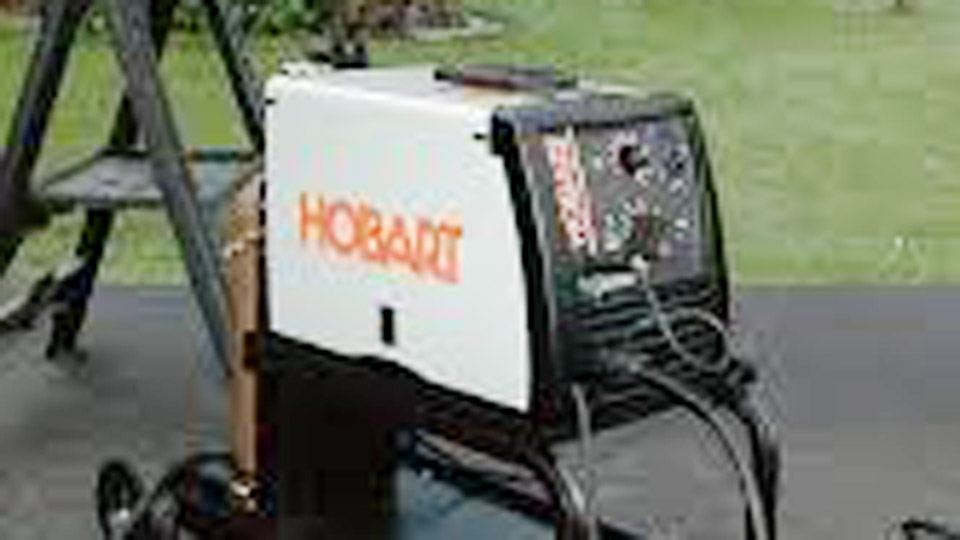
Hobart Handler Series (140 or 100/125)
Hobart builds tough, reliable transformers that last. The Handler 140 remains a favorite for gasless or gas MIG on 120V. It’s straightforward with excellent parts availability and strong US support.
The smaller Handler 100/125 works well for pure flux-cored outdoor repairs. Expect solid performance on mild steel up to 3/16″-1/4″.
When to choose Hobart: You want simplicity, durability, and easy local service over bells and whistles.
Other Strong Contenders
- Eastwood MIG 180: Dual voltage, all-metal drive, good for up to 5/16″ with 220V. Solid inverter performance.
- Weldpro or ArcCaptain models: Often dual voltage with multi-process options and spool gun readiness for aluminum.
- Klutch MP140Si: Multi-process from Northern Tool—great for trying stick and TIG alongside MIG.
Comparison Table
| Model | Voltage | Amps (Max) | Processes | Weight | Key Strength | Best For |
|---|---|---|---|---|---|---|
| YesWelder MIG-205DS | 110/220V | 200+ | MIG/Flux/Stick/TIG | ~25 lbs | Versatility & Duty Cycle | Most users, multi-use |
| Hobart Handler 140 | 120V | 140 | MIG/Flux | ~50 lbs | Reliability & Simplicity | Daily light duty |
| Eastwood MIG 180 | 120/240V | 180 | MIG/Flux | ~40 lbs | Power & Metal Drive | Thicker repairs |
| Forney Easy Weld 140 | 120V | 140 | MIG/Flux/Stick | ~20 lbs | Portability & Beginner Ease | Hobby & small fab |
Adjust for current pricing and availability, as they fluctuate.
How MIG Welding Actually Works in Practice
The power source creates an arc between the wire (electrode) and workpiece. Wire melts into the pool, shielded by gas or flux. Voltage controls arc length and heat; wire feed speed (WFS) controls deposition rate.
Synergic vs Manual: Synergic auto-adjusts for easier starts. Manual gives full control once you learn.
For mild steel with 75/25 Ar/CO2 gas, expect smooth globular or spray transfer at higher settings. Flux-cored runs hotter and penetrates better outdoors but needs slag removal.
Setting Up Your New MIG Welder: Step-by-Step
- Unbox and Inspect: Check for damage. Read the manual cover to cover.
- Install Wire: Choose .030″ for most under 1/4″ work. Thread through drive, set tension so wire doesn’t slip but isn’t crushed.
- Polarity: DC+ for solid wire/gas MIG; DC- often for flux-cored.
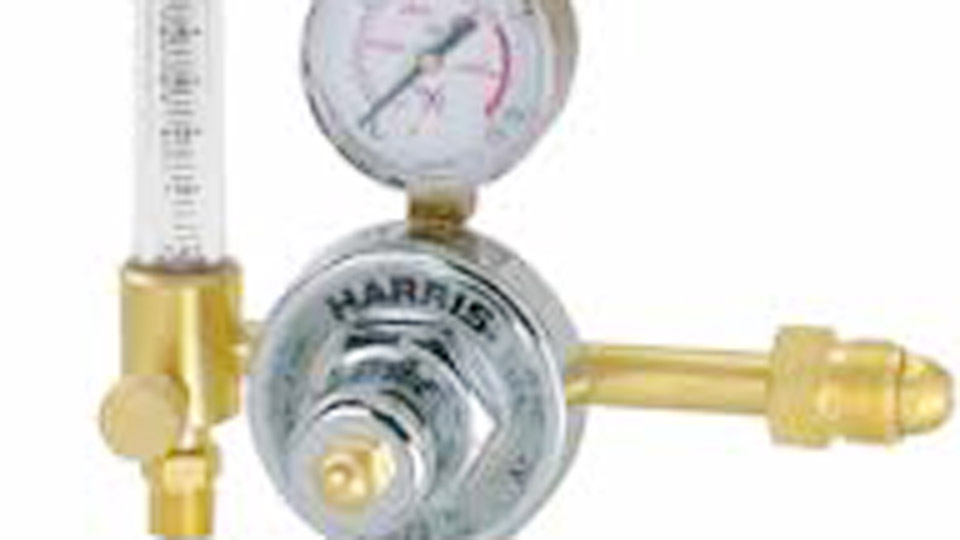
- Gas Setup: Regulator, hose, proper flow (15-25 CFH). Test for leaks.
- Ground Clamp: Clean, solid connection close to weld area.
- Test Settings: Start on scrap. Typical beginner: 18-20V, moderate WFS for .030″ on 1/8″ steel.
Practice push technique (gun angled 10-15° forward) for gas MIG—cleaner, less spatter. Pull for flux-cored.
Material Compatibility and Joint Preparation
Cleanliness is non-negotiable. Grind or wire brush rust, paint, oil, and mill scale. Contaminants cause porosity and weak welds.
- Thin Sheet (24-16 ga): Lower voltage/WFS, fast travel, smaller wire. Use gas for best results.
- 1/8″ to 1/4″: Sweet spot for these machines. Good penetration with proper settings.
- Stainless: Use tri-mix gas if possible; match filler (e.g., 308 for 304).
- Aluminum: Spool gun preferred. Pure argon, .030″ or .035″ 4043 wire. Push technique critical.
Joint Prep Tips: Bevel thick plates for penetration. Use clamps or tack welds to control distortion. Backstep welding helps on long seams.
Amperage and Settings Guidance
Always test on scrap matching your material.
- .030″ Wire, Mild Steel, Gas: 16-22V, WFS adjusted for steady arc. ~80-140A for most jobs.
- Flux-Cored: Slightly higher voltage, pull gun.
- Common Mistake: Cranking everything high. Start low and increase until you get good fusion without burn-through.
Listen to the arc: steady “bacon frying” sound is good. Crackling or popping means adjustment needed.
Common Mistakes Beginners (and Some Pros) Make
- Skipping material prep → porosity and inclusions.
- Wrong stickout (keep 3/8″-1/2″).
- Too fast/slow travel speed → poor penetration or burn-through.
- Incorrect gun angle.
- Ignoring duty cycle → overheated machine.
- Poor ground → unstable arc.
- Using cheap wire or wrong gas.
I’ve fixed plenty of “mystery” porosity issues that were just dirty metal or low gas flow.
Safety Considerations Every Welder Must Know
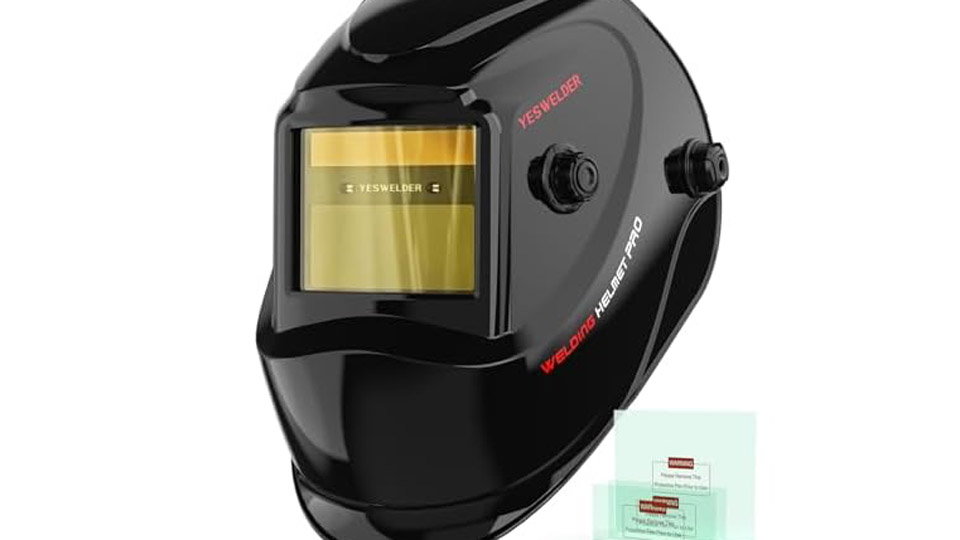
Wear proper PPE: auto-darkening helmet (shade 10-13), gloves, jacket, boots. Ventilate—fumes are no joke. Keep fire extinguisher handy. Secure cylinders upright and chained. Never weld near flammables.
Check cables regularly for wear. Ground properly to avoid shocks.
Real-World Projects These Machines Handle Well
- Auto body patch panels and exhaust work.
- Trailer repairs and custom gates.
- Farm equipment fixes.
- Furniture and art fabrication.
- Light structural (with proper technique).
For heavier work, plan multiple passes.
Maintaining Your MIG Welder for Longevity
Clean drive rollers and gun liner often. Replace contact tips frequently. Check gas lines. Store in dry place. Blow out dust from internals periodically.
Good maintenance turns a $400 machine into a decade-long tool.
Advanced Tips for Better Welds
Master push vs pull. Use 2T/4T for long beads. Practice consistent travel speed. Learn to read your puddle. For distortion control: clamp, sequence welds, peen if needed.
Experiment with different wires—some run smoother in budget machines.
FAQ: Real Questions from Welders Like You
What’s the best MIG welder under $500 for a beginner with no 220V?
A YesWelder MIG-205DS on 110V or Forney/Hobart 140-class machine. Start with flux-cored to learn, then add gas for cleaner results. Practice on scrap daily.
Can these weld aluminum?
Yes, with a spool gun and proper setup on capable models. Without it, results are inconsistent on soft wire. Prioritize machines listing spool gun readiness.
Gas or flux-cored—which should I use?
Gas for indoor clean welds and thin metal. Flux-cored for outdoor, dirty conditions, or thick material needing penetration. Many machines do both seamlessly.
How thick can a welder under $500 really weld?
Single pass up to 1/4″ comfortably on 220V models. Thicker with multiple passes and good technique. Don’t expect heavy plate performance daily.
Is it worth buying used?
Sometimes, especially Hobart or Lincoln with low hours. Test thoroughly, check cables and drive system. New budget inverters often give better features for similar money.
Putting It All Together: Choose Based on Your Shop Reality
After running these machines and helping others dial them in, the YesWelder MIG-205DS or similar dual-voltage multi-process units give the most capability for the money for most DIYers and side hustlers. If you value bomb-proof simplicity and local support, go Hobart.
The key isn’t the fanciest machine—it’s learning to run what you have. Clean metal, right settings, steady hands, and practice will make you successful with any decent welder under $500.
Always keep a stack of scrap pieces in the same thicknesses as your projects. Before every real weld, run a test bead. Adjust on scrap, not on the job. That single habit separates frustrated hobbyists from welders who turn out professional-looking, strong work every time.