If you’re in the shop grinding down welds, cutting rebar, cleaning up fabrication edges, or just tackling weekend projects around the garage, you already know how critical a good angle grinder is. When I type “best angle grinder cordless” into search, I’m looking for freedom from cords without sacrificing the power that gets real work done.
Cordless grinders have come a long way, and today they’re legitimate shop tools for DIY welders, hobby fabricators, pros on job sites, students in welding programs, and industry workers who need portability.
I’ve run countless hours on these tools—grinding MIG welds on trailer frames, cutting mild steel plate, beveling edges for better penetration, and cleaning up rust on repair jobs. A solid cordless grinder means no tripping over extension cords, easier work in tight spots or out in the field, and less downtime.
But not all deliver when the sparks fly and the material fights back. Safety, runtime, power consistency, ergonomics, and durability matter most, especially when you’re wearing a welding helmet and gloves.
I’ll walk you through my top real-world recommendations based on shop testing, performance in welding and fab tasks, buyer feedback from Amazon and job sites, and what actually holds up over time. These are tool-only or kit options readily available on Amazon for easy purchase with Prime shipping and returns.
Why Cordless Angle Grinders Matter for Welders and Fabricators
Picture this: You’re out fabricating a gate or repairing equipment in a barn with no nearby outlets. Dragging a cord risks it getting tangled in your work or cut by hot slag. A good cordless unit gives you mobility while handling grinding, cutting with thin wheels, flap disc blending, wire wheeling, and even light polishing.
Key real-world benefits include:
- Portability and convenience — Move freely around large projects or remote sites.
- Safety — Modern models have kickback brakes, electronic clutches, and overload protection that reduce the chance of a wheel binding and kicking back—huge for welders dealing with hot, sharp metal.
- Performance — Brushless motors in top models match or approach corded 7-11 amp tools for most tasks without bogging down as fast.
- Durability and cost efficiency — Fewer cords mean less wear, and shared battery ecosystems (DeWalt 20V, Milwaukee M18, Makita LXT/XGT) save money long-term.
- Compatibility — Pair with 4.5″ or 5″ discs common in U.S. welding—cutting wheels, grinding wheels, flap discs (for weld blending without undercutting), and wire brushes.
Downsides? Battery runtime on heavy grinding and higher upfront cost for tool + batteries. But for most users, the freedom wins.
DeWalt DCG413B 20V MAX XR Brushless 4-1/2″ Paddle Switch Grinder with Kickback Brake
This is one of the most popular and reliable cordless grinders for welders on Amazon, and for good reason. I’ve used it extensively for weld cleanup and light fab. It serves as a budget friendly option for those looking to enhance their toolkit without breaking the bank. Many users have praised its efficiency and ease of use, making it a top choice among DIY enthusiasts. If you’re in the market for a cost-effective solution, this grinder will not disappoint.
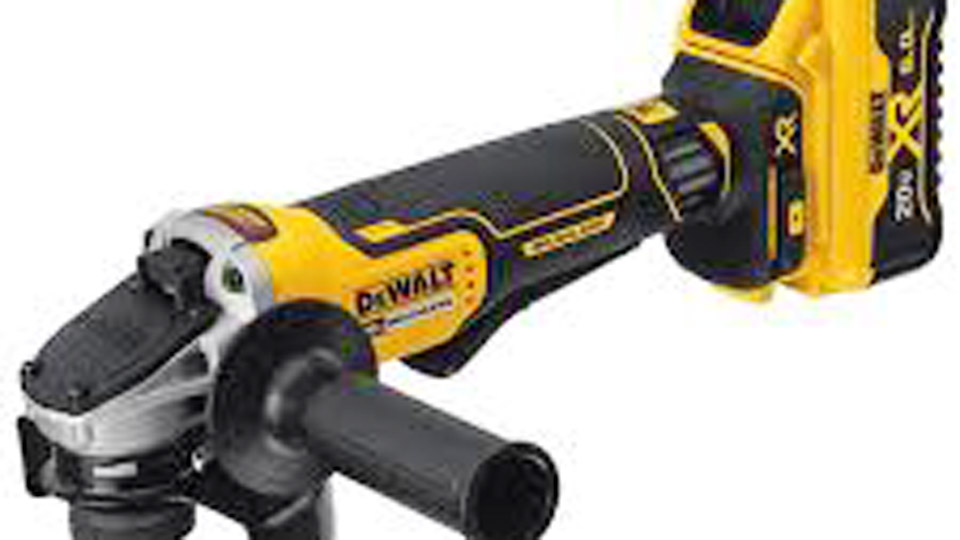
What it is and who it’s for: A compact 4.5″ paddle-switch grinder that’s brushless, lightweight (around 3.75 lbs tool-only), and built for everyday shop and field use. Perfect for DIY welders, students, and pros who already run DeWalt 20V batteries. Great entry into cordless for hobbyists.
Key features and real-world help:
- Brushless motor with up to 9,000 RPM.
- Kickback brake that stops the wheel fast if it binds—game-changer when cutting or grinding near edges.
- Paddle switch with lock-on for extended use.
- Tool-free guard adjustment.
- E-Switch protection and overload safeguards.
In the shop, it shines grinding down MIG beads on thin tubing or cutting 1/4″ plate. The brake gives confidence with cutoff wheels—less worry about shattering. It handles flap discs well for blending welds smoothly without digging in.
Pros from a welder’s view:
- Excellent safety features reduce fatigue and risk.
- Lightweight and balanced—less hand/arm strain during long sessions.
- Strong power for its size; rarely bogs on typical welding tasks.
- Compatible with huge DeWalt 20V ecosystem (use high Ah batteries for better runtime).
Cons:
- Battery life drops on aggressive heavy grinding (plan for 4-6Ah or higher batteries).
- Not quite as powerful as top corded 11-amp models for continuous thick material removal.
- Tool-only price means adding batteries if you don’t have them.
Setup, usability, and scenarios: Slide in a charged 20V battery, adjust the guard, pop on your disc, and go. I keep one loaded with a grinding wheel and another with a cutoff for quick swaps. Excellent in tight spaces like inside frames or automotive repair.
For vertical or overhead work, the weight helps control. Common mistake: Using low Ah batteries—grab at least 5Ah for real work. Pro tip: Pair with a soft-start feel and practice light pressure for longer disc and battery life.
This is a top Amazon seller for good reason—reliable, safe, and versatile for most welders.
Milwaukee M18 FUEL 2880-20 4-1/2″/5″ Paddle Switch Braking Grinder
Milwaukee’s M18 FUEL line dominates many fab shops, and the 2880-20 is a beast for serious users.
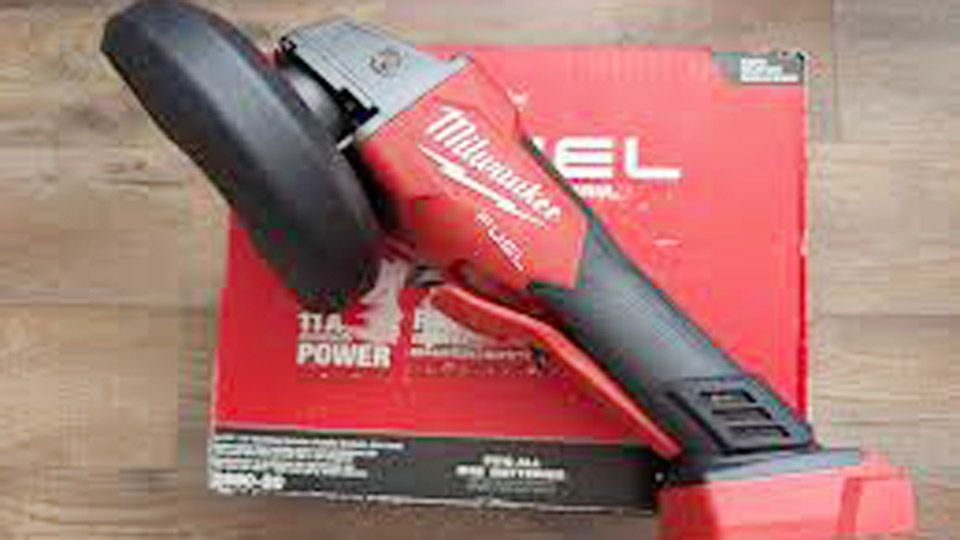
What it is and who it’s for: A powerful 4.5-5″ grinder with REDLINK intelligence, designed for pros and heavy DIYers who need corded-like performance in a cordless package. Ideal if you already invest in Milwaukee M18 batteries.
Key features:
- POWERSTATE brushless motor delivering up to 8,500 RPM with serious torque.
- Electronic clutch for kickback protection and overload safeguards.
- Paddle switch, tool-free guard and flange changes.
- Anti-vibration side handle.
- RAPIDSTOP brake on some variants.
Real-world performance: It powers through weld grinding, thick cutoff cuts, and flap disc work with less bogging than lighter tools. In my tests on mild steel and fab projects, it feels close to an 11-amp corded grinder for sustained power. Great for removing mill scale, beveling, or heavy cleanup.
Pros:
- Outstanding power and runtime with High Output batteries.
- Built tough for daily abuse.
- Excellent ergonomics and vibration control.
- One-Key app compatibility on some models for tracking.
Cons:
- Heavier than some competitors.
- Premium pricing for tool + good batteries.
- Can chew batteries on max load (use 6-8Ah or Forge packs).
Usability tips: The paddle switch feels natural. I use it with 5″ discs for more aggressive stock removal on larger welds. Shop hack: Keep a spare battery charging and swap mid-job. Avoid forcing it—let the tool do the work to prevent overheating. Common buyer mistake: Buying without high-capacity batteries and getting disappointed on runtime.
If your shop runs Milwaukee tools, this is often the best angle grinder cordless upgrade.
Makita 18V or 40V XGT Models (Like XAG04Z or GAG11)
Makita earns praise for smooth operation and long battery life.
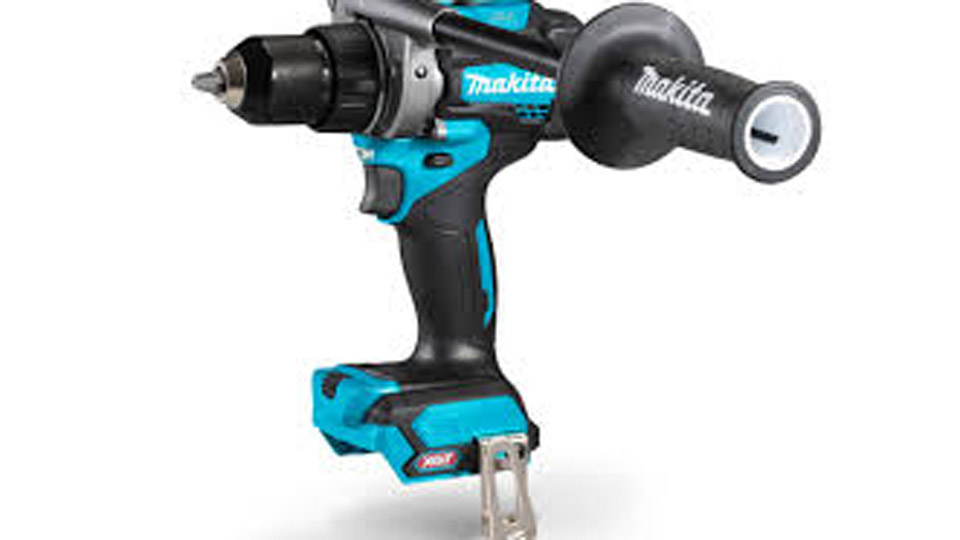
What it is and who it’s for: Smooth, efficient grinders with excellent ergonomics. The 18V LXT suits lighter to medium use; 40V XGT steps up for pros needing more power.
Key features: Automatic speed/torque adjustment, soft start, electric brake, AFT kickback tech, and X-LOCK on some for tool-free wheel changes.
Pros: Low vibration, great runtime, smart electronics that maintain speed under load. Fantastic for precision weld blending and finishing.
Cons: 18V models can feel underpowered for heavy fab compared to Milwaukee/DeWalt equivalents; higher voltage models cost more.
In the shop: The adaptive tech prevents wheel bog and extends disc life. Ideal for students or fabricators who value comfort during long hours. X-LOCK makes disc swaps lightning fast—huge time saver.
Other Strong Contenders and Budget Options
- Hilti Nuron models: Premium safety features like 360° torque control and hand-sensing tech—worth it for high-risk pro environments.
- Bosch, Metabo, or Ryobi: Bosch for speed, Metabo for build quality, Ryobi ONE+ for budget DIYers who want ecosystem compatibility without premium cost.
- Larger 6-9″ options like DeWalt FLEXVOLT or Milwaukee for heavy cutting/grinding.
Comparison Table: Top Cordless Angle Grinders
| Feature | DeWalt DCG413B | Milwaukee 2880-20 | Makita (18V/40V equiv.) |
|---|---|---|---|
| Disc Size | 4.5″ | 4.5-5″ | 4.5-5″ |
| RPM | 9,000 | 8,500 | ~8,500+ |
| Motor | Brushless | Brushless FUEL | Brushless |
| Safety | Kickback brake, E-Switch | Electronic clutch, brake | AFT, brake, soft start |
| Weight (tool only) | ~3.75 lbs | ~4-5 lbs | Varies, often balanced |
| Best For | Versatile daily use, safety | Heavy power | Smooth operation, runtime |
| Ecosystem | 20V MAX | M18 | LXT / XGT |
| Price Range (tool) | Mid | Premium | Mid-Premium |
Choose based on your existing batteries and workload.
Buyer’s Guide: What to Check Before Buying a Cordless Angle Grinder
- Battery compatibility and runtime — Match your existing tools. Higher Ah = better for grinding.
- Power needs — For welding/fab, aim for brushless 18V+ with good torque. Test on your typical material.
- Switch type — Paddle for control, slide for quick on/off (consider safety).
- Safety ratings — Look for kickback protection, brakes, and overload features. Comply with OSHA/job site rules.
- Ergonomics and weight — Test balance; vibration reduction helps on long days.
- Warranty and brand reputation — DeWalt, Milwaukee, Makita offer strong support in the USA.
- Disc compatibility — Standard 4.5/5″ with 7/8″ arbor. Stock up on quality wheels (e.g., Norton, Weiler).
- Amazon considerations — Check current prices, Prime availability, customer photos/reviews for real-user weld pics, and return policy.
Amperage equivalent: Look for models claiming 10-11A corded performance. Always wear proper PPE—gloves, eye protection, hearing, and respiratory (grinding produces dust and sparks near welding).
Step-by-Step Usage Tips for Best Welding Performance and Safety
- Prep: Inspect disc for cracks. Secure workpiece. Charge batteries fully.
- Setup: Install correct disc (cutting vs grinding), adjust guard to deflect sparks away from you/body.
- Start: Use two hands, soft pressure at proper angle (15-30° for grinding).
- Technique: Move steadily across weld. Let tool speed do the work—don’t press hard.
- For welds: Use grinding disc to knock down high spots, then flap disc for blending. Wire wheel for cleanup.
- Cutting: Thin cutoff wheels for metal; support both sides to prevent binding.
- Safety: Keep body out of spark path. Have fire extinguisher ready. Let tool cool between heavy sessions.
- Maintenance: Clean vents, check batteries, store dry. Replace discs regularly.
Shop hack: Use a variable speed model if available for polishing or delicate work. Common mistake: Overloading the battery—swap early. Fix for short runtime: Upgrade to higher capacity batteries or use while charging another.
Practical Extras and Shop-Tested Insights
- Filler and compatibility: Grinders pair great with any rods/wire but excel post-weld.
- U.S. codes: Follow AWS and OSHA for PPE and tool use.
- Anecdote: On a recent trailer build, the DeWalt handled hours of grinding without issue, saving me cord hassles climbing around the frame.
- Hacks: Magnetic holders for quick disc access. Dedicated grinders for cutting vs grinding to avoid contamination.
Conclusion
After years in the shop, the best angle grinder cordless comes down to your needs: DeWalt DCG413B for balanced safety and versatility, Milwaukee 2880-20 for raw power, or Makita for smooth efficiency.
These tools make welding and fab more enjoyable and productive by cutting cords and adding real mobility. You’re now armed with practical insights to avoid common pitfalls and pick confidently on Amazon.
Always have two batteries minimum and rotate them. It keeps you grinding without waiting on chargers and extends overall battery health. Grab one today and get back to making sparks fly safely. What’s your current setup? Drop a comment—I love hearing shop stories.
FAQ
How long do batteries last on a cordless angle grinder during welding tasks?
On typical weld grinding and light cutting, expect 20-45 minutes per 5Ah battery depending on load and model. Heavy continuous grinding shortens it—use high-capacity packs and swap as needed. Real-world: Better than expected for most jobs but plan ahead.
Is a cordless angle grinder powerful enough to replace my corded one for fabrication?
For most welding, cleanup, and medium fab, yes—top brushless models like Milwaukee Fuel or DeWalt XR come close to 7-11 amp corded performance. Save corded for all-day heavy production on thick material.
What safety features should I prioritize in a cordless grinder?
Kickback brake/clutch, electric brake, overload protection, and good guard. Paddle switches often feel safer for control. Never skip PPE.
Which is better for beginners or students—budget or premium?
Start with a reliable mid-range like DeWalt or Ryobi in your ecosystem. Learn proper technique before going ultra-premium. Safety and ergonomics matter more than max power early on.
Can I use the same batteries across tools?
Yes—that’s the beauty. Sticking with one brand (DeWalt 20V, Milwaukee M18, etc.) saves money and simplifies your shop. Check voltage and Ah ratings for best performance.