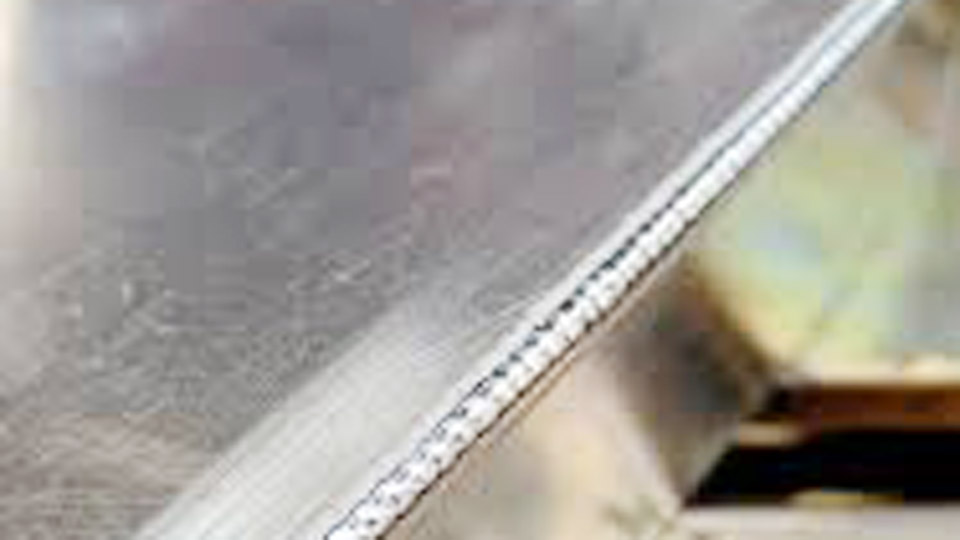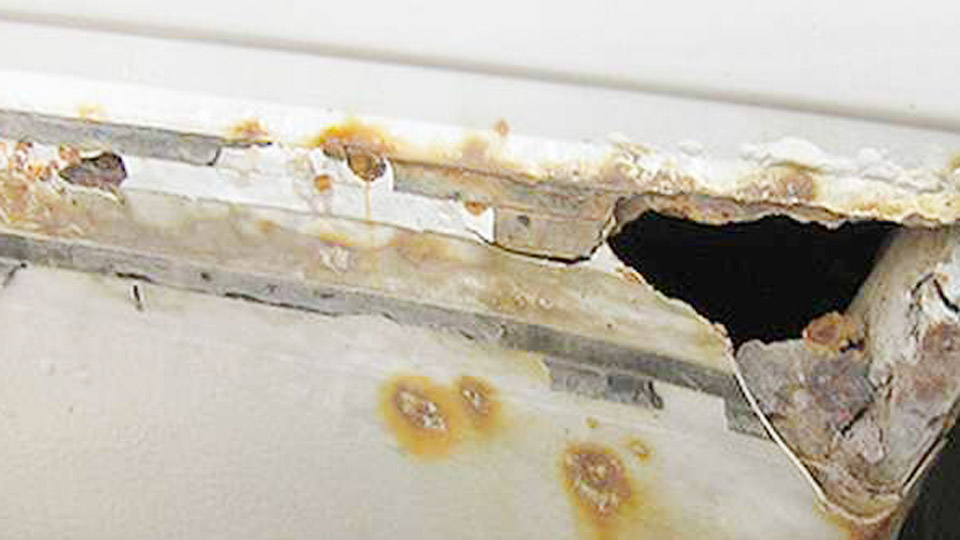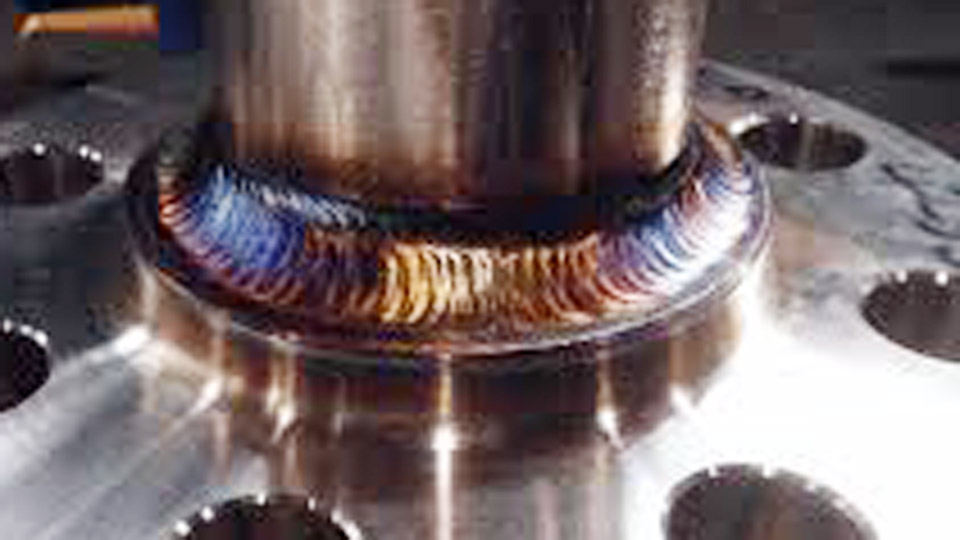
Welding automotive sheet metal requires precise heat control to avoid burn-through, warping, and weak joints. If you’re looking for how to weld automotive sheet metal, the key factors are material thickness (often 18–22 gauge), joint fit-up, and controlled amperage.
Unlike structural fabrication, thin automotive panels cannot absorb excess heat. Overheating leads to distortion, panel misalignment, and costly bodywork corrections.
In collision repair and restoration, improper weld technique can compromise structural integrity and corrosion resistance. Short arc control, minimal heat input, and correct filler selection are critical for maintaining panel shape and strength.
Processes like MIG with solid wire or pulsed settings are commonly recommended under guidelines from organizations such as the American Welding Society for thin-gauge applications.
I’ll explain proper machine settings, tack sequencing strategies, and distortion control methods to achieve clean, strong welds on automotive sheet metal without excessive grinding or rework.

Photo eastwood
Automotive Sheet Metal Properties
Automotive sheet metal primarily consists of mild steel, high-strength low-alloy (HSLA) steel, or aluminum alloys used in modern vehicles. Mild steel, with carbon content below 0.3%, offers good weldability but susceptibility to rust.
HSLA steels provide higher tensile strength (up to 80 ksi) for crash zones, requiring careful heat control to prevent embrittlement. Aluminum, lighter and corrosion-resistant, demands specific shielding gases and lower amperage to avoid porosity.
Gauge thickness directly influences welding parameters. For 18-gauge steel (0.0478 inches), heat input must stay below 20 kJ/inch to minimize distortion. Thinner 22-gauge (0.0299 inches) risks burn-through if travel speed drops under 10 inches per minute.
Surface contaminants like oil, paint, or mill scale must be removed, as they cause spatter and incomplete fusion.
Key considerations include thermal expansion coefficients: steel expands at 6.5 × 10^-6 per °F, while aluminum at 13 × 10^-6 per °F, leading to greater warping in aluminum. Always match filler material to base metal—ER70S-6 wire for steel ensures compatible tensile strength around 70 ksi.
Essential Tools and Equipment for Sheet Metal Welding
A reliable welder forms the core setup. MIG (Metal Inert Gas) welders excel for sheet metal due to adjustable voltage and wire speed, typically ranging from 14-20 volts and 150-250 inches per minute feed rate. TIG (Tungsten Inert Gas) offers finer control for aluminum, with AC polarity at 60-120 amps.
Shielding gas selection is critical: 75% argon/25% CO2 for steel provides stable arc and penetration up to 1/8 inch. Pure argon suits aluminum to prevent oxidation. Wire diameter should be 0.023-0.030 inches for thin sheets, reducing heat input compared to thicker 0.035-inch options.
Clamps and fixtures prevent movement during welding; magnetic clamps hold panels at 90-degree angles for butt joints. A wire brush or grinder with 80-grit discs cleans edges, while a plasma cutter trims sheets accurately.
Safety gear includes auto-darkening helmets (shade 9-13), leather gloves, and respirators for fumes containing zinc oxide from galvanized steel.
For measurement, digital calipers verify thickness, and a pyrometer monitors temperatures to keep below 300°F interpass for steel.
Choosing the Right Welding Process
MIG welding dominates automotive sheet metal work for its speed and ease. It uses a continuous wire electrode fed through a gun, with amperage set to 80-120 amps for 20-gauge steel.
Pulse MIG variants reduce heat by alternating high/low current, achieving penetration without distortion—peak current at 200 amps, background at 50 amps.
TIG welding suits precision tasks like aluminum panels. It employs a non-consumable tungsten electrode (2% thoriated, 1/16-inch diameter) with filler rod added manually. Amperage ranges 50-100 for 0.040-inch aluminum, using high-frequency start to initiate the arc cleanly.
Resistance spot welding, common in factories, uses electrodes to clamp and heat sheets at 5,000-10,000 amps for 0.1-0.3 seconds, creating nuggets 0.25 inches in diameter. For DIY, plug welders mimic this for panel overlaps.
Avoid stick welding (SMAW) on thin sheets; its high heat (150-250 amps) causes excessive spatter and warping. Flux-cored arc welding (FCAW) can work without gas but produces more slag, requiring cleanup.
| Process | Amperage Range (20-Gauge Steel) | Shielding Gas | Best For |
|---|---|---|---|
| MIG | 80-120 amps | 75% Ar/25% CO2 | General repairs |
| TIG | 50-100 amps | Pure Ar | Aluminum, precision |
| Spot | 5,000-10,000 amps (pulse) | None | Factory-style joins |
Preparing the Metal Surfaces
Joint preparation ensures strong bonds. For butt joints, bevel edges at 30 degrees on sheets over 0.040 inches to allow full penetration. Lap joints overlap 1-2 inches, ideal for patches.
Cleanliness prevents defects. Use acetone to degrease, followed by a stainless steel brush to remove oxides—avoid carbon steel brushes on aluminum to prevent contamination. For galvanized steel, grind off zinc coating within 1 inch of the weld zone, as zinc vaporizes at 1,650°F, causing porosity.
Fit-up tolerances should be under 0.010 inches for MIG; gaps lead to bridging and weak welds. Tack welds every 2-3 inches hold pieces, using 1-second pulses at 60 amps to minimize heat.
Preheating aluminum to 200°F reduces cracking by equalizing expansion. For steel, avoid preheating unless thickness exceeds 0.125 inches.
Step-by-Step Welding Process
Begin with equipment calibration. Set MIG voltage to 16-18 volts, wire speed 200 ipm, and gas flow 20-25 cfh. Test on scrap matching the workpiece.
Position the workpiece flat for best control; overhead welding increases spatter risk. Start with a push technique for MIG—gun at 10-15 degrees forward—for shallower penetration on thin metal.
Initiate the arc 1/4 inch from the joint, then move at 8-12 ipm. Weave slightly (1/8-inch side-to-side) for wider beads on laps. Monitor puddle size: aim for 1/4-inch diameter to avoid overheating.
For TIG, clean tungsten with a dedicated grinder, point at 15-20 degrees. Use foot pedal for amperage control, starting at 70 amps and ramping as needed. Add filler rod by dabbing, not continuous feed, to control deposition.
Interpass cooling: Allow sheets to drop below 150°F between passes using compressed air. Multiple short beads (2-4 inches) prevent warping better than long continuous runs.
Inspect visually: Beads should be uniform, with 100% tie-in and no undercutting. Use dye penetrant for crack detection on critical areas.
Addressing Common Challenges in Sheet Metal Welding
Warping stems from uneven heat distribution. Mitigate by stitching—alternate short welds on both sides of the joint. For example, weld 1-inch segments, skipping every other, then fill gaps after cooling.
Burn-through occurs at high amperage or slow travel. Reduce to 70 amps and increase speed to 15 ipm. On aluminum, switch to AC TIG for better heat balance.
Porosity from contaminants shows as pinholes. Ensure gas coverage; wind shields block drafts reducing flow below 15 cfh. For steel, ER70S-3 wire minimizes silicon islands causing bubbles.
Distortion in large panels requires backstepping: weld from center outward in segments. Clamp to heat sinks like copper bars to dissipate energy.
Incomplete fusion at joint roots demands proper angle—perpendicular for deep penetration. Adjust polarity: DCEP for MIG provides 70% heat to wire, aiding fusion.
Post-Welding Finishing and Inspection
Grind welds flush using 120-grit flap discs, avoiding excessive removal that thins metal. For aesthetics, seam sealers fill pinholes before priming.
Stress relief annealing at 1,100°F for 30 minutes per inch thickness prevents cracking in HSLA steels. Aluminum benefits from solution heat treatment at 950°F.
Inspect for defects: Ultrasonic testing detects internal voids, while visual checks ensure bead height under 0.060 inches to avoid stress risers.
Apply rust inhibitors like epoxy primers on steel within 24 hours. For aluminum, chromate conversion coatings enhance adhesion.
Durability testing: Bend samples 180 degrees without fracture to confirm ductility.
Conclusion
How to weld automotive sheet metal builds on understanding material behaviors, precise equipment settings, and controlled techniques to produce reliable repairs. This process emphasizes low-heat methods like MIG and TIG to preserve thin gauges without compromising strength.
By prioritizing clean preparation, consistent travel speeds, and post-weld inspections, welders achieve joints that withstand vibration and corrosion in real-world applications.
For those advancing their skills, consider integrating pulse technology in MIG setups. It modulates current to reduce spatter by 50% and heat input by 30%, enabling tighter control on ultra-thin 24-gauge panels common in electric vehicles.
This optimization not only boosts efficiency but also extends filler wire life, making it a practical upgrade for high-volume shops.
FAQs
What amperage should I use for welding 20-gauge automotive steel?
Set MIG amperage to 90-110 amps with 0.025-inch wire. This range provides adequate penetration without burn-through, assuming 17 volts and 10 ipm travel speed. Adjust downward for overlaps to prevent overheating.
Can I weld automotive aluminum sheet metal with a MIG welder?
Yes, using 5356 filler wire, pure argon gas at 25 cfh, and 15-18 volts. Push technique minimizes oxidation, but TIG often yields cleaner results for thicknesses under 0.063 inches due to better arc control.
How do I prevent warping when welding large automotive panels?
Use stitch welding: Apply 2-inch beads alternately on opposite sides, allowing full cooling between. Clamp to a flat table with heat sinks, and limit heat input to 15 kJ/inch maximum.
What’s the best joint type for patching rust on car body panels?
Lap joints with 1.5-inch overlap ensure strength. Plug welds through drilled holes (0.25-inch diameter) mimic factory methods, spaced 2 inches apart for even load distribution.
How does galvanized coating affect welding automotive sheet metal?
Zinc coating causes spatter and porosity. Grind it off within 1 inch of the weld area, use anti-spatter spray, and ventilate fumes. Opt for ER70S-6 wire to handle residual zinc better.