
Everything can seem perfectly dialed in during a TIG weld—the tungsten is sharpened, the gas is flowing, and the settings look right—until the arc suddenly starts popping and throwing tiny bits of metal everywhere.
That rough, unstable sound is enough to ruin your rhythm fast, especially when you’re trying to lay down a clean bead on stainless or aluminum. It’s exactly why so many welders end up asking, Why Is My TIG Weld Spitting?
TIG welding is supposed to produce a smooth, controlled arc, so when spitting starts happening, it usually means something in the setup is off.
Contaminated metal, poor shielding gas coverage, incorrect amperage, or even a damaged tungsten can all create problems that show up directly in the weld puddle. I’ve seen tiny mistakes cause hours of frustration because the issue wasn’t obvious at first glance.
A spitting TIG arc doesn’t just affect appearance—it can weaken the weld, introduce contamination, and waste filler material. In this guide, I’ll break down the most common causes, how to identify them quickly, and the practical fixes that help restore a clean, stable TIG arc.
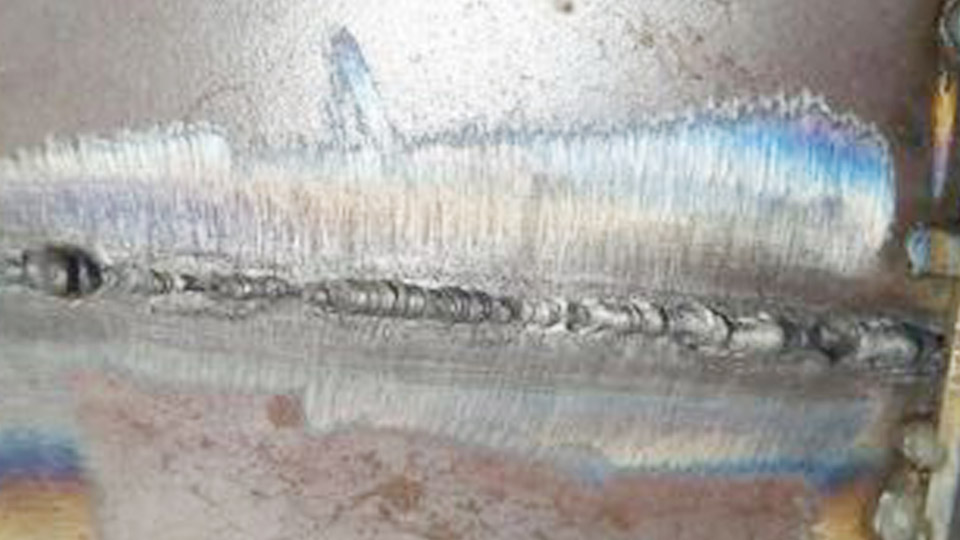
Image by reddit
What Does “Spitting” Actually Look Like in TIG Welding?
Spitting shows up as the weld puddle popping, crackling, or ejecting tiny droplets. The arc might wander, hiss loudly, or feel erratic under the torch. On aluminum, you might see black specks or oxide flakes.
On stainless or mild steel, it could mean porosity bubbles or a rough, oxidized bead. Sometimes it’s dramatic—like the puddle kicking up when you add filler. Other times it’s subtle, with just extra spatter on the sides.
This isn’t normal TIG behavior. A good TIG arc should be smooth and quiet, with a stable puddle that wets in nicely. Spitting almost always traces back to shielding gas problems, contamination, or incorrect settings.
Primary Causes of TIG Weld Spitting and How to Fix Them
Poor Shielding Gas Coverage – The #1 Culprit
TIG lives and dies by argon (or argon/helium mixes) protecting the weld pool and hot tungsten from oxygen and nitrogen. When coverage fails, air sneaks in, the puddle reacts, and you get spitting, porosity, or sugaring.
What happens: Too little gas leaves the pool unprotected. Too much creates turbulence that sucks in air. Leaks, dirty gas lenses, or drafts make it worse.
Practical fixes:
- Set flow to 15-20 CFH for most indoor work. Start at 15 and adjust up slightly if there’s a breeze. Never go over 25-30 CFH regularly—turbulence hurts more than it helps.
- Use a gas lens (screen/collet body combo) for better laminar flow and coverage, especially on stainless or aluminum.
- Check every connection with soapy water for bubbles. Inspect hoses for cracks.
- Purge the torch before starting—hit the pedal or trigger for a few seconds.
- For backside protection on stainless pipe or thin sheet, back-purge with argon to prevent sugaring that can contribute to unstable pools.
In my experience, a clogged or deformed gas lens is a sneaky killer. If you’ve been welding hot and tightening the collet while warm, it can pinch and restrict flow. Replace it and watch the difference.
Contamination on Base Metal, Filler Rod, or Tungsten
Cleanliness is non-negotiable in TIG. Oil, grease, rust, mill scale, paint, or even fingerprints introduce hydrogen or oxides that boil out as spitting or porosity.
Base metal prep:
- For mild steel: Grind or flap disc off mill scale, then wipe with acetone.
- For stainless: Dedicated stainless wire brush or flap disc, followed by solvent.
- For aluminum: Remove oxide with a dedicated stainless brush (never one used on steel), scrape if needed, and wipe with acetone right before welding. Aluminum oxide reforms fast, so clean just prior.
Filler rod handling: Store rods in a clean, dry place. Wipe each stick with a clean rag and acetone before dipping it in. Never lay it on the dirty bench.
Tungsten contamination: Touching the puddle or filler with the electrode is the classic rookie (and sometimes pro) mistake. It spits tungsten particles into the pool. Grind it back to fresh metal immediately.
Pro tip: Keep a dedicated cleaning station. One brush for aluminum, one for stainless, solvents in squeeze bottles. It saves more headaches than any fancy machine setting.
Wrong Amperage, Arc Length, or Polarity/Balance Settings
Too much heat makes the puddle runny and explosive. Too little won’t wet properly and causes instability. Long arc length increases voltage and heat while reducing control.
Amperage guidelines (approximate starting points for DCEN on steel/stainless, AC on aluminum):
- 1/16″ (0.063″) material: 40-60A steel/stainless, 60-80A+ aluminum
- 1/8″ (0.125″) material: 80-110A steel/stainless, 120-150A aluminum
- 3/16″ material: 120-160A steel/stainless, 180-220A aluminum
Rule of thumb for steel: about 1 amp per 0.001″ thickness as a ballpark, but test on scrap. Aluminum needs more to break the oxide. Use a foot pedal to ramp up and control heat as you go.
Arc length: Keep it short—roughly equal to the tungsten diameter or less. Long arcs wander and spit.
For aluminum on AC: Set balance for adequate cleaning without excessive tungsten balling. Too much EP (cleaning) balls the tungsten; too little leaves oxide. Start around 70/30 EN/EP and adjust.
Polarity: Always DCEN for steel/stainless (electrode negative). AC for aluminum. Wrong polarity on aluminum guarantees contamination and spitting.
Tungsten Electrode Issues
Wrong type, size, or preparation causes arc wander and instability that feels like spitting.
Common choices:
- 2% Lanthanated (blue) or similar rare-earth: Versatile for AC/DC, great arc starts.
- Zirconiated for aluminum AC.
- Ceriated or thoriated alternatives for DC.
Size: Match to amperage (e.g., 3/32″ for 50-150A range). Sharpen to a 20-40° point for DC (sharper for thin, blunter for thick). For AC aluminum, a slight ball is normal but not oversized. Grind longitudinally on a dedicated tungsten wheel to avoid contamination.
Technique and Filler Addition Problems
Dipping the rod too aggressively, inconsistent travel speed, or poor torch angle disrupts the pool. Add filler by dabbing the edge into the leading edge of the puddle, not the center, and keep the rod inside the gas shield. Move at a steady speed that keeps the puddle controlled—not too slow (overheating) or too fast (lack of fusion).
Step-by-Step Troubleshooting Guide When Your TIG Weld Starts Spitting
- Stop and check gas flow and torch setup.
- Inspect and clean tungsten—regrind if contaminated.
- Clean the workpiece and rod again.
- Verify settings: polarity, balance (AC), amperage, and post-flow.
- Test on scrap with short beads, adjusting one variable at a time.
- Check for drafts or leaks.
Material-Specific Advice for Common Jobs
Mild Steel and Stainless: DCEN, 100% argon, clean thoroughly. Stainless needs good back purge on critical joints to avoid sugaring that can affect pool behavior. Watch color—straw to blue is usually acceptable; gray/purple means too much heat.
Aluminum: AC, higher amps initially to form puddle, then back off. Clean oxide religiously. 4043 filler is forgiving for general work; 5356 for higher strength. Gas lens helps a lot here.
Repairs vs. New Fab: Repairs are trickier due to unknown contaminants, paint, or previous welds. Grind more aggressively and consider preheating on thicker sections.
Comparison: Common Settings for Popular Materials (Starting Points)
Use these as baselines and fine-tune on scrap.
Mild Steel (DCEN):
- Thickness 0.060″: 40-55A, 1/16″ tungsten, 15 CFH
- Thickness 0.125″: 80-110A, 3/32″ tungsten, 15-18 CFH
Stainless (DCEN):
- Similar to steel but often 10% lower amps due to lower thermal conductivity. Back purge where possible.
Aluminum (AC):
- Thickness 0.125″: 120-150A, 3/32″ tungsten, 17-20 CFH, balance ~70% EN.
Always prioritize travel speed and puddle control over raw amperage.
Safety Considerations Every Welder Should Remember
Spitting increases spatter risks—wear proper gloves, jacket, and eye protection with the right shade (typically 9-13 depending on amps). Good ventilation is critical because contaminated welds can produce more fumes. Keep your workspace dry; moisture worsens hydrogen issues. Ground properly to avoid arc blow that can destabilize the weld.
Common Beginner and Pro Mistakes That Cause Spitting
Beginners often rush cleaning, use too long an arc, or chase the puddle instead of leading it. Pros sometimes get complacent with gas lenses or assume old filler is still clean.
Running too hot to “burn through” contamination instead of cleaning it first is a classic error. Another: forgetting post-flow, which oxidizes the tungsten and causes poor starts next time.
Advanced Tips for Cleaner, More Stable TIG Welds
- Pulse welding (if your machine has it) reduces heat input and helps control the puddle on thin material or aluminum.
- Practice “walking the cup” or freehand torch control for consistency.
- Invest in quality consumables—cheap tungsten or gas can cause endless frustration.
- For production or critical work, use trailing shields on long seams.
Taking It to the Next Level in Your Shop
Once you nail these fundamentals, spitting becomes rare. You’ll spend more time welding and less troubleshooting. The key is developing habits: clean, check gas, dial settings conservatively, and test.
When in doubt, slow down your travel speed slightly while keeping the puddle small and tight. A controlled, slightly underfilled puddle that wets in beautifully beats a big, wild one every time. Hot and fast with good technique beats slow and sloppy.
Mastering why your TIG weld is spitting turns frustrating sessions into satisfying ones. Whether you’re building roll cages, fixing exhausts, or fabricating art, these details separate okay welds from ones you’re proud to show off. Grab some scrap, apply one fix at a time, and you’ll see the difference immediately. Happy welding—now go lay down some stacks.
FAQ: TIG Welding Spitting Problems
Why does my TIG weld spit only on aluminum?
Aluminum’s oxide layer is the main issue. Inadequate AC balance (not enough cleaning), dirty material, or insufficient amperage to establish a clean puddle causes spitting. Clean aggressively and adjust balance for more EP if you see flakes.
Can bad gas cause spitting in TIG?
Yes. Contaminated cylinders, wrong mix (never use MIG mixes with CO2), or low flow all lead to unstable arcs and spitting. Stick with pure argon or argon/helium for TIG and verify flow.
Does tungsten type affect spitting?
Absolutely. Wrong size or dull/contaminated tungsten causes arc instability. Match diameter to amps and keep it sharp or properly balled.
How do I stop porosity that looks like spitting?
Porosity usually means gas or contamination. Improve coverage, clean better, and check for leaks or drafts. Back purge stainless.
Is it normal for TIG to spit a little at the start?
A brief instability on arc start can happen, especially on aluminum, but it should settle quickly. If it continues, check high frequency start, gas pre-flow, or tungsten point.


