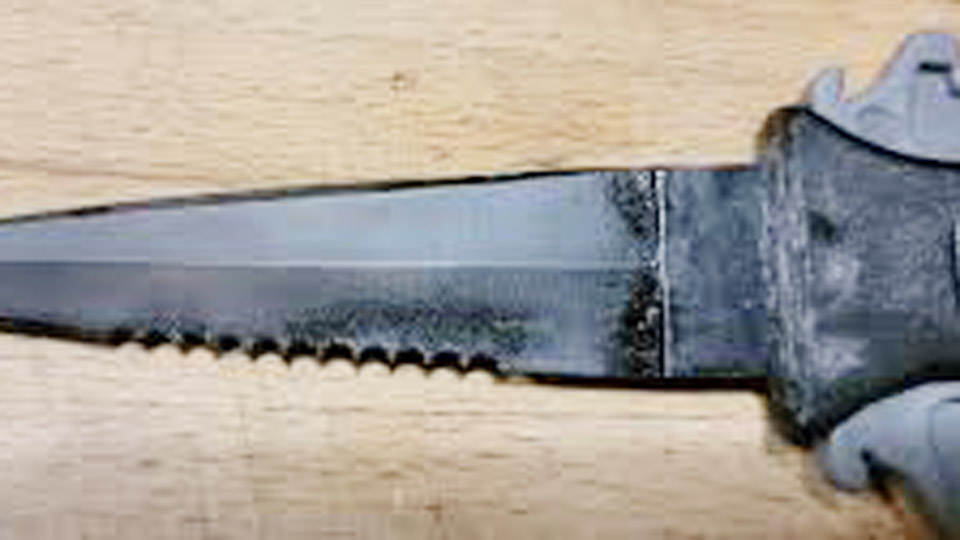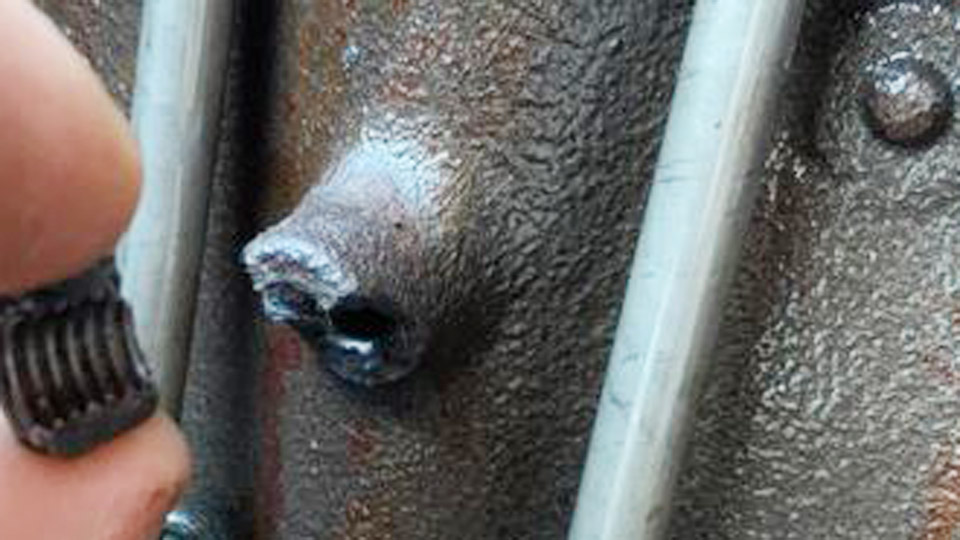
Green corrosion has a way of sneaking up on you. One day the metal looks fine, and the next there’s a crusty green layer spreading across copper fittings, battery terminals, or old tools sitting in the corner of the shop.
I learned the hard way that scrubbing it blindly with the wrong cleaner can actually damage the metal underneath. Knowing How to Remove Green Corrosion from Metal properly makes the difference between restoring a part and ruining it completely.
In a workshop or garage, corrosion isn’t just ugly — it can weaken electrical connections, eat away at metal surfaces, and shorten the life of expensive equipment.
I’ve dealt with green buildup on brass fittings, welding ground clamps, and even outdoor metal frames exposed to moisture for too long. Some cleaned up easily, while others needed a more careful approach to avoid pitting and permanent damage.
The good news is that removing green corrosion doesn’t always require expensive products or aggressive grinding. With the right method, you can clean the metal safely, protect the surface, and stop the corrosion from coming back so quickly.
I’ll walk you through the exact cleaning methods that actually work, which tools to avoid, and how to restore corroded metal without making the problem worse.
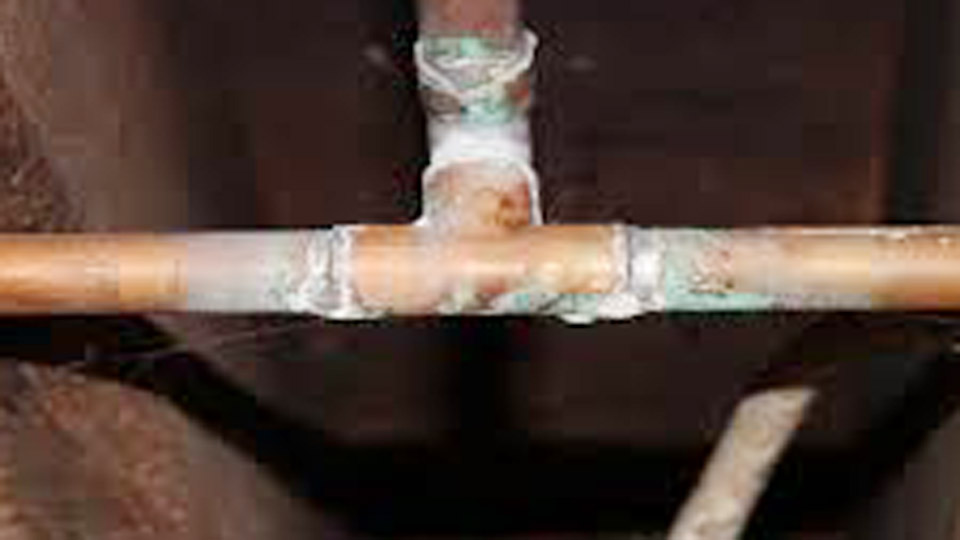
Image by emergencyplumbersca
What Exactly Is Green Corrosion on Metal?
Green corrosion, commonly called verdigris, forms when copper or copper alloys like brass and bronze react with oxygen, moisture, carbon dioxide, or pollutants. It appears as that distinctive blue-green patina—copper carbonate, chloride, or acetate compounds. On steel or other metals, you might see it from cross-contamination or nearby copper sources.
In a welding context, it matters because heat accelerates issues. Contaminants vaporize into the puddle, causing defects. I’ve prepped truck exhaust components with brass fittings where green buildup had crept in from storage. Ignoring it led to leaks in pressure tests. On aluminum or mild steel, similar oxidation or transferred residue creates the same headaches.
Why Removing Corrosion Before Welding Matters in the Shop
Clean metal equals predictable welds. Residual corrosion disrupts:
- Arc stability: Erratic starts and stops, especially with stick welding.
- Penetration and fusion: Poor bonding leads to cold laps or lack of fusion.
- Porosity and inclusions: Gas pockets weaken the joint.
- Distortion and cleanup: Extra grinding or repair passes add time and heat input.
I’ve watched beginners chase amperage tweaks when the real fix was 10 minutes of proper cleaning. In professional shops, especially on repair jobs with mixed metals, skipping this step risks callbacks or failed certifications. Safety-wise, welding over contaminants produces extra fumes—something you don’t want in a confined garage or fab bay.
Identifying Green Corrosion vs. Other Issues
Before grabbing tools, know what you’re dealing with. True green verdigris feels powdery or crusty on copper/brass. On steel, it might overlay rust (brown/red) or mill scale. Check for pitting underneath—severe cases need more than surface cleaning.
Run your finger over it or use a magnifying glass. If it wipes off easily with a dry rag, it’s light surface stuff. Crusty buildup signals deeper oxidation. In welding prep, always aim for bright, shiny metal. Any residue left behind will bite you during the root pass.
Mechanical Methods: Grinding, Brushing, and Abrading
Mechanical removal works fast for larger surfaces or heavy buildup and suits most welding prep.
What it is and how it works: You physically abrade the layer away using abrasives, revealing fresh base metal.
When and why to use it: Ideal for steel, aluminum, or large copper components before MIG or stick welding. It’s controllable and doesn’t leave chemical residues that might affect your weld.
Step-by-step in the shop:
- Safety first—gloves, eye protection, respirator if dusty.
- Use a 40-80 grit flap disc on an angle grinder for heavy scale. Move steadily to avoid gouging.
- Follow with a stainless steel wire brush or 120-180 grit for smoothing.
- Finish with a clean Scotch-Brite pad or 0000 steel wool for a bright surface.
- Wipe with acetone or alcohol to remove dust.
Practical tips from the bench: On thin material, go light—I’ve seen guys warp sheet metal with aggressive grinding. For pipe joints, use a dedicated wire wheel to avoid cross-contamination. Always clean your tools afterward; copper residue on a steel brush can transfer later.
Common mistakes: Over-grinding thin sections or using the same wheel on dissimilar metals. Pros dedicate abrasives by material type.
Chemical Removal: Vinegar, Salt, and Commercial Solutions
Acids dissolve the green compounds effectively, especially on intricate parts or copper alloys.
What it is and how it works: Mild acids like acetic (vinegar) or citric break down copper carbonates. Salt accelerates the reaction.
When and why: Best for detailed brass/copper fittings or when you can’t grind easily. Great for hobbyists without heavy power tools. Use before TIG on copper for clean puddles.
Step-by-step vinegar-salt method (shop-tested):
- Mix equal parts white vinegar and water, add 1-2 tablespoons salt per cup.
- Soak the part 10-30 minutes (monitor—don’t overdo on thin metal).
- Scrub with a nylon or soft brass brush.
- Rinse thoroughly with water, then neutralize with baking soda solution.
- Dry immediately and wipe with solvent. Apply light oil or weld primer if not welding right away.
Lemon juice alternative: Cut a lemon, dip in salt, and scrub directly. Excellent for small spots.
Commercial options: Phosphoric acid-based cleaners or dedicated copper brighteners work faster on stubborn verdigris. Follow label dilution exactly—I’ve used them on marine fabrications with great success.
Pros and cons:
| Method | Pros | Cons | Best For |
|---|---|---|---|
| Vinegar/Salt | Cheap, safe, household | Slower, needs rinsing | Copper, small parts |
| Commercial Acid | Fast, effective | Fumes, disposal care | Heavy buildup |
| Mechanical | No residues, fast on large | Dust, risk of damage | Steel, prep for SMAW |
Electrolytic and Advanced Cleaning Techniques
For delicate or valuable pieces, electrolysis lifts corrosion without much abrasion.
How it works: Use a battery charger, electrolyte solution (baking soda in water), and sacrificial anode. The part becomes the cathode; corrosion migrates away.
When to use: Restoration work or precision components. Less common in daily welding but handy for custom fab.
Practical setup: 6-12V DC, stainless steel anode, 1-2 hours. Rinse and dry well. Test on scrap first.
I’ve seen fabricators use this for brass hardware on show bikes—clean metal ready for TIG without pitting.
Material-Specific Advice for Welders
Copper and Brass: These conduct heat fast, so clean thoroughly. Use silicon bronze filler for many repairs. TIG with argon works best post-cleaning.
Steel with Green Residue: Often contamination—remove fully. Grind to bright metal, then bevel as needed.
Aluminum: White/gray oxidation is more common, but green can appear from contaminants. Use dedicated stainless brushes.
Stainless: Avoid carbon steel tools to prevent rust transfer.
Joint Prep Notes: After cleaning, bevel edges for thicker material (1/8″ or more). Remove all moisture. For SMAW, 6010 or 7018 rods—match diameter to thickness (3/32″ for thin, 1/8″ for heavier).
Amperage and Process Tips After Cleaning
With clean metal, dial in settings properly. For 1/8″ mild steel, 7018 at 90-120A. Copper needs higher heat or preheat due to conductivity. Test on scrap. MIG: 75/25 gas, proper wire speed. TIG: AC for aluminum, DC for steel/copper, with clean tungsten.
Always run a test bead. Clean metal lets you run lower amperage for less distortion.
Safety Considerations in the Shop
Wear proper PPE—acids need gloves and ventilation. Dispose of chemical waste correctly (neutralize first). Grinding dust is flammable or toxic depending on material. Keep your workspace dry post-cleaning to prevent flash rust.
In US shops, follow OSHA guidelines on fumes and dust. I’ve seen guys skip respirators on “quick” jobs and regret it.
Preventing Green Corrosion from Returning
Once clean, protect it. Store metals off the ground, use desiccants, or apply light oil/rust inhibitor. For outdoor fab, consider primer. In humid areas like coastal shops, clean and weld same day when possible.
Common Beginner and Pro Mistakes
- Beginners: Light wipe instead of thorough cleaning; using household cleaners that leave residue.
- Pros: Rushing on familiar jobs and assuming it’s “good enough.”
- Both: Mixing tools across metals or skipping neutralization after acids.
Take time upfront—it saves double the effort later.
Final Thoughts
After years chasing perfect welds, the real secret is prevention and patience in prep. You’ve now got practical ways to tackle green corrosion across materials and situations—whether in your garage, vocational school shop, or full-time fab bay.
Clean metal responds predictably to your machine settings, rods, and technique, turning frustrating repairs into straightforward ones.
Keep a dedicated “clean metal only” set of brushes and abrasives. Cross-contamination has ruined more beads than bad technique ever did. Treat your prep tools like extension cords—don’t share them carelessly.
FAQ
How long should I soak metal in vinegar to remove green corrosion?
For light buildup, 10-15 minutes works. Heavier crust might need 30-60 minutes with occasional scrubbing. Check every 10 minutes to avoid etching the base metal, then neutralize and rinse.
Can I weld over green corrosion if I grind most of it off?
No. Grind or clean to bright metal. Any leftover will cause porosity or weak fusion. I’ve learned this the hard way on pressure vessels—always verify with a test pass.
What’s the best way to clean brass fittings for TIG welding?
Vinegar-salt soak followed by light brushing and acetone wipe. For critical joints, follow with a stainless wire brush. Preheat slightly if thick to control heat.
Does green corrosion affect aluminum welds?
Indirectly—it’s usually contamination from copper. Remove fully with dedicated aluminum tools and cleaners. Use AC TIG with proper settings for oxide removal during the weld.
How do I prevent corrosion on stored welding materials?
Store in dry, climate-controlled areas. Use vapor corrosion inhibitors (VCIs), desiccants, or light oil on bare metal. Inspect and clean before use.