
The weld sounded good at first — steady arc, decent travel speed, plenty of sparks — but the bead told a different story. Undercut along the edges, spatter everywhere, and poor penetration hiding underneath a weld that actually looked acceptable from the top.
Learning how not to weld most common MIG welding mistakes usually happens the hard way, especially when you’re grinding out bad welds instead of moving on to the next project.
Most MIG welding problems come from small mistakes that beginners don’t notice right away. Wrong gun angle, incorrect wire speed, poor grounding, or moving too fast can completely ruin a weld’s strength and appearance.
I’ve made every one of those mistakes in real shop conditions — and fixing them improved my welds faster than buying better equipment ever did.
Understanding these common errors matters because weak welds are more than ugly beads. They can crack under load, waste material, and cost hours in cleanup and rework. Once you know what causes these problems, you can spot them early and correct them before they become habits.
I’ll break down the mistakes I see most often at the welding table, what causes them, and the simple adjustments that make a huge difference. Here’s what actually helps your MIG welds go from rough and inconsistent to clean and dependable.
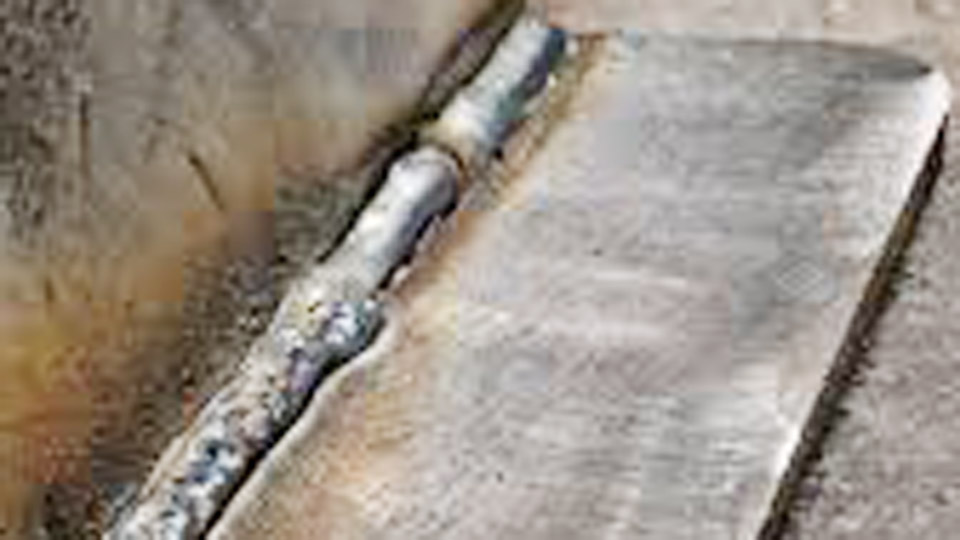
Inage by millerwelds
Why These MIG Mistakes Happen and Why They Matter
MIG (Gas Metal Arc Welding) feeds wire continuously while shielding the puddle with gas. It looks simple, but small errors compound fast. Bad prep leads to contamination. Wrong settings create an unstable arc. Poor technique causes lack of fusion or excessive heat.
In real jobs, these mistakes mean failed inspections, parts that crack under load, or thin sheet metal that warps beyond repair. On thicker material, you lose time and filler metal.
Safety-wise, poor gas coverage or bad technique increases fume exposure and spatter burns. Mastering the “don’ts” builds confidence and professionalism fast.
Mistake #1: Skipping Material Preparation – The #1 Killer of Good Welds
Nothing ruins a MIG weld faster than welding dirty metal. Oil, rust, paint, mill scale, or moisture contaminates the puddle, causing porosity, inclusions, or weak fusion.
What it looks like: Your bead hisses, pops, or leaves tiny holes (porosity). The weld might look okay on top but fails a bend test.
Why it happens: Beginners rush. Pros get complacent on “mostly clean” jobs like field repairs.
How to do it right: Grind or wire-brush to bright metal. Use a dedicated flap disc or grinder for rust and scale. Wipe with acetone or a good degreaser for oil. On aluminum, use a stainless steel brush dedicated to aluminum only. For repairs on painted frames or old equipment, strip back at least 1-2 inches from the joint.
Practical shop tips: Keep a clean workspace. I always have a bench grinder with a wire wheel and a flap disc ready. For production, a dedicated parts washer pays for itself. On galvanized material, remove the coating entirely—zinc fumes are toxic and cause terrible porosity.
Proper prep gives you smooth arc starts and reliable fusion every time.
Mistake #2: Incorrect Voltage and Wire Feed Speed Settings
This is where most new welders struggle. Voltage controls arc length and bead shape. Wire feed speed (WFS) primarily controls amperage and deposition rate. Get them wrong, and you get spatter, lack of penetration, or burn-through.
Too low voltage: Short arc, stubbing, lots of spatter, narrow convex bead.
Too high voltage: Long arc, undercut, flat or concave bead, burn-through on thin stuff.
Wrong WFS: Too slow = cold welds, poor penetration. Too fast = piled-up wire that doesn’t melt properly.
Real-world settings guidance (mild steel, 75/25 Ar/CO2 mix, .030″ wire – common US setup):
- 1/8″ (0.125″) material: ~18-20V, 200-300 ipm WFS, around 125-180 amps target.
- 1/4″ plate: 20-23V, 250-400 ipm depending on joint.
- Thin sheet (18-22 ga): Lower voltage (15-18V) and faster travel, often .023″ or .030″ wire.
Pro tip from the shop floor: Listen for the “bacon sizzling” or “frying eggs” sound. That’s your sweet spot. Start with manufacturer charts or the 1 amp per 0.001″ thickness rule as a baseline, then fine-tune. Test on scrap first—always.
For .035″ wire on heavier material, you’ll push higher settings. Flux-cored (self-shielded) runs hotter and needs different tweaks.
Mistake #3: Wrong Contact Tip to Work Distance (Stickout)
Stickout is the distance from the contact tip to the workpiece. Ideal is usually 3/8″ to 3/4″ for short-circuit MIG.
Too long: Voltage drops at the arc, poor penetration, unstable arc, more spatter.
Too short: Overheating the tip, burn-back into the tip, erratic feeding.
I see beginners holding the gun too far back, especially when trying to “see better.” Keep it consistent. Push or pull technique affects this—pulling (drag) often works great on mild steel for better shielding.
Tip: Mark your gun nozzle or practice keeping your hand steady. On pulse machines or spray transfer, stickout rules change slightly.
Mistake #4: Bad Gun Angle and Travel Speed
Gun angle and travel speed control shielding, penetration, and bead shape.
Common errors:
- Too steep a push angle: Pushes shielding gas away, causes porosity.
- Too slow travel: Excess heat, burn-through, wide beads with undercut.
- Too fast travel: Ropey, narrow beads with poor fusion and lack of penetration.
Best practices: 10-15° push or drag angle. Lead the puddle slightly. Travel speed should let the puddle wash the edges nicely without racing ahead or lagging.
On vertical-up, use a slight weave or whip. Flat and horizontal? Steady push or drag works. Overhead demands tighter control and often slightly lower settings.
Mistake #5: Poor Shielding Gas Flow and Coverage
MIG needs proper gas protection. No gas, wrong gas, leaks, or drafts = porosity city.
Typical flows: 15-25 CFH for most shop work. Too low = contamination. Too high = turbulence pulling in air.
Checks to make:
- Regulator functioning and not frozen.
- Hoses without cracks.
- No wind or fans blowing across the weld.
- Nozzle clean and not clogged with spatter.
For aluminum, pure argon and higher flow. Stainless often uses tri-mix. CO2 is cheaper for mild steel but spatterier.
Always purge the line before starting.
Mistake #6: Ignoring Joint Fit-Up, Preparation, and Position
Poor fit-up causes gaps that lead to burn-through or lack of fusion. Misaligned joints create stress risers.
Bevel thick material for better penetration. Leave small gaps on thicker butt joints but clamp tightly. Tack welds should be strong and spaced properly—grind tacks if needed to blend.
Welding position matters. Flat is easiest. Vertical and overhead require technique adjustments and often smaller wire or adjusted parameters.
Material notes: Mild steel is straightforward with ER70S-6 wire. Stainless needs matching filler and back-purging sometimes. Aluminum demands clean metal, push angle, and specific settings to avoid burn-through due to its high thermal conductivity.
Mistake #7: Equipment and Consumable Neglect
Worn contact tips, wrong liner length, bad ground, or dirty drive rolls kill performance.
- Cut liners to exact length—too short causes feeding issues.
- Use the right tip size for your wire (.030 tip for .030 wire).
- Solid ground clamp close to the weld.
- Clean drive rolls regularly; replace when grooved.
Change tips often—they’re cheap insurance.
Comparison Table: Good vs. Bad MIG Settings (Mild Steel Example)
| Material Thickness | Wire Size | Voltage | WFS (ipm) | Expected Result |
| Thin (<1/8″) | .023-.030″ | 15-19V | 100-250 | Smooth, controlled puddle |
| Medium (1/8-1/4″) | .030-.035″ | 18-22V | 200-350 | Good penetration, minimal spatter |
| Thick (>1/4″) | .035-.045″ | 20-26V | 250+ | Deep penetration, higher deposition |
Always adjust based on your machine, gas, and joint. These are starting points.
Step-by-Step: Setting Up for a Reliable MIG Weld
- Safety first: Helmet, gloves, jacket, boots, ventilation.
- Prep metal to bright and dry.
- Select wire and gas for the job.
- Set machine per charts or test.
- Check ground and gun.
- Test on scrap—listen and look.
- Weld with steady motion.
- Inspect—grind and fix if needed.
Safety Considerations Every Welder Must Know
MIG produces intense UV, spatter, and fumes. Use proper shade (11-13 typically), keep skin covered, and weld in ventilated areas or with fume extraction. Watch for hot metal and compressed gas hazards. Never weld on containers that held flammables without proper purging.
Welding Different Materials with MIG
Mild Steel: Forgiving, ER70S-6 wire, 75/25 gas.
Stainless: ER308/309 series, tri-mix gas, careful heat control to avoid distortion and sensitization.
Aluminum: ER4043 or 5356, 100% argon, push technique, clean thoroughly.
Dissimilar metals: Specialized fillers like 309 for steel to stainless. Test and consider galvanic issues in service.
Advanced Tips for Cleaner, Stronger Welds
- Pulse MIG or synergic machines simplify settings for beginners.
- Back-step technique reduces distortion on long seams.
- Post-weld cleaning and anti-spatter spray save grinding time.
- Keep multiple wire spools handy for different jobs.
I’ve fixed countless “pro” welds that failed because someone skipped one of these basics. Experience teaches you to read the puddle, hear the arc, and feel the gun.
You’re now better equipped to spot and correct these common MIG welding mistakes on the fly. Next time you fire up the machine, take that extra minute to prep, dial in settings, and weld deliberately. Your beads will look better, hold stronger, and you’ll spend less time fixing problems.
Slow down on the setup. The best welders I know spend more time preparing and testing than actually laying beads. That discipline separates hobby welds from professional ones that pass every test.
FAQ: Common MIG Welding Questions
How do I fix excessive spatter in MIG welding?
Reduce voltage slightly, shorten stickout to 3/8-1/2″, clean your metal, and check gas flow. Often it’s a combination of settings and prep. Test increments of 0.5V or 10-20 ipm WFS.
What causes porosity in my MIG welds?
Usually shielding gas issues—low flow, leaks, drafts, dirty metal, or clogged nozzle. Check everything in order: metal cleanliness first, then gas system.
Can I MIG weld without gas (flux core)?
Yes, flux-cored wire works outdoors and on dirty metal, but it produces more smoke and spatter. Settings run hotter, and slag needs chipping. Great for field repairs.
What’s the best wire size for general DIY MIG welding?
.030″ is the sweet spot for most home and light fab shops—handles thin to medium material well on 200-250A machines.
How do I prevent burn-through on thin metal?
Lower voltage and WFS, faster travel speed, smaller wire (.023″), skip welding or stitch, and use copper backing if possible. Practice on scrap of the same thickness.


