The arc looked clean, but the metal around the bead turned dark and crusty faster than I expected. Stainless steel will fool you like that — it seems strong and forgiving, until the heat gets away from you and the surface loses its shine.
I learned quickly that welding stainless at home takes more control than mild steel, but it’s absolutely doable with the right approach.
Wrong settings and poor prep lead to discoloration, cracking, and weak joints that rust around the weld. Through hands-on projects in my own garage, I found that gas choice, heat control, and cleanliness make all the difference. When those are right, stainless welds come out smooth, strong, and corrosion-resistant.
If you want clean, professional-looking stainless welds without ruining your material, keep reading. I’ll walk you through how to weld stainless steel at home, step by step, using simple tools and proven techniques.
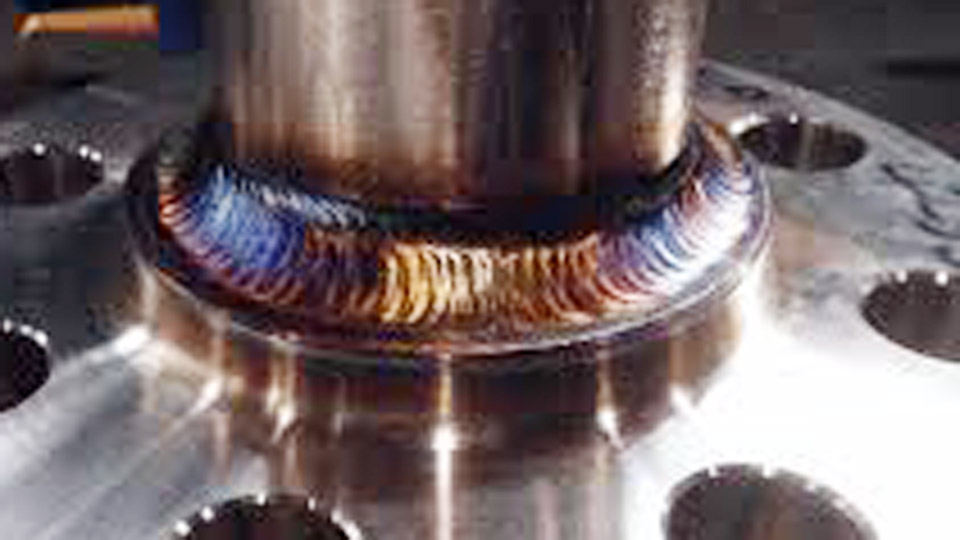
Photo cougartron
Why Stainless Steel Behaves Differently Than Mild Steel
Stainless steel expands more when heated and conducts heat slower than mild steel. That means heat stays concentrated longer, leading to more distortion and potential cracking. Austenitic grades like 304 or 316 (the most common in home projects) are especially prone to warping on thin sheet or tubing.
The chrome in stainless forms a protective oxide layer, but excessive heat can deplete it in the heat-affected zone, making the weld area rust faster. Contamination from carbon steel tools or grinding sparks introduces iron particles that rust and ruin the look and performance.
In my early days, I once welded a stainless sink drain with a mild-steel grinder disc. Weeks later, rust spots appeared around the weld even though the bead looked solid. Lesson learned: stainless demands its own tools and careful heat management.
Which Welding Process Should You Use at Home?
Most home setups run MIG, TIG, or stick (SMAW). Each works on stainless, but they suit different jobs.
- TIG (GTAW): Best for clean, precise welds on thin material. Gives the prettiest beads with minimal cleanup. Requires more skill and a foot pedal for amperage control.
- MIG (GMAW): Fast and forgiving for thicker pieces or repairs. Good penetration with the right gas and wire.
- Stick (SMAW): Simplest—no gas needed, portable, great for outdoor or dirty jobs. Not ideal for very thin sheet under 1/8 inch.
Here’s a quick comparison:
| Process | Best For | Pros | Cons | Home Setup Difficulty |
|---|---|---|---|---|
| TIG | Thin sheet, tubing, appearance | Cleanest bead, precise control | Slower, needs skill and gas | Medium-High |
| MIG | Thicker plate, quick repairs | Faster, easier to learn | Requires tri-mix gas, spatter | Medium |
| Stick | Outdoor, rusty jobs, portability | No gas, cheap electrodes | Rougher bead, slag cleanup | Low |
Pick based on what you own and the project. I use TIG for food-grade or visible work, MIG for structural frames, and stick when I’m in a hurry or away from the shop.
These are classic TIG beads on stainless—smooth, stacked dimes with that signature rainbow tint from good shielding.
Preparing Stainless Steel: The Step You Can’t Skip
Dirty stainless = bad welds. Oil, fingerprints, or mill scale cause porosity or lack of fusion.
- Cut to size with a dedicated stainless blade or shear—avoid carbon-steel abrasives.
- Grind or sand edges with a stainless-only disc.
- Degrease with acetone or alcohol.
- Wire-brush both sides with a stainless brush (red-handled ones are common).
- Clamp pieces firmly—stainless moves more than you think.
I keep separate brushes, clamps, and grinders labeled “SS ONLY.” Cross-contamination is the fastest way to ruin a job.
Choosing the Right Filler Metal and Electrodes
Match the filler to your base metal for corrosion resistance.
- TIG rods: 308L for 304, 316L for 316. Use 1/16” or 3/32” diameter for most home work.
- MIG wire: ER308L or ER316L, 0.030” or 0.035” common.
- Stick electrodes: 308L-16 or 309L-16 for dissimilar metals. 1/8” diameter is versatile.
Never use mild-steel wire or rods on stainless—you’ll get cracking or rust.
Gas Choices: Don’t Use Your Mild Steel Mix
Shielding gas matters a lot.
- TIG: Pure argon, 15-25 cfh.
- MIG: Tri-mix (90% He, 7.5% Ar, 2.5% CO2) for short-circuit, or 98% Ar/2% O2 for spray transfer. Avoid 75/25 Ar/CO2—too much CO2 causes corrosion.
- Stick: No external gas.
Wrong gas shows up as dull, pitted beads or rust later.
Machine Setup and Amperage Settings
Stainless needs lower amps than mild steel—about 10-15% less in TIG, similar in MIG/stick but with tighter control.
TIG (DCEN, argon):
- 1/16” material: 60-90 amps
- 1/8” material: 90-140 amps
- 3/16” material: 120-180 amps
Use pulse if your machine has it to cut heat input.
MIG (DCEP, tri-mix):
- 0.030” wire: 80-140 amps, 16-20 volts, 200-400 ipm wire speed
- 0.035” wire: 100-180 amps, 18-22 volts, 150-350 ipm
Start low and dial up until the puddle flows without burning through.
Stick:
- 1/8” 308L electrode: 80-130 amps DCEN or DCEP (check rod box)
Test on scrap first. Listen for a steady hiss, not popping or crackling.
Step-by-Step: TIG Welding Stainless Steel
TIG is my go-to for home projects that need to look sharp.
- Prep and clamp.
- Set DCEN, sharpen tungsten to a point.
- Strike arc, establish puddle.
- Add filler rod steadily—drip it in, don’t poke.
- Travel at consistent speed, use foot pedal to pulse amps.
- Back-purge with argon on tubing to prevent sugaring inside.
Good TIG work shows even penetration and color without black spots.
Step-by-Step: MIG Welding Stainless Steel
MIG is faster for repairs or frames.
- Install stainless wire, Teflon liner.
- Set tri-mix gas, DCEP.
- Tack pieces, stagger tacks to control heat.
- Short bursts or weave—keep travel speed steady.
- Clean spatter immediately.
These MIG beads are clean and strong after proper gas and settings.
Step-by-Step: Stick Welding Stainless Steel
Great for quick outdoor fixes.
- Use 308L rods, bake if damp.
- Set DCEP for most rods.
- Strike arc, drag technique at 10-15° angle.
- Keep short arc, chip slag between passes.
- Overlap beads for coverage.
Stick beads on stainless show good ripple when done right.
Controlling Heat and Avoiding Distortion
Heat is the enemy on thin stainless.
- Weld short segments, skip around.
- Use back-step technique.
- Clamp with strong fixtures.
- Quench with wet rags if needed (carefully—avoid cracking).
See the warped panel on the left? That’s from continuous welding. Right side stayed flat with staggered passes.
Common Mistakes and How to Fix Bad Welds
- Overheating: Causes warping or burn-through. Fix by lowering amps or pulsing.
- Contamination: Rust spots appear. Grind out, clean, reweld.
- Wrong gas: Dull beads. Switch to tri-mix.
- Poor prep: Porosity. Grind deeper, clean again.
- Too long arc in stick: Spatter. Shorten arc.
Bad weld? Grind flush, inspect for cracks, reweld with better settings.
Safety Essentials for Stainless Welding
Stainless fumes contain hexavalent chromium—nasty stuff. Use a respirator or good ventilation. Wear fresh air system if possible. Leather gloves, jacket, helmet with auto-darkening lens. Keep a fire extinguisher handy.
Wrapping Up the Real-World Lessons
After years of welding stainless in garages and shops, the biggest takeaway is simple: respect the material. Control heat like it’s fragile, keep everything surgically clean, and match your filler and gas exactly. You’ll end up with welds that don’t just hold—they resist rust and look professional.
The next time you fire up the machine on stainless, you’ll know why that bead didn’t turn out last time and how to make it perfect. Always run a test piece first, even on familiar jobs. It saves more time than it costs.
FAQ
Can I weld stainless steel with a flux-core welder?
Yes, but it’s not ideal for clean results. Flux-core stainless wire exists, but you’ll get more spatter and need to clean thoroughly. MIG with gas gives better corrosion resistance.
What causes the rainbow colors on stainless welds?
That’s oxidation from heat—normal in TIG and controlled MIG. Light straw to blue is fine; dark purple or black means too much heat or poor shielding. Clean with pickling paste to restore the passive layer.
How do I stop stainless from warping?
Stagger welds, use clamps, weld short segments, and back-step. Lower heat input with pulse TIG or lower amps. Thicker fixturing helps a lot.
Is 309 rod good for welding stainless to mild steel?
Yes—309L is designed for dissimilar metals. It handles the carbon pickup and reduces cracking risk.
Do I need to post-weld clean stainless?
Always for corrosion resistance and looks. Use pickling paste or electrolytic cleaners to remove heat tint and restore the chrome oxide layer.