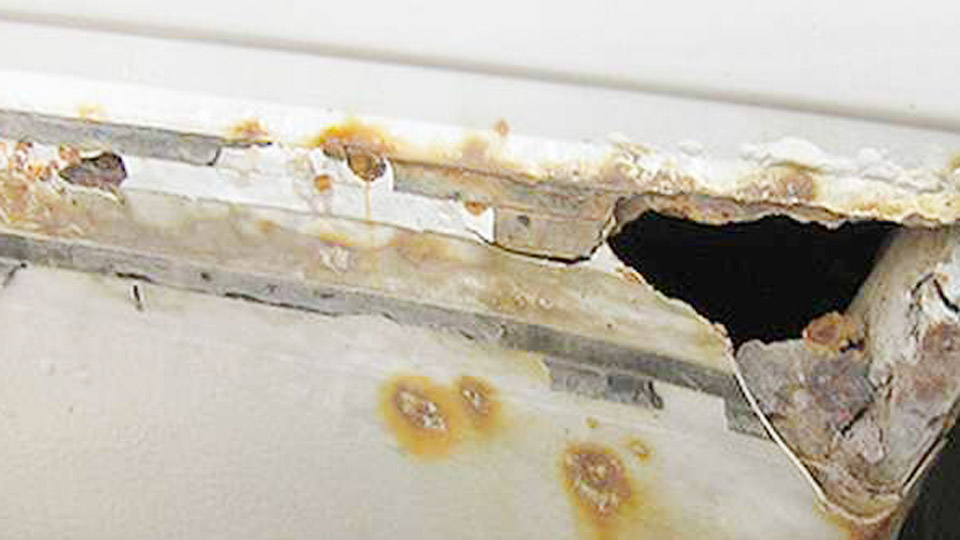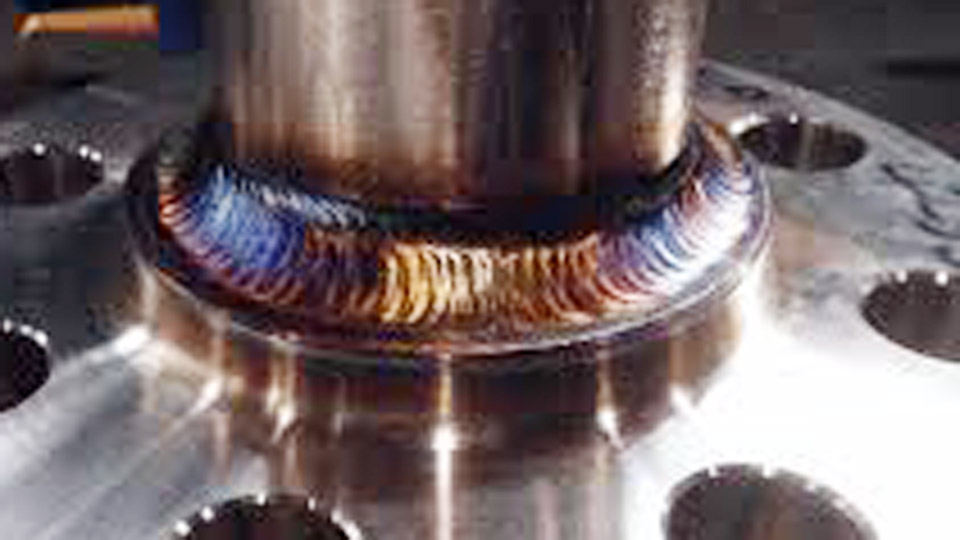
The rod kept sticking, the metal started glowing fast, and before I could react, there was a clean hole where steel used to be. Thin metal has a way of humbling you when you’re running an arc welder, especially if your settings or technique are even slightly off.
I’ve ruined enough sheet metal to learn that stick welding thin material is less about power and more about control.
With an arc welder, thin metal doesn’t give you much forgiveness. Too much heat warps the panel or burns straight through, and rushing the weld usually makes things worse.
Getting it right means safer welds, cleaner beads, and parts that actually hold up instead of cracking later or needing costly rework.
I’ve figured out what works through trial, error, and plenty of grinding. Let me show you the practical techniques I use to weld thin metal with an arc welder—without blowing holes or losing your patience.
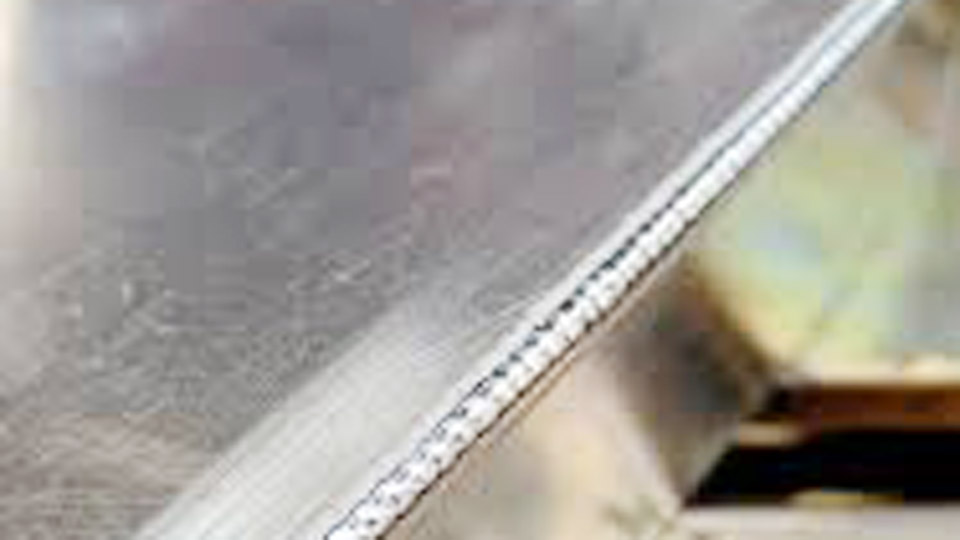
Photo by PRIMEWELD EQUIPMENT USERS
Understanding Thin Metal in Welding
Thin metal isn’t just a vague term; it refers to materials where thickness plays a huge role in how heat affects the workpiece. In arc welding, we’re typically dealing with gauges from 18 down to 24 or even thinner, like 0.030-inch sheets.
That’s the stuff you see in auto body work, trailer frames, or light fabrication. What makes it “thin” is relative— for steel, anything under 1/8 inch starts demanding special attention, while aluminum might feel tricky at 1/16 inch because it conducts heat so differently.
From my experience, thin metal behaves like a sponge for heat. Pump in too much amperage, and it warps faster than you can say “clamp it down.” I’ve seen guys in the shop try to muscle through with standard settings, only to end up with a wavy panel that won’t align properly.
The key is recognizing that thin stock has less mass to absorb energy, so your arc needs to be controlled to avoid melting through or creating brittle zones around the weld.
When you’re working on thin metal, it’s all about balance. You want enough heat for fusion but not so much that it distorts the base material.
This matters in real situations like repairing a motorcycle fender where aesthetics count, or joining thin tubes in furniture where strength without added weight is crucial. Skip this understanding, and you’ll chase problems all day.
Why Thin Metal Welding Can Be Tricky
The challenges stem from heat management. Thin metal heats up quickly and cools unevenly, leading to distortion— that annoying buckling or twisting that throws off your measurements.
I’ve burned through more than my share of 20-gauge steel because I didn’t dial back the amps enough, creating holes that require patches and extra grinding.
Another headache is penetration control. On thicker stuff, you can afford deeper welds, but with thin metal, over-penetration means weak spots or outright failures. Think about welding a thin exhaust pipe: too hot, and it blows out; too cool, and the joint leaks.
Pros know this, but beginners often overlook how the metal’s composition amplifies these issues—stainless steel resists heat differently than carbon steel, for instance.
In the shop, I’ve learned that environmental factors play in too. A drafty workspace can cool the metal unevenly, causing cracks. Or if your material has mill scale or rust, it interferes with arc stability, leading to spatter and poor fusion. Addressing these early saves headaches later.
Choosing the Right Arc Welding Process for Thin Metal
Arc welding covers a few processes, but for thin metal, stick welding (SMAW) is common because it’s versatile and doesn’t require fancy gas setups. It’s what I reach for in field repairs where portability matters. SMAW uses a flux-coated electrode that creates its own shielding gas, making it great for outdoor jobs on thin farm equipment or gates.
How it works: You strike an arc between the electrode and the workpiece, melting both to form the weld pool. For thin metal, the flux helps control spatter and stabilizes the arc at lower amps.
Use it when you need quick setups on dirty or painted surfaces— the flux burns through contaminants better than some other methods.
But SMAW isn’t always ideal for the thinnest stuff. If you’re dealing with ultra-thin sheets like 24-gauge, consider switching to TIG for precision. I’ve used TIG on aluminum boat hulls where control is everything—no filler if you don’t need it, just pure heat management.
When TIG or MIG Might Be Better Than Stick
While we’re focusing on arc welders, which often mean stick setups in many shops, don’t overlook MIG or TIG for thin metal. MIG shines with its continuous wire feed, allowing faster travel speeds that reduce heat input.
I’ve switched to MIG for long seams on thin trailer panels because it minimizes distortion—set it to short-circuit transfer mode for low-heat applications.
TIG, on the other hand, gives you foot-pedal control over amps, perfect for pulsing heat on thin alloys. Why use it? When appearance matters, like in custom motorcycle frames, TIG avoids the slag cleanup of stick welding.
In my experience, pros reserve TIG for high-end work, but if your arc welder has TIG capabilities, it’s worth practicing.
Stick welding thin metal works well for budget setups, but if warpage is a constant battle, MIG’s speed might save the day. Each process has its place based on your machine and job.
Selecting the Proper Electrode for Thin Metal
Electrodes are your ammunition in stick welding, and picking the wrong one is like using a sledgehammer for finish carpentry. For thin metal, go for smaller diameters—1/16 inch or 3/32 inch—to keep heat low and focused.
I’ve favored E6013 rods for mild steel because they’re easy to strike and produce smooth beads with minimal spatter.
What it is: Electrodes are metal rods coated in flux, classified by tensile strength, position, and coating type. E6010 digs deep but can be too aggressive for thin stuff; E7018 offers low-hydrogen for cleaner welds but needs dry storage to avoid porosity.
How to choose: Match the electrode to your metal’s thickness and type. For 18-gauge steel, a 1/16-inch E6013 at 40-60 amps works wonders. I’ve learned the hard way that oversized rods lead to excessive heat and burn-through—stick to smaller ones for control.
Matching Electrode to Metal Type
Not all metals play nice with the same rods. For carbon steel, E6013 or E7014 are forgiving on thin sheets, providing good arc stability. Stainless calls for E308L-16 to prevent cracking, while aluminum needs specialized AC setups with E4043.
In practice, I’ve matched electrodes by considering alloy content—high-nickel rods for corrosion-resistant jobs like food-grade tanks. Mismatched fillers cause weak joints that fail under load.
A tip: Always check the AWS classification on the box; it’s your roadmap to compatibility.
Common mistake: Using DC rods on AC machines, leading to unstable arcs. Test on scrap first—I’ve saved projects that way.
| Electrode Type | Best For | Diameter for Thin Metal | Amperage Range | Pros | Cons |
|---|---|---|---|---|---|
| E6013 | Mild steel sheets | 1/16″ – 3/32″ | 30-70A | Smooth bead, easy start | Less penetration |
| E7018 | Structural thin plates | 3/32″ | 50-80A | Strong, low hydrogen | Needs oven storage |
| E308L-16 | Stainless thin gauges | 1/16″ | 40-60A | Corrosion resistant | Pricier |
| E6010 | Dirty thin metal | 3/32″ | 40-70A | Deep dig | Rough bead |
This table boils down what I’ve used in the field—reference it when stocking your shop.
Setting Up Your Arc Welder for Success
Your machine is the heart of the operation, and setup separates good welds from junk. For thin metal, start with DC electrode positive (DCEP) for most rods—it gives better penetration control. I’ve wired up Lincoln and Miller machines this way for years, and it handles thin stock without drama.
Amperage is king here. Too high, and you melt through; too low, and you get cold laps. For 20-gauge steel with a 1/16-inch rod, aim for 35-50 amps. Adjust based on feel—the arc should sound like frying bacon, not popping fireworks.
Prep the machine: Clean terminals, check cables for frays, and ground close to the weld area to minimize resistance. In my shop, poor grounds have caused erratic arcs more times than I can count—always double-check.
Dialing in the Perfect Amperage
Amperage ranges depend on material and thickness. For mild steel under 1/8 inch, 40-70 amps is a sweet spot with small rods. Aluminum? Drop to 30-50 amps on AC to avoid overheating.
How it works: Higher amps melt faster, but on thin metal, that means distortion. I pulse the arc manually—short bursts to build the puddle without dwelling. Why? It lets heat dissipate, keeping the panel flat.
Shop tip: Use a digital meter if your welder has one; older analogs can drift. I’ve fine-tuned settings on jobs like welding thin brackets by starting low and creeping up until the bead flows right.
Joint Preparation: The Foundation of a Good Weld
Joint prep is non-negotiable for thin metal—skip it, and your weld won’t hold. Clean the edges with a wire brush or grinder to remove oxide, paint, or grease. I’ve seen contamination cause porosity that looks like Swiss cheese in the bead.
For butt joints on thin sheets, bevel lightly if needed, but often a square edge suffices with proper fit-up. Tack weld every few inches to hold position— this prevents gaps that lead to burn-through.
Techniques: Use backing bars for support on very thin stuff; copper dissipates heat well. In repairs, I’ve clamped thin patches with magnets to ensure flush fits.
Why prep matters: It ensures full fusion without excess filler, keeping weight down in lightweight assemblies.
Anecdote: Once, on a thin gate repair, rushed prep led to undercut edges. Lesson learned—take the time, or pay later in fixes.
Step-by-Step Guide to Welding Thin Metal with Stick
Let’s break this down like I’m showing you in the booth. First, gear up: helmet, gloves, jacket—safety isn’t optional.
Step 1: Select your rod and set amps low. Strike the arc on scrap to test—adjust until it’s stable.
Step 2: Position the workpiece flat if possible; gravity helps control the puddle on thin metal.
Step 3: Hold the electrode at a 15-20 degree angle, dragging it toward you for better visibility.
Step 4: Start with short tacks, spacing them to minimize heat buildup.
Step 5: Run the bead in segments—weld 1-2 inches, pause to let cool, then continue. This “stitch” method prevents warpage.
Step 6: Watch the puddle; it should be small and controllable. If it spreads too much, back off the amps.
Step 7: Chip slag and inspect—look for uniform ripple without undercuts.
I’ve used this on thin exhaust repairs countless times; it turns potential disasters into solid fixes.
For vertical welds on thin panels, go uphill with lower amps to fight gravity—practice on scrap first.
Common Mistakes Even Pros Make on Thin Metal
Beginners often crank amps too high, thinking more heat means better fusion—wrong. It leads to holes and distortion. I’ve done it early on, fixing a thin toolbox only to warp the lid.
Pros sometimes forget rod angle, causing undercut where the bead eats into the base metal. Fix: Maintain that drag angle and weave slightly if needed.
Another pitfall: Dirty materials. Rust or oil causes spatter city—always degrease.
Over-welding is sneaky; too much filler adds weight and heat. Stick to minimal passes.
To avoid: Test settings, clean thoroughly, and weld in bursts. These habits have saved me hours in the shop.
Safety Considerations You Can’t Ignore
Welding thin metal amps up risks because heat builds fast, potentially igniting nearby flammables. Always clear your area—I’ve had sparks start smolders on rags more than once.
UV rays from the arc can flash-burn eyes, so use a helmet with shade 8-10 for low amps. Gloves protect from spatter, but on thin work, watch for heat conduction through the metal.
Fumes are a big deal with coated rods; ventilate or use a respirator, especially indoors. Thin metal jobs often involve alloys that release toxic vapors—zinc on galvanized steel is a killer.
Pro tip: Ground properly to avoid shocks, and never weld wet surfaces.
Troubleshooting Bad Welds on Thin Metal
If your bead looks porous, check for moisture in rods—bake them if needed. Undercut? Slow your travel speed.
Burn-through holes: Lower amps or use a chill bar behind the joint. I’ve patched many by grinding and re-welding with finer control.
Warped panels: Clamp securely and weld alternately on both sides if possible. For fixes, heat-straightening with a torch works, but carefully.
Cold laps—where the bead doesn’t fuse—mean amps too low or travel too fast. Re-melt and add filler.
These troubleshooting steps come from real shop floors; apply them, and your success rate skyrockets.
Wrapping Up
Welding thin metal with an arc welder demands respect for the material’s limits, but once you nail the balance of heat, rod choice, and technique, projects flow smoother. You’ll spot issues before they escalate, like that subtle warp starting mid-bead, and adjust on the fly.
This skill set turns frustrating jobs into satisfying ones, whether you’re a hobbyist building a custom grill or a pro fabricating prototypes. Remember, practice on scraps builds intuition that no manual can teach.
Always let the metal tell you when it’s ready—feel the heat with your hand (safely) between passes; if it’s too hot to touch, wait longer to avoid cumulative distortion.
FAQs
Can you weld thin metal without warping it?
Absolutely, but it takes planning. Use low amps, short welds, and clamps to hold shape. I’ve prevented warps on thin doors by tacking extensively and alternating sides—keeps heat even.
What amperage should I use for 18-gauge steel?
Start at 40-60 amps with a 1/16-inch E6013 rod. Test on scrap; if it burns through, drop 5 amps. In my experience, 50 amps hits the sweet spot for clean fusion without excess heat.
Is stick welding better than MIG for thin metal?
Stick is more portable and handles dirty metal well, but MIG reduces distortion with faster speeds. For garage DIY, stick suffices; shop pros often prefer MIG for volume.
How do I fix a hole from burning through thin metal?
Grind the edges clean, back with copper if possible, and patch with low-amp stitches. I’ve salvaged thin tanks this way—patience is key to avoid repeating the mistake.
What electrode is best for welding thin aluminum?
Use E4043 on AC with 1/16-inch diameter at 30-50 amps. Clean the oxide layer thoroughly; I’ve found argon shielding helps if your machine allows hybrid setups.