The bead looked perfect while I was flat on the table, but the moment I went vertical, the puddle started to sag and run. Same machine, same settings — totally different result. That’s when it hit me: welding positions change everything.
In real shop work, flat, horizontal, vertical, and overhead welding each behave differently because gravity is always working against you.
I learned through hands-on jobs that knowing how each position affects the puddle, penetration, and travel speed is what separates clean welds from messy ones. When you understand the position, you stop fighting the metal and start controlling it.
If you’ve ever wondered why a weld works in one position but fails in another, keep reading. I’ll break down welding positions in a clear, practical way so you can handle any joint with confidence.

The Four Main Welding Positions Every Welder Needs to Know
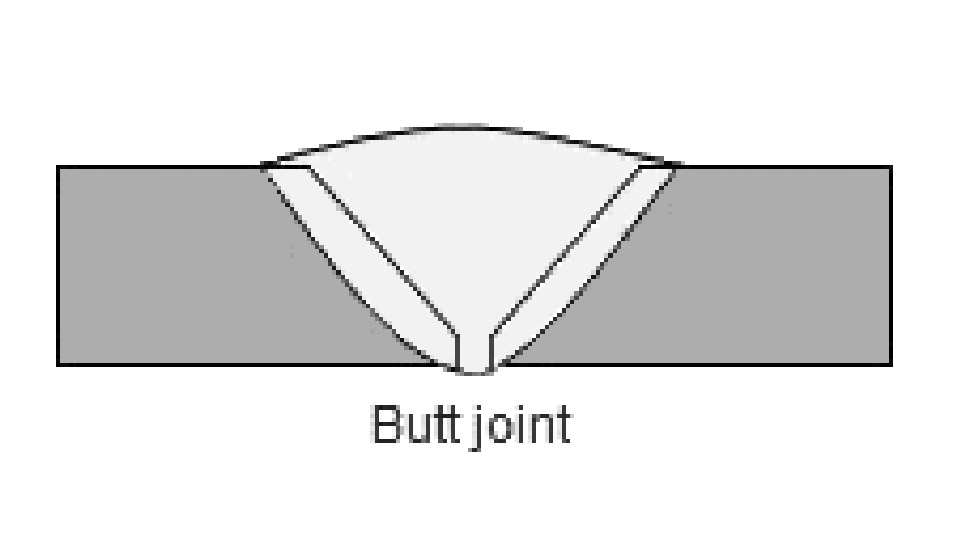
The American Welding Society (AWS) classifies the primary plate positions with simple codes: 1G/1F for flat, 2G/2F for horizontal, 3G/3F for vertical, and 4G/4F for overhead. The “G” stands for groove welds (butt joints) and “F” for fillet welds (T-joints or laps). These aren’t arbitrary—they reflect how gravity acts on the weld pool.
Flat position (1G/1F) is the gold standard for beginners and production work. The joint lies horizontal, and you weld from above. Gravity pulls the pool down into the joint, giving you excellent penetration and easy slag control. Most structural work, plate fabrication, and repair jobs start here when possible.
Horizontal position (2G/2F) means the weld axis runs horizontally on a vertical surface. One plate is flat, the other vertical. Gravity now pulls the molten metal toward the lower toe, so you have to fight for a flat bead profile.
Vertical position (3G/3F) puts the weld axis vertical. You can weld uphill (against gravity) for maximum strength or downhill (with gravity) for speed on thinner material. Structural codes almost always require uphill for critical joints.
Overhead position (4G/4F) is welding from underneath the joint. Gravity wants to drop everything in your face—puddle, slag, spatter. It’s the most physically demanding and technically challenging.
Welding Positions Explained
Select a position to see details
Why Welding Positions Actually Matter in the Real World
Positions aren’t just about comfort. They directly impact safety, mechanical properties, and shop profitability.
In flat, you can run higher amperage and faster travel speeds, which means higher deposition rates and less time per foot of weld. Move to vertical or overhead and you drop amps to control the pool, slowing everything down. That extra time adds up on big jobs.
Penetration changes too. Flat gives deep, reliable fusion with less effort. Overhead often delivers shallower penetration unless you adjust technique and settings aggressively. Distortion follows the same pattern—flat lets heat dissipate more evenly, while vertical uphill can pull plates in unexpected ways if you don’t balance your passes.
Rod burn-off, slag behavior, and arc stability all shift. A 7018 that runs like butter in flat can turn stubborn and cold in overhead if you don’t lower the amps and shorten the arc. Cost of rework skyrockets when you choose the wrong position or fail to adapt.
I’ve seen experienced welders blow qualification tests because they practiced everything flat but showed up for a 3G plate test cold. Don’t let that be you.
Flat Position Welding: Build Confidence and Speed Here First
Flat is where most of us cut our teeth, and for good reason. The puddle sits nicely, slag floats to the top, and you can see exactly what’s happening.
How it works: The joint is below the electrode. Gravity assists fusion. You can use a slight drag or circular motion, or a small weave on wider grooves.
When to use it: Anytime the part can be positioned this way—table work, plate splicing, building frames on the bench. It’s the go-to for production and repair when rotation is possible.
Practical settings for common U.S. rods:
- 1/8″ 7018: 110–150 amps DC+
- 1/8″ 6010: 90–130 amps DC+
- 3/32″ 6013: 70–110 amps (great for thin stuff or practice)
Shop-floor tips:
- Keep a 10–15° drag angle.
- Maintain a medium arc length—about the diameter of the rod.
- Clean between passes religiously. Even in flat, trapped slag kills the next pass.
- For groove welds, use a root pass with 6010 for deep penetration, then cap with 7018 for toughness.
I once watched a young apprentice lay down beautiful flat beads at 140 amps on 1/8″ 7018, then struggle when we flipped the assembly. The lesson stuck: master flat first, then graduate.
Horizontal Position: Controlling the Sideways Pull
Horizontal feels like the first real test of control. The puddle wants to sag toward the bottom plate, creating undercut on top and rollover on the bottom.
How it works: You weld along a horizontal line on a vertical plane. The electrode angle becomes critical—typically 10–20° upward tilt to push metal against gravity.
When to use it: T-joints on columns, beam connections, tank fabrication where you can’t rotate the part easily.
Technique adjustments:
- Use a tighter arc than flat.
- Slight weave or triangular motion helps build the shelf.
- Travel speed a bit faster than flat to freeze the puddle before it sags.
Recommended settings:
- 1/8″ 7018: 105–140 amps (start 10–15 amps lower than flat)
- Smaller diameter rods (3/32″) give better control on thinner horizontal joints.
Common mistake I see: running the same amperage as flat. The puddle gets too fluid and gravity wins. Drop the amps, shorten the arc, and angle the rod to “push” the pool up.
Vertical Welding: Uphill vs Downhill – Choose Based on the Job
Vertical separates hobbyists from professionals in many code jobs.
Uphill (3G up) builds a series of shelves. Start at the bottom, pause at the sides to let the puddle freeze, then move up. This gives excellent penetration and mechanical properties—preferred for structural steel, pressure vessels, and anything that sees load or impact.
Downhill (3G down) is faster and works well on thin material or root passes where speed matters more than maximum strength. The puddle runs ahead, so you need fast travel and often a different rod (6010 or 6011 excel here).
How to decide: If the print or code calls for it, go uphill. For sheet metal repairs or quick tacks on light fab, downhill saves time.
Settings and technique:
- 1/8″ 7018 uphill: 90–125 amps (lower end for better control)
- Use a whipping or stacking motion—move up, pause, move up.
- Keep the rod almost perpendicular or slight push angle.
- Clean starts are everything; a dirty root kills vertical.
I’ve burned through a lot of 7018 learning to “stack dimes” uphill. The key that finally clicked: lower amperage than you think you need, and let the rod do the work instead of forcing it.
Overhead Position: The Ultimate Test of Technique and Nerves
Overhead is where reputations are made or broken. Everything wants to fall—molten metal, slag, even your confidence if you’re not prepared.
How it works: You’re welding against gravity. The pool forms upside down, so surface tension and quick freezing are your only friends.
When to use it: Field repairs, pipe supports, shipyard work, or any situation where the part can’t be flipped.
Critical adjustments:
- Drop amperage significantly—often 15–25% lower than flat.
- Use the smallest practical rod diameter.
- Very short arc length (almost a drag).
- Fast travel speed and small weave or straight stringer beads.
- Body position matters—get directly under the joint when possible, or use a comfortable stance that lets you see the puddle without straining your neck.
Rod choices:
- 7018 still works but demands clean metal and perfect technique.
- Some welders prefer 6010 or 6011 for the first pass because they dig and freeze faster.
Overhead produces more spatter and falling slag. Double-check your leathers, keep your hood down, and wear a cap or skull cap under the helmet. I’ve had hot slag find its way down my collar more times than I care to admit.
Electrode Selection and Amperage: Matching the Position to the Rod
Here’s a practical comparison based on what actually works in American shops with common Lincoln, Miller, or Hobart machines on mild steel:
| Electrode | Diameter | Flat Amps | Horizontal Amps | Vertical Uphill Amps | Overhead Amps | Best For |
|---|---|---|---|---|---|---|
| 7018 | 3/32″ | 70-110 | 65-100 | 60-95 | 60-90 | All-position structural, low hydrogen |
| 7018 | 1/8″ | 110-150 | 105-140 | 90-125 | 90-120 | Most common shop work |
| 6010 | 1/8″ | 90-130 | 85-120 | 80-115 | 80-110 | Root passes, deep penetration |
| 6013 | 1/8″ | 80-130 | 75-120 | 70-110 | Not ideal | Light fabrication, easy arc |
Always start on the low side when moving out of position and adjust up until the puddle flows without sagging. Machine brand and input voltage matter—test on scrap.
Joint Preparation That Makes Every Position Easier
Clean metal is non-negotiable, but preparation changes slightly by position.
- Bevel groove joints properly (30–35° typical for open root).
- Remove mill scale, rust, oil, and paint.
- In vertical and overhead, leave a slightly tighter root opening—gravity will pull the pool through more easily.
- Tack welds must be strong enough to hold but not so big they interfere with the final pass.
- For overhead, preheat if the material is thick or cold—it helps the pool wet out instead of balling up.
Troubleshooting Bad Welds by Position
Flat: Lack of penetration usually means amps too low or travel too fast. Fix: increase heat, slow down.
Horizontal: Undercut on the top toe is classic. Fix: angle rod upward more, add a slight pause on the top side of the weave.
Vertical uphill: Sagging or cold laps—too much heat or poor shelf technique. Fix: lower amps, tighter weave, pause longer at toes.
Overhead: Convex beads or trapped slag. Fix: shorter arc, faster travel, smaller beads, multiple passes instead of one fat one.
Real Shop Lessons I’ve Learned the Hard Way
Early in my career I tried running 1/8″ 7018 at flat settings in overhead on a pipe support repair. The puddle fell, slag rained down, and I spent twice as long grinding it out. Lesson: respect the position and adjust everything—amps, rod angle, travel speed.
Another time, a vertical 3G qualification test. I rushed the root and got lack of fusion on the sides. The inspector failed it instantly. Since then I always do a deliberate “keyhole” technique on the root and take my time.
These aren’t failures—they’re tuition. Every pro welder has stories like this.
Putting It All Together in Your Shop
The best welders don’t just know the positions—they anticipate them. When you get a new job, ask yourself: Can I reposition the part? If not, which position will give me the strongest, cleanest result with the least hassle? Then dial in the machine, grab the right rod, and weld with intention.
Practice on scrap in every position. Film yourself if possible. You’ll see exactly where the puddle is misbehaving and correct it faster.
One Last Pro Tip Before You Fire Up the Machine
The real secret isn’t fancy equipment or exotic rods. It’s developing “puddle feel”—that intuitive sense of how the molten metal is behaving under the arc. Once you have that, the position becomes secondary. You adapt naturally.
Keep your hood down, your mind focused, and remember: every great welder started exactly where you are right now—staring at a joint that looked impossible until they understood the position.
FAQ
What’s the easiest welding position for beginners?
Flat (1G/1F). Gravity works with you, the puddle is visible and forgiving, and you can run higher amperage for smoother beads. Master this before moving on.
Can I use the same rod and settings for all positions?
Rarely. All-position rods like 7018 work everywhere, but you must lower amperage and change technique as you move out of flat. Running flat settings in overhead almost always causes problems.
How do I stop the weld from sagging in overhead?
Drop amps 15–25%, use a shorter arc, smaller diameter rod, and travel faster. Build the bead in multiple thin passes rather than one heavy one. A slight circular or whipping motion helps too.
What’s the difference between uphill and downhill vertical welding?
Uphill gives deeper penetration and better mechanical properties but is slower. Downhill is faster and works well on thin material or root passes but usually has less penetration and is restricted in many structural codes.
Do welding positions matter as much for MIG as they do for stick?
Yes, though MIG is more forgiving thanks to shielding gas and wire feed. You still need to adjust voltage, wire speed, and gun angle in vertical and overhead. Flux-cored wire behaves more like stick in out-of-position work.