

The sparks bounced off the floor, the arc wandered, and the bead looked nothing like what I’d seen in videos. Setting up a home welding space feels exciting — until you realize how many little things can go wrong at once.
I’ve learned through real garage projects that starting to weld at home is less about having the fanciest machine and more about learning the basics the right way.
Without proper setup, safety habits, and simple practice routines, it’s easy to waste metal, burn through parts, or hurt yourself. The good news is you don’t need a full shop to make strong, clean welds — you just need the right approach. Once the fundamentals click, everything else gets easier.
If you’re ready to stop guessing and start building real skills, keep reading. I’ll walk you through how to start welding at home, step by step, so you can weld with confidence from your own garage.
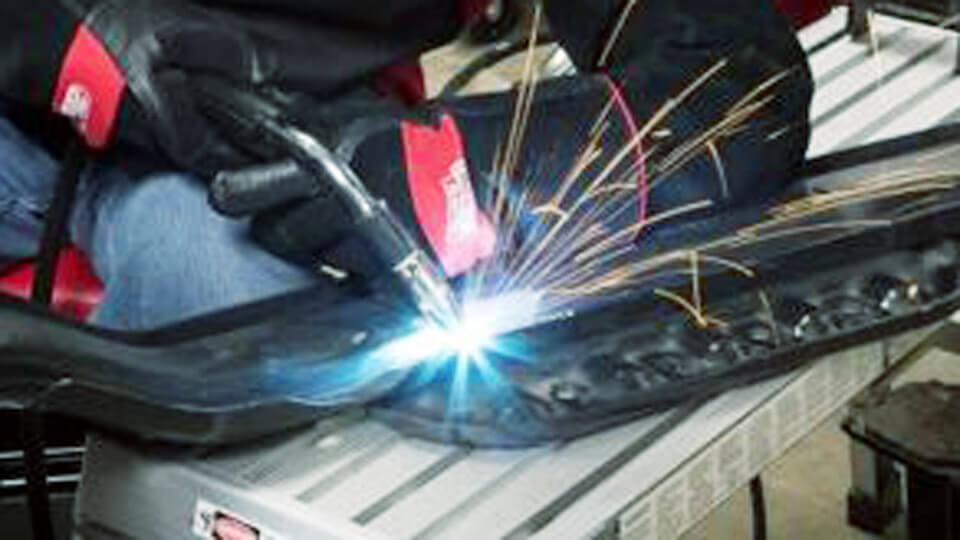
Photo makezine
What Equipment Should You Buy First When Starting to Weld at Home?
Don’t rush to the biggest machine on the shelf. Start with what matches your power supply and the kind of work you’ll actually do. Most home shops in the US run on 110V or 220V outlets. A good entry-level inverter welder (140–200 amps) gives you portability and decent duty cycle without tripping breakers.
Core items you need:
Welder: Look for a machine that handles stick and flux-core at minimum. Multi-process units that add MIG or TIG capability are worth the extra cost once you’re hooked.
Electrodes or wire: Begin with 6013 or 7018 rods for stick, or 0.030″ flux-cored wire for MIG-style welding.
Clamps and tools: At least four strong C-clamps or locking pliers, an angle grinder with flap and grinding discs, a wire brush, chipping hammer, and soapstone for marking.
Basic accessories: Welding table or firebrick surface, ground clamp with good cable, and extra tips/nozzles if going MIG route.
In my shop, I started with a basic 110V flux-core machine because it didn’t need gas and handled outdoor repairs well. Within six months I upgraded to a 220V multi-process unit because the higher amperage and smoother arc made a huge difference on thicker material.
Total starter cost can stay under $600 if you buy used or entry-level gear, but invest in quality cables and a good helmet—you’ll use them every session.
Which Welding Process Works Best for Home Use?
Not every process suits a garage setup. Here’s the honest breakdown from someone who’s run all of them at home.
Stick Welding (SMAW)
This is the classic. It uses coated electrodes (rods) and works on dirty, rusty, or painted metal. You can weld outdoors, and machines are simple and affordable. Downside? More slag cleanup, starts and stops every rod length, and a steeper learning curve for arc control.
I reach for stick when repairing old farm gates or thick structural steel. It’s forgiving on fit-up but demands practice to avoid sticking the rod or leaving slag inclusions.
Flux-Cored and Gas MIG
Flux-cored (self-shielded) is my top recommendation for most beginners at home. It’s like MIG but without gas bottles—perfect for drafty garages. Once you’re comfortable, switching to gas-shielded MIG gives cleaner welds and less spatter on thinner material.
MIG shines on auto body, furniture, and sheet metal. Travel speed is faster, and the continuous wire means fewer interruptions. The trade-off is sensitivity to wind and the need for clean metal.
TIG Welding
Save this for later. It delivers the cleanest, most precise welds and handles aluminum beautifully, but it’s slower, requires both hands, and demands pristine joint prep. I use TIG for custom motorcycle parts or stainless exhaust work when appearance and strength matter most.
Quick Comparison
| Process | Best For | Learning Curve | Gas Needed? | Outdoor Use | Cleanup |
|---|---|---|---|---|---|
| Stick (SMAW) | Repairs, thick steel | Medium | No | Excellent | High (slag) |
| Flux-Cored | General home fab | Low | No | Good | Medium |
| Gas MIG | Thin metal, appearance | Low | Yes | Poor | Low |
| TIG | Precision, aluminum | High | Yes | Poor | Very low |
Start with flux-cored or stick. You’ll make mistakes faster and learn more quickly.
How to Choose a Welder That Fits Your Home Shop
Focus on three things: power source, duty cycle, and features. A 110V machine limits you to lighter work (up to about 1/4″ steel comfortably), while 220V opens up heavier fabrication. Many modern inverters auto-detect voltage and are surprisingly lightweight.
Duty cycle matters when you’re running long beads or multiple passes. A 20–30% duty cycle at max amps is common on budget units—fine for short sessions, but you’ll wait for cooldown on bigger jobs.
Look for adjustable inductance (on MIG) or hot start/arc force (on stick) to help with starts and puddle control. Digital displays help once you understand what the numbers mean, but I still trust analog machines that just work when power fluctuates.
Safety Gear: What You Must Have Before Striking an Arc
I’ve watched too many people learn the hard way. Proper gear isn’t optional.
- Helmet: Auto-darkening with at least shade 9–13 adjustment. Fixed-shade lenses are cheaper but slower for setup.
- Gloves: Leather, gauntlet style that covers your wrists. Keep a spare pair— they wear out.
- Jacket or sleeves: Flame-resistant leather or heavy cotton. Never weld in synthetics that melt.
- Boots: High-top leather with steel toes if you’re moving heavy steel.
- Respirator: For indoor work or galvanized material. Fumes are no joke.
- Extras: Safety glasses under the helmet, ear plugs, and a fire extinguisher within arm’s reach.
Ventilation comes next—more on that below. Never weld without clearing the area of flammables and having water or a extinguisher ready. One stray spark on cardboard taught me that lesson permanently.
How to Set Up a Safe Welding Area in Your Garage
Concrete floors are ideal. Wood or carpet is a fire waiting to happen. Clear a 10×10 foot zone minimum and cover nearby surfaces with welding blankets or sheet metal.
Ventilation is critical. Welding fumes rise, so an exhaust fan pulling air out at ceiling level or a fume extractor arm makes a huge difference. I run a simple box fan in a window blowing outward and crack another window for cross-flow. For heavy sessions, I wear a respirator with organic vapor cartridges.
Ground your machine properly. Poor grounding causes erratic arcs and can shock you through damp floors. Keep cables off the ground to avoid trip hazards and damage.
Fire safety checklist I follow every time:
- Clear 35-foot radius of flammables
- Have charged ABC extinguisher
- Wet down nearby areas if needed
- Never leave hot metal unattended
A dedicated welding cart that holds the machine, gas bottle (if used), and tools keeps everything organized and mobile.
Picking the Right Electrodes for Home Projects
Electrode choice affects penetration, arc stability, and final strength.
- 6013: Easy arc, low spatter, great for thin to medium mild steel and all positions. Beginner favorite.
- 7018: Low-hydrogen, stronger welds for structural work. Needs dry storage—bake if it’s been exposed to moisture.
- 6010/6011: Deep penetration, good on rusty metal or root passes. More aggressive arc.
Rod diameter should match material thickness. Use 3/32″ for material under 1/8″, 1/8″ for 1/8″–1/4″, and 5/32″ for heavier stuff.
Store rods in a dry box or sealed container. Damp 7018 rods cause hydrogen cracking— I’ve repaired cracked welds caused by this exact issue.
Finding the Sweet Spot: Amperage Settings That Deliver
Amperage is the single biggest variable beginners struggle with. Too low and you get poor fusion and sticking. Too high and you burn through or create excessive heat and distortion.
General rule: 1 amp per 0.001″ of rod diameter as a starting point, then adjust. Real-world testing on scrap is essential.
Here’s a practical chart for common mild steel electrodes (DC+ polarity unless noted):
| Rod Diameter | 6013 Amps | 7018 Amps | Typical Material Thickness |
|---|---|---|---|
| 3/32″ | 45–90 | 70–110 | Up to 1/8″ |
| 1/8″ | 80–130 | 115–165 | 1/8″–1/4″ |
| 5/32″ | 105–180 | 150–220 | 1/4″ and thicker |
Start in the middle of the range on clean scrap, then fine-tune. Watch the puddle—if it’s too small and the rod sticks, increase amps slightly. If it’s overly fluid and you’re burning through, drop it. Travel speed also affects heat input. Slower = more heat.
I keep a notebook with settings for common jobs. Saves time and prevents repeating mistakes.
Step by Step: Striking Your First Arc and Running a Bead
- Prep — Clean the joint thoroughly. Grind or wire-brush rust, paint, and mill scale.
- Set machine — Polarity, amperage, and polarity (most home stick is DCEP).
- Clamp work — Solid ground connection close to the weld.
- Strike the arc — Drag method: tilt rod 10–15° in travel direction, scratch like a match, then lift to maintain 1/8″ arc length (about rod diameter).
- Run the bead — Keep consistent speed and angle. Watch the puddle edges for good tie-in.
- End the weld — Pause slightly to fill the crater, then quickly pull away.
Practice on flat plate first. Do short 2–3 inch beads, chip slag, inspect, then repeat. Focus on steady hand movement—rest your glove on the table for support.
Joint Preparation: The Step Most Beginners Skip
Clean metal = 80% of a good weld. Grind to bright metal, remove all scale, and ensure tight fit-up. Gaps cause lack of fusion.
For thicker material (>1/4″), bevel edges to 30–35° for better penetration. Tack welds should be small and ground flush if they’ll be part of the final weld.
On thin sheet, back the joint with copper or aluminum to prevent burn-through. I learned this after warping a trailer panel because I didn’t account for heat input.
Technique Tips for Clean, Strong Welds Every Time
- Arc length: Keep it short—roughly the diameter of the rod core. Long arcs cause spatter and weak welds.
- Travel angle: 10–15° drag (pull) for most stick welding.
- Work angle: 90° to the surface for flat, adjust for fillets.
- Speed: Move just fast enough that the puddle follows without flooding ahead.
- Weave vs stringer: Stringers for most home work. Weave only when you need to fill wide gaps or build up.
Pause at the edges of a weave to tie in and prevent undercut. I tell every new welder: “Chase the puddle, don’t lead it.”
Fixing Common Weld Problems Before They Ruin Your Project
- Porosity (holes in weld): Caused by dirty metal, damp rods, or poor gas coverage. Fix: Clean better, dry rods, check settings.
- Undercut: Groove along the toe. Usually from amps too high or travel too fast. Lower heat, slow down, proper angle.
- Lack of fusion: Cold weld that doesn’t tie in. Increase amps or slow travel speed.
- Burn-through: Too much heat on thin material. Lower amps, faster travel, or smaller rod.
- Excessive spatter: Wrong polarity, long arc, or dirty metal. Shorten arc, clean surface.
Grind out defects and reweld. Don’t try to weld over bad areas—it just hides problems.
Beginner-Friendly Projects to Practice Your Skills
Start simple and progress:
- Welding cart or table (builds layout and multiple joint skills)
- Fire pit or grill grate
- Tool rack or bracket for the shop
- Small trailer repairs
- Metal garden bench or planter boxes
My first real project was a welding table from scrap angle iron. It taught me fit-up, tacking, and distortion control. Every bead improved after that.
When It’s Time to Upgrade Your Home Welding Setup
You’ll know when your current machine overheats constantly, limits material thickness, or when you want to tackle aluminum or stainless regularly. Adding a spool gun for MIG aluminum or a dedicated TIG machine opens new doors.
Until then, master what you have. Skill beats equipment every time.
Final Thoughts
After grinding through my share of ugly beads and fixing plenty of my own mistakes, the biggest lesson is this: welding rewards patience and preparation. Start small, practice on scrap, and inspect every weld critically. You’ll quickly move from struggling to strike an arc to confidently repairing or building whatever your projects demand.
Keep your rods dry, your metal clean, and your safety gear on. The next time you need a strong joint or a custom bracket, you’ll reach for the welder instead of the phone. That’s when you know you’ve truly started welding at home.
FAQ
What’s the cheapest realistic way to start welding at home?
A 110V flux-cored welder, basic PPE, angle grinder, and a few packs of wire or rods will get you going for around $400–600. Focus on practice rather than fancy accessories at first.
Can I weld rusty or painted metal at home?
Yes, especially with 6010 or 6011 rods. Still remove loose scale and heavy rust for best results. Clean metal always welds easier and stronger.
What amperage should I run for 1/8″ rod on mild steel?
Start around 100–115 amps for 6013 or 7018 and adjust based on puddle behavior and material thickness. Test on scrap every time.
How do I prevent warping when welding thin metal at home?
Use smaller diameter rod or wire, lower amperage, skip welding (tack and alternate sides), and clamp or brace the piece firmly. Back-step welding technique helps too.
Is flux-cored wire as strong as gas-shielded MIG?
For most home and repair work, yes—especially on thicker material. Gas MIG usually looks prettier and has less cleanup, but properly run flux-cored welds are structurally sound.


