

The rod touched the metal, but nothing happened — no spark, no sizzle, just silence. You tap again, scratch harder, still no arc. When a stick welder won’t arc, it can feel like the whole machine is dead, even when the power light says otherwise.
In real shop work, this problem usually comes down to simple causes: bad ground, wrong polarity, loose connections, damp electrodes, or amperage set too low.
I’ve learned through hands-on troubleshooting that checking these basics first saves time and keeps you from replacing parts you don’t need. Once current flows properly, the arc comes back instantly.
If your stick welder is not arcing and you want to get back to welding fast, keep reading. I’ll show you the step-by-step checks that solve this problem and get your machine striking an arc again.
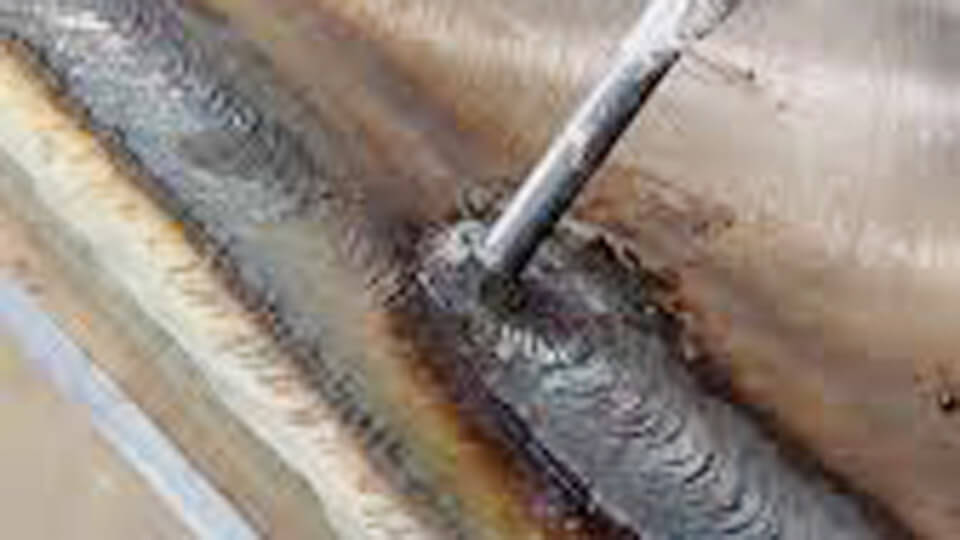
Photo @weldtube
What Exactly Happens When a Stick Welder Fails to Arc?
Stick welding, or SMAW (Shielded Metal Arc Welding), relies on creating an electrical arc between the electrode and the workpiece to melt the metal and form a weld. The arc is that bright, hot plasma bridge that generates the heat—up to 6,000°F or more—needed to fuse materials. When it doesn’t form, you’re left with no heat, no melt, and no progress.
How does it work? Your machine supplies current through the electrode holder to the rod, and when you strike it against the metal (like lighting a match), the circuit completes, ionizing the air and starting the arc.
If anything interrupts that flow—bad connections, wrong settings, or contaminated surfaces—the arc won’t ignite or sustain.
This issue crops up most in repair jobs or when working with thicker steels, where consistent arcing ensures deep penetration without burn-through.
Why use SMAW for these? It’s versatile for outdoor work, doesn’t need shielding gas, and handles rusty or painted surfaces better than MIG in some cases. But when arcing fails, it’s often because beginners overlook basics, or pros get complacent after long days.
In my shop days, I once had a trainee scratch-starting on a greasy pipe, wondering why no arc. Turns out, the oil was insulating the surface. Tip: Always test on scrap first. It saves rods and frustration.
Checking Your Power Source: Is the Machine Even Ready?
Before blaming the rod or your technique, start with the power. A stick welder needs stable voltage and amperage to initiate the arc. Most US machines, like Lincoln or Miller models common in shops, run on 110V or 220V outlets.
What is it? The power source includes your outlet, extension cords, and the welder’s internal components. A weak supply can drop voltage, making arcing impossible.
How it works: Electricity flows from the outlet through the machine to the electrode. If there’s resistance or low power, the arc can’t jump the gap.
Use this check when you’re in a new setup, like a home garage with shared circuits, or on a job site with generators. It matters because inconsistent power leads to porosity or weak welds, increasing rework costs.
Plug directly into a dedicated outlet—avoid long extensions that cause voltage drop. I’ve measured a 50-foot cord dropping 10-15 volts, enough to kill the arc on low-amp settings.
Test with a multimeter: Aim for 220-240V at the machine. If it’s a generator, ensure it’s rated for your welder’s draw—say, 5,000 watts minimum for a 200-amp unit.
Common mistake: Forgetting to switch from AC to DC. Many rods like E7018 need DC for stable arcs. I learned this fixing a trailer hitch; switched to DC, and it arced like butter.
Electrode Problems: Picking the Right Rod and Keeping It Dry
Electrodes are the heart of stick welding—the coated rods that provide filler metal and shielding flux. If they’re wrong for the job or damaged, arcing becomes a battle.
What are they? Common types include E6010 for deep penetration on dirty metal, E6013 for easy starts on thin sheets, and E7018 for strong, low-hydrogen welds on structural steel.
How they work: The coating melts to create gas that shields the weld pool from air, while the core melts into the joint. Wrong diameter or type resists arcing due to mismatched resistance.
Choose based on material thickness and position. For 1/4-inch steel flat welds, a 1/8-inch E7018 arcs reliably at 90-140 amps. Why? It balances heat input to avoid distortion while ensuring good fusion.
Store rods in a dry oven at 250°F if using low-hydrogen types like 7018. Moisture causes “popping” or no arc—I’ve ruined batches leaving them out overnight in humid summers. Bake them for an hour to drive out water.
Mistake pros make: Using expired rods. Flux degrades, leading to erratic arcing. Check dates and test on scrap. For DIYers, start with versatile E6013—forgiving for hobby projects like building a workbench.
Amperage Settings: Dialing In the Sweet Spot
Amperage controls the heat and arc stability. Too low, and the arc won’t start; too high, it sticks or burns through.
What is it? Measured in amps, it’s the current flow rate. Most stick welders have dials for 50-250 amps or more.
How it works: Higher amps create a hotter, more forceful arc for thicker metals. The rod’s diameter dictates the range—1/16-inch for 30-60 amps on sheet metal, up to 3/16-inch for 140-225 amps on heavy plate.
Set it when prepping for specific jobs, like welding rebar (high amps for penetration) versus auto body repair (low to prevent warping). It matters for efficiency—right settings mean faster welds with less rod waste.
Use the “one amp per thousandth of thickness” rule as a start. For 1/8-inch steel (0.125 inches), aim for 125 amps. Adjust by watching the puddle: If it doesn’t form, bump up 10 amps. I’ve fine-tuned on pipeline repairs, where wrong amps caused undercut needing grind-out.
Table for common setups:
| Material Thickness | Electrode Diameter | Recommended Amperage Range | Notes |
|---|---|---|---|
| 1/16 inch (sheet) | 1/16 inch | 30-60 amps | Low for minimal distortion |
| 1/8 inch (common fab) | 3/32 inch | 70-120 amps | Versatile for flat/vertical |
| 1/4 inch (structural) | 1/8 inch | 90-140 amps | DC+ for better penetration |
| 1/2 inch (heavy) | 5/32 inch | 120-200 amps | High for deep fusion, watch heat |
Common error: Ignoring polarity. DC electrode positive (DCEP) for most rods gives deeper penetration. I once reversed it on a gate repair—arc sputtered until fixed.
Workpiece Prep: Cleaning and Grounding for Reliable Starts
The metal surface and ground clamp are crucial for completing the circuit. Skip prep, and your stick welder won’t arc consistently.
What is it? Joint preparation involves cleaning rust, paint, or oil, and ensuring a solid ground.
How it works: Contaminants act as insulators, blocking current. A good ground provides a low-resistance path back to the machine.
Do this before every weld, especially on salvaged materials in hobby projects or outdoor repairs. It prevents inclusions that weaken the joint, saving on filler costs.
Tips from the floor: Grind or wire brush to bright metal within 1 inch of the joint. For grounding, clamp directly to the workpiece, not painted areas. I’ve chased “no arc” issues only to find a loose clamp—tighten it firm, and scrape under the jaws.
Beginner mistake: Poor joint fit-up. Gaps over 1/16 inch make arcing hard. Bevel edges on thick plates for better access. In fab work, this ensures full penetration without excessive passes.
Striking Techniques: Mastering the Scratch and Tap
Even with everything set, bad technique can prevent arcing. It’s about how you initiate contact.
What is it? Striking methods like scratch (dragging like a match) or tap (quick peck).
How they work: Brief contact shorts the circuit, heating the rod tip to ionize the air for the arc.
Use scratch for cellulose rods like 6010 in pipe welding—it’s aggressive for dirty surfaces. Tap for low-hydrogen 7018 to avoid contamination.
Why? Proper strike reduces sticking and spatter, leading to cleaner welds with less cleanup.
Training a student on overhead welds, he kept freezing the rod. I showed him to strike at a 15-degree angle, pull back 1/8 inch—arc lit every time. Practice on scrap to build muscle memory.
Pro tip: If it sticks, rock the holder gently to break free, then restrike. Avoid yanking, which bends rods.
Machine Maintenance: Keeping Your Welder in Fighting Shape
Wear causes arcing failures. Regular checks keep it reliable.
What is it? Maintenance covers cables, holders, and internals.
How it works: Frayed cables increase resistance, dropping power at the arc.
Do it monthly or after heavy use, like in production shops. Prevents downtime on jobs where every minute counts.
Tips: Inspect cables for cracks—replace if exposed wire shows. Clean the electrode holder jaws with a file for good contact. I’ve extended machine life by lubing fans and checking fuses.
Mistake: Ignoring overheating. Duty cycles (e.g., 20% at 200 amps) mean rest periods. Push it, and thermal cutouts kill the arc mid-weld.
Advanced Troubleshooting: When Basic Fixes Don’t Cut It
Sometimes, it’s deeper issues like faulty rectifiers in inverter machines.
What is it? Components like diodes convert AC to DC.
How they work: Failures cause unstable output, erratic arcing.
Check when basics fail—use a meter for output voltage (20-40V open circuit).
In pro settings, this saves calling service. I’ve diagnosed a bad capacitor on a Lincoln Ranger, avoiding a $500 repair bill.
Tip: For portables, test on known good outlets. If still no arc, it might be internal—time for pros.
Safety First: Avoiding Hazards When Diagnosing Arcing Issues
Arcing problems can tempt shortcuts, but safety is non-negotiable.
What is it? Risks include shocks, burns, or UV exposure.
How to handle: Always wear PPE—helmet, gloves, jacket. Disconnect power before checks.
Why? A misstep during troubleshooting can lead to injury. In shops, I’ve seen arcs jump unexpectedly.
Tip: Ground yourself properly, and never weld wet. Dry conditions ensure safe arcing.
Pros and cons of common fixes:
Pros of cleaning workpiece: Quick, cheap, improves weld quality.
Cons: Time-consuming on large jobs.
Pros of adjusting amps: Immediate results, customizable.
Cons: Trial needed, risk of overheat.
Step-by-Step Guide to Diagnose and Fix No Arc
- Verify power: Plug in, turn on—check lights or fans.
- Inspect connections: Tighten ground and holder, clean contacts.
- Check rod: Right type/diameter? Dry and undamaged?
- Set amps: Start mid-range for rod size.
- Prep metal: Clean to shiny.
- Strike: Use proper technique.
- Test weld: On scrap, adjust as needed.
- If fails, meter check voltage/output.
This sequence has saved me hours on site.
Final Thoughts
Tackling a stick welder not arcing boils down to methodically eliminating variables, much like debugging a finicky engine in the shop. Whether it’s a damp rod sucking up moisture or a ground clamp that’s seen better days.
This knowledge equips you to handle real-world jobs with confidence, reducing waste and boosting weld strength. Remember, consistent practice turns these fixes into instinct.
Why Won’t My Stick Welder Arc Even After Checking Basics?
If basics are good, check for internal faults like a blown fuse or dirty commutator in older machines. Use a multimeter to test output—should be 20-40V open circuit. If low, service needed. I’ve fixed this by cleaning brushes on DC generators.
What’s the Best Electrode for Hard-to-Arc Situations?
Go with E6010 or E6011 for tough starts on rusty metal—they have high cellulose for aggressive arcs. Start at 80-100 amps for 1/8-inch rods. Great for outdoor repairs where prep is minimal.
How Do I Prevent My Rods from Sticking When Starting the Arc?
Maintain a short arc length—1/8 inch max. Strike at 70-80 degrees, then straighten to 15-20. If sticks, increase amps slightly or use a lift-start if your machine has it. Practice vertical to master control.
Can Wrong Polarity Cause No Arcing in Stick Welding?
Absolutely—most rods need DCEP (electrode positive). Reverse to DCEN, and arc may not start or be unstable. Switch and test; it’s a quick fix for erratic behavior on clean steel.
Is There a Difference in Arcing Issues Between AC and DC Welders?
AC machines arc easier on some rods like 6013 but struggle with low-hydrogen types. DC offers better control and penetration. For no-arc, AC might need higher open-circuit voltage—check specs. In my experience, DC shines for consistent fab work.


