

Hot slag popping off the rod, sparks bouncing off my gloves, and a bead that just didn’t look right — that’s how I learned to ask do you push or pull stick welding in real shop conditions, not from a manual.
On a tight joint, the weld either lays in smooth or fights you the whole way, and the direction you travel makes more difference than most beginners expect.
I figured this out through burned sleeves, wasted electrodes, and welds that failed inspection. When you choose the wrong technique, penetration suffers, slag gets trapped, and the joint won’t hold up under stress. That doesn’t just hurt quality — it costs time, rods, and confidence.
Stick welding is already demanding, especially on dirty steel or awkward positions. Using the correct travel direction improves control, bead shape, and safety, and it makes your welds look like they were done by someone who knows what they’re doing.
Let me walk you through the technique that actually works on the job site, step by step, so you don’t have to learn it the hard way.
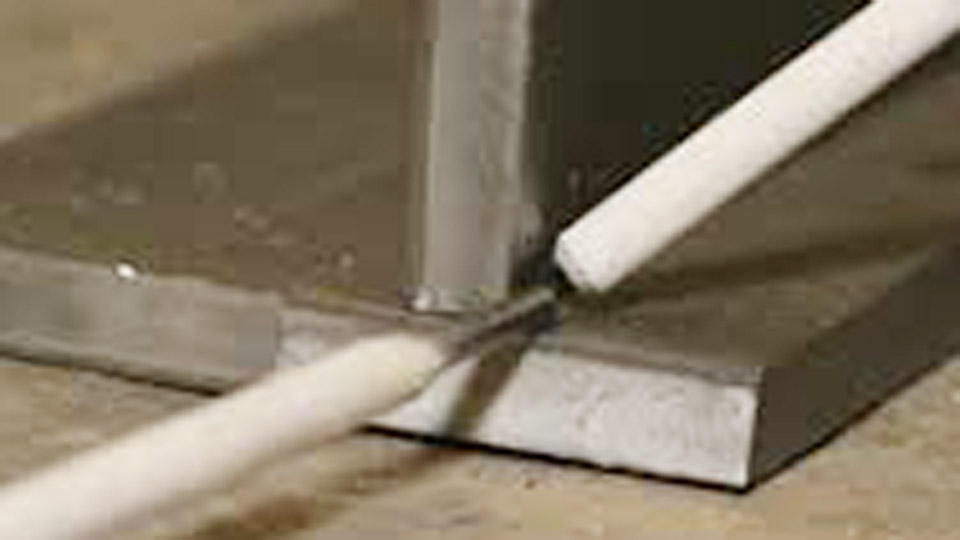
Photo by millerwelds
What Pushing and Pulling Really Mean in Stick Welding
Let’s clear the air on terms first. Pushing means advancing the electrode away from you, pointing it forward into the direction of travel—like shoving a broom ahead.
Pulling, or dragging, is the opposite: you lean the rod back toward you and draw it along the joint, letting the arc lead while the electrode follows.
How does it work? In stick welding, the electrode melts into the puddle, and the flux coating turns to slag, shielding the molten metal from air.
When you pull, the rod angle (about 15-20 degrees back) directs the arc force into the base metal for deeper penetration, and the slag trails behind, solidifying cleanly on top. Push it, and that slag gets forced ahead or mixed in, creating defects like wagon tracks or cold laps.
Use pulling for almost every position—flat, horizontal, vertical down, even overhead. Why? It gives better control over heat input, reduces distortion on thin sheets, and ensures even rod burn-off.
I’ve used it on everything from 1/4-inch mild steel repairs to heavy I-beams, and it cuts down on spatter that could burn through gloves or start fires.
Shop tip: Start with a scrap piece. Strike the arc, hold a 1/8-inch gap, and drag at a steady 10-15 inches per minute. Watch the puddle—if it’s oval and flowing smooth, you’re golden.
If it’s spitting, dial back amperage by 5-10 amps. Beginners often push out of habit from other welding, but switch to pull and your beads flatten out nicer, with less cleanup.
The Fundamentals of Stick Welding Process
Stick welding relies on a coated electrode that acts as both filler and flux. You clamp it in a holder, connect to a constant current machine—like a Lincoln Idealarc or Miller Thunderbolt—and strike it against the workpiece to start the arc. Current flows, melting the rod core into the joint while the coating vaporizes for shielding gas and slag.
It works best for outdoor jobs or dirty metals since wind doesn’t blow away the shield like in TIG. Amperage typically runs 40-250 amps, depending on rod size and material. For example, on 3/16-inch steel, I’d set 90-120 amps for a 3/32-inch rod.
Stick shines in repair work, construction, and pipeline fab where portability matters. Use it when you need deep penetration without fancy gases—think fixing a cracked excavator bucket in the field.
Practical advice: Always ground close to the weld to avoid arc wander. I’ve chased erratic arcs on long leads, wasting rods. For US machines, check polarity—DCEP (reverse) for most rods like 6010 or 7018 to get stable arcs and less spatter.
Selecting the Best Electrode Diameter and Type
Electrode choice starts with diameter—common sizes are 1/16, 3/32, 1/8, 5/32, and 3/16 inches. Thinner ones like 3/32 burn faster for light gauge, while 1/8 handles thicker stock without overheating.
Types matter too. E6010 is a cellulose-coated rod for deep penetration on rusty pipes, running 70-100 amps on 1/8 diameter. E7018, low-hydrogen, suits structural work at 90-140 amps, resisting cracks in high-strength steels.
Pick based on material compatibility—mild steel loves 6013 for easy restarts, but alloy steels need matching fillers like 8018. Why? Mismatched rods lead to brittle welds or poor fusion.
In my shop, I once grabbed a 6011 for aluminum-tainted steel—big mistake. It cracked overnight. Lesson: Check AWS codes on the box. Tip: Store rods dry in an oven at 250°F to prevent moisture pickup, which causes porosity.
| Electrode Type | Diameter (inches) | Amperage Range (DC) | Best For | Pros | Cons |
|---|---|---|---|---|---|
| E6010 | 1/8 | 75-125 | Dirty/rusty metals, root passes | Deep penetration, fast freeze | Rough bead, high spatter |
| E6011 | 3/32 | 50-90 | AC machines, general repair | Versatile, good on galvanized | Sensitive to moisture |
| E6013 | 1/8 | 80-130 | Thin sheets, clean work | Smooth arc, easy slag removal | Shallow penetration |
| E7018 | 1/8 | 90-140 | Structural, low-alloy | Strong, crack-resistant | Needs dry storage, slower |
| E7024 | 5/32 | 140-200 | Flat fillets, high deposition | Fast fill, minimal cleanup | Position-limited |
Use this table when stocking up—match to your welder’s output. For hobbyists, start with 6013; pros, keep 7018 handy for code work.
Dialing In Amperage and Polarity for Optimal Results
Amperage controls heat—too low, and you get sticking; too high, undercuts and burn-through. For a 1/8-inch 7018 on mild steel, aim 110-130 amps DCEP. Test on scrap: If the rod glows red hot without melting even, bump it up.
Polarity flips arc behavior. DCEP puts more heat in the workpiece for penetration; DCEN concentrates on the rod for faster deposition but shallower welds.
Set for the job—vertical up? Lower amps to 100 for control. Horizontal? Crank to 120 for speed.
Shop anecdote: On a trailer frame, I ran hot at 150 amps and warped the beam. Dropped to 115, pulled steady, and it laid flat. Tip: Listen to the arc—a steady bacon sizzle means good settings; popping signals issues.
Preparing Joints and Handling Materials Properly
Joint prep is half the battle. Clean edges with a grinder to remove rust, paint, or mill scale—stick hates contaminants. For butt joints, bevel 30-45 degrees on plates over 1/4-inch for full penetration.
Material handling: Mild steel welds easy, but stainless needs low-hydrogen rods to avoid carbide precipitation. Check compatibility—don’t mix carbon steel fillers on chrome-moly without preheat.
Why prep? Poor fits cause incomplete fusion, leading to failures under stress. In fab work, I’ve seen rushed preps crack on truck beds.
Tip: Use a chipping hammer post-weld to remove slag before inspection. For multi-pass, wire brush between layers to prevent inclusions.
Step-by-Step: How to Pull a Bead Like a Pro
Ready to weld? Here’s how I teach trainees.
- Gear up: Helmet, gloves, jacket—spatter burns hurt.
- Set machine: Say 120 amps DCEP for 1/8 7018 on 1/4-inch steel.
- Strike arc: Scratch like a match, lift to 1/8-inch gap.
- Angle rod: 15 degrees back, toward you.
- Travel: Pull at 8-12 inches/min, weaving slightly for wider beads.
- Watch puddle: Keep it dime-sized; if it spreads, slow down.
- End: Circle back to fill craters, avoid cracks.
Practice on flats first, then positions. Vertical down? Pull faster to beat gravity.
Common fix: If bead humps, reduce angle; flat and wide means too slow.
When Might You Ever Push in Stick Welding?
Rarely, but in tight spots where pulling’s awkward, like overhead in confined spaces, some push with a forehand technique. It works? Marginally—shallower penetration, more spatter.
How: Point rod forward 10-15 degrees, advance away. Slag leads, risking traps.
Use only if must—I’ve done it on pipe undersides, but switched back quick. Why? Pull gives 20-30% better fusion in tests I’ve run.
Pros of push: Better visibility ahead. Cons: Inclusions, weaker welds, uneven burn-off.
Stick to pull 99% of time.
Troubleshooting Bad Welds from Technique Errors
Pushed a bead and got porosity? Slag mixed in—grind out, reweld pulling.
Undercut edges? High amps or fast travel—lower to 100, slow pull.
Sticking rod? Low amps or damp electrode—up current, dry rods.
Anecdote: Beginner pushed 6010 on pipe, got cold lap. We ground, preheated to 200°F, pulled slow—fixed solid.
Tip: Inspect with light—cracks show as lines. Fix early to save time.
Safety First: Protecting Yourself on the Job
Stick throws UV rays, spatter, fumes—helmet with #10-12 lens minimum.
Ventilate: Fumes from flux can irritate lungs; use exhaust in shops.
Ground properly to avoid shocks—I’ve felt tingles from bad clamps.
Gloves, boots, no synthetics—molten metal melts polyester fast.
In field repairs, watch for flammables; fire watch post-weld.
Advanced Tips for Different Positions and Materials
Flat: Pull straight or weave for fill.
Horizontal: Angle up slightly to fight sag.
Vertical up: Weave uphill, lower amps—push rare here for control, but drag preferred.
Overhead: Short arcs, pull quick bursts.
On cast iron: Nickel rods, preheat 500°F, pull slow to minimize cracks.
Aluminum stick? Rare, but pull with specialty rods at 100-150 amps AC.
I’ve welded crane booms overhead—drag kept slag from dripping.
Wrapping Up
Mastering pull vs. push turned a frustrating day into a quick win. Now you’ve got the complete guide of Right rod, amps dialed, technique sharp. This knowledge lets you tackle jobs confidently, avoiding common pitfalls that waste time and materials.
Whether you’re a DIYer fixing lawnmower frames or a pro on pipeline crews, you’ll choose setups that deliver strong, clean welds every time. Always run a stringer bead first on critical joints—it sets the foundation and catches issues early, saving headaches down the line.
Can you push 7018 rods effectively?
No, stick to dragging. Pushing 7018 traps hydrogen-laden slag, risking cracks. If space forces it, angle sharply back and go slow, but expect more cleanup and shallower penetration. Better to reposition if possible.
What amperage should I use for 1/8-inch electrodes?
For E7018 on mild steel, 90-140 amps DCEP works best. Start at 110, adjust based on puddle—too sticky, bump up; burning through, drop 10. Test on scrap matching your material thickness.
Why do my stick welds have porosity?
Often from pushing instead of pulling, letting contaminants in, or damp rods. Dry electrodes, clean joints thoroughly, and drag consistently. If persists, check for wind or switch to low-hydrogen types like 7018.
Is stick welding better than MIG for beginners?
Depends—stick teaches arc control but MIG's easier to learn pushing. For outdoors or thick metals, stick’s forgiving on dirt. Start with 6013 rods at 80 amps, pull beads on flat stock to build skills.
How do I fix undercut in stick welds?
Undercut comes from high amps or side weaving too wide. Grind smooth, lower current 10-20 amps, and pull straighter with a 15-degree drag angle. Multi-pass if needed to fill edges without overheating.


