Standing in the welding aisle with ten different helmets hanging in front of me felt more confusing than choosing the welder itself. Some looked cheap and flimsy, others cost almost as much as a decent MIG machine.
After burning through a few bargain helmets with slow darkening lenses and uncomfortable headgear, I finally understood that finding the best auto darkening welding helmet for the money isn’t about buying the most expensive hood — it’s about getting clear visibility, reliable protection, and all-day comfort without wasting cash.
A good welding helmet affects more than convenience. If the lens reacts too slowly or the viewing area is poor, your weld quality suffers and your eyes pay the price.
I’ve used helmets that constantly slipped forward, fogged up during long welds, or made it nearly impossible to see the puddle clearly on low-amp TIG work. Once you use a quality auto-darkening hood with true-color technology and solid headgear, the difference is immediate.
Over the years, I’ve tested budget helmets, mid-range favorites, and a few premium models on real MIG, TIG, and stick jobs — from garage fabrication projects to long shop days under hot sparks and grinding dust.
Some were surprisingly good for the price, while others looked impressive online but failed where it mattered most: comfort, lens clarity, and reliability. Community feedback from working welders also shows that cheap helmets often become frustrating fast, especially during long sessions.
I’ll break down which helmets are actually worth your money, what features matter most, and which models give the best balance between safety, visibility, and value. Here’s what experienced welders look for before buying their next hood.
Why Auto Darkening Helmets Matter More Than You Think
Flip-up fixed-shade helmets work until they don’t. You miss the exact moment the arc starts, or you’re constantly flipping and losing your joint alignment. Auto darkening fixes that. A quality ADF reacts in 1/10,000th of a second or faster, letting you keep your head down and eyes on the work.
In practice, this means better bead placement, less spatter issues from poor angles, and fewer headaches after a long day. For TIG, where you need to see the puddle and filler rod clearly at lower amps, a fast, clear lens prevents tungsten contamination and improves fusion. For MIG or stick, it reduces neck strain and helps you maintain consistent travel speed.
Budget helmets have improved dramatically, but cheap ones still fail with delayed darkening, poor battery life, or lenses that tint everything green and hazy. The helmets I recommend here have proven themselves in real fabrication and repair work.
What to Look for in an Auto Darkening Welding Helmet
Before the list, here’s the practical checklist I use when helping trainees pick gear:
- Viewing Area: Bigger is better for visibility, especially on pipe or complex joints. Aim for at least 3.5 x 2.5 inches or larger.
- Reaction Time: 1/20,000 second or faster for TIG and low-amp work.
- Shade Range: Variable 5-13 or better, with good grind mode (shade 3-4).
- Sensors: 2-4 arc sensors. More helps in tight spaces or when the hood angle blocks one.
- Power: Solar + replaceable battery is ideal for reliability.
- Weight and Headgear: Under 2 lbs with adjustable, padded suspension to avoid hot spots after hours of use.
- Optical Rating: Look for 1/1/1/1 or close—lower numbers mean less distortion, better clarity, and truer colors.
- Warranty: At least 2-3 years on the electronics.
Now, the top five value picks.
1. Yeswelder LYG-M800H – Best Overall Value for Most Welders
If I could only recommend one helmet for the average guy in a home shop or small fab business, this is it. The Yeswelder M800H hits the sweet spot of large viewing area, true color technology, and solid performance at a price that leaves room in your budget for more rods or gas.
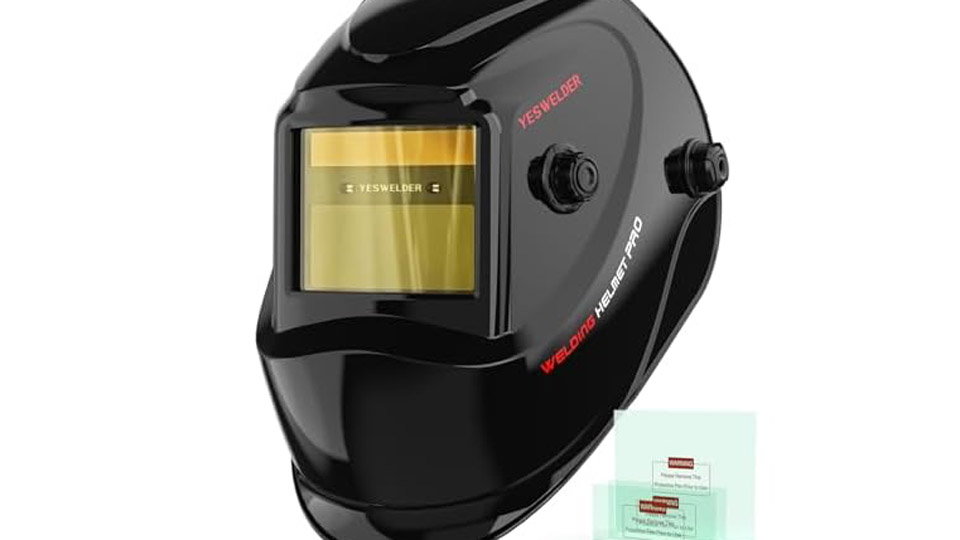
What it is and how it works: This is a solar-powered ADF with dual backup batteries. The large 3.94 x 3.23 inch (about 13 sq in) viewing window uses true color filtering that reduces the traditional green tint, so you see more natural puddle colors. It darkens from shade 3.5 in grind mode up to 9-13 for welding, with four arc sensors for reliable triggering.
When and why to use it: Perfect for MIG, flux core, and stick on mild steel or stainless. The big window shines when running beads on car frames or building gates. True color helps beginners judge puddle fluidity better.
Practical tips from the shop: I run mine on 1/8″ 7018 at 110-130 amps and on .035″ MIG at 18-22V. Joint prep is key—clean mill scale or it’ll look like you’re welding through mud even with a great helmet. For TIG, it handles down to about 20-30 amps well, though pros doing a lot of aluminum might step up. Replace batteries every couple years if you weld daily.
Pros: Huge view, true color, lightweight (~1.8 lbs), affordable, good for all processes.
Cons: Headgear is decent but not as plush as premium models after 6+ hour days.
In my experience, this helmet outperforms many that cost twice as much for hobby and light professional use.
2. Lincoln Electric Viking 3350 – Best Durability and Clarity for the Price
Lincoln’s Viking series has been a shop staple for years. The 3350 offers excellent optical quality and rugged build quality that holds up in harsh environments.
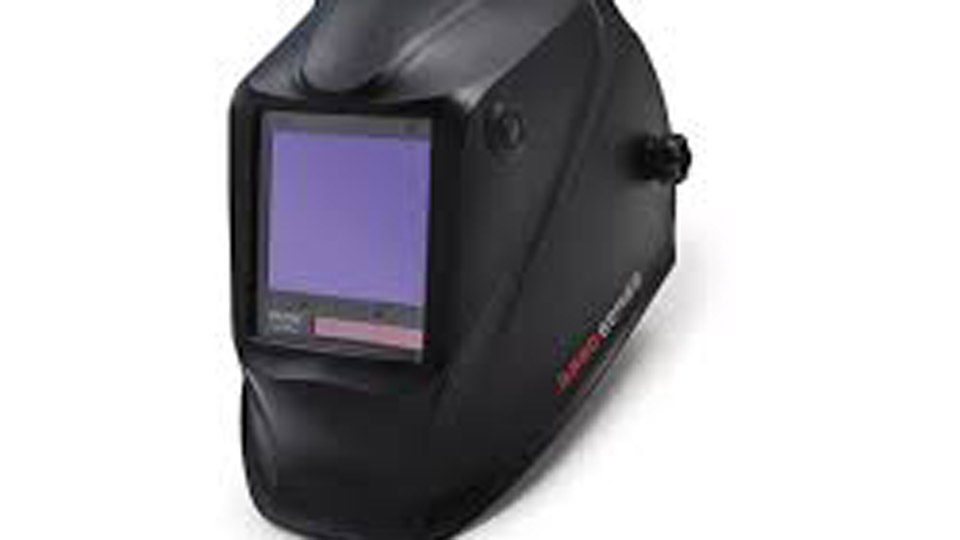
How it works: 3.74 x 2.83 inch viewing area with 4C technology for clearer, more natural vision. Shade 5-13 variable, fast 1/25,000 sec reaction, solar + battery. Four sensors.
Practical applications: I’ve used these on structural steel, heavy equipment repair, and pipeline work. The clarity helps when running stringer beads with 5/32″ 7018 at 140-180 amps or MIG on thicker plate.
Shop tips: Set sensitivity mid-range for most work. For outdoor windy conditions or dirty environments, the sensors perform reliably. Always grind your starts and stops clean— the clear view shows imperfections immediately. For beginners, practice drag technique with 6010/6011 rods at proper amperage (70-110A for 1/8″) to build muscle memory without fighting a dark, hazy lens.
Pros: Tough shell, great warranty (often 3-5 years), consistent performance.
Cons: Slightly smaller view than the Yeswelder, higher price point within “value” range.
This is the one I’d buy if I was outfitting a new welder for a fleet maintenance shop.
3. Miller Classic Series (e.g., 1740 or Liberty) – Best Entry-Level Reliable Option
Miller’s Classic line punches above its weight for beginners and weekend warriors. It’s often praised as one of the best values in entry-to-mid range helmets.
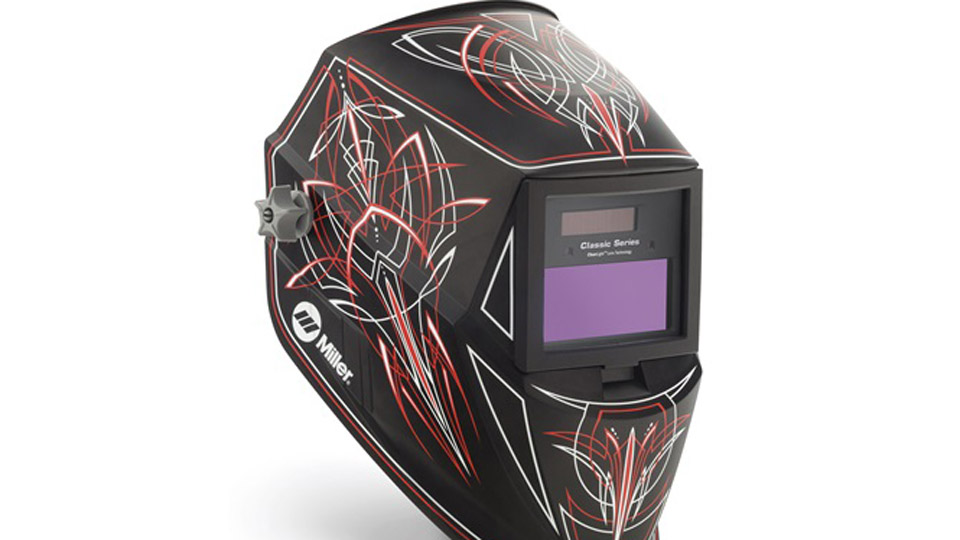
Design and function: Solid ADF with good reaction time, grind mode, and straightforward controls. Comfortable headgear that many pros prefer over fancier models.
Best uses: MIG on auto repair, farm equipment fixes, and general fabrication. It handles the common US machines like Millermatic or Lincoln Power MIG well.
Real-world advice: When running flux core self-shielded wire, keep your stickout consistent and voltage around 18-20V. The helmet’s reliability means you can focus on technique instead of worrying about flash. Common mistake: setting sensitivity too high in bright shops, causing false triggers. Dial it in based on your lighting.
Pros: Trusted brand, comfortable for extended wear, good balance of features and cost.
Cons: Smaller viewing area than large-window competitors.
Great for welding students or anyone new to the trade who wants something that won’t quit after six months.
4. Antra AH6-260 or Similar Digital Models – Best Budget Performer with Battery Indicator
Antra helmets fly under the radar but deliver strong performance for the dollar, especially models with digital controls and clear battery status.
How it works: Solar assisted with replaceable battery, variable shade, test button, and decent sensors. Good for the price.
When to choose it: Tight budgets, occasional use, or as a backup helmet. Works across processes but excels in MIG and stick.
Tips: Check the battery indicator before big jobs. For material compatibility, match filler to base metal—ER70S-6 wire on mild steel gives best results with clean metal. Prep joints with a 60-70 degree included angle for full penetration on thicker stock. Amperage: 90-140A for 1/8″ plate with 1/8″ rods depending on position.
Pros: Features like test button and indicator at low cost.
Cons: Optical clarity not as premium; may need lens covers replaced more often.
5. ESAB Sentinel A50/A60 or Comparable – Best Step-Up Value for Serious Hobbyists
For those willing to stretch the budget a bit more for noticeably better clarity and features, ESAB’s Sentinel series offers professional-level performance at a reasonable price.
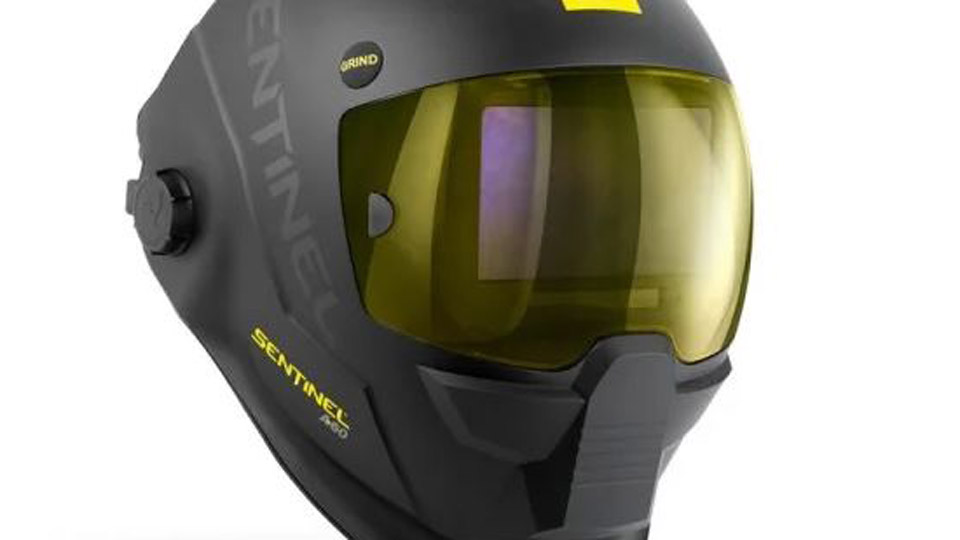
Features: Excellent true color view, customizable settings, lightweight design, and fast switching.
Shop applications: Ideal for TIG enthusiasts and mixed-process work. The clarity helps see oxide cleaning on aluminum or precise filler addition.
Practical guidance: On TIG, use DCEN polarity for steel/stainless with 2% thoriated or lanthanated tungsten. Amperage 1 amp per thousandth of thickness for steel. The helmet’s performance lets you run lower amps without losing visibility. Avoid common beginner error of pushing the torch instead of dragging in certain positions.
Pros: Superior visibility, comfort, modern features.
Cons: Higher cost than the first three options.
Comparison Table: 5 Best Auto Darkening Helmets for the Money
| Helmet | Viewing Area | Key Strengths | Best For | Approx. Price Range | Optical Rating |
|---|---|---|---|---|---|
| Yeswelder M800H | Very Large | True color, value, size | Most users, MIG/Stick | Budget | Excellent |
| Lincoln Viking 3350 | Large | Durability, clarity | Daily use, pros | Mid | Top tier |
| Miller Classic | Medium | Comfort, reliability | Beginners, light pro | Budget-Mid | Very Good |
| Antra AH6 Series | Medium-Large | Features for price | Occasional, backup | Lowest | Good |
| ESAB Sentinel | Large | Premium feel, TIG friendly | Serious hobby/pro | Mid-High | Excellent |
Common Mistakes Welders Make with Helmets (and How to Avoid Them)
- Buying the absolute cheapest no-name helmet: They often have slow reaction or fail in cold weather.
- Ignoring headgear adjustment: Leads to neck pain and poor posture.
- Not replacing scratched cover lenses: Ruins clarity fast.
- Using in extreme temps without checking specs: Batteries die quicker in cold.
- Forgetting to test before striking: Always hit the test button.
Welding Process Tips That Pair Well with These Helmets
SMAW (Stick): Electrode diameters—1/16″ for thin metal (40-80A), 1/8″ general purpose (90-150A), 5/32″ heavier (140-200A). Clean rust, use 7018 for low hydrogen needs after proper storage.
MIG: Voltage and wire speed matching charts on your machine. Joint prep with angle grinder for best results.
TIG: Gas flow 15-20 CFH argon. Practice foot pedal control for heat input.
Always prioritize safety: Proper ventilation, leather gear, and fire watch.
Choosing the Right Helmet for Your Specific Needs
DIY garage welders doing occasional repairs: Start with Yeswelder or Antra.
Fabrication hobbyists building projects: Lincoln or Miller.
Students or apprentices: Miller Classic for learning.
Pros or heavy users wanting value upgrade: ESAB or Viking.
Final Shop Wisdom
After burning thousands of pounds of rod and wire, the best helmet is the one you’ll actually wear consistently because it’s comfortable and lets you see what you’re doing. Don’t chase the absolute cheapest or the flashiest—find the balance that fits your workflow and budget.
Keep a spare set of cover lenses and batteries in your toolbox. The day you need them is the day the job is already running late. Take care of your eyes—they’re the most important tool in the shop. Now get out there, dial in those settings, and lay down some clean beads. Your welds will thank you.
FAQ
How long do auto darkening welding helmet batteries last?
In daily shop use, expect 1-3 years depending on model and solar assist. Replaceable lithium batteries are easy to swap. Store the helmet out of direct sun when not in use to extend life.
Are cheap auto darkening helmets safe for TIG welding?
Quality budget models like the Yeswelder or Antra handle TIG fine down to low amps, but premium ones offer better clarity for critical work. Always verify reaction time specs and test in your conditions.
What shade setting should I use for MIG welding?
Typically shade 10-12 for standard MIG. Adjust based on amperage—higher amps need darker. Grind mode (3-4) for cleanup without flipping the hood.
How do I clean and maintain my welding helmet lens?
Use a soft cloth and mild soap. Never use solvents that can damage the ADF. Replace scratched outer cover lenses promptly to maintain clarity and protection.
Can one helmet work well for all welding processes?
Yes—the picks above do. Look for wide shade range and multiple sensors. True color lenses make switching between MIG, stick, and TIG easier on your eyes.