
Running a clean weld on thin stainless or aluminum can get frustrating fast when the heat starts spreading too much or spatter ruins the finish.
Some welding processes are fine for rough structural work, but when appearance, precision, and control matter, the difference becomes obvious. That’s usually when welders start asking why is TIG welding better compared to other methods.
In real fabrication work, TIG welding stands out because of the control it gives over the puddle and heat input. You can make cleaner welds, handle thinner materials more safely, and produce joints that need far less cleanup afterward.
I’ve worked on projects where switching to TIG completely changed the final quality of the weld, especially on visible or high-precision parts.
Of course, TIG welding isn’t the fastest process, and it takes patience to learn properly. But for many welders, the cleaner finish, stronger precision, and overall versatility make the extra effort worth it.
I’ll break down exactly what makes TIG welding better in certain situations and where it truly outperforms other welding methods.
Image by weldguru
What Is TIG Welding and How Does It Actually Work?
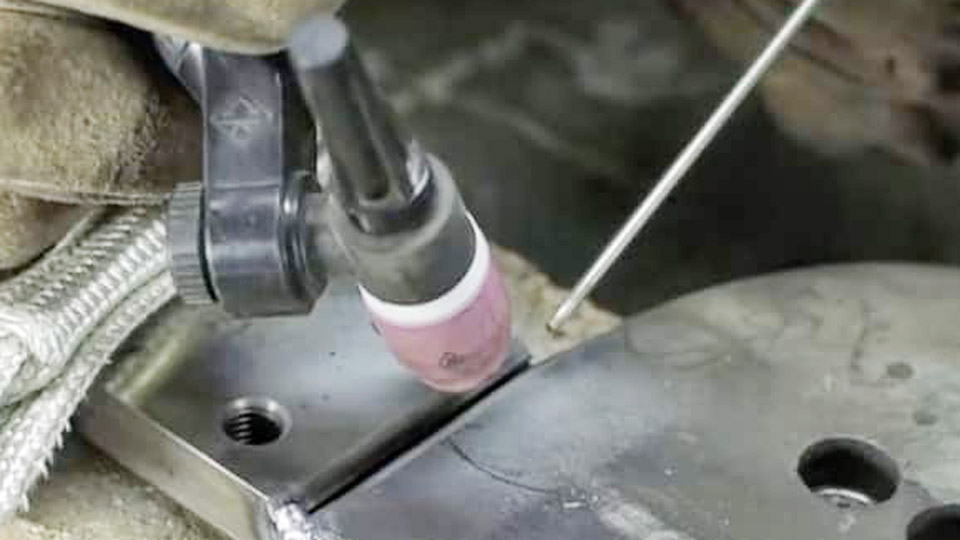
TIG welding uses a non-consumable tungsten electrode to create the arc. You hold the torch in one hand and feed filler rod with the other, while shielding everything with inert gas—usually pure argon. No flux, no spatter like stick or flux-core, and no wire feed like MIG.
The tungsten doesn’t melt into the puddle. It just creates the heat. You control the amperage with a foot pedal (or fingertip control on some machines), which lets you dial heat in real time. This is huge for puddle control.
In practice, you strike the arc, establish a stable puddle, and add filler as needed. The process demands clean metal, good gas coverage, and steady hands. US welders often run Miller or Lincoln inverter machines like the Dynasty or Power MIG series with TIG capability—they’re reliable, have good AC balance for aluminum, and pulse features that help on thin stuff.
Why TIG Welding Is Better for Precision and Quality
The biggest reason TIG shines is control. You can weld razor-thin material without burning through and get full penetration on thicker sections without excessive heat. MIG tends to be hotter and faster, which can lead to more distortion. Stick is great for dirty outdoor work but leaves slag and rough beads.
TIG produces the cleanest, strongest welds with the least contamination when done right. The inert gas shield protects the puddle perfectly, so no inclusions or porosity if your setup is solid. This matters on food-grade stainless, pressure vessels, motorcycle frames, or anything where failure isn’t an option.
I’ve seen hobbyists switch from MIG to TIG for aluminum tanks and never go back—the difference in bead appearance and strength is night and day. Pros use it for root passes on pipe because it gives superior fusion and x-ray quality.
TIG vs MIG: When TIG Wins and When MIG Is Fine
MIG is faster and more forgiving for production or thicker mild steel. But TIG beats it for:
- Thin materials (under 1/8″)
- Aluminum and stainless
- Visible welds where appearance counts
- Situations needing minimal heat input
MIG deposits metal quicker and handles windy outdoor conditions better with flux-core, but TIG gives tighter control over the puddle and far less cleanup. On a custom exhaust or bike swingarm, TIG looks professional with almost no post-weld grinding.
Quick Comparison Table:
| Aspect | TIG Welding | MIG Welding | Stick (SMAW) |
|---|---|---|---|
| Weld Quality | Excellent, precise, clean | Good, but more spatter | Functional, rough |
| Speed | Slower | Faster | Medium |
| Skill Level | Higher | Medium | Lower |
| Thin Material | Best | Good | Poor |
| Aluminum/Stainless | Excellent | Good (with right wire/gas) | Limited |
| Outdoor Use | Poor (wind sensitive) | Good (especially flux-core) | Excellent |
| Cleanup | Minimal | Moderate | High (slag) |
| Distortion | Low (better heat control) | Higher | Higher |
TIG vs Stick: Control Over Raw Power
Stick is the go-to for farm repairs, rusty steel, and windy sites. It’s cheap and portable. But TIG is better when you need beauty and precision. No slag means no chipping or grinding. Better arc control means less undercut and inclusions.
For students learning fundamentals, TIG teaches you puddle control like nothing else. That skill transfers to other processes.
Best Materials and Applications for TIG Welding
TIG excels on:
- Aluminum: AC balance and frequency settings clean the oxide layer. Great for 6061 tubing, sheets, and repairs.
- Stainless Steel: Keeps the chrome intact for corrosion resistance. Perfect for exhausts, tanks, and kitchen fab.
- Mild Steel: When appearance or thin sections matter.
- Exotics like Titanium or Inconel: Inert gas protection is essential.
Real jobs I’ve done: Repairing cracked aluminum engine cases (TIG saved them), fabricating stainless railings, and building custom chopper frames. In each case, TIG delivered results that MIG couldn’t touch without heavy grinding.
Practical TIG Machine Settings and Amperage Guidance
Rule of thumb for DC mild steel: About 1 amp per 0.001″ of thickness. For 1/8″ (0.125″) steel, start around 125 amps and adjust with the pedal.
Approximate Amperage Ranges (DCEN for Steel/Stainless, AC for Aluminum):
- 0.030–0.063″ steel: 30–70 amps
- 0.063–0.125″ steel: 70–130 amps
- 0.125–0.250″ steel: 120–200 amps
- Aluminum often needs 20-25% more amps due to heat conductivity.
Tungsten size: 1/16″ for up to ~150 amps, 3/32″ for higher. Sharpen to a point for DC, balled slightly for AC aluminum.
Gas flow: 15-20 CFH argon. Use a #7–#12 cup depending on amperage. Post-flow 10-15 seconds to protect the tungsten as it cools.
Pulse settings help a lot on thin material—set 1-2 PPS with 50% background for better control.
Step-by-Step TIG Welding Process for Beginners
- Prep the metal: Clean thoroughly—stainless brush, acetone, no oils or oxides.
- Tungsten prep: Grind longitudinally. Match diameter to amperage.
- Fit-up: Tight joints are key. TIG hates gaps more than MIG.
- Machine setup: Polarity correct (DCEN for steel, AC for alum). Gas on.
- Strike arc: High frequency start if available.
- Puddle control: Establish a small, fluid puddle. Add filler by dipping the rod (don’t melt it in the arc).
- Travel: Move steady, watch the puddle edges.
- Finish: Ramp down amperage or use crater fill to avoid cracks.
Practice on scrap. Start with flat beads, then butt joints.
Joint Preparation and Filler Metal Tips
Cleanliness is 80% of success. For stainless, use dedicated brushes. Aluminum needs cleaning right before welding.
Filler selection: ER70S-6 for mild steel, 4043 or 5356 for aluminum, 308L or 316L for stainless. Match base metal chemistry.
Joint types: V-groove for thicker material, tight butt for thin. Back purge stainless pipes for inside protection.
Common TIG Welding Mistakes and How to Avoid Them
Beginners often:
- Skip cleaning → porosity and inclusions.
- Wrong tungsten prep → unstable arc, contamination.
- Too much filler too soon → lumpy beads.
- Poor gas coverage → oxidation, gray welds.
- No post-flow → tungsten oxidizes.
Pros mess up by rushing fit-up or ignoring heat input on thin sections, leading to warp or burn-through. Watch your body position—comfortable stance prevents shaky hands.
Safety Considerations Every Welder Must Know
TIG produces intense UV light—use proper helmet (shade 9-13), long sleeves, and gloves. Argon displaces oxygen, so ventilate well. Tungsten is brittle; handle sharpened tips carefully. Watch for hot metal—aluminum doesn’t change color much when hot.
When TIG Might Not Be the Best Choice
Thick structural steel in the field? Stick or flux-core MIG. High-volume production? MIG. Windy outdoor repair? Stick or self-shielded flux-core. TIG is slower and more expensive per foot in some cases, but the quality pays off on high-value work.
Advanced TIG Techniques for Better Results
Pulse TIG: Great for thin aluminum—reduces heat input. Walking the cup on pipe gives consistent beads. High-frequency AC balance adjustment cleans aluminum oxide without overheating.
For repairs, build up worn areas gradually with multiple passes.
Building Your TIG Setup in a US Shop
Start with a 200-amp inverter with AC/DC and pulse. Add a good torch (water-cooled for heavy use), argon tank, regulator, and filler rods. Foot pedal is worth it for control. Practice consistently—your first welds will look rough, but muscle memory builds fast.
Real Takeaways from Years on the Bench
After welding hundreds of projects, TIG earns its place when quality, appearance, or material challenges demand the best process. It forces you to slow down and do things right, which improves all your welding. You’ll understand heat, puddle dynamics, and metallurgy deeper than with faster processes.
You’re now equipped with practical knowledge on settings, prep, comparisons, and pitfalls. Next time you’re staring at a stainless tube or aluminum sheet, you’ll know why TIG is often the superior choice—and how to make it work.
Master the foot pedal before you rely on it. Learn to “feather” amperage while watching the puddle. The best TIG welders aren’t the ones with the fanciest machines—they’re the ones who control heat like it’s part of their hand. Practice that, and your welds will speak for themselves.
FAQs
Is TIG welding stronger than MIG?
TIG often produces stronger welds due to better fusion, less contamination, and controlled heat input, especially on aluminum and stainless. Proper technique matters more than the process, but TIG gives you the edge for critical joints.
How hard is it to learn TIG welding compared to MIG?
TIG has a steeper learning curve because you’re coordinating both hands and a foot. Most people get decent MIG beads in a weekend; TIG takes weeks of practice. Start with steel on DC, then move to aluminum.
What thickness of metal is TIG best for?
TIG excels on thin to medium materials—0.030″ up to about 1/4″. It’s possible on thicker stock with multiple passes, but MIG or stick becomes more efficient beyond that.
Do I need pure argon for TIG?
Yes, pure argon works for most steels and aluminum. Helium mixes increase heat for thicker aluminum. Avoid CO2 mixes used in MIG—they’ll ruin your tungsten.
Can I TIG weld outdoors?
It’s possible with wind screens and higher gas flow, but challenging. Even light breeze disrupts shielding. Save TIG for shop or sheltered areas; use stick or flux-core outside.


