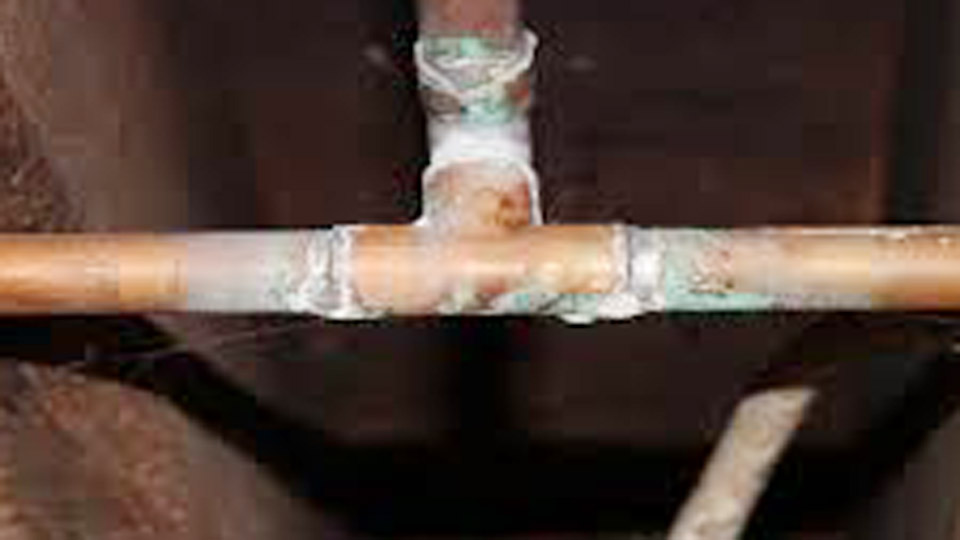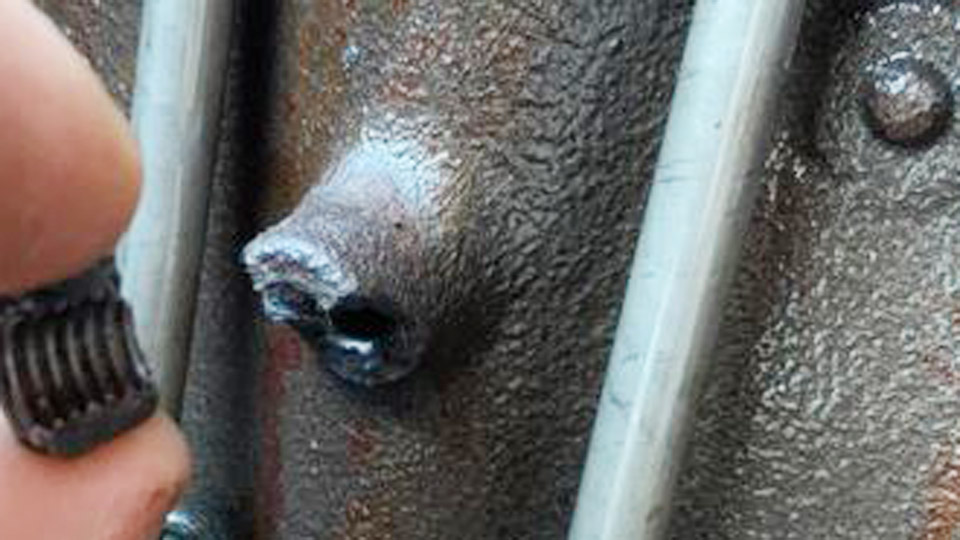
Fresh steel always looks clean at first — until a few days in the shop air turns it dull with rust fingerprints and oxidation. I learned that the hard way after finishing a custom bracket that looked perfect on the bench but started discoloring before the project was even installed.
That frustration pushed me into learning How to Blacken Steel Without Heat, especially for smaller parts where using a torch or forge just wasn’t practical.
What surprised me was how effective cold blackening methods can be when they’re done properly. A good finish doesn’t just make steel look better — it adds a layer of corrosion resistance, reduces glare, and gives projects that professional darkened appearance many fabricators want on tools, brackets, knives, and decorative metalwork. The trick is knowing which method actually holds up and which ones wear off after a few touches.
I’ve tested homemade vinegar solutions, cold bluing products, and chemical blackening methods on everything from shop fixtures to outdoor steel parts. Some finishes looked great for a day and failed fast. Others bonded surprisingly well and saved hours compared to heat-based methods.
If you want a darker finish without warping metal, firing up a torch, or ruining your hard work, I’ll show you the methods that actually produce clean, durable results in a real workshop.
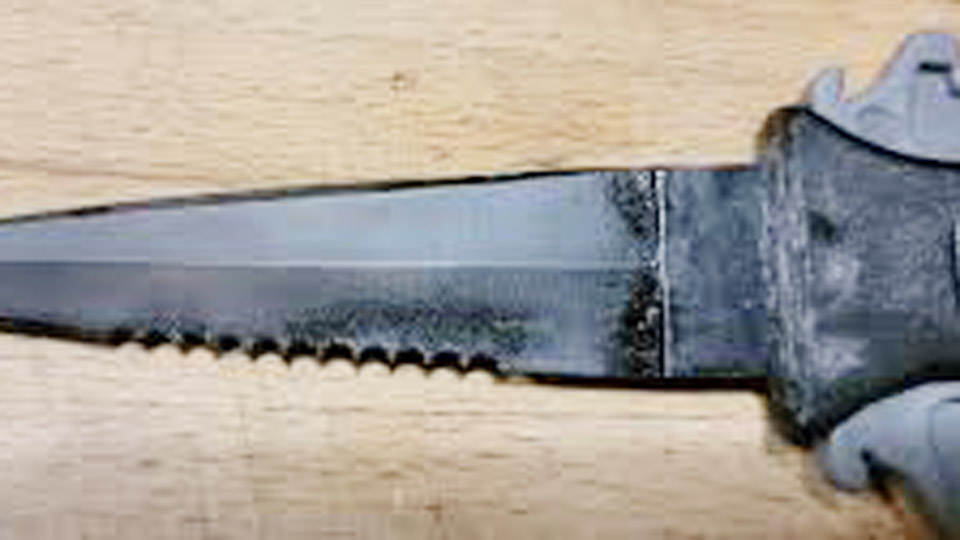
Image by Tampabayspearfishing
Why Blacken Steel Without Heat in the First Place?
In the shop, steel parts rust if you look at them wrong, especially after welding where heat-affected zones are vulnerable. Black oxide or cold bluing creates a conversion coating that bonds to the metal and holds oil or wax better for long-term protection.
It shines for:
- Post-weld cleanup on mild steel fabrications
- Tooling and fixtures that see shop humidity
- Knife blades, gun parts, or decorative ironwork
- Repairs where you can’t risk distortion
Unlike hot black oxide baths used in industrial settings, these room-temp processes need no special tanks or high-temp equipment—perfect for a garage or small fab shop.
Understanding Cold Blackening vs. Traditional Methods
What it is: Cold blackening (often called cold bluing) uses chemical solutions, typically selenium dioxide or copper-selenium compounds, to react with the iron in steel and form a dark oxide layer.
How it works: The solution etches the surface slightly and deposits a thin black film (usually under 1 micron). It’s not as thick or wear-resistant as hot black oxide but excellent for most hobby and light industrial uses.
When to use it: Anytime heat would cause problems—near welds, on thin stock, or on assemblies with soldered or press-fit parts. It’s also great for touch-ups.
Practical tips: Results vary by steel type. It works best on carbon and low-alloy steels. Stainless needs different formulations. Always test on scrap first.
Common mistake beginners make: Skipping thorough cleaning. Oil, scale from welding, or fingerprints ruin the finish. Pros sometimes rush the prep too, leading to patchy color.
Essential Surface Preparation: The Real Secret to Success
Clean metal is 80% of the battle. I’ve seen beautiful welds turn into streaky disasters because of leftover flux or cutting oil.
Step-by-step prep:
- Degrease aggressively — Use acetone, brake cleaner, or a strong alkaline cleaner. Wipe until a clean rag stays clean.
- Remove scale and rust — For welded parts, use a wire wheel, flap disc, or sandblast. Aim for a uniform surface—too smooth can slow the reaction; a light profile helps.
- Final wipe — Denatured alcohol or fresh solvent. Wear nitrile gloves; skin oils kill the process.
- Optional deoxidizer — Some kits include a mild acid etch for better bite.
Joint prep notes for welders: Grind welds smooth but don’t over-polish. The blackener highlights imperfections, so address undercut or porosity first. On repaired areas, feather the edges well.
Material handling: Work in a well-ventilated area. Many solutions fume mildly. Have baking soda nearby to neutralize spills.
Popular Cold Blackening Methods and Products
Birchwood Casey Perma Blue and Similar Gun Bluing Solutions
This is the go-to for many fabricators. It’s reliable and widely available at welding supply or gun shops.
How to apply:
- Pour a small amount into a separate container (never dip directly into the bottle).
- Apply with a cotton swab, folded paper towel, or 0000 steel wool.
- Let it sit 30-60 seconds or until the color develops.
- Rinse thoroughly in cold water.
- Dry and oil immediately.
Amperage? No—this isn’t welding. But think “settings”: Temperature of the part matters. Warming the steel slightly with a heat gun (under 150°F) can improve results without counting as “heat” blackening.
Pros and cons:
- Pros: Fast, inexpensive, good color on carbon steel.
- Cons: Can be blotchy if prep is poor; moderate rust resistance until oiled.
Common pro mistake: Reusing contaminated solution. It weakens and leaves residue.
Oxpho-Blue and Cream Formulas
These are thicker and easier to control on vertical surfaces or large fabrications.
Apply like paste, work it in, and rinse. Many welders prefer them for field repairs because they don’t run as much.
DIY and Alternative Chemical Approaches
Some fabricators experiment with household acids for a more industrial black oxide look, though results are less consistent than commercial products.
- Vinegar or citric acid soaks followed by controlled oxidation.
- Certain salt/peroxide mixes for rust conversion then stabilization.
These take longer and require more experimentation. Stick to commercial solutions for repeatable shop results unless you’re developing a signature patina.
Step-by-Step Guide: Cold Blackening a Welded Bracket
Let’s walk through a real example—say a mild steel motor mount you just welded with 7018 rods on your Miller or Lincoln machine.
- Post-weld cleanup: Grind welds, remove slag completely. Wire brush the heat-affected zone.
- Degrease: Acetone wipe-down.
- Apply bluing: Use Perma Blue or equivalent. Work in sections if the part is large.
- Monitor color: It should shift to a deep blue-black. Multiple light coats beat one heavy one.
- Rinse and neutralize: Cold water, then a baking soda rinse if needed.
- Dry thoroughly: Compressed air helps.
- Protect: Apply light machine oil, WD-40 Specialist, or a wax/oil mix. For extra durability, use boiled linseed oil followed by beeswax.
Expected results: Uniform dark finish that hides minor surface imperfections and provides decent corrosion resistance in a dry shop environment.
Comparison of Blackening Methods for Welders
| Method | Heat Required | Durability | Best For | Cost | Ease for Beginners | Rust Resistance (Oiled) |
|---|---|---|---|---|---|---|
| Cold Bluing (Perma Blue) | None | Moderate | Small parts, touch-ups | Low | High | Good |
| Oxpho-Blue Cream | None | Good | Larger fabrications | Low | High | Very Good |
| Hot Black Oxide | High | Excellent | Production runs | Higher | Low | Excellent |
| Beeswax/Linseed | Low (warm) | Good | Decorative & tools | Very Low | Medium | Good (reapply) |
| Vinegar/Citric DIY | None | Variable | Experimentation | Lowest | Low | Fair |
This table comes from years of trying things in different shops. Cold methods win for most of us who don’t have industrial tanks.
Safety Considerations Every Welder Must Know
These chemicals are no joke. Selenium compounds and acids can burn skin and eyes. Always use:
- Nitrile gloves (latex degrades)
- Safety goggles
- Good ventilation or respirator if fumes are strong
- Apron and closed shoes
Dispose of waste properly—neutralize and check local regs. Never pour down drains untreated.
In a welding context, keep blackening chemicals away from your welding area. Fumes plus arc can create nasty reactions.
Common Mistakes and How to Avoid Them
- Patchy finish: Poor cleaning or uneven application. Solution: Multiple thin coats, rotate the part.
- Weak color on high-carbon steel: Some alloys react differently. Test and adjust dwell time.
- Rusting later: Skipping the oil/wax step. The black layer alone isn’t a perfect barrier.
- Contaminating the bottle: Always use a separate applicator dish.
- Working too cold: Steel below 60°F reacts slowly. Warm the shop or part gently.
Pros sometimes over-sand after bluing, cutting through the thin layer. Polish lightly only if needed.
Enhancing Durability: Oils, Waxes, and Topcoats
The blackening is step one. Protection is step two.
After rinsing and drying:
- Apply a quality gun oil or Ballistol.
- For heavier duty, mix beeswax with boiled linseed oil and apply warm. It darkens further and seals beautifully.
- Clear coats work but can change the matte look—test first.
Re-oil periodically, especially on parts that get handled often.
Material Compatibility and Limitations
Best on: Mild steel, 1018, 1045, tool steels.
Trickier on: High-alloy steels, stainless (needs specialized products like Ni-Black), galvanized (strip zinc first), aluminum or copper (wrong chemistry).
Weld filler compatibility: The blackener reacts with the base metal more than the weld deposit sometimes, so match filler closely to parent metal for uniform color.
When Cold Blackening Isn’t Enough
For high-wear parts or outdoor exposure, consider powder coating, paint, or sending out for hot black oxide. Cold methods excel at maintenance and small-batch work.
Real-World Shop Insights from the Bench
In one repair job, we cold-blued a set of steel table legs after MIG welding. The finish hid the weld lines nicely and protected against the customer’s humid garage. Another time, on a knife project, proper prep gave a deep, even black that customers loved.
These techniques scale from one-off hobby projects to small production runs without big equipment investments.
Takeaway: Mastering how to blacken steel without heat gives you control over finish quality right in your own shop. You understand prep, chemistry, protection layers, and limitations—skills that separate weekend welders from confident fabricators.
Always keep a dedicated “finishing station” separate from your welding table. Cross-contamination from grinding dust or flux is the fastest way to ruin a batch. Clean, methodical work here pays off in parts that look and last like they came from a higher-end shop.
FAQ
How long does cold blackening last on steel?
With proper oiling or waxing, it holds up well indoors for years. Outdoor or high-humidity use requires more frequent maintenance. The oxide layer itself is thin, so the topcoat does most of the heavy lifting.
Can I blacken stainless steel the same way?
Standard cold bluing solutions don’t work well on stainless. Use dedicated stainless blackening patinas or Ni-Black type products and follow their specific descaling steps first.
Will blackening affect the strength of my welds?
No. The process is purely surface-level and done at room temperature. It won’t weaken the joint or heat-affected zone.
What’s the best blackener for beginners in a home shop?
Birchwood Casey Perma Blue or Oxpho-Blue. They’re forgiving, readily available, and give consistent results when you follow the cleaning steps.
How do I fix uneven or blotchy blackening?
Strip it back with a light abrasive or acid etch, re-clean thoroughly, and apply fresh solution in thinner coats. Prevention through better prep is always easier.