
A rusty air compressor tank usually gives warning signs long before it fails — moisture in the drain valve, rusty flakes blowing through the airline, or that musty smell that shows up after months of use. I learned this the hard way after cutting open an old shop compressor and finding heavy corrosion eating away at the inside walls.
That experience completely changed how I looked at Coating Inside of Air Compressor Tank and why proper protection matters far more than most people think.
Inside every compressor tank, moisture is constantly building up from compressed air. If that moisture sits too long, rust starts forming from the inside out where you can’t easily see it. Over time, that corrosion can weaken the tank, contaminate your air tools, ruin paint jobs, and eventually create serious safety risks in the workshop.
A lot of people assume draining the tank once in a while is enough, but real protection takes more than that. The type of coating, surface preparation, and even knowing when not to coat a tank all make a huge difference. Some products can help extend tank life, while others can actually create dangerous problems if applied incorrectly.
I’ll break down what actually works in real shop conditions, which coatings are worth considering, and the mistakes that can shorten the life of your compressor instead of protecting it. Here’s what most welders and DIY mechanics don’t realize until it’s too late.
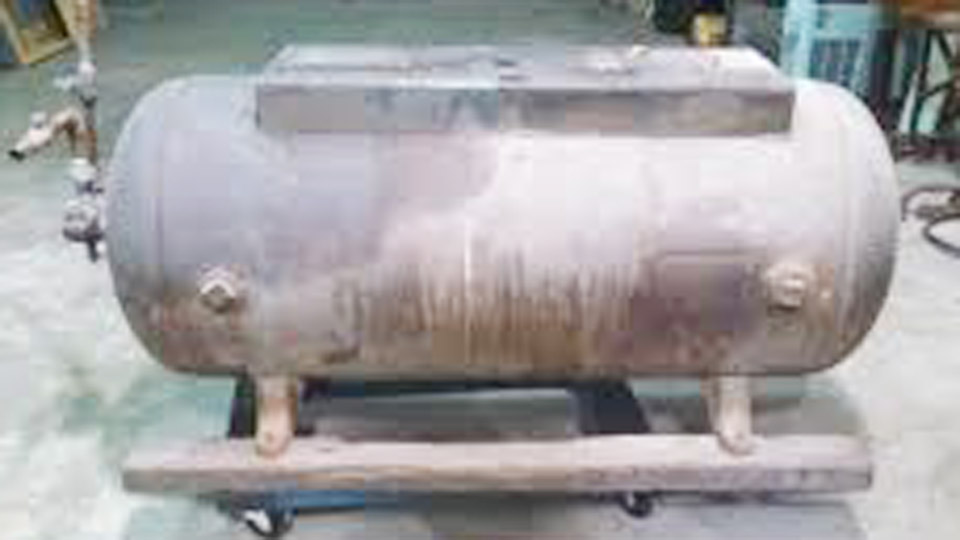
Image by bbq-brethren
Why Interior Tank Coating Matters More Than Most Welders Realize
Every time you compress air, water vapor turns to liquid inside the tank. That moisture sits against bare steel, especially at the bottom where it pools. Rust forms, weakens the shell, and flakes off into your air system.
For DIY welders and pros running MIG or TIG setups daily, this means contaminated air that ruins welds, fouls guns, and forces constant filter changes.
I’ve pulled apart old 60- and 80-gallon tanks that looked decent outside but had 1/8-inch rust scale inside. One good coating job upfront prevents that. It also buys you time if you ever need to weld repairs on the tank exterior—something I only recommend in controlled situations with proper prep and testing.
Understanding How Rust Attacks Air Compressor Tanks
Rust isn’t just surface ugly—it’s a progressive problem. Condensation carries dissolved oxygen and often picks up acids from the intake air in dirty shops. Mild steel tanks (the standard on most US-made compressors like Ingersoll Rand, Quincy, or Campbell Hausfeld) have no natural defense once the factory primer wears or condensation bypasses it.
Common failure points:
- Bottom seam and drain valve area
- Weld joints inside the tank
- Areas around port fittings where moisture collects
Left unchecked, you end up with pinhole leaks under pressure—never a fun discovery mid-project.
When You Should Coat the Inside of Your Tank
Do this job whenever you have the tank apart for service, on a new bare tank build, or when you spot rust in the drain water. Best times:
- During annual deep maintenance
- When converting a surplus propane or freon tank into a receiver (common fab shop hack)
- Before installing in a humid welding bay or outdoor setup
If your compressor runs daily with an undersized tank, coat it sooner. The cycle of heating/cooling creates more condensation.
Best Coatings for Air Compressor Tanks: What Actually Works in the Shop
From years of trying different products on customer rigs and my own setups, here are the standouts:
Epoxy Sealers (Top Choice)
- POR-15 Fuel Tank Sealer or KBS Tank Sealer System
- Two-part formulas that cure rock-hard yet flexible enough to handle tank expansion
- Excellent chemical resistance to compressor oil mist and acidic condensate
Zinc-Rich or Novolac Epoxies
- Great for high-humidity welding shops
- Provide some cathodic protection if the coating gets scratched
Rust-Oleum or Similar Primers (Budget Option)
- Works okay for lighter duty but doesn’t match true tank sealers for longevity
Avoid standard spray paints or latex—they flake and clog lines. I’ve seen that disaster more than once.
Comparison Table: Interior Coating Options
| Coating Type | Adhesion to Rusty Steel | Durability in Humid Shop | Ease of Application | Cost for 60-Gal Tank | Best For |
|---|---|---|---|---|---|
| POR-15 / KBS Epoxy | Excellent | 10+ years | Slosh & roll | $60-90 | Daily welding use |
| Zinc-Rich Epoxy | Very Good | 8-12 years | Professional spray | $80-120 | High humidity |
| Rust-Oleum Primer | Good (with prep) | 5-8 years | Slosh | $20-40 | Light/occasional use |
| Fuel Tank Sealer Kits | Excellent | 8-15 years | Pour & rotate | $50-80 | DIY fab tanks |
Step-by-Step: How to Coat Inside of Air Compressor Tank Like a Pro
Safety First
Depressurize completely, disconnect power, and drain all water. Work in a well-ventilated area—fumes from cleaners and coatings are strong. Wear proper respirators.
Step 1: Thorough Cleaning and Rust Removal
Remove fittings if possible for better access. Flush with hot soapy water, then use a phosphoric acid-based rust converter or etcher. Let it dwell, agitate by rolling the tank, and rinse multiple times until water runs clear. Dry completely—use compressed air, heaters, or let it sit in a warm shop for days. Moisture trapped under the coating is your enemy.
Step 2: Surface Prep
For heavy rust, wire wheel or grind accessible areas. For full interior, the acid etch does most of the work. Wipe with MEK or recommended solvent to remove oils.
Step 3: Mixing and Applying the Coating
Mix your two-part epoxy exactly per instructions—temperature matters. Pour in the recommended amount (usually 1 quart to 1 gallon depending on tank size). Seal openings and roll/rotate the tank in every direction for 10-15 minutes to cover seams, top, and bottom evenly. Drain excess back into the can for reuse if clean.
Step 4: Curing
Prop the tank to drain residue and allow full cure—usually 24-72 hours, longer in cool shops. Some guys bake lightly with heaters for faster, harder cure.
Pro tip from the shop floor: Do this on a warm day above 60°F for best flow and cure.
Common Mistakes Welders and DIYers Make
- Skipping deep drying—coating fails in weeks
- Using too much product, leading to thick puddles that never cure
- Poor rotation—top and weld seams stay bare
- Ignoring oil contamination from the compressor
- Applying in cold shop conditions
I’ve fixed more than one botched job where the owner poured coating but didn’t roll it enough. The bottom was protected, but the sides rusted worse.
Welding Considerations When Working on Compressor Tanks
If you’re building a custom receiver or repairing one, choose filler metals carefully. For mild steel tanks, 7018 stick or ER70S-6 MIG wire gives good penetration with minimal distortion. Keep amperage in the sweet spot—around 90-130 amps for 1/8" plate depending on thickness and position.
Joint prep is critical: clean to bright metal, bevel edges for full penetration. Always hydrostatic test repairs to 1.5x working pressure before putting back in service. Personally, I prefer building new over patching old pressure vessels unless it’s a simple exterior reinforcement.
For port fittings, use proper thread sealant rated for air and pressure. Avoid welding near the tank while pressurized—empty and vent it.
Preventing Rust Long-Term: Beyond Just the Coating
Coating inside of air compressor tank is your foundation, but pair it with good habits:
- Drain the tank daily after use
- Install an automatic drain valve
- Add a refrigerated dryer or good coalescing filter
- Mount the tank elevated for better drainage
- Check moisture levels in your shop air
In humid welding environments like coastal areas or summer Midwest shops, these steps compound the protection from your interior coating.
Material Compatibility and Shop Realities
Most coatings work fine with standard compressor oils, but check specs if you run synthetics. For food-grade or paint spray applications, choose NSF-rated or non-contaminating sealers. In a fab shop running plasma, MIG, and grinders, standard epoxy tank sealers hold up great.
Real-World Results I’ve Seen
One buddy coated his 80-gallon vertical tank five years ago with KBS. It lives in a non-climate-controlled shop in the South. Drain water still runs mostly clear, no flakes, and the tank holds pressure like new. Compare that to uncoated units from the same era now showing heavy pitting.
Taking It Further: Custom Builds and Upgrades
When fabricating your own tank from rolled plate or repurposed vessels, plan coating access. Add a large inspection port if possible. Use quality plate (A36 or better) and proper ASME-style welds where required for safety.
Key Takeaways for Your Shop
You’ve now got the exact process, product recommendations, and hard lessons from years on the floor. Proper cleaning, the right epoxy sealer applied with full coverage, and basic maintenance habits will keep your compressor running clean and reliable for years. No more rust-contaminated air messing with your welds or tools.
The strongest advice I give every trainee or customer: Treat the inside of that tank as seriously as you treat your weld prep. A few hours of work now saves hundreds in replacements and downtime later. Drain it religiously, and your coated tank will outlast the compressor pump itself.


