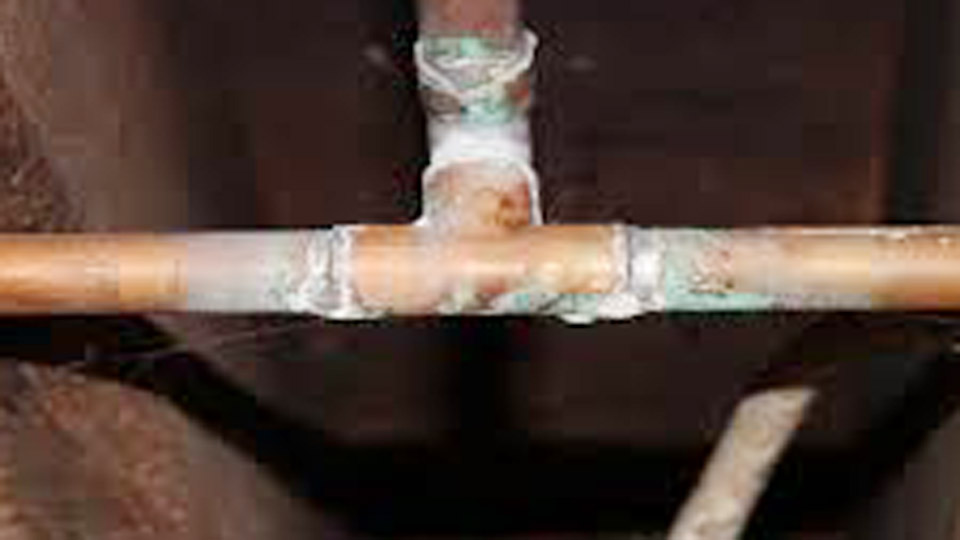
The copper pipe looked almost black under the shop light, covered in years of tarnish and oxidation that wouldn’t wipe off no matter how hard I scrubbed it. I grabbed expensive cleaners at first, thinking stronger chemicals were the answer.
But after plenty of trial and error in the workshop, I found that How to Clean Badly Tarnished Copper with Vinegar is one of the simplest and most effective methods when it’s done the right way.
The problem with badly tarnished copper is that it doesn’t just look rough — heavy oxidation can make fittings harder to inspect, ruin the appearance of finished projects, and even interfere with soldering or electrical contact in some cases.
Use the wrong cleaning method, and you can scratch the surface, leave uneven spots, or waste hours fighting stains that keep coming back.
I’ve cleaned old copper pipes, decorative pieces, grounding bars, and workshop tools using vinegar mixtures that cut through grime without damaging the metal. The trick is knowing the right combination, timing, and finishing steps so the copper comes back bright instead of blotchy.
If you want a simple method that actually works without expensive products or harsh chemicals, I’ll show you the exact process that gives the best results in real workshop conditions.
Image by marthastewart
Why Clean Copper Before Welding or Brazing?
Copper forms a tough oxide layer almost immediately when exposed to air, especially after heating. That layer acts as a barrier. In TIG or MIG welding of copper, it leads to incomplete fusion, inclusions, and porosity. For soldering or brazing copper pipe and fittings—common in HVAC, plumbing repairs, or electrical work—oxides stop the solder from wetting the surface properly.
I’ve seen joints that looked okay visually but leaked or cracked later because the surface wasn’t truly clean. Proper cleaning improves penetration, reduces amperage issues from poor conductivity, cuts down on post-weld cleanup, and saves time and material on rework.
For deoxidized copper alloys used in welding, skipping this step risks hydrogen embrittlement or other defects when heat hits trapped oxides.
Understanding Copper Tarnish and Oxidation
Tarnish on copper starts as a dull brown or black layer (copper oxide) and can progress to green patina (copper carbonate or chloride) in humid or outdoor environments. Badly tarnished pieces often have thick, flaky scale from previous heating cycles, like on recycled bus bars or old stills.
The vinegar-salt method works through a simple acid-metal reaction. Acetic acid reacts with copper oxide to form soluble copper acetate, while salt increases conductivity and helps lift the tarnish. It’s gentle enough for detailed parts but powerful on heavy scale with soak time.
When to use it: For decorative restoration, electrical contacts, pre-weld prep on copper alloys, or post-weld oxide removal on small parts. It’s ideal when you want to avoid abrasives that might embed particles or change dimensions on precision components.
Materials and Safety Setup for Vinegar Cleaning
Gather these before starting:
- White distilled vinegar (5% acidity standard)
- Table salt or sea salt (non-iodized works best)
- Plastic or glass container (avoid reactive metals)
- Soft cloths, microfiber towels, or non-abrasive pads
- Old toothbrush or soft brush for details
- Gloves and eye protection
- Baking soda for neutralization
- Clean water for rinsing
Work in a well-ventilated area. Vinegar fumes are mild but can irritate. Wear nitrile gloves—prolonged exposure dries skin. Keep it away from sensitive electronics or aluminum parts nearby, as the solution can affect them.
Step-by-Step: How to Clean Badly Tarnished Copper with Vinegar
The Basic Soak Method for Heavy Tarnish
Prepare the solution: In a plastic bucket or tub, mix 1 gallon of white vinegar with 1 cup of salt. Stir until dissolved. For smaller batches, use 1 tablespoon salt per cup of vinegar.
Submerge the copper: Place your parts in the solution. Ensure full coverage. For very large pieces, work in sections or use a spray bottle/paste.
Soak time: Start with 15-30 minutes for moderate tarnish. For badly oxidized or post-weld scale, leave overnight or up to several hours. Check periodically—the solution turns blue-green as oxides dissolve.
Agitate and brush: Remove and gently brush with a soft brush. Stubborn spots benefit from a vinegar-salt paste rubbed in circles.
Rinse thoroughly: Use cool or lukewarm water. Hot water can cause flash tarnish on clean copper.
Neutralize: Dip in a baking soda-water solution (1-2 tablespoons per quart) to stop acid residue, then rinse again.
Dry immediately: Use compressed air or clean towels. Moisture leads to new oxidation. For welding prep, finish with a solvent wipe like acetone if needed for absolute cleanliness.
I’ve brought crusty old copper bus bars back to bright pink this way. The difference in arc stability during TIG welding is night and day.
Paste Method for Vertical Surfaces or Spot Cleaning
Mix equal parts salt and flour with enough vinegar to form a thick paste. Apply to the tarnished area, let sit 20-60 minutes, scrub lightly, and rinse. This works great for pipes in place or large fabrications you can’t soak.
Quick Wipe for Light Tarnish
Spray vinegar, sprinkle salt, wait a minute, wipe with a cloth. Repeat as needed. Perfect for last-minute joint prep on copper fittings before brazing.
Vinegar Cleaning vs. Other Methods: Pros, Cons, and Shop Comparisons
Vinegar + Salt
Pros: Cheap, safe, effective on oxides, no harsh fumes, eco-friendlier.
Cons: Slower on very thick scale, requires rinsing/neutralizing, can leave residue if not done right.
Commercial Copper Cleaners or Pickling Solutions
Pros: Faster, sometimes built-in inhibitors.
Cons: Expensive, more aggressive, disposal issues in a shop.
Mechanical Abrasion (Emery cloth, wire brush, flap disc)
Pros: Immediate shine, good for weld bevels.
Cons: Can embed grit, changes surface profile, labor-intensive on complex shapes.
Citric Acid or Other Acids
Similar to vinegar but stronger—use with more caution on thin copper.
In my experience, vinegar handles 80% of shop jobs perfectly. I combine it with light abrasion for critical welds.
| Method | Best For | Time | Cost | Welding Prep Quality |
|---|---|---|---|---|
| Vinegar + Salt | Heavy tarnish, soakable parts | 20 min – overnight | Very Low | Excellent |
| Abrasive Only | Joint edges, bevel prep | Immediate | Low | Good (if clean) |
| Commercial Pickle | High volume | Fast | Medium | Very Good |
| Ketchup/Lemon | Light household | Quick | Low | Fair |
Copper Welding Considerations After Cleaning
Once clean, copper welds differently than steel. High thermal conductivity means it pulls heat away fast, so you often need higher amperage or preheat.
For TIG (GTAW) on copper: Use DCEN, pure argon or helium mix, 1/16″ or 3/32″ tungsten. Amperage: 100-300+ amps depending on thickness. Deoxidized filler like ERCu or silicon bronze.
SMAW: Rare for pure copper but possible with special rods.
Joint prep: After vinegar clean and dry, bevel edges for thicker material (>1/8″). Clean within minutes of welding to prevent re-oxidation.
Always test settings on scrap. Preheat thicker sections to 300-600°F to reduce distortion and improve penetration.
Common Mistakes I See in Shops
- Skipping the rinse/neutralize step—residual acid causes pitting or future corrosion.
- Using vinegar on hot metal or leaving it too long without checking (over-etching thin sheets).
- Not drying thoroughly—new tarnish forms before welding.
- Mixing with incompatible metals in the same soak.
- Abrading too aggressively after chemical clean, re-contaminating the surface.
- Ignoring ventilation or PPE—small mistakes add up.
Beginners often underestimate how quickly clean copper re-tarnishes. Pros know to clean right before the torch or arc.
Post-Weld Copper Cleaning with Vinegar
Welded or brazed copper often shows heavy heat-induced oxides. The vinegar soak shines here for small parts—submerge overnight and the scale loosens beautifully. For larger assemblies, use the paste or targeted wiping followed by a neutralizing rinse. This restores appearance and prevents ongoing corrosion in service.
Preventing Future Tarnish in the Shop
Store clean copper in dry conditions, ideally with desiccant or wrapped. Apply a thin coat of WD-40 or dedicated protectant for storage. For electrical or decorative pieces that stay bright, lacquer or wax after cleaning. In humid climates like coastal areas, clean more frequently.
For welding stock, keep it oiled lightly and clean only what you’ll use that day.
Advanced Tips from the Bench
- For scrap copper upgrading: Soak in vinegar-salt, rinse well, and dry fast. It can improve appearance and sometimes grade for resale, though bare bright is the goal.
- Combine with ultrasonic cleaners for intricate jewelry or small fittings if your shop has one.
- Test a small area first on unknown alloys—some brass or coated pieces react differently.
- In production, track solution strength; it weakens as copper saturates.
Real-World Example: Repairing a Copper Heat Exchanger
A customer brought in an old unit with heavy green scale. We soaked removable sections overnight in the vinegar mix. Brushed lightly, rinsed, neutralized, and dried. TIG welded repairs with ERCu filler at proper preheat. The joints flowed perfectly, and the restored bright copper looked factory-new. Without the clean, we’d have fought porosity the whole time.
Key Takeaways for Better Copper Work
Cleaning badly tarnished copper with vinegar delivers reliable, oxide-free surfaces for welding, brazing, and soldering. Master the soak and paste methods, understand your rinse and dry steps, match the process to the job, and combine with smart thermal management for copper’s high conductivity. Avoid the common pitfalls of incomplete rinsing or delayed welding after cleaning.
You’re now set up to handle copper projects with confidence—whether it’s a one-off repair, production fab, or student project. The next time you pull out a piece of dull, crusty copper, you know exactly how to bring it back to workable, bright metal.
Clean it like your weld depends on it—because it does. Then weld it while it’s still fresh. A few extra minutes on prep saves hours of grinding out bad beads later.
FAQ
How long should I soak badly tarnished copper in vinegar?
For heavy scale, 1- several hours or overnight works best. Light tarnish lifts in 15-30 minutes. Check every 30 minutes on delicate pieces to avoid over-etching.
Does vinegar damage copper or change its properties for welding?
Used properly with thorough rinsing and neutralization, no. It removes oxides without attacking the base metal significantly. Always dry completely before welding.
Can I use this method on copper pipes before soldering?
Yes—excellent for fittings and pipe ends. Follow with flux immediately after drying for best results. Mechanical cleaning like emery cloth pairs well for the joint area.
What if the copper still looks dull after vinegar cleaning?
It may need a second treatment, light brushing, or follow-up with a baking soda scrub. Some patina is stubborn; combine methods for best shine.
Is vinegar cleaning safe for all copper alloys?
Generally yes for pure copper and common alloys, but test first on unknowns like heavily leaded or coated pieces. Avoid prolonged exposure on thin or soldered assemblies.