

Cold cracking in welding is a problem that many welders face, but not everyone fully understands it. This issue can cause serious damage to welded structures, especially in construction, shipbuilding, and heavy machinery.
If you’re a beginner or even an experienced welder, knowing what cold cracking is, why it happens, and how to prevent it can help you produce safer, stronger welds.
Cold cracking is not just about the quality of your weld. It also affects the safety of the finished product, the cost of repairs, and the reputation of your work. Many people confuse it with other types of cracking, but cold cracking has its own reasons and dangers.
In this article, you will learn everything you need to know about cold cracking in welding, from its causes to how to avoid it, and why it matters in the real world.
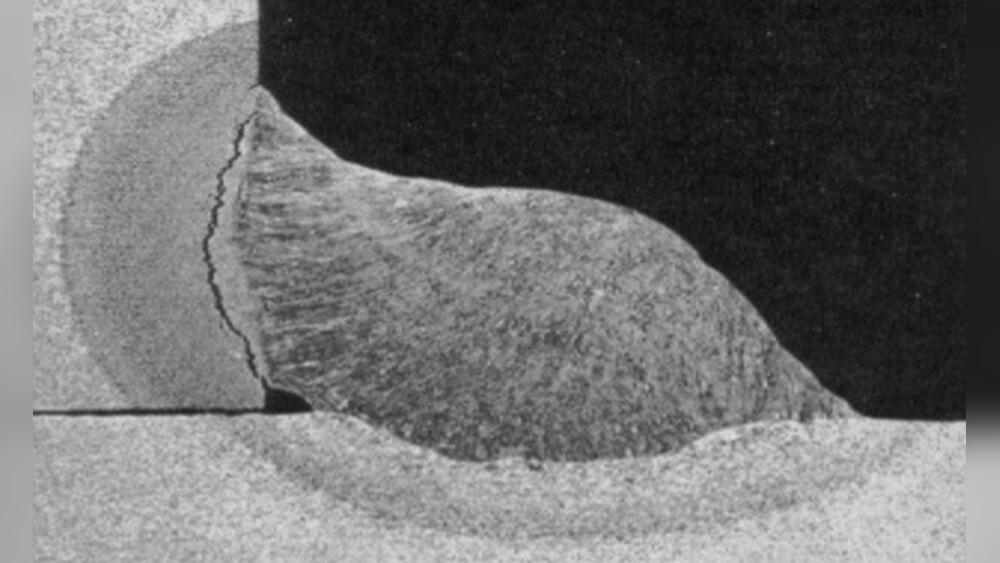
Image welderdestiny
What Is Cold Cracking?
Cold cracking, also called delayed cracking, is a type of weld defect that appears after the weld has cooled down. Unlike hot cracking, which happens during welding, cold cracking can show up hours or even days after the welding process is finished.
The main feature of cold cracking is that it often forms below the surface. This makes it hard to see with the naked eye. Cold cracks can weaken the welded joint, leading to sudden failure under stress.
Why Is It Called Cold Cracking?
The term “cold” refers to the fact that these cracks appear when the metal is at room temperature or cooler, not during the hot welding process. The cracks develop as the weld and the surrounding area are cooling, sometimes long after the welder has left the site.
Where Does Cold Cracking Usually Occur?
Most cold cracks appear in the heat-affected zone (HAZ), which is the area just outside the weld metal. This zone experiences rapid heating and cooling, making it more likely to develop problems. Cracks can also form inside the weld metal itself, but this is less common.
Causes Of Cold Cracking
Cold cracking does not happen by accident. It usually results from a combination of factors. Understanding these causes can help you reduce the risk.
Hydrogen Presence: Hydrogen is a major enemy in welding. Moisture in electrodes, flux, or the workpiece can release hydrogen. When hydrogen enters the weld, it can cause cracks as the weld cools.
High Stresses: As welds cool, they shrink. This shrinking creates stress, especially if the welding was done on thick plates or joints with tight gaps.
Hard Microstructure: If the weld or HAZ forms a hard, brittle structure (like martensite in steel), it is more likely to crack under stress.
Low Temperatures: Cold cracking is more common in cold environments. If the metal cools too quickly, it becomes brittle and more prone to cracking.
Poor Welding Technique: Mistakes like improper joint preparation or incorrect welding speed can increase the chances of cold cracking.
Impurities in Metal: Elements like sulfur, phosphorus, or high carbon can make metal more prone to cracking.
Restraint of the Welded Joint: If the welded parts cannot move or flex, the stress from cooling is higher.
Example: Hydrogen-induced Cracking
A common example is welding thick steel plates with a damp electrode. The moisture releases hydrogen, which enters the weld. As the weld cools, the hydrogen tries to escape, causing cracks in the HAZ.
Types Of Cold Cracking
Cold cracking can appear in different ways. Understanding the types helps you identify the problem faster.
1. Heat-affected Zone (haz) Cracking
This is the most common type. It happens just outside the weld, where the base metal has been heated but not melted. The HAZ is often hard and brittle, especially in high-strength steels.
2. Weld Metal Cracking
Sometimes, cracks form inside the weld itself. This is less common but can happen if there is too much hydrogen or if the weld is very hard and brittle.
3. Toe Cracking
Toe cracks form at the edge where the weld meets the base metal. These are often caused by high stress and hard microstructures.
4. Root Cracking
Root cracks appear at the bottom of the weld. They are hard to see and often require special testing to detect.
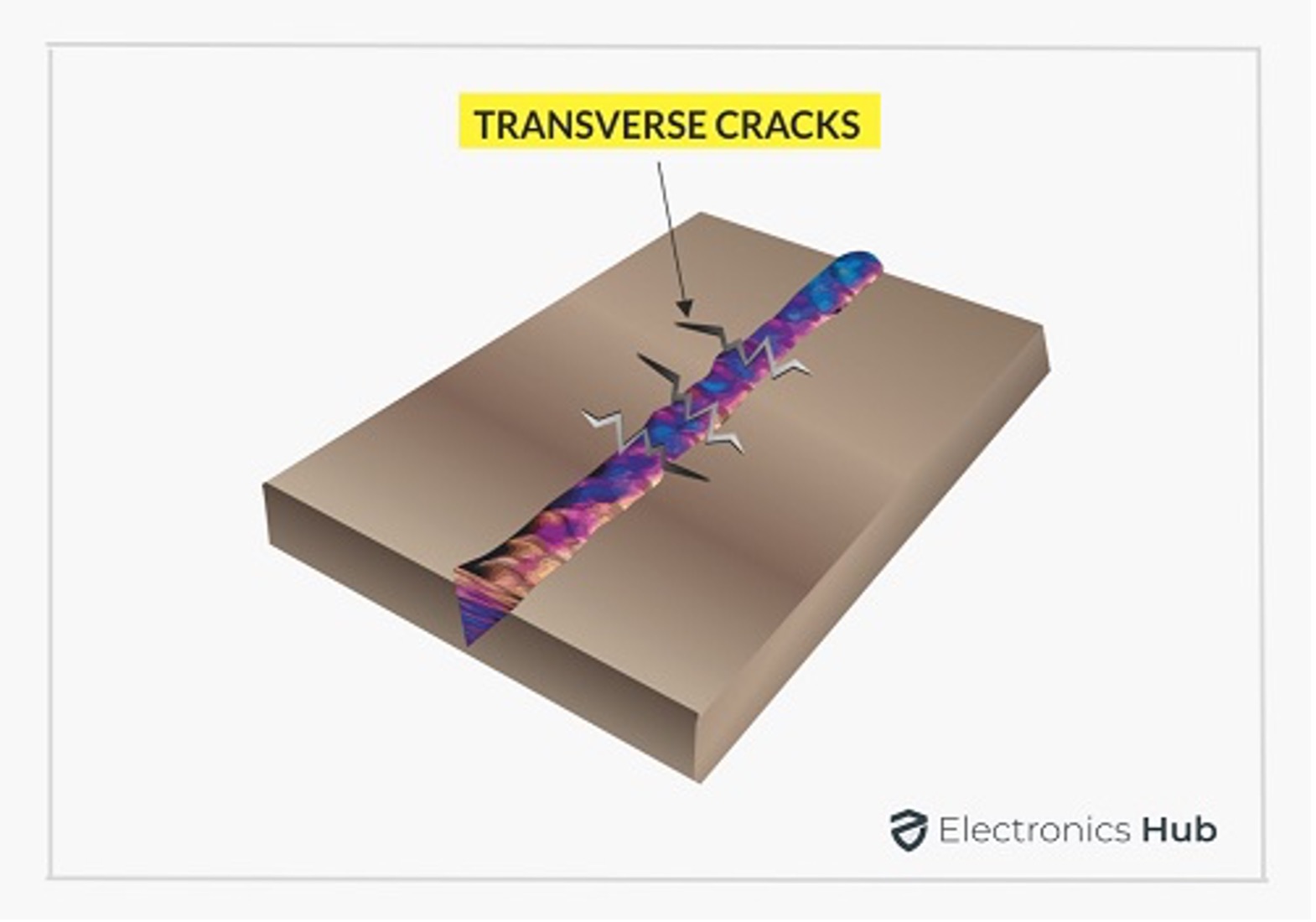
5. Transverse Cracking
Transverse cracks run across the weld. They can be caused by high stress or poor joint design.
How To Detect Cold Cracking
Detecting cold cracks is difficult because they can be hidden below the surface. Here are the main ways to find them:
- Visual Inspection: Sometimes, cracks are visible, but many are not. Look for signs like surface lines or changes in color.
- Magnetic Particle Testing (MPT): This method uses magnetic particles to find cracks just below the surface.
- Ultrasonic Testing (UT): Sound waves are used to find cracks deep inside the weld.
- Radiographic Testing (RT): X-rays can reveal internal cracks.
- Dye Penetrant Testing (DPT): A special dye is applied to the surface; it seeps into cracks and makes them visible.
Data Table: Comparison Of Crack Detection Methods
Here’s a quick comparison of common crack detection methods.
| Method | Depth Detection | Cost | Speed |
|---|---|---|---|
| Visual Inspection | Surface Only | Low | Fast |
| Magnetic Particle Testing | Surface/Subsurface | Medium | Medium |
| Ultrasonic Testing | Deep/Internal | High | Medium |
| Radiographic Testing | Deep/Internal | High | Slow |
| Dye Penetrant Testing | Surface Only | Medium | Fast |
The Role Of Hydrogen In Cold Cracking
Hydrogen is often the main cause of cold cracking, especially in steel. Here’s why:
- Hydrogen Atoms are very small. They can easily enter the weld pool during welding.
- As the weld cools, hydrogen tries to escape. If the weld is hard and brittle, the escaping hydrogen forms cracks.
- The problem is worse in thick materials, high-strength steels, and cold environments.
Where Does Hydrogen Come From?
- Moisture in electrodes, flux, or base metal.
- Oil, grease, or dirt on the metal surface.
- Atmospheric humidity.
Practical Insight
Many beginners forget to dry their electrodes or clean the metal properly. This simple mistake can add a lot of hydrogen and increase the risk of cold cracking.
Factors That Increase Cold Cracking Risk
Not all welds are equally vulnerable. Here are some factors that make cold cracking more likely:
- High Strength Steels: These are more likely to form hard, brittle microstructures.
- Thick Plates: Cooling is faster, leading to higher stress and less hydrogen escape.
- Low Temperatures: Cold environments speed up cooling and make metals brittle.
- High Restraint Joints: If the welded parts can’t move, stress builds up.
- High Hydrogen Welding Processes: Processes like manual metal arc (MMA) can introduce more hydrogen.
Data Table: Cold Cracking Risk Factors
Let’s see how different factors compare in terms of risk.
| Factor | Risk Level | Reason |
|---|---|---|
| High-strength steel | High | Brittle microstructure |
| Low-strength steel | Low | Softer microstructure |
| Thick plates | High | Fast cooling, high stress |
| Thin plates | Low | Slower cooling |
| Manual Metal Arc (MMA) | Medium | Higher hydrogen input |
| Gas Metal Arc Welding (GMAW) | Low | Lower hydrogen input |
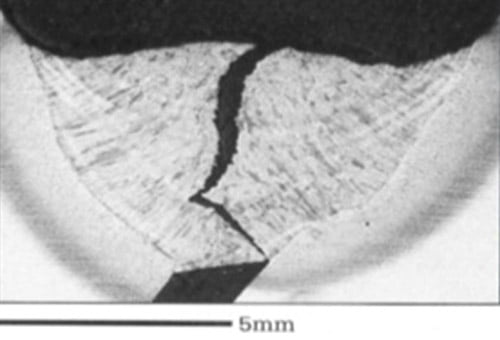
Credit: weldingengineers.co.nz
How To Prevent Cold Cracking
Prevention is better than cure. Here are practical steps you can take to reduce the risk of cold cracking:
1. Control Hydrogen Input
- Use low-hydrogen electrodes.
- Keep electrodes and flux dry.
- Clean base metal before welding.
2. Preheat The Metal
- Preheating slows down cooling, lowers stress, and helps hydrogen escape.
- The right preheat temperature depends on metal thickness and type.
3. Choose Correct Welding Parameters
- Use correct voltage, amperage, and travel speed.
- Avoid high heat input that can create brittle structures.
4. Use Proper Joint Design
- Design joints to minimize restraint and stress.
- Avoid tight gaps and sharp corners.
5. Post-weld Heat Treatment (pwht)
- This process involves heating the weld after welding to reduce hardness and allow hydrogen to escape.
6. Monitor Environmental Conditions
- Avoid welding in cold, damp conditions.
- Use windshields or heaters if needed.
7. Select Suitable Base Metal
- Use steels with low impurity levels and low carbon when possible.
8. Apply Correct Welding Sequence
- Weld in a way that reduces stress buildup (for example, staggered welding).
Practical Insight
Many welders skip preheating because it takes time. However, not preheating thick or high-strength steel is one of the most common mistakes leading to cold cracks.
Real-world Example: Cold Cracking In Bridge Construction
A bridge project in Japan used high-strength steel for its beams. After welding, cracks appeared days later. The cause was a combination of low temperatures, high restraint, and moisture in the electrodes. The repair cost was over $400,000 and delayed the project by months.
This example shows how cold cracking can have serious financial and safety consequences.
Cold Cracking Vs. Hot Cracking
People often confuse cold cracking with hot cracking. Here’s how they differ.
Comparison Table: Cold Vs. Hot Cracking
| Feature | Cold Cracking | Hot Cracking |
|---|---|---|
| When it occurs | After weld cools | During welding |
| Main cause | Hydrogen, high stress | Impurities, solidification |
| Location | HAZ, weld metal | Weld metal |
| Detection | Often hidden | Usually visible |
| Prevention | Preheat, low-hydrogen | Clean metal, correct alloy |
Impact Of Cold Cracking On Weld Quality
Cold cracks can ruin the quality and safety of a weld. Some impacts include:
- Reduced Strength: Cracks weaken the joint, making it unsafe.
- Risk of Failure: Structures may fail under load, leading to accidents.
- Costly Repairs: Detecting and fixing cracks is expensive.
- Reputation Damage: Poor welds hurt the welder’s reputation.
Example: Shipbuilding
In shipbuilding, cold cracks can cause leaks or structural failure. Ships must pass strict inspections, and cold cracks can lead to rejection of entire sections.
Credit: esab.com
Common Mistakes Leading To Cold Cracking
Beginners often make these mistakes:
- Using damp electrodes or flux.
- Not cleaning the base metal.
- Skipping preheating on thick/high-strength steel.
- Welding too fast or too slow.
- Not checking environmental conditions.
Non-obvious Insight
A mistake often missed is welding in the evening or night when temperatures drop. The metal cools faster, increasing cracking risk. Always check the temperature before starting.
Materials Most Affected By Cold Cracking
Not all metals suffer from cold cracking equally. Here are the most affected:
- High-strength steels: Most vulnerable due to hard microstructure.
- Medium carbon steels: Some risk, especially with impurities.
- Low carbon steels: Lower risk, but still possible with poor technique.
- Aluminum, copper: Rare, but possible with wrong parameters.
Practical Advisor Tip
If you’re welding high-strength steel, always follow strict controls. For low carbon steel, you can be more flexible but never ignore cleanliness and drying.
Cold Cracking In Different Welding Processes
Cold cracking risk depends on the welding process used.
- Manual Metal Arc (MMA): Higher risk due to hydrogen in electrodes.
- Gas Metal Arc Welding (GMAW/MIG): Lower risk, less hydrogen.
- Submerged Arc Welding (SAW): Medium risk, depends on flux moisture.
- TIG Welding: Lowest risk, as it uses inert gas and dry electrodes.
Non-obvious Insight
Some welders think TIG welding is always safe. But TIG welding can still cause cold cracks if the metal is not preheated and cleaned properly.
Testing And Quality Control For Cold Cracking
Quality control is vital to catch cold cracks before they cause problems. Here’s what you should do:
- Test weld samples before starting production.
- Use non-destructive testing (NDT) methods like ultrasonic or magnetic particle.
- Inspect after several hours or days, since cracks can be delayed.
- Keep records of environmental conditions and welding parameters.
Example: Quality Control In Pipeline Welding
Pipeline companies often perform ultrasonic testing hours after welding to catch delayed cracks. This saves millions in repair costs.
Repairing Cold Cracks
If cold cracks are found, repairs must be done carefully.
- Remove the cracked area by grinding or gouging.
- Re-weld using low-hydrogen methods.
- Preheat and post-weld heat treat if needed.
- Retest the weld to ensure the crack is gone.
Practical Advisor Tip
Always repair cracks as soon as possible. Delaying repairs can make cracks worse and increase risks.
Cold Cracking In Welding Codes And Standards
Many welding codes, like AWS D1.1 (American Welding Society) and ISO standards, include rules to prevent cold cracking. They specify:
- Preheat requirements
- Electrode storage conditions
- Inspection methods
- Welding sequence guidelines
Following these codes is not just good practice—it’s often required by law or contract.
Advanced Prevention Techniques
For large projects and critical structures, advanced techniques are used:
- Hydrogen Control Chambers: Store and dry electrodes in special chambers.
- Thermal Imaging: Monitor weld temperatures to avoid fast cooling.
- Automated Welding Systems: Control parameters precisely.
Non-obvious Insight
Some companies use mobile drying ovens at the job site. This ensures electrodes and flux are always dry, even in humid environments.
Cold Cracking In Modern Welding Technology
Modern welding has reduced cold cracking risks, but the problem still exists. New technologies include:
- Low-hydrogen electrodes with improved coatings.
- Welding robots that control speed and heat input precisely.
- Sensors that monitor weld temperature and humidity.
Still, human skill and attention remain critical.
Wrapping Up
Cold cracking is a serious challenge for welders, but with proper knowledge and careful practice, it can be managed. By understanding its causes, detection methods, prevention steps, and repair options, you can protect your projects and reputation.
Whether you are welding bridges, ships, pipelines, or simple structures, staying alert to cold cracking ensures safer and stronger results.
Frequently Asked Questions
What Is The Main Difference Between Cold And Hot Cracking?
Cold cracking happens after the weld cools, mostly due to hydrogen and high stress. Hot cracking occurs during welding, mainly from impurities and solidification issues.
How Can I Prevent Cold Cracking In Steel Welding?
You can prevent cold cracking by using low-hydrogen electrodes, preheating the metal, cleaning the base material, and following proper welding codes.
Which Welding Process Has The Highest Risk Of Cold Cracking?
Manual Metal Arc (MMA) welding has the highest risk because it uses electrodes that can absorb moisture and introduce hydrogen.
Can Cold Cracking Be Repaired, Or Must The Weld Be Replaced?
Cold cracks can often be repaired by removing the cracked area and re-welding with proper controls. However, severe cracks may require replacing the welded section.
Are There Any Standards To Help Avoid Cold Cracking?
Yes, standards like AWS D1.1 and ISO welding codes provide guidelines on electrode storage, preheating, and testing to prevent cold cracking.


