
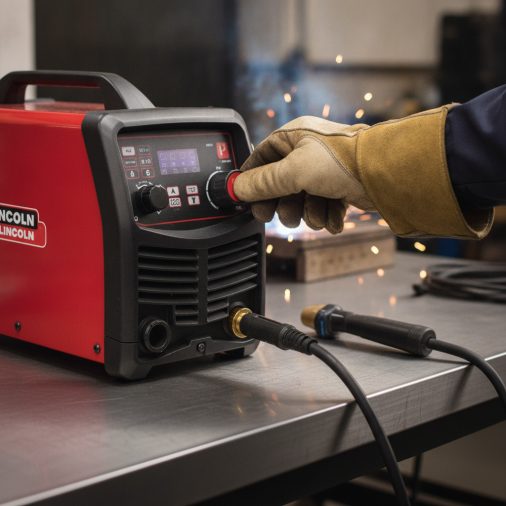
Why Live Adjustments Are Generally Safe on Lincoln Welders
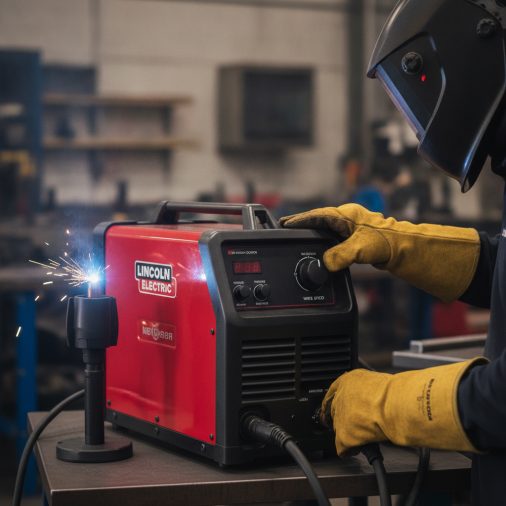
What Actually Happens When You Change Settings Mid-Arc
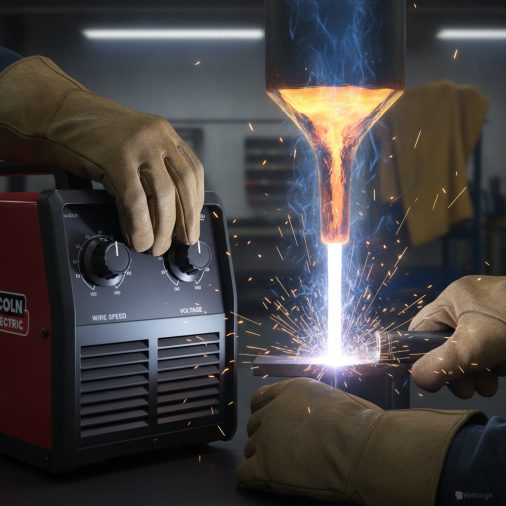
Components Most Affected by Improper Setting Changes
While the internal electronics are generally protected, certain external consumables bear the cost of bad adjustment habits.| Component | Risk From Mid-Arc Adjustments | Typical Result |
|---|---|---|
| Contact tip | Burnback from wire fusion | Tip needs replacement |
| Wire liner | Increased friction from erratic feed | Premature wear |
| Drive rolls | Sudden tension changes | Slippage, groove wear |
| Control potentiometer | Repeated aggressive turning | Gradual wear over time |
| Weld pool | Inconsistent energy | Weak or porous weld |
Settings That Are Safer to Adjust Live vs. Settings That Carry More Risk
Not all adjustments carry equal risk. Understanding which controls are lower-risk helps you work more efficiently without unnecessary worry. Lower-risk adjustments (machine on, not mid-arc): – Voltage selector (between passes) – Wire feed speed dial (between passes) – Gas flow rate at the regulator – Polarity changes (machine off is still recommended here) Higher-risk adjustments (never do these mid-arc): – Wire feed speed during active welding – Voltage while the trigger is held – Switching process modes (MIG to flux core, etc.) – Adjusting the drive roll tension while wire is feeding Polarity changes deserve special mention. Switching from DCEP to DCEN — or vice versa — should always be done with the machine fully powered off. Changing polarity with the machine energized, even without an active arc, risks damaging the internal rectifier or creating a short across the output terminals on some machines. For reference on how Lincoln-specific settings interact across different processes, the Lincoln welder settings chart covers voltage and wire speed combinations that are worth dialing in before you start rather than adjusting mid-run.Habits That Actually Do Cause Long-Term Machine Damage
While adjusting settings on a live Lincoln welder rarely causes immediate failure, certain repeated habits can shorten machine life over time. Aggressive potentiometer turning — spinning knobs quickly and forcefully wears out the internal wiper contact faster than gradual adjustments. This is more of a long-game issue, but it’s worth being deliberate. Running at maximum output consistently — Lincoln machines have a duty cycle rating. Running at or near peak amperage for extended periods without respecting the duty cycle overheats internal components. The machine will trip its thermal protection, but repeated thermal cycling stresses capacitors and transformers over time. Ignoring fan blockage — the internal cooling fan runs when the machine is on. Blocking ventilation slots while adjusting settings or storing items against the welder restricts airflow and causes heat buildup. Welding with a worn contact tip — once a contact tip is partially fused or enlarged from burnback, it creates inconsistent current transfer. Continuing to weld with a damaged tip causes erratic arcs and can create voltage spikes that stress the board. Proper setup and machine configuration on a Lincoln 140 MIG welder from the start reduces the need for mid-session adjustments altogether.When to Power Off Before Making Changes
There are specific situations where powering down completely is the right call — not just best practice but genuinely protective of the machine. – Changing welding wire spools – Switching shielding gas cylinders – Swapping the MIG gun or replacing the liner – Changing polarity connections – Performing any internal maintenance or contact tip replacement – Clearing a wire jam inside the drive mechanism These tasks involve the internal feed path or electrical connections directly. Working on them with the machine energized — even at idle — carries both safety risk to you and potential short-circuit risk to the machine.Practical Approach to Adjusting Settings Confidently
The cleanest approach is to treat each setting change as a brief pause rather than an interruption. Release the trigger, let the arc extinguish completely, then adjust. This takes about three seconds and eliminates all the risks associated with mid-arc changes. In practice, experienced welders often adjust settings between short tack welds to dial in the machine on unfamiliar material or joint configurations. Running a short test bead, stopping, evaluating, then adjusting is faster and more reliable than trying to tweak a live arc. If you want a structured starting point for dialing in settings before you weld, the Lincoln MIG welder settings chart provides voltage and wire speed baselines organized by material thickness.FAQ
Will adjusting the wire feed speed on my Lincoln welder while it’s idle hurt the motor? No. Changing wire feed speed while the machine is on but not actively welding places no abnormal load on the feed motor. The motor only runs when the trigger is pulled. Adjusting the speed control between passes is completely normal and causes no harm to the drive motor or internal circuitry. Can you damage a Lincoln welder’s circuit board by frequently changing settings? Frequent, gradual adjustments through the normal operating range won’t damage the control board. The boards in Lincoln welders are built to handle repeated adjustment. The risk comes from voltage spikes caused by mid-arc changes or from improper polarity switching with the machine energized, both of which can stress electronic components over time. My Lincoln welder started acting erratically after I changed settings mid-weld. What should I check? Start with the contact tip — check for burnback or fusion damage and replace it if the bore is enlarged or melted. Next, inspect the wire liner for kinks or debris caused by an erratic feed event. If the arc behavior is still inconsistent after those checks, verify that the drive roll tension and wire spool brake are set correctly. Is it safe to change the voltage setting on a Lincoln Electric Weld-Pak 140 HD while it’s running between passes? Yes, this is safe and standard practice. The voltage selector on the Lincoln Electric Weld-Pak 140 HD is designed to be adjusted between weld passes. Just make sure the trigger is fully released and the arc is completely extinguished before making any adjustment. Changing voltage while actively welding is what creates problems. Does changing settings on a Lincoln welder void the warranty? Normal setting adjustments — whether the machine is on or off — do not void the warranty. Lincoln Electric warranties cover manufacturing defects. Damage caused by misuse, such as polarity switching with the machine live or running beyond rated duty cycle, may not be covered. Check your specific model’s warranty documentation for details. What happens if you accidentally change the voltage setting mid-weld on a Lincoln MIG welder? The arc will react immediately — typically with increased spatter, a pop, or a sudden change in arc length. The weld quality at that point in the bead will be compromised. The machine itself is unlikely to be damaged from a single accidental change, but the contact tip may need inspection for burnback if the change was significant. Can switching from MIG to flux core mode while the Lincoln welder is powered on damage anything? On most Lincoln models, switching process modes involves changing polarity and possibly adjusting gas connections. Polarity changes should always be made with the machine completely powered off. Attempting this while the machine is energized can create a momentary short across the output and potentially damage the output rectifier or contactor.Adjusting settings on a powered Lincoln welder between passes is a completely normal part of welding — it’s not going to blow up your machine or void your warranty. The real risk is making changes while the arc is active, which leads to burnback, poor welds, and worn consumables. Keep adjustments to the pauses between passes, power down completely for any physical changes to the machine, and your Lincoln welder will handle years of reliable use.


