
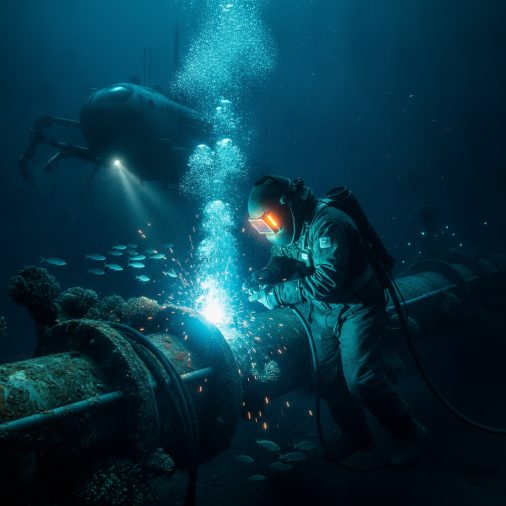
Few welding jobs carry more physical risk or technical complexity than working hundreds of feet below the ocean surface. Deep-sea underwater welding sits at the intersection of commercial diving, structural engineering, and high-stakes fabrication.
Deep-sea underwater welding is a specialised field where certified commercial divers perform welding and cutting operations on submerged structures such as oil platforms, pipelines, ship hulls, and subsea infrastructure. It is divided into wet welding, carried out directly in the water, and dry hyperbaric welding, performed inside a pressurised habitat. Hyperbaric welding is generally preferred for critical structural work because weld quality is far more controllable in a dry environment.
What Structures Require Deep-Sea Welding
Offshore oil and gas infrastructure generates the largest demand. Subsea pipelines, wellheads, jacket structures, and riser assemblies all require periodic inspection, repair, and modification.
Shipbuilding and marine salvage also create demand. Hull fractures, propeller shaft damage, and seabed anchor systems may all need welding at depth.
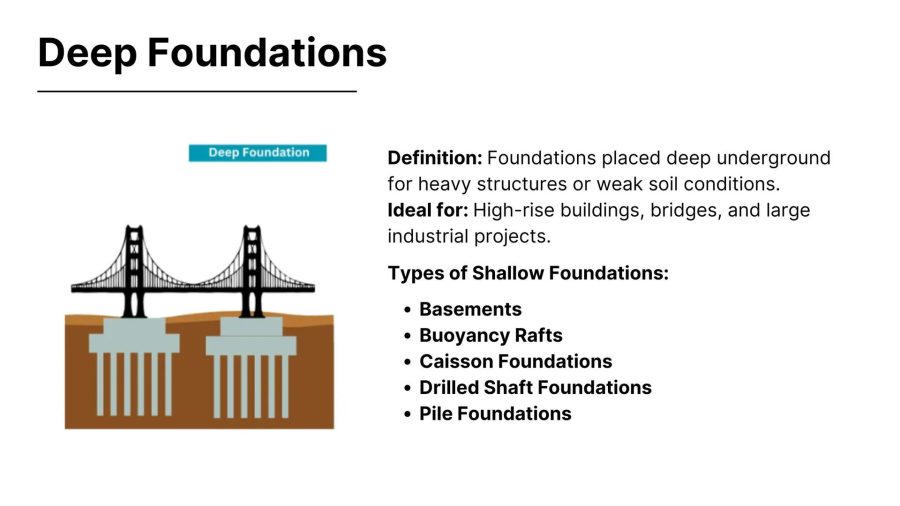
Underwater construction of bridge piers, port infrastructure, and power-plant intake structures rounds out the workload. In all cases, the primary goal is restoring structural integrity to components that cannot be practically raised to the surface.
Wet Welding vs. Dry Hyperbaric Welding
These are the two main approaches, and they serve different purposes.
| Feature | Wet Welding | Dry Hyperbaric Welding |
|---|---|---|
| Environment | Open water | Pressurised habitat |
| Weld quality | Lower, more variable | High, comparable to surface |
| Depth range | Typically shallower work | Can reach several hundred metres |
| Equipment complexity | Relatively simpler | Highly complex, expensive |
| Typical use | Emergency repairs, minor work | Critical structural joints |
| Diver exposure to arc | Direct, in water | Shielded inside habitat |
Wet welding uses waterproof stick electrodes and specially formulated consumables designed to function despite direct water contact. The surrounding water quenches the weld rapidly, which increases the risk of hydrogen cracking and creates a harder, more brittle heat-affected zone compared to surface welding.
Dry hyperbaric welding removes the water entirely. A pressurised habitat or chamber is lowered to the work site and sealed around the structure. The diver-welder works inside the habitat in a dry atmosphere. Because the habitat is pressurised to match the surrounding water pressure, inert gases like helium are often used in the breathing mixture to reduce narcosis risk, and gas composition affects arc characteristics at depth.
The Role of Pressure at Depth
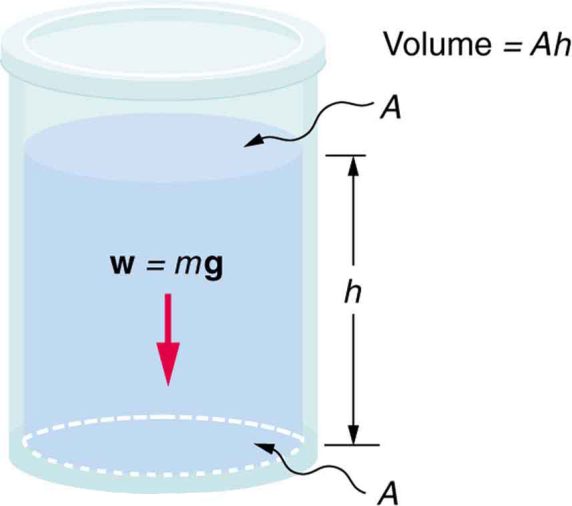
Pressure is one of the most significant engineering variables in deep-sea welding. At depth, the ambient pressure increases by roughly one additional atmosphere for every ten metres of seawater.
This elevated pressure changes how a welding arc behaves. The arc becomes more constricted, voltage requirements increase, and heat input to the weld changes compared to surface conditions. Welding procedure specifications for hyperbaric work must account for these pressure effects.
Hydrogen solubility in the weld pool also increases under pressure. This raises the risk of hydrogen-induced cracking in the heat-affected zone, which is why preheat requirements and electrode selection are taken very seriously in hyperbaric welding procedures.
Welding Processes Used at Depth
Shielded Metal Arc Welding
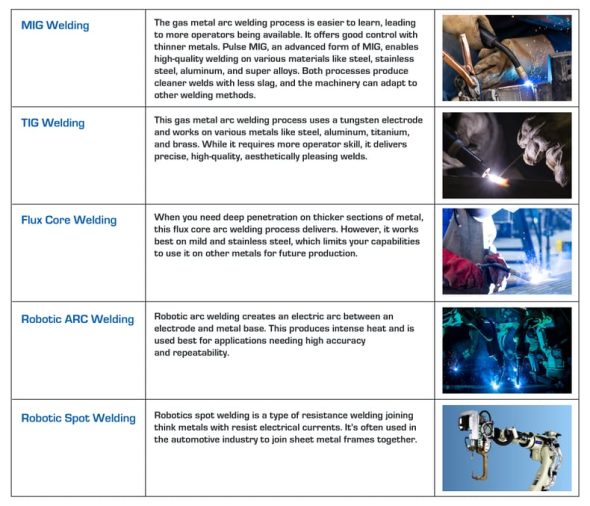
Wet welding almost exclusively uses shielded metal arc welding, commonly known as stick welding. Electrodes for wet welding are waterproofed and formulated to handle the hostile environment. The process is relatively portable, which matters when working directly in the sea.
GTAW and GMAW in Hyperbaric Habitats
Inside a dry habitat, gas tungsten arc welding and gas metal arc welding become viable. These processes produce higher-quality, more consistent welds and are preferred when structural integrity requirements are strict, such as pipeline tie-in welds or pressure-containing components.
Flux-cored arc welding is also used in some hyperbaric applications. The choice depends on the material, joint type, weld quality requirements, and the procedure qualified for that specific job.
Qualifications and Certification
Deep-sea underwater welders are first and foremost commercial divers. Welding ability is added to a diving qualification, not the other way around.
A typical path includes completing commercial diver training through a recognised school, obtaining surface welding qualifications, and then completing specific underwater welding training. In many countries, certifications from organisations such as the Association of Diving Contractors International govern the standards commercial divers must meet.
Welding procedure qualification at depth is handled separately. Hyperbaric welding procedures must be developed, tested, and qualified under recognised standards before they are used on actual structures. A diver performing the work executes a pre-qualified procedure rather than improvising weld settings on the job.
Equipment Used by Deep-Sea Welders
The equipment list is considerably more extensive than surface welding.
Diving equipment includes a deep-sea diving suit, diving helmet with integrated communication, umbilical supply hose for breathing gas, and a tender line connecting the diver to the surface team.
Welding equipment includes a waterproof electrode holder designed to prevent electrocution, a suitable power source on the surface vessel, and ground cables secured to the structure being welded. Surface power sources are often constant-current DC machines, and strict isolation controls are mandatory to prevent electrical current from passing through the diver’s body.
Hyperbaric habitat systems include the pressurised chamber itself, gas management systems, habitat lighting, and communication with the dive control point on the surface.
Safety Hazards Specific to Deep-Sea Welding
The hazard profile is unlike any other welding environment.
Electrocution is the most immediate risk in wet welding. Electrical current and saltwater are a lethal combination. Waterproof electrode holders with specific safety features, strict polarity control, and immediate power cutoff capability at the surface are all essential. Power is typically live only when the electrode is actually in contact with the work.
Decompression sickness occurs when a diver ascends too quickly after working at pressure. Dissolved gases form bubbles in the bloodstream and tissues. Saturation diving systems are used for deep long-duration work specifically to manage this risk by keeping divers at depth pressure for extended periods before a single controlled decompression.
Arc flash and vision present serious problems in water. A welding helmet designed for underwater use provides the necessary optical protection inside a habitat. In wet welding, the welder must manage arc visibility through water turbidity created by the arc itself.
Hydrogen gas accumulation inside a hyperbaric habitat can create an explosive atmosphere. Gas monitoring and ventilation inside the habitat are non-negotiable operational controls.
Structural collapse and entanglement add physical hazards that surface welders do not face. A diver working inside a confined subsea structure has limited escape options.
Weld Quality and Inspection
Wet welds consistently produce lower mechanical properties than equivalent surface welds or dry hyperbaric welds. Rapid quenching by the surrounding water produces a hard, brittle microstructure in the heat-affected zone. Porosity levels are typically higher, and hydrogen cracking is a persistent concern.
For this reason, wet welding is generally limited to non-critical or temporary repairs where surface welding is not possible and the application can tolerate reduced weld performance.
Dry hyperbaric welds can achieve quality levels approaching surface welds when procedures are properly qualified and executed. Inspection methods include visual examination, magnetic particle inspection, and ultrasonic testing, adapted for the underwater and hyperbaric environment.
Post-weld hydrogen bake-out and controlled cooling are sometimes specified to reduce cracking risk in hyperbaric welds on higher-strength steels.
Pay, Working Conditions, and Career Reality
Deep-sea welding is consistently cited among the highest-paying skilled trades. Compensation reflects the extreme physical demands, technical complexity, significant health risks, and the relatively small number of people qualified to do the work.
Working conditions are physically gruelling. Saturation divers may live in pressurised chambers for weeks at a time. Working in cold, dark, high-current water at significant depth while managing welding equipment and communication with the surface requires exceptional composure and physical fitness.
Career longevity can be limited. Repeated saturation dives accumulate long-term physiological stress. Many experienced saturation diver-welders transition into supervisory, inspection, or engineering roles as they progress in their careers.
Frequently Asked Questions
What depth can underwater welders work at?
Wet welding is generally more practical at shallower depths, often within roughly 30 to 100 metres, though depth capabilities depend on the diver’s training and the equipment used. Hyperbaric dry welding has been performed at several hundred metres in saturation diving operations. Each increase in depth adds pressure-related complexity to both the diving and the welding procedure.
Is wet welding as strong as dry welding?
Wet welds generally have lower mechanical properties than dry hyperbaric welds or surface welds. Rapid water quenching increases hardness and brittleness in the heat-affected zone, and porosity tends to be higher. Dry hyperbaric welding inside a pressurised habitat produces significantly better weld quality and is used for structurally critical applications.
What electrode is used for wet welding?
Wet welding typically uses specially formulated, waterproofed shielded metal arc electrodes. These electrodes are designed to sustain a stable arc in direct water contact and to produce a weld pool that resists quenching to some degree. Standard surface electrodes are not suitable for wet welding because moisture destroys their coating performance and creates serious hydrogen contamination risks.
Do underwater welders need a separate welding certification?
Yes. A commercial diving qualification alone is not sufficient. Diver-welders must also hold relevant welding qualifications and demonstrate the ability to execute qualified welding procedures underwater. In practice, welding procedure specifications for hyperbaric or wet welding jobs are developed, qualified by testing, and then executed by the diver according to that pre-approved procedure.
What is saturation diving in the context of welding?
Saturation diving allows divers to live and work at full depth pressure for extended periods, sometimes weeks, before completing a single slow decompression at the end of the operational period. This approach makes deep hyperbaric welding economically and physically viable for long-duration repair campaigns on oil platforms or pipelines, since the diver does not decompress and recompress between each working shift.
How dangerous is deep-sea welding compared to surface welding?
The risk profile is dramatically higher. Electrocution, decompression sickness, nitrogen narcosis, hypothermia, structural entanglement, and equipment failure in a remote environment all contribute to a hazard level that has no real equivalent in surface welding. Strict operational protocols, certified dive supervisors, surface support teams, and equipment designed specifically for the underwater environment are all required to manage these risks.
A Demanding Field That Demands the Right Foundation
Deep-sea underwater welding is one of the most technically and physically demanding occupations in any skilled trade. Wet welding provides a faster, lower-cost option for minor or emergency repairs, but weld quality limitations mean it is not suitable for critical structural work.
Dry hyperbaric welding is the standard for high-integrity joints, but the cost, logistics, and specialised training involved are substantial. Anyone pursuing this career needs a solid commercial diving foundation, recognised welding qualifications, and a clear understanding of the real physiological and safety demands involved.
The high compensation reflects genuine risk, not just depth. No amount of pay changes the fact that every hyperbaric welding operation requires rigorous planning, qualified procedures, and a professional surface support team.


