
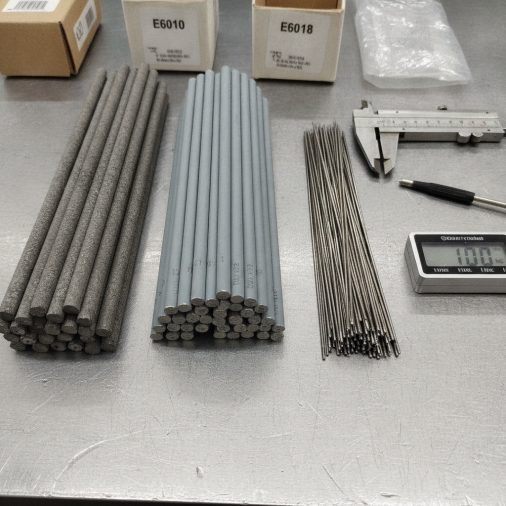
You’re pricing a job or ordering stock and need to know how many stick electrodes come in a kilogram. It sounds simple, but the answer changes depending on which rod you’re using.
The number of welding rods per kilogram depends on the electrode classification, diameter, and length. A 2.5 mm (3/32 in) rod typically weighs between 35 and 55 grams each, giving roughly 18–28 rods per kilogram. A 3.2 mm (1/8 in) rod weighs around 55–80 grams, yielding approximately 12–18 rods per kilogram. A 4.0 mm (5/32 in) rod weighs roughly 90–130 grams, giving around 8–11 rods per kilogram. These are realistic estimates — always check the manufacturer’s data sheet for exact rod count and net weight.
Why Rod Count Varies So Much
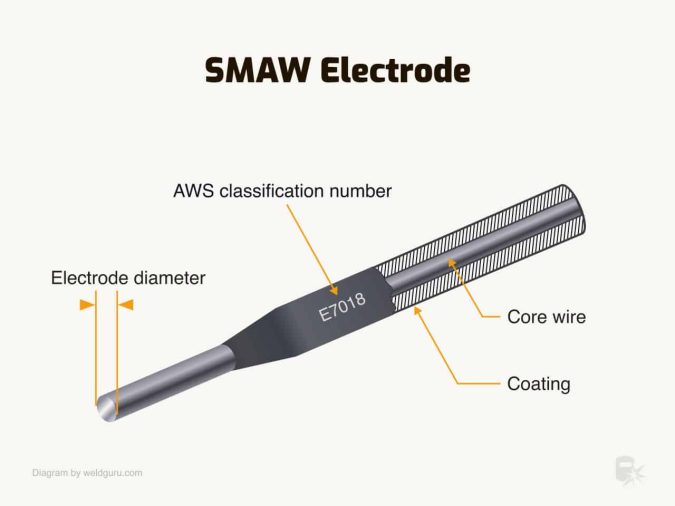
Every electrode has a steel core wire, a flux coating, and sometimes alloy additions baked into that coating. The ratio of coating to core varies considerably between electrode types. A heavily coated rod like the E7018 carries more flux by weight than a lightly coated rod like the E6013, so two rods of the same diameter and length can still weigh noticeably different amounts.
Length also matters. Standard electrode lengths differ by country and manufacturer. Common lengths are 300 mm, 350 mm, and 450 mm. A 4.0 mm rod at 450 mm weighs significantly more than the same diameter at 350 mm, which directly reduces the rod count per kilogram.
Common Electrode Types and Their Typical Rod Counts
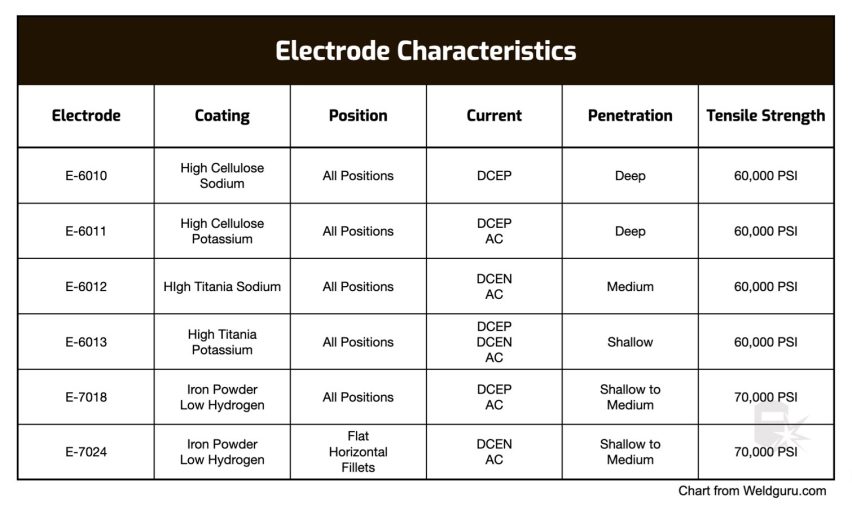
The table below shows approximate rod counts per kilogram for the most widely used mild steel electrodes at standard lengths. These figures are starting estimates. Actual counts depend on the specific manufacturer, coating type, and rod length. Always verify against the product’s technical data sheet.
| Electrode | Diameter | Typical Length | Approx. Weight per Rod | Approx. Rods per kg |
|---|---|---|---|---|
| E6013 | 2.5 mm | 300–350 mm | 35–50 g | 20–28 |
| E6013 | 3.2 mm | 350 mm | 55–75 g | 13–18 |
| E6013 | 4.0 mm | 400–450 mm | 90–120 g | 8–11 |
| E7018 | 2.5 mm | 300–350 mm | 40–55 g | 18–25 |
| E7018 | 3.2 mm | 350–400 mm | 60–80 g | 12–17 |
| E7018 | 4.0 mm | 450 mm | 100–130 g | 8–10 |
| E6011 | 3.2 mm | 350 mm | 55–72 g | 14–18 |
| E6010 | 3.2 mm | 350 mm | 50–68 g | 15–20 |
How Electrode Diameter Relates to Kilogram Packaging
Most electrodes are sold in 1 kg, 2.5 kg, 5 kg, and 10 kg packs or tins. Manufacturers label the net weight of the electrode, which includes both the core wire and the flux coating. The rod count printed on the pack or listed in the data sheet reflects this combined weight.
Smaller diameter rods give you more pieces per kilogram, but they also deposit less weld metal per rod. A 2.5 mm rod suits thin plate and light fabrication. A 4.0 mm rod suits heavier structural work where each pass deposits significantly more metal and fewer electrode changes are needed.
If you’re comparing electrode types for a job, you can find a practical breakdown of the different types of welding rods to help you choose the right classification before you order stock.
Deposition Efficiency and What It Means for Ordering
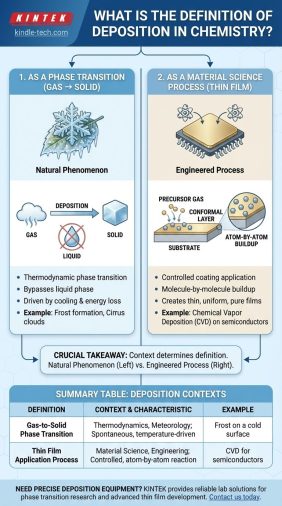
Rod count per kilogram tells you how many physical electrodes you receive. It does not tell you how much weld metal actually ends up in the joint. That is determined by deposition efficiency — the percentage of electrode weight that becomes deposited weld metal rather than slag, spatter, and stub loss.
Typical deposition efficiency for common mild steel electrodes is roughly 60–70%, though it varies by electrode type and operating technique. The E7018 tends toward the higher end of that range due to its iron powder coating. The E6010 and E6011 generally run lower.
Stub loss — the portion of each electrode that cannot be used — also affects your real-world consumption. A 25–35 mm stub per rod is common. Running rods down to a shorter stub wastes less material but requires care not to contaminate the weld near the end of the pass.
For a thorough look at how to calculate total electrode consumption for a job, including deposition rate and joint volume, this welding rod consumption calculation guide walks through the math in practical terms.
Stainless Steel and Low Hydrogen Electrodes
Stainless steel electrodes such as the E308L-16 and E316L-16 are denser than mild steel rods of the same diameter. They typically yield fewer rods per kilogram than an equivalent mild steel electrode. A 3.2 mm stainless rod may weigh 65–90 grams depending on length and alloy content, putting the rod count closer to 11–15 per kilogram.
Low-hydrogen electrodes like the E7018 also have a thicker, heavier coating compared to rutile types like the E6013. This is worth accounting for when estimating quantities for structural or code-governed work, where the E7018 is commonly specified.
If you’re referencing amperage alongside electrode size for a job, a stick welder settings chart covering amps and rod selection is a useful companion reference.
Practical Estimation Method
If you need a quick field estimate and don’t have a data sheet, use this approach:
- Weigh a single rod on a kitchen or postal scale in grams.
- Divide 1000 by that gram weight.
- The result is your approximate rod count per kilogram.
For example, if one E6013 3.2 mm rod weighs 65 g, then 1000 ÷ 65 ≈ 15 rods per kilogram. This method is fast and accurate enough for purchasing decisions on most general fabrication and maintenance work.
Choosing the Right Diameter for Your Job
Selecting the correct electrode diameter affects both rod consumption and weld quality. Larger electrodes deposit more metal per pass but require higher amperage, which may be unsuitable for thin material or positional work.
A general starting point for electrode diameter relative to material thickness:
- Under 3 mm plate: 2.0–2.5 mm electrode
- 3–6 mm plate: 2.5–3.2 mm electrode
- 6–12 mm plate: 3.2–4.0 mm electrode
- Over 12 mm plate: 4.0 mm and above, often with multiple passes
These are general guides only. Joint type, welding position, machine capability, and the applicable welding procedure all influence electrode selection. You can cross-reference diameter against amperage ranges using a stick welding amps to metal thickness chart for more precise guidance.
Storage and Handling Notes for Low-Hydrogen Rods
If you’re ordering E7018 or similar low-hydrogen electrodes, rod count per kilogram is only one part of the picture. These electrodes are moisture-sensitive. Once a pack is opened, the rods should be stored in a rod oven at the manufacturer’s recommended temperature, typically 120–150°C, to prevent hydrogen pickup in the weld.
Moisture-contaminated low-hydrogen rods can cause porosity and increase the risk of hydrogen-assisted cracking in certain steels. Never assume a rod that looks intact is fit for use if it has been left exposed to humid conditions for extended periods.
Safety When Handling and Using Stick Electrodes
Always wear a properly rated welding helmet, leather welding gloves, and flame-resistant clothing when stick welding. Electrode coatings produce flux fumes during welding — ensure adequate ventilation or use local exhaust extraction, especially when welding in confined or poorly ventilated spaces.
Do not weld on coated, galvanised, or painted materials without understanding the fume hazards involved. Zinc fumes from galvanised steel, for example, pose a serious health risk. Check the electrode manufacturer’s safety data sheet (SDS) for specific fume and handling guidance.
Frequently Asked Questions
How many E6013 rods are in a 5 kg pack?
For a 3.2 mm E6013 electrode at approximately 60–70 grams per rod, a 5 kg pack typically contains around 70–85 rods. At 2.5 mm, where rods weigh roughly 35–50 grams each, a 5 kg pack may hold 100–140 rods. Exact counts vary by manufacturer and rod length, so check the product label or data sheet.
Does the brand affect how many rods are in a kilogram?
Yes, modestly. Different manufacturers use slightly different core wire diameters, coating formulations, and rod lengths within the same electrode classification. The variation is usually small — a few rods either way per kilogram — but it can matter when ordering large quantities. Always use the manufacturer’s published rod count or weigh a sample rod to get an accurate figure.
Why does the rod count on the packet not match my estimate?
Manufacturers list rod count based on nominal rod weight, which includes the full length of the electrode and its specific coating thickness. If your estimate differs, the most likely causes are a slightly different rod length than you assumed, a heavier or lighter coating type, or rounding in your calculation. Weighing one rod and dividing into 1000 gives a more reliable result than using generic diameter-based estimates.
How many rods do I need for a basic repair job?
For a simple fillet weld or repair pass on mild steel using a 3.2 mm electrode, two to five rods per metre of weld is a realistic starting estimate, depending on joint size and number of passes. Thicker joints requiring multiple passes will consume more. A 1 kg pack of 3.2 mm E6013 or E6011 is often sufficient for light maintenance and repair work.
Are TIG filler rods measured the same way per kilogram?
TIG filler rods are also sold by weight, typically in 1 kg packs, but the count per kilogram differs from stick electrodes because TIG rods have no flux coating — they are bare wire cut to a standard length, usually 1000 mm. A 2.4 mm TIG rod weighs significantly less per rod than a coated 3.2 mm stick electrode of similar length. If you’re selecting TIG filler rods, choosing the right TIG welding filler rod involves different considerations than stick electrode selection.
Getting Your Electrode Quantities Right
The number of rods per kilogram is a useful starting point, but deposition efficiency, stub loss, joint volume, and number of passes all affect how many kilogram packs you actually need for a job. Use the manufacturer’s data sheet rod count when it’s available rather than relying solely on diameter-based estimates. For stainless, low-hydrogen, or specialist electrodes, weight per rod will differ noticeably from standard mild steel equivalents, so treat each classification separately when estimating stock.


