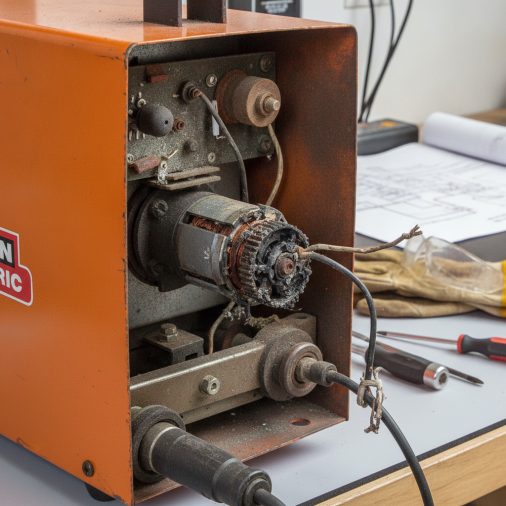
If your Lincoln MIG 125 has been sitting in the shop for decades and the wire suddenly stops feeding — or feeds erratically — the drive motor is often the first component worth examining.
On a roughly 30-year-old Lincoln MIG 125, wire feed motors fail most commonly due to worn carbon brushes, contaminated or dried-out motor bearings, internal corrosion from moisture exposure, or a faulty armature. Age-related electrical deterioration in the motor windings and wiring connections is also common on machines from this era. These are wear-out failures rather than design flaws, and most can be diagnosed with basic checks before committing to a replacement motor.
What the Feed Motor Actually Does
Image source: quickfeed.us
The wire feed motor drives the drive rolls that push welding wire from the spool through the liner and out the gun contact tip. Without consistent motor output, wire speed becomes erratic or stops entirely, causing arc instability, burnback, or a dead trigger.
On a machine like the Lincoln MIG 125 — a 120V flux-core capable unit built in the early-to-mid 1990s — the feed motor is a small DC motor that runs whenever the trigger is pulled. It is a mechanically simple component, but it operates under constant load and accumulates real wear over 30 years.
The Most Common Reasons These Motors Fail With Age
Carbon brushes are the most frequent cause of motor failure in older MIG welders. They press against the armature’s commutator and transfer electrical current, and they gradually wear down with use.
When brushes wear past their minimum length, they lose consistent contact with the commutator. This produces intermittent wire feeding, sparking inside the motor housing, or a complete loss of motor function. On a 30-year-old machine, brushes may simply be at the end of their service life regardless of how often the welder was used, because even infrequent use compounds deterioration over that time span.
Commutator Contamination or Wear
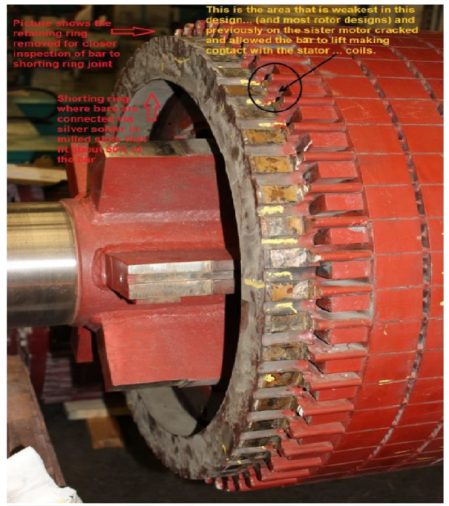
The commutator — the segmented copper ring the brushes ride on — can become pitted, glazed, or contaminated with carbon dust, oil, or oxidation. A dirty or worn commutator produces uneven contact and inconsistent motor speed.
Light contamination can sometimes be cleaned carefully with a commutator cleaning stick or fine abrasive. Deep pitting or grooving generally means the motor needs replacement.
Dried or Degraded Motor Bearings
Motor bearings in machines this age often have lubricant that has dried, hardened, or broken down entirely. A motor struggling against seized or rough bearings draws more current, runs hot, and eventually stalls or burns out.
You may hear the symptom before the motor fails completely — a grinding, squealing, or labored sound during wire feeding is a warning sign worth taking seriously.
Corrosion and Moisture Damage
Machines stored in garages or shops with temperature swings and humidity are particularly vulnerable to internal corrosion. Moisture can attack motor windings, terminal connections, and the commutator surface over a 30-year span.
Corroded wiring connections between the control board and motor are also a common source of failure that is sometimes mistaken for a dead motor. Checking the wiring and terminal connections before condemning the motor itself can save you an unnecessary part purchase.
Failed Motor Windings
If the motor has been overloaded repeatedly — for example, by a persistently clogged liner, a misaligned drive roll, or running with a worn drive roll that creates excess drag — the windings can burn out internally. A winding failure typically results in a completely dead motor with no response when the trigger is pulled.
You can check for an open or shorted winding with a multimeter set to resistance. Refer to a service manual or contact Lincoln Electric’s parts support for the correct resistance specification for your specific model, since guessing a value is not appropriate here.
Distinguishing a Motor Problem From Other Feed Issues
Image source: emergencymedicinecases.com
Not every wire feeding failure means the motor is dead. Before replacing the motor, rule out the more common and less expensive problems.
Symptom
Likely Cause
Check First
Wire won't move, no motor sound
Dead motor, open wiring, or blown fuse
Check fuse, trigger circuit, wiring connections
Wire won't move, motor hums
Drive roll slip, jammed liner, or seized motor
Check drive roll tension, liner obstruction
Intermittent feeding
Worn brushes, loose motor connection
Inspect brushes and terminals
Erratic speed
Commutator contamination, control board fault
Clean commutator, check control board output
Motor runs but no wire feeds
Slipping drive rolls, wrong groove size
Check drive roll condition and groove match
For a deeper look at systematic troubleshooting steps, the process of testing a MIG drive motor with a multimeter can help you confirm whether the motor itself is the source of the problem.
How to Inspect the Feed Motor
Image source: hecoinc.com
Always disconnect the welder from power before opening the case. Capacitors in older welders can hold a charge, so allow a few minutes after unplugging before touching internal components.
Wear safety glasses when working inside the machine. Some older machines may have accumulated metallic dust near drive components, and small fragments can become airborne.
Basic inspection steps include:
1. Remove the wire spool and drive roll assembly for clear access.
2. Visually inspect the motor housing for burn marks, cracked insulation, or corrosion.
3. Access the brush caps on the motor body and check brush length and condition.
4. Inspect the commutator surface for heavy pitting, blackened segments, or oil contamination.
5. Rotate the motor shaft by hand to check for rough or seized bearings.
6. Check all wiring terminals connected to the motor for corrosion, looseness, or heat damage.
7. Use a multimeter to verify the motor receives the correct voltage at its terminals when the trigger is pulled.
If voltage reaches the motor but it doesn’t turn, the motor itself is likely the problem. If no voltage arrives, the fault is upstream — in the trigger circuit, control board, or wiring.
If you suspect the problem is with the trigger circuit or board rather than the motor, the Lincoln welder wire feed motor troubleshooting guide covers the broader diagnostic path for these machines.
Finding a Replacement Motor for a 30-Year-Old Machine
Lincoln Electric manufactured the MIG 125 under several catalog designations over the years. The exact motor used can vary by production date, so confirm your machine’s model number and serial number before ordering.
Lincoln Electric’s parts portal and authorized service centers can cross-reference the serial number to identify the correct replacement motor. Third-party suppliers also carry compatible DC feed motors for older Lincoln machines, though confirming compatibility with your specific serial number range matters before purchasing.
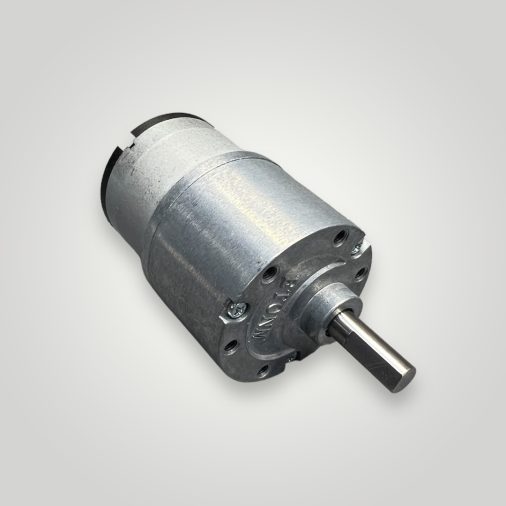
When ordering, note whether your machine uses a standard two-brush DC motor or a four-brush configuration, as this affects which replacement fits. The Baldor Electric GR17640 or similar small DC gear motors are sometimes referenced as compatible substitutes for certain Lincoln units, but verify fitment against your actual unit specifications rather than relying on general compatibility claims.
Wire Feed Path Problems That Accelerate Motor Wear
A feed motor on an older machine often fails prematurely because it has been fighting a problematic wire path for years. Worn liners, incorrect drive roll groove size, excessive drive roll tension, and kinked conduit all create drag that overloads the motor.
Replacing the motor without correcting these issues means the new motor faces the same conditions. Inspect the liner for wear or blockage, confirm the drive roll groove matches your wire diameter, and set tension to the minimum needed for consistent feeding without slipping.
A related issue worth checking is consistent wire feeding problems across MIG welders to understand whether the fault is mechanical rather than electrical.
Safety Notes for Working on Older Machines
Machines from this era were built to standards that predate some current electrical safety requirements. Inspect the power cord and strain relief for cracking or damage before continuing to use the machine.
If you discover burnt components, signs of arcing inside the case, or damaged insulation on internal wiring, have the machine evaluated by a qualified service technician before returning it to service. A short inside the case on a machine this age is a real fire and shock hazard.
Frequently Asked Questions
How do I know if the feed motor is dead or if it’s a wiring problem?
Apply a multimeter to the motor’s supply terminals while pressing the trigger. If the correct voltage is present but the motor doesn’t run, the motor is likely failed internally. If no voltage arrives at the motor, the fault is in the trigger switch, control board, or wiring between them. This test saves you from replacing a functional motor unnecessarily.
Can I replace just the brushes instead of the whole motor?
Yes, if the commutator is in reasonable condition and the windings are intact, replacing the carbon brushes alone can restore a motor that has simply worn through its brushes. Brushes for common small DC motors are often available through electrical supply houses or motor repair shops. Match the brush dimensions carefully, as incorrect sizing causes poor contact and accelerated wear.
Where can I find parts for a Lincoln MIG 125 this old?
Lincoln Electric maintains parts support for many older machines through their website and authorized service centers. Third-party welding supply companies and online parts distributors also stock common feed motor components. Always match the part to your machine’s serial number, not just the model name, since production changes can affect compatibility.
Is it worth repairing a 30-year-old Lincoln MIG 125 or buying a newer machine?
That depends on the extent of the failure and your attachment to the machine. If the motor is the only failed component and the rest of the machine is sound, a replacement motor is generally far less expensive than a new welder. If the control board, transformer, or multiple components have deteriorated, a cost comparison with a current 120V MIG welder makes sense.
Could a bad drive roll or liner cause symptoms that look like a motor problem?
Absolutely. A badly clogged or kinked liner, a drive roll with the wrong groove, or excessive tension can stall or overheat the motor until it seems completely dead. Always check the mechanical wire path before assuming the motor is the root cause.
How do I calculate the right wire feed speed once the motor is fixed?
Wire feed speed depends on wire diameter, material thickness, and the amperage your machine is set to. Understanding how to calculate wire feed speed in MIG welding gives you a reliable starting framework once your machine is back in working order.
Getting Your Lincoln MIG 125 Back to Work
A 30-year-old Lincoln MIG 125 with a failing feed motor is not necessarily ready for the scrap pile. Worn brushes, a contaminated commutator, and deteriorated bearings are predictable failures on any machine of this age, and most are correctable with modest effort and inexpensive parts.
Diagnose methodically — confirm voltage reaches the motor before ordering a replacement, and correct any wire path problems before installing a new motor. Always disconnect from power and allow capacitor discharge time before opening the case. If internal damage looks extensive or the wiring is compromised, a qualified technician’s assessment is the safer path forward.