
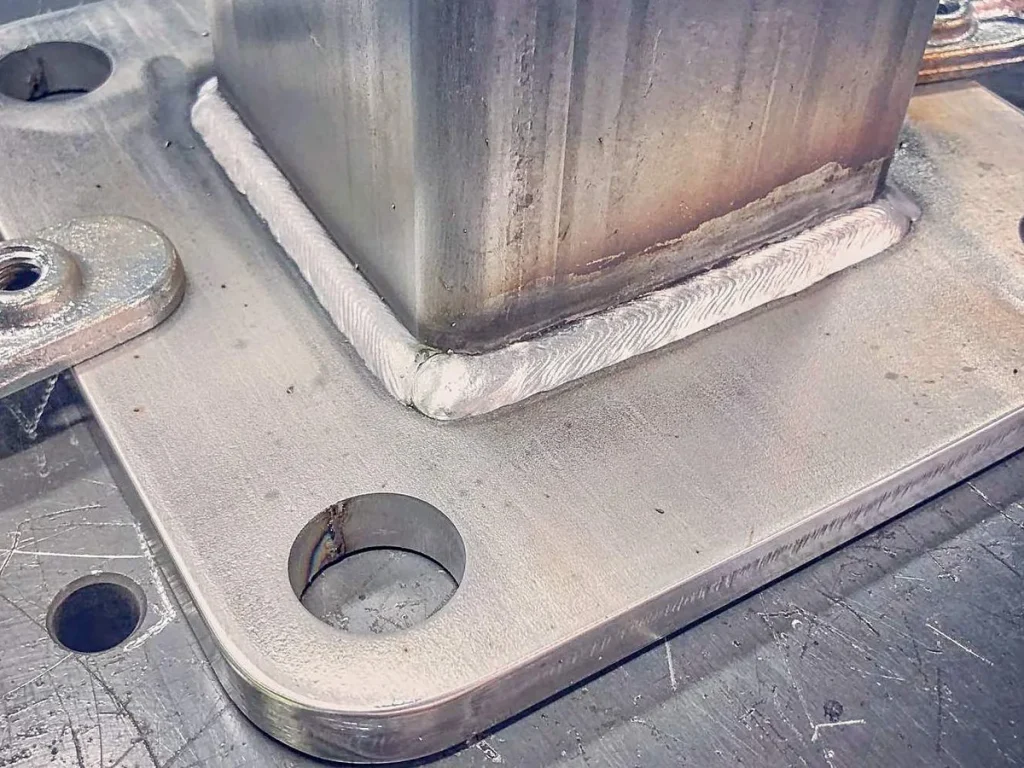
What gas for stainless MIG welding? It's a question that pops up often, and honestly, getting it right can be the difference between a shiny, solid weld and a frustrating mess. The shielding gas you choose acts like an invisible shield for your molten metal, protecting it from the oxygen and nitrogen in the air that can ruin its integrity and appearance.
Our research shows that while mild steel often uses simpler gas setups, stainless steel demands a more nuanced approach. For instance, manufacturer specifications for some common stainless grades, like AISI 304, indicate that specific gas mixes are critical for preventing chromium oxidation, a process that can degrade the material's corrosion resistance. Let's break down the options and figure out what's best for your specific needs with MIG welding.
The Big Question: Why Does Gas Matter for Stainless MIG?
Choosing the right shielding gas for MIG welding stainless steel is more than just a technicality; it directly impacts the quality and integrity of your weld. When you're working with stainless, you're dealing with alloys that have specific properties, most notably their corrosion resistance, which is largely due to the chromium content. The gas you select needs to protect this chromium from oxidizing at high temperatures.
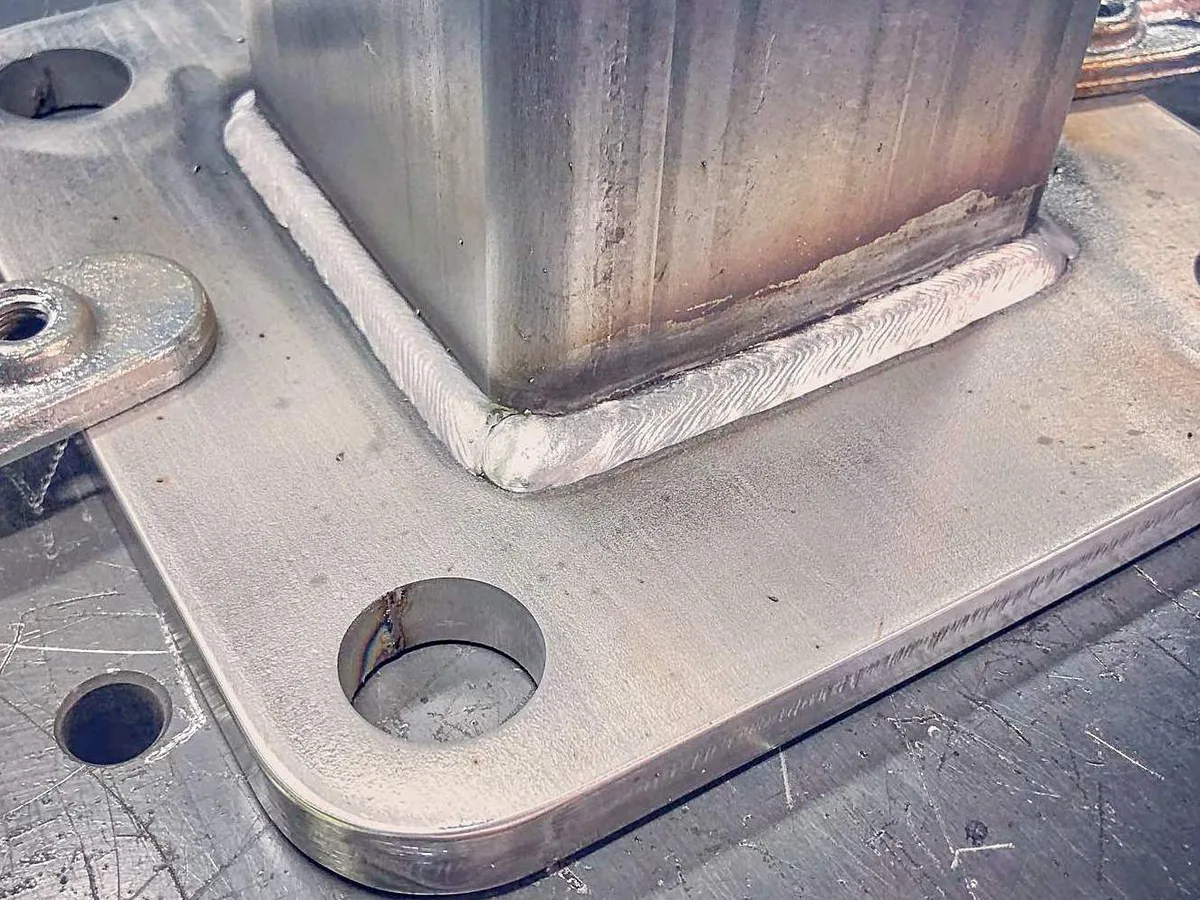
Shielding Gas Explained: Your Weld's Invisible Shield
Shielding gas in MIG welding is an inert or semi-inert gas that flows out of the welding gun nozzle, surrounding the arc and the molten weld pool. Its primary job is to displace the surrounding atmosphere, preventing oxygen, nitrogen, and moisture from reacting with the hot metal. These atmospheric elements can cause porosity (tiny holes), embrittlement, and surface contamination on the weld, significantly weakening it and detracting from its appearance.
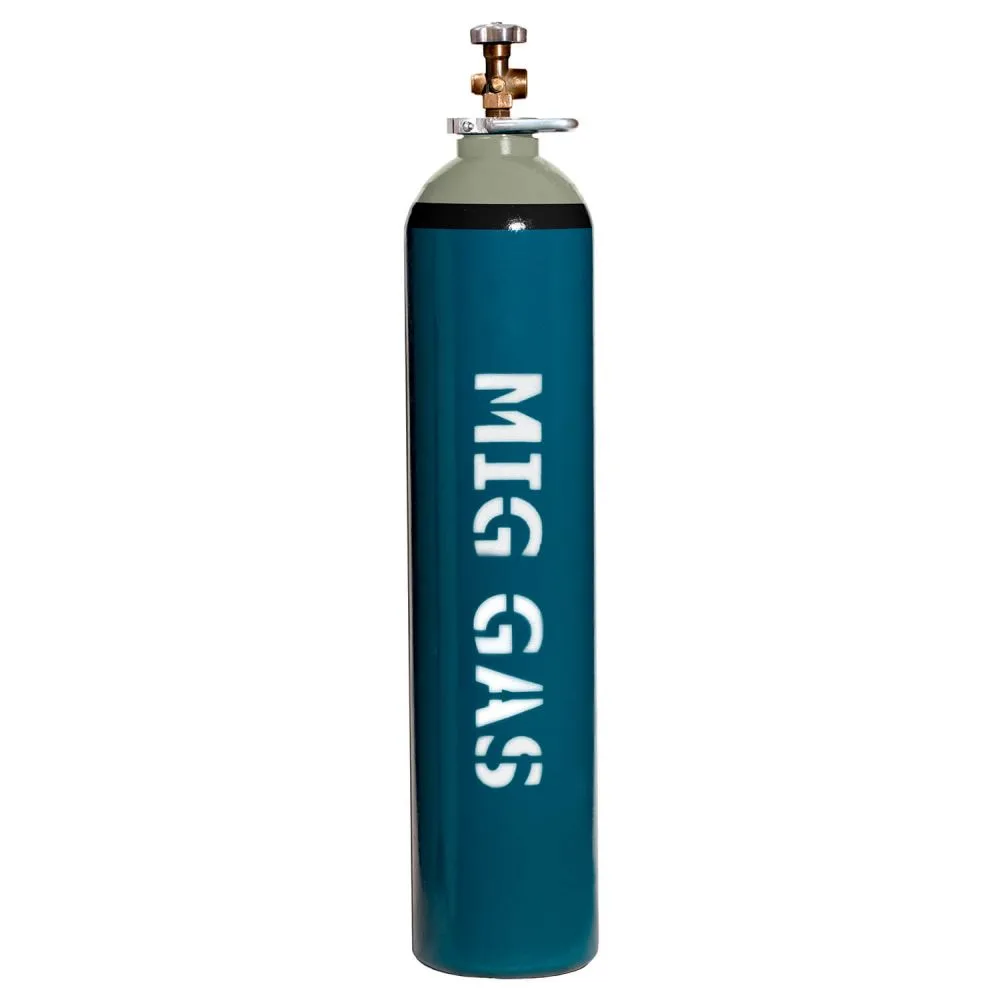
Different gases offer varying levels of protection and influence the arc characteristics differently. For stainless steel, the goal is often to maintain that desirable chromium content and achieve a clean, often bright, weld bead.
Choosing Your Stainless MIG Gas: It Depends!
There's no single "magic" gas for all stainless steel MIG welding jobs because the ideal choice depends heavily on what you're trying to achieve. Think of it like this: if you're welding thin stainless steel for a decorative piece where appearance is paramount, you'll likely reach for a different gas than if you're joining thicker stainless structural components where maximum penetration and strength are the priority.
Factors like the specific grade of stainless steel, material thickness, and desired weld profile all play a role. As of 2026, established welding practices, often referencing AWS D1.6 (Structural Welding Code, Stainless Steel), will guide you toward choices that balance arc stability, bead appearance, and mechanical properties.
Understanding the Gas Players: Argon and Its Friends
The most common gases used in MIG welding are noble gases like Argon and Helium, along with reactive gases like CO2 and Oxygen. For stainless steel, Argon is the foundation because it's inert and provides a stable arc. The real versatility comes when we mix in small amounts of other gases.
100% Argon: The Simple Start
When you're looking for simplicity or welding very thin stainless steel, 100% Argon can be a go-to gas. It offers a smooth, stable arc and produces excellent weld bead appearance, often resulting in a bright, clean finish without much spatter. This makes it popular for TIG welding stainless steel, but it's also used in MIG for certain applications.
- Best for: Thinner stainless steel (generally under 1/8 inch or 3mm), applications where aesthetics are critical, and when you want to minimize spatter.
- Drawbacks: It offers less penetration compared to mixes containing CO2, which can be a limitation on thicker materials.
Argon + CO2 Mixes: The Versatile Workhorses
Mixing Carbon Dioxide (CO2) with Argon is where you find a lot of flexibility for stainless MIG welding. The CO2 acts as an active gas, meaning it participates in the welding process, often improving arc stability and increasing penetration. This makes these mixes highly effective for a wider range of stainless steel thicknesses and applications.
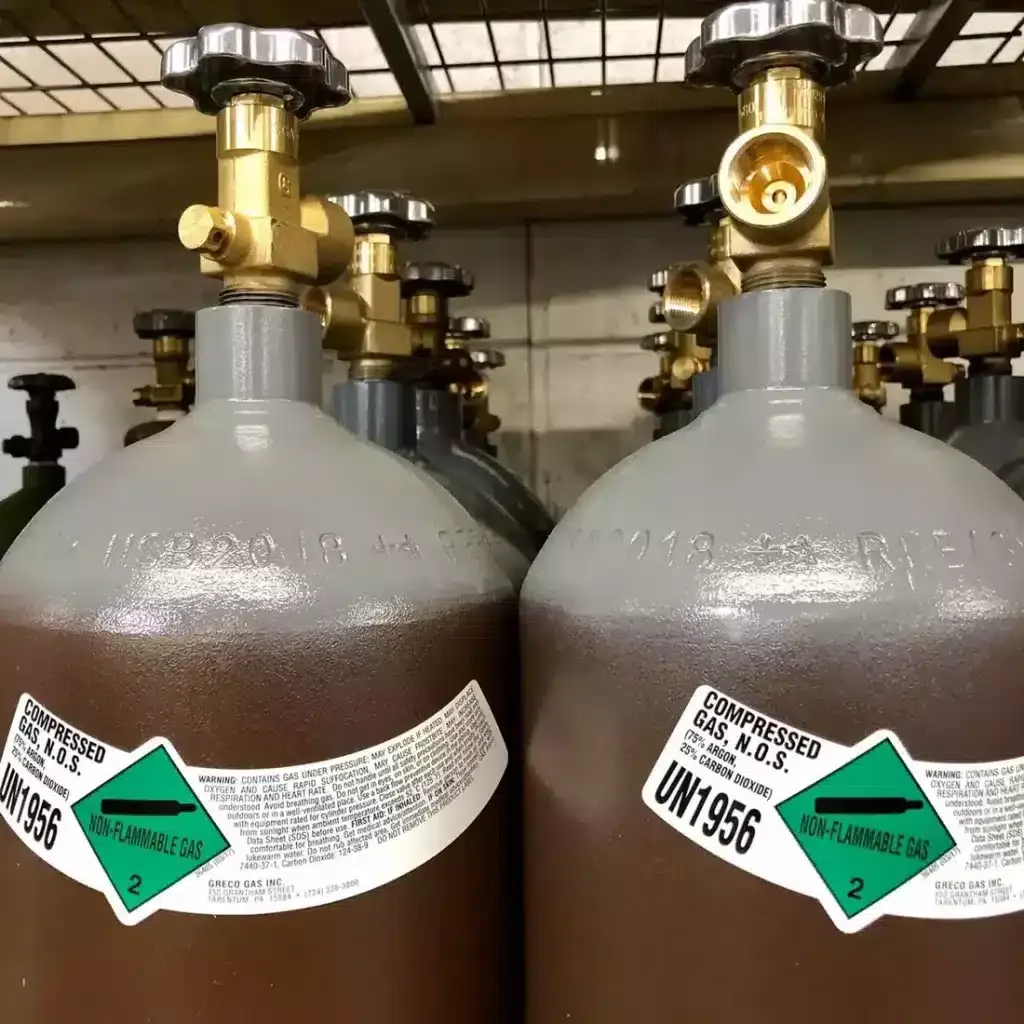
98% Argon / 2% CO2: The Balanced Blend
This mix is a fantastic all-rounder for stainless steel. It provides a good balance between the aesthetic qualities of pure Argon and the enhanced arc performance that a small amount of CO2 brings. You'll notice a more stable arc, less spatter than higher CO2 mixes, and decent penetration for many common stainless steel welding tasks.
- Best for: Light to medium gauge stainless steel, general fabrication where a good bead appearance and solid performance are needed.
- Note on grades: This mixture is often recommended for grades like 304 and 316 stainless steel for general fabrication.
90% Argon / 10% CO2: The Penetration Powerhouse
When you need to get deeper into thicker stainless steel or want to weld faster, a 90% Argon / 10% CO2 mix is a popular choice. The higher CO2 content provides more heat and causes the arc to be more forceful, leading to deeper penetration. This is a workhorse mix for many structural applications.
- Best for: Medium to thicker stainless steel (over 1/8 inch), applications requiring strong penetration and faster travel speeds.
- Consideration: While great for penetration, the higher CO2 content can sometimes lead to a slightly rougher weld bead and more spatter compared to lower CO2 mixes. Careful parameter setting is key to avoid issues related to oxidation. You might also want to check out Mig welder settings to fine-tune your machine for this gas.
Tri-Mixes: For Specific Demands
While the Argon/CO2 blends cover a lot of ground, sometimes you need something a bit more specialized. This is where tri-mix gases come in, typically involving Argon mixed with smaller percentages of CO2 and another gas, often Oxygen or Helium. For example, a common tri-mix for stainless steel might be around 90% Argon, 8% CO2, and 2% Oxygen. The small addition of Oxygen can significantly improve arc stability and bead appearance, giving you a smoother, more consistent bead.
Alternatively, mixes with Helium can increase heat input, which is beneficial for welding thicker stainless steel sections more quickly. Manufacturer specifications for advanced welding often detail these specialized mixes, but they generally come at a higher cost. These gases are usually reserved for high-end fabrication or when conventional mixes aren't providing the desired outcome, such as achieving a specific mechanical property or weld profile.
How to Pick the Right Gas for Your Stainless Job
Since there isn't one gas that fits all stainless steel MIG welding scenarios, we need to approach this like a diagnostic process. Think about the variables in your project and how they influence the best gas choice. This is where the decision-tree logic comes into play, one factor leads to another, guiding you toward the optimal gas.
Step 1: Consider Your Material Thickness
The thickness of the stainless steel you're welding is a primary driver in gas selection. Thinner materials, often less than 1/8 inch (3mm), don't require as much heat or arc force to achieve fusion. Thicker materials, on the other hand, demand a gas that can help deliver sufficient heat and penetration without excessive passes or overheating.
- Thin (< 1/8"): Aim for gases that offer good control and appearance. Pure Argon or a low CO2 mix (like 98% Argon / 2% CO2) are generally well-suited.
- Medium (1/8", 1/4"): Balanced mixes like 90% Argon / 10% CO2 often provide the needed penetration and arc stability.
- Thick (> 1/4"): You'll likely want more heat, so stronger Argon/CO2 mixes or even Helium-containing tri-mixes could be beneficial. For very specific thick applications, consult welding charts like those found in an AWS welding chart.
Step 2: Prioritize Your Weld Goals (Appearance vs. Penetration)
What's most important for your project: a beautiful, shiny finish, or a weld that's deeply fused and incredibly strong? Your priority will steer your gas choice. If you're fabricating visible components for kitchens, railings, or automotive trim, a pristine weld bead is usually the aim. For structural elements, pipeline work, or exhaust systems, deep penetration and weld strength often take precedence.
- Appearance Focus: Select gases that produce a smooth arc with minimal spatter, usually 100% Argon or a 98% Argon / 2% CO2 blend.
- Penetration Focus: You'll want gases that provide more energy and a hotter arc. Higher CO2 content (e.g., 90% Argon / 10% CO2) or tri-mixes are generally better here.
Common Mistakes When Choosing Stainless MIG Gas
Even with a good understanding of the options, it's easy to make common missteps that can lead to poor weld quality. These mistakes often stem from oversimplification or not fully appreciating how different gases interact with stainless steel. Being aware of them can save you a lot of rework.
Overtrying Pure CO2
While CO2 is a common shielding gas for mild steel MIG welding, it's almost never the sole gas used for stainless steel. Pure CO2 can cause significant oxidation and create a very "dirty" weld bead when used on stainless steel. This is because the CO2 breaks down at welding temperatures, releasing oxygen that reacts with the chromium, compromising the stainless steel's corrosion resistance and appearance. Stick to Argon-based mixes for stainless.
Forgetting Flow Rate
Selecting the right gas mix is only half the battle; setting the correct flow rate is equally crucial. The gas flow rate, typically measured in Cubic Feet per Hour (CFH), dictates how much shielding gas is delivered to the weld pool. Too low a flow rate means insufficient protection, leading to atmospheric contamination and a porous weld. Too high a flow rate can cause turbulence, drawing in room air and defeating the purpose of the shielding gas, while also being wasteful.
For most short-circuit and spray transfer applications on stainless steel, a flow rate between 20-25 CFH is a good starting point. Always refer to your welding machine's manual and consult gas supplier recommendations for specific guidance. A good regulator, like a best gas regulator for home use, is essential for maintaining a consistent flow.
Pro Tips for Better Stainless MIG Welding Gas Usage
Beyond selecting the right gas and setting the flow rate, a few key practices can elevate your stainless steel MIG welding results. These tips focus on optimizing the shielding gas's effectiveness and ensuring a clean, robust weld every time. Attention to these details can make a noticeable difference, especially on critical projects.
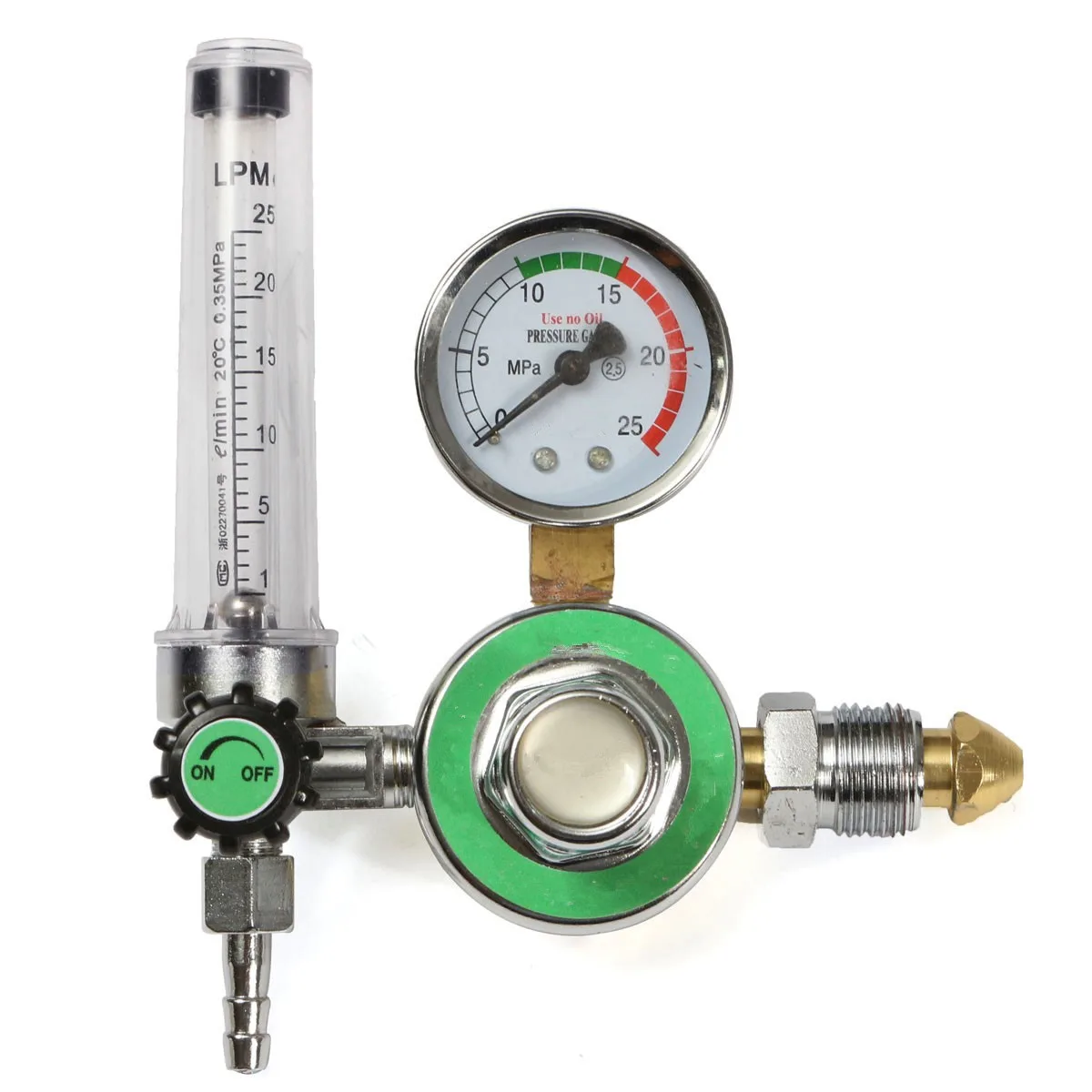
- Check Your Connections: Ensure all hoses, regulators, and connectors from the gas cylinder to your MIG gun are leak-free. Even small leaks can significantly reduce the amount of shielding gas reaching the weld pool.
- Minimize Drafts: Welding in a drafty area can disrupt the shielding gas coverage. If possible, set up your welding station in a protected area or use temporary windbreaks.
- Proper Gun Position: Keep the welding gun nozzle at the correct distance from the workpiece, as recommended by your machine's settings or wire manufacturer. Too far, and the gas envelope won't fully protect the arc.
- Back Purging: For maximum protection and to prevent oxidation on the back side of the weld (especially on pipe or butt joints), consider back purging with an inert gas like Argon. This is crucial for high-integrity stainless steel welds.
- Use the Right Wire: Make sure your welding wire is also designed for stainless steel. Using a mild steel wire with a stainless gas won't give you the corrosion resistance of stainless steel. A good starting point for settings can be found in a welding chart mig wire or specific manufacturer guidelines.
Final Thoughts: Making Your Gas Decision
So, when it comes to selecting the gas for your stainless steel MIG welding, remember it's about aligning the gas properties with your specific project needs. For general-purpose work and thinner materials where appearance matters, 100% Argon or a 98% Argon / 2% CO2 mix are solid choices. When you need to tackle thicker sections and require better penetration, a 90% Argon / 10% CO2 blend often hits the sweet spot.
For highly specialized applications or when facing challenging material thicknesses, don't hesitate to explore tri-mixes or consult with your welding gas supplier. They can provide invaluable advice based on their product lines and extensive experience. By carefully considering your material, desired outcome, and understanding the strengths of each gas option, you'll be well-equipped to make the right gas choice for a superior stainless steel weld.


