
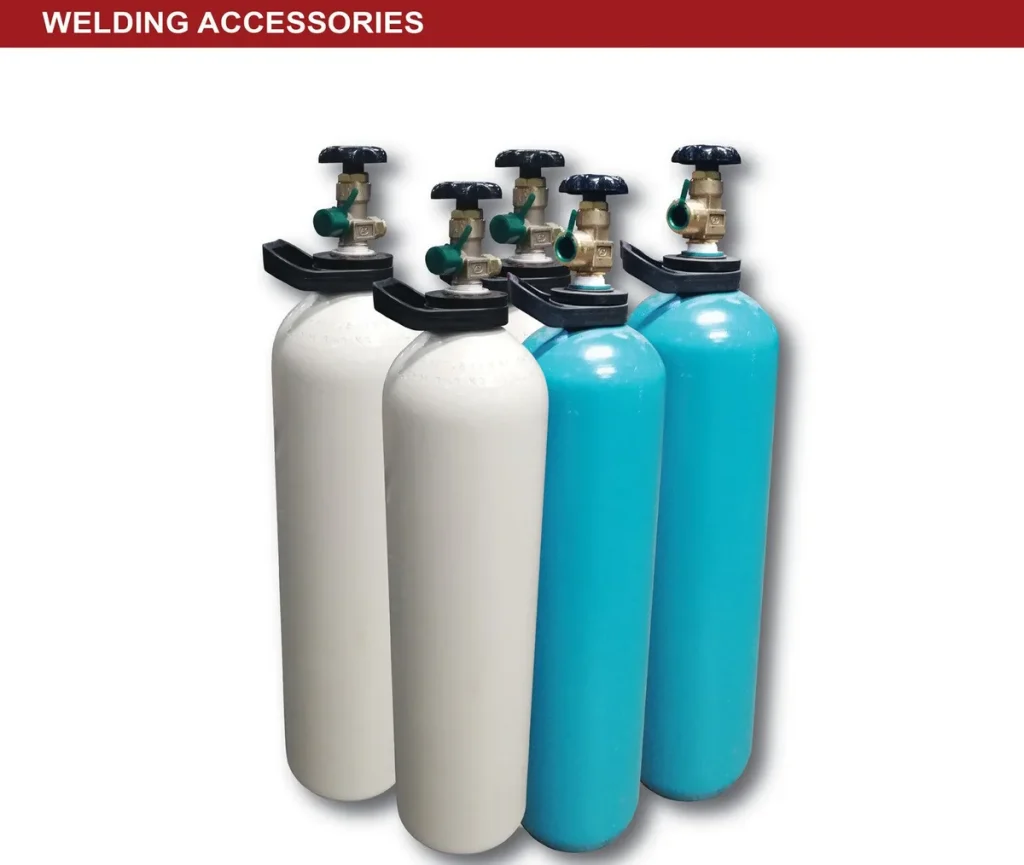
What kind of gas do you use for MIG welding? It's one of those foundational questions that can really impact your results, and getting it right makes a smoother, cleaner welding experience. Picking the wrong shielding gas can lead to more spatter, weaker welds, and general frustration.
In our research, we found that the choice of gas often hinges on the specific metal you’re working with. Manufacturer specifications, for instance, often detail gas recommendations tied to material type and thickness for optimal results. As of 2026, the primary gases and their common mixes remain the go-to for most MIG welding applications.
Why Shielding Gas Is Your Weld's Best Friend
Shielding gas in MIG welding acts like a protective umbrella for your molten weld puddle. When you pull the trigger on your MIG gun, the gas flows out around your welding wire and into the arc. This gas displaces the surrounding air, which is full of oxygen and nitrogen that can weaken and contaminate your weld. Without adequate shielding, these atmospheric elements react with the hot, molten metal, creating porosity, tiny holes that severely compromise the structural integrity of your weld bead.
Manufacturer specs from Lincoln Electric and Miller Electric, for example, consistently highlight the critical role of correct shielding gas in achieving sound, high-quality welds.
The Two Main Gas Paths: Pure CO2 vs. Argon Mixes
When you're looking at MIG welding gases for common metals like steel, you'll mostly encounter two categories: pure carbon dioxide (CO2) and various blends that primarily use argon. Each works differently and is suited for distinct situations. This isn't just about slight variations; each path offers unique welding characteristics and trade-offs that affect everything from cost to weld appearance and performance. Understanding these differences is key to selecting the right gas for your specific project needs.
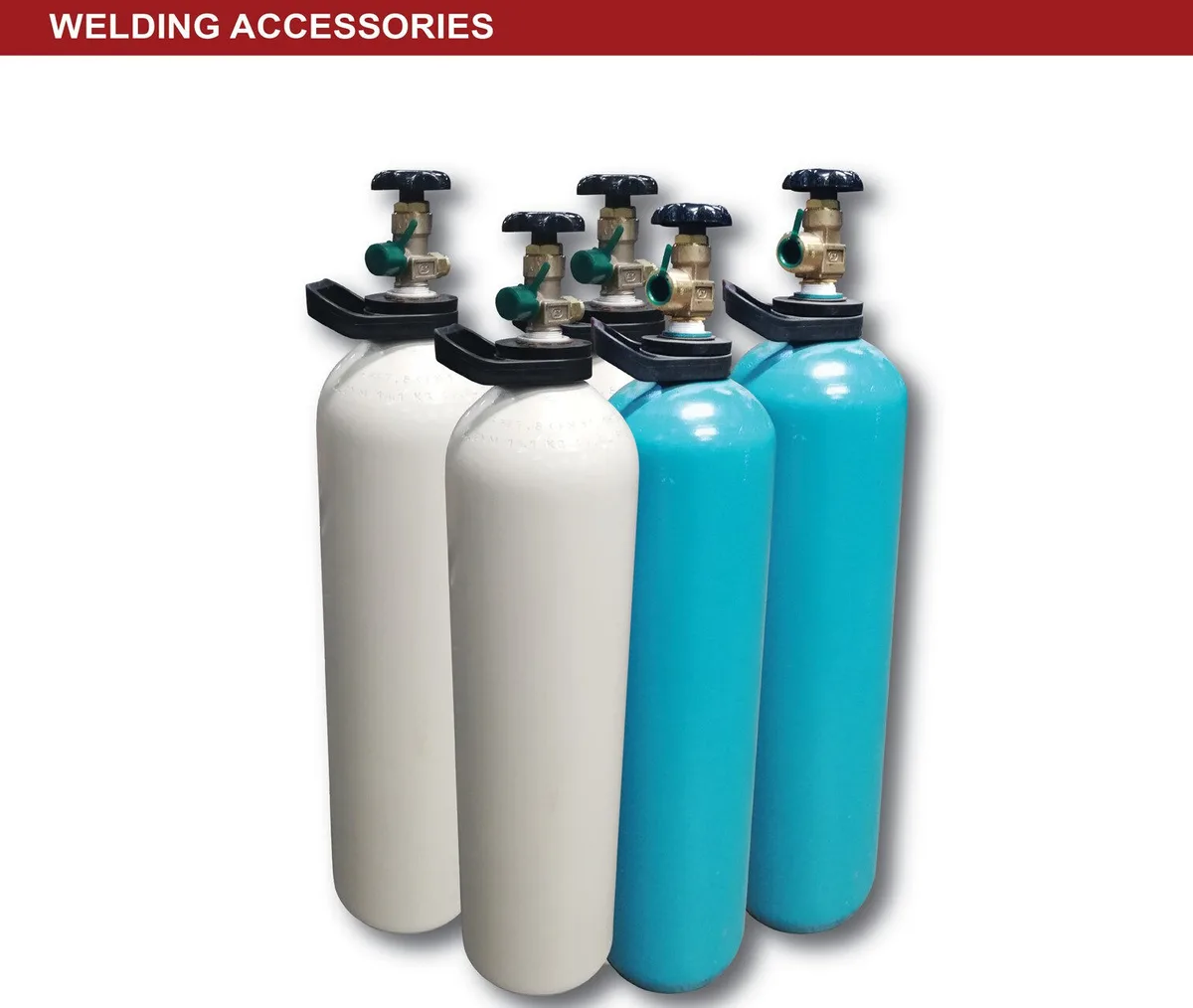
Image source: Bing (Web (fair-use with source credit))
Pure CO2: The Budget-Friendly Choice for Steel
Pure carbon dioxide is a popular choice, primarily because it's typically the most economical shielding gas available. It's widely accessible and, for certain applications, it gets the job done effectively at a lower cost.
Pros and Cons of Pure CO2
Pure CO2 offers a noticeable benefit: it tends to provide deeper weld penetration than argon-based mixes. This can be advantageous when welding thicker sections of steel, as it helps fuse the base metals more thoroughly. However, this increased penetration comes with a trade-off. Welding with pure CO2 often results in a more forceful spray transfer, which means significantly more spatter, those little droplets of molten metal that fly off the weld puddle.
This spatter requires more cleanup time post-weld and can sometimes lead to a rougher-looking bead. For these reasons, pure CO2 is generally recommended for steel only and is less ideal for thin materials or applications where weld appearance is paramount.
- Pros:
- Lowest cost per cylinder.
- Good penetration for thicker steels.
- Widely available.
- Cons:
- High spatter production.
- Can result in a rougher weld bead.
- Less suitable for out-of-position welding.
- Primarily for steel applications.
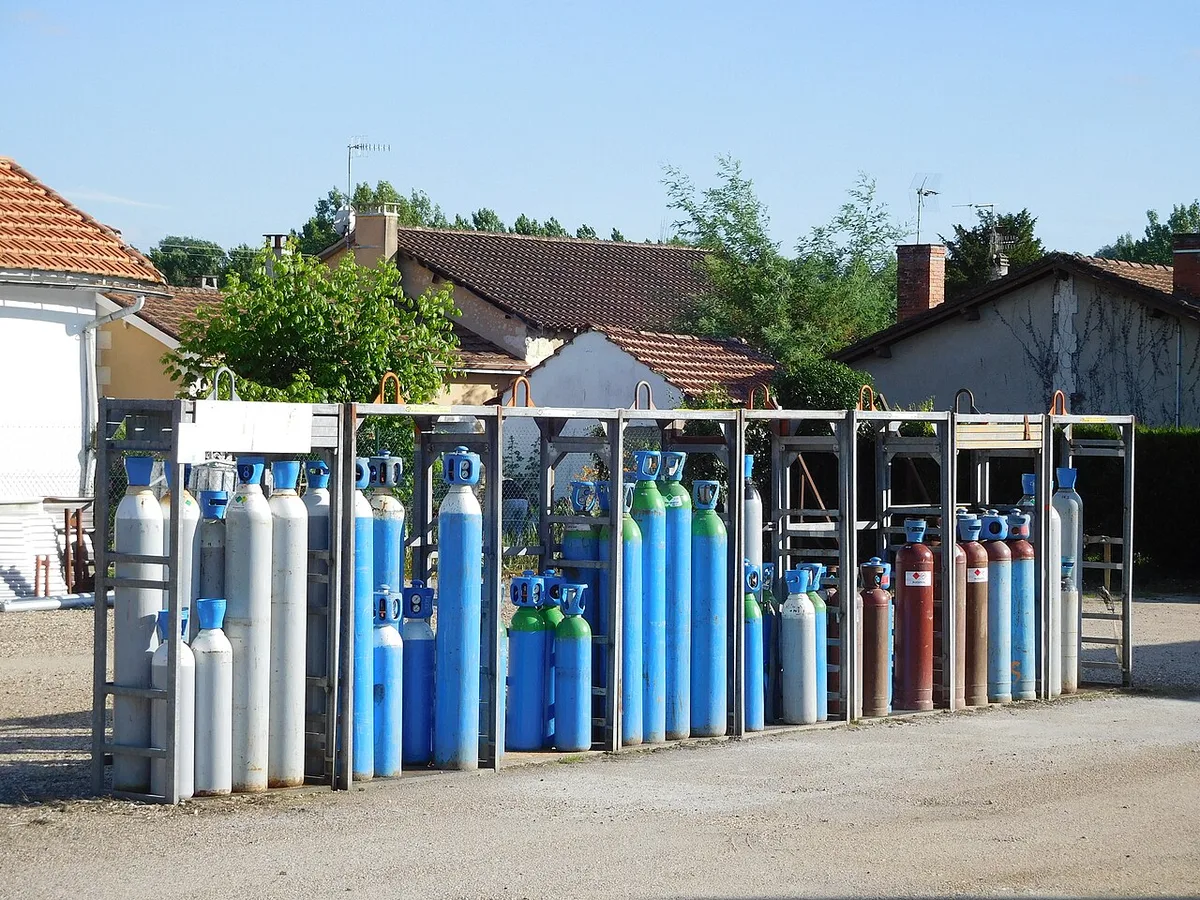
Image source: Bing (Web (fair-use with source credit))
Argon/CO2 Mixes: Your Versatile Welders
Argon-based mixtures are where most MIG welders find their sweet spot, offering a superior balance of performance characteristics over pure CO2, especially for general-purpose steel welding. These mixes leverage the stable arc properties of argon, with carbon dioxide added to manage penetration and arc characteristics. The specific ratio of argon to CO2 dictates the gas’s behavior, making it crucial to understand these variations.
75% Argon / 25% CO2 (C25): The All-Rounder
This blend, often referred to as C25, is arguably the most common and versatile shielding gas for MIG welding steel. It strikes a fantastic balance between cost, ease of use, and weld quality.
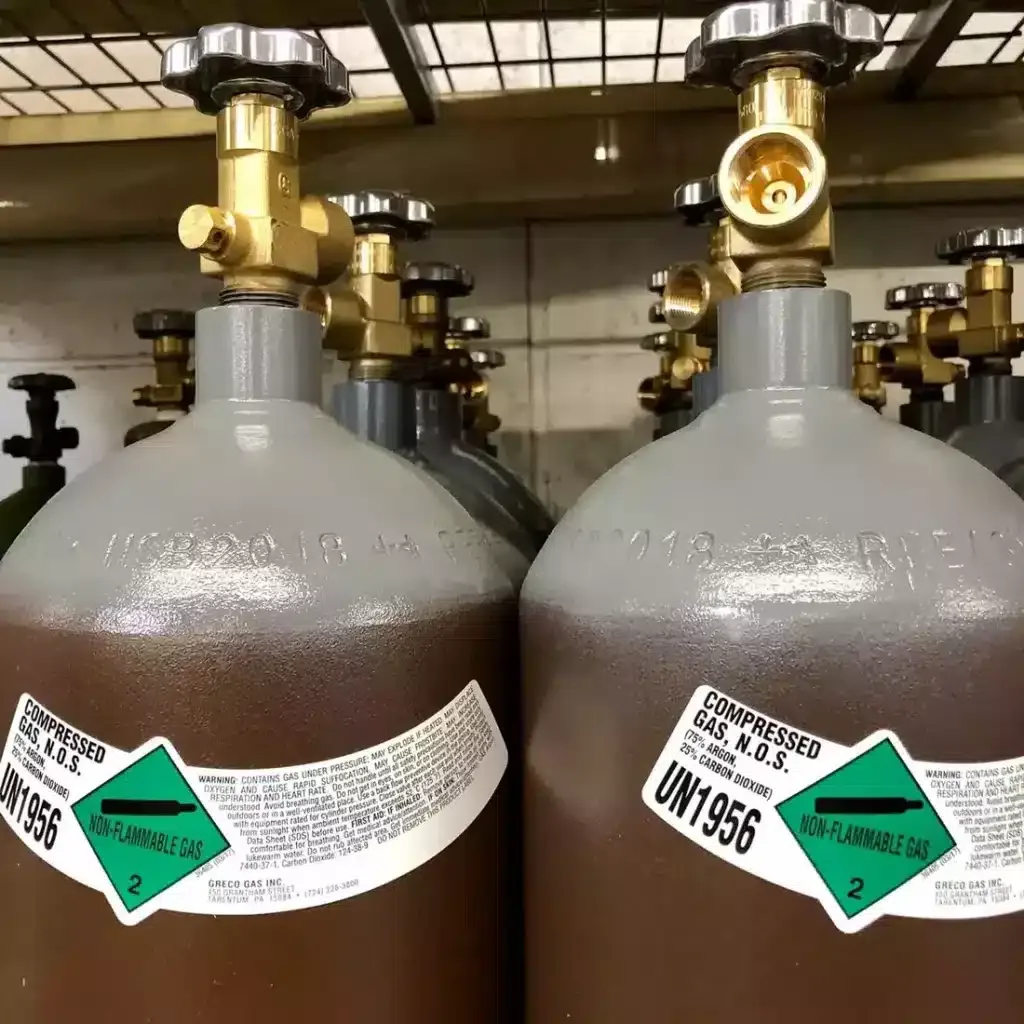
Image source: Bing (Web (fair-use with source credit))
When you use a 75% Argon / 25% CO2 mix, you get a smooth, stable arc that's much easier to control than pure CO2. It produces significantly less spatter, meaning less cleanup time and a cleaner-looking weld bead. Manufacturer support documents, like those found on sites for Miller Electric, often highlight C25 as the recommended gas for most common steel welding tasks, from thin sheet metal to moderate plate thicknesses. Aggregate user reviews confirm its widespread adoption for general fabrication and repair work due to its forgiving nature.
This mix allows for good puddle fluidity and control, making it an excellent choice for beginners and experienced welders alike.
- Best For: General steel fabrication, auto body work, repair jobs.
- Key Benefits: Low spatter, good bead appearance, stable arc, good all-around performance.
- Considerations: Slightly more expensive than pure CO2.
90% Argon / 10% CO2: For Thinner Steels
Stepping down the CO2 content, a 90% Argon / 10% CO2 mix offers an even finer spray transfer and reduced spatter. This makes it an exceptional choice when you're working with thinner gauge steels where excessive heat or a forceful arc could cause burn-through.
This blend provides a softer arc than C25, giving you more control when welding materials like thin-walled tubing or auto body panels. The reduced spatter means a cleaner workpiece and less time spent grinding away stray metal. While it might offer slightly less penetration compared to C25, its benefits for delicate welding tasks are substantial. It’s a great option if you prioritize a clean finish and are frequently working on thinner materials where minimizing distortion and burn-through is critical.
- Best For: Thin sheet metal, auto body panels, applications requiring minimal spatter.
- Key Benefits: Very low spatter, fine spray transfer, excellent for thin materials.
- Considerations: Less penetration than C25 or pure CO2.
Other Argon Mixes (and Why They're Less Common for Steel)
You might encounter other argon blends, such as those with small additions of oxygen or higher levels of helium, often called tri-mixes. Pure argon, for instance, is the standard for welding aluminum and other non-ferrous metals due to its soft arc. However, pure argon typically doesn't provide enough arc force for effective short-circuit transfer MIG welding on steel. Tri-mixes, containing argon, helium, and CO2, are often used in specialized applications like welding stainless steel or thicker sections where increased heat input from the helium is beneficial.
For the average DIYer or fabricator working primarily with mild steel, these specialized mixes are usually unnecessary and more costly.
Choosing the Right Gas for Your Material: A Quick Guide
Deciding on the correct gas is often more about the metal you're joining than personal preference. While there are nuances, a few core principles guide the selection for MIG welding.
Use Case: Best Gas for Welding Steel
When it comes to welding steel, you have a couple of excellent options. For most general-purpose steel work, including mild steel and lower-alloy steels, a 75% Argon / 25% CO2 (C25) mix is highly recommended. It provides a fantastic balance of weldability, bead appearance, and cost. If you're working with very thin steel, say 18-gauge or thinner, stepping down to a 90% Argon / 10% CO2 mix will offer even less spatter and better control against burn-through.
Pure CO2 is an option if cost is your absolute primary concern and you are welding thicker steel where deeper penetration is needed, but be prepared for more cleanup due to spatter.
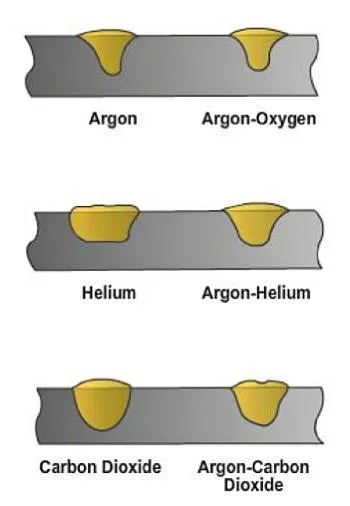
Image source: Bing (Web (fair-use with source credit))
Use Case: What About Aluminum and Stainless Steel?
For welding aluminum, pure argon is almost always the gas of choice. Aluminum requires a different type of arc transfer, and pure argon creates the soft, stable arc necessary for clean aluminum welds. It helps with the "cleaning action" at the arc that removes aluminum oxide. When it comes to stainless steel, things get a bit more nuanced.
While specific argon/CO2 mixes (often with a slightly higher CO2 content than C25) can work, many prefer a special gas blend containing argon, helium, and sometimes a touch of nitrogen or CO2. These specialized gases help maintain the corrosion resistance of the stainless steel and achieve a brighter, more aesthetically pleasing weld. For specific guidance on stainless steel, consulting a welding chart mig wire or talking to your gas supplier about your project is your best bet. This is also where understanding mig welding stainless steel settings becomes critical.
Common MIG Gas Mistakes to Avoid
Even with the right gas in mind, few welding mistakes are as common as mismanaging your gas flow or using the wrong settings. One frequent misstep is not using sufficient gas flow, especially in drafty conditions or outdoors. If your shielding gas gets blown away, you'll experience porosity and poor weld quality, similar to not using gas at all. Another mistake involves using pure CO2 on materials it’s not suited for, like aluminum, or not adjusting your wire feed speed and voltage appropriately for the chosen gas.
Manufacturer guidelines from companies like Hobart often provide specific charts for recommended voltage and wire feed speed ranges based on the shielding gas used, helping welders dial in their settings.
Checking your gas cylinder pressure before starting a welding session is a simple step that prevents many issues. A low-pressure cylinder means you won't have enough gas for your job. So, if you're experiencing poor arc stability or visible weld defects, always verify your gas supply first.
Why Is My Weld Porous? Gas Flow and Drafts
Porosity in a MIG weld is a clear sign that your shielding gas wasn't doing its job properly. The most common culprit behind this is insufficient gas flow. When welding outdoors or in a workshop with fans running, drafts can easily blow the shielding gas away from the weld puddle. This allows atmospheric oxygen and nitrogen to contaminate the molten metal.
Our research indicates that a gas flow rate between 20-25 cubic feet per hour (CFH) is typical for many welding scenarios, but this can increase to 30-40 CFH in windy conditions.
If you suspect drafts are an issue, try using a larger nozzle on your MIG gun, as this provides a wider cone of gas coverage. You can also erect temporary windbreaks. It’s also worth checking your gas regulator and hoses for any leaks that might be reducing the effective flow rate of your shielding gas. For regulator troubleshooting, understanding your best gas regulator for home setup is key.
Is Pure CO2 Ever a Bad Choice?
Yes, pure CO2 can be a surprisingly bad choice if you're not aware of its limitations. While it's cost-effective for welding steel, it’s generally not recommended for MIG welding aluminum or stainless steel. On aluminum, it can lead to poor weld quality and potential cracking. For stainless steel, it can negatively affect the chromium content, diminishing its corrosion resistance and potentially altering the weld's appearance.
Even with steel, the high spatter associated with pure CO2 means more post-weld cleanup, which can be a significant drawback for projects where aesthetics matter.
Expert Tips for Optimal Gas Usage
Getting the most out of your shielding gas isn't just about picking the right type; it’s also about how you use it. Experts consistently advise paying attention to three key areas: flow rate, nozzle choice, and maintaining your equipment.
When setting your gas flow rate, remember that more isn't always better. Too much gas flow can create turbulence, actually drawing in more air and compromising your shielding. Too little, as we've discussed, leaves your weld vulnerable to atmospheric contamination. A good starting point for most common mixes on steel is around 20-25 CFH, but always consult your welding machine's manual or gas supplier for the best starting recommendation.
What is the correct gas flow rate?
The correct gas flow rate for MIG welding typically falls within a range of 20 to 25 cubic feet per hour (CFH). However, this is a general guideline and can fluctuate based on several factors. Welding in drafty conditions might require increasing the flow rate to 30-40 CFH to counteract air disturbance. Conversely, if you're welding in a controlled indoor environment with no air movement, you might get away with a slightly lower rate, perhaps 18-20 CFH, to avoid wasteful turbulence.
It's always best to start with a manufacturer's recommendation for your specific gas and wire combination, then adjust based on visible arc performance and weld quality.
How does nozzle size affect gas coverage?
The nozzle on your MIG gun acts as a shroud, directing the shielding gas flow. A larger diameter nozzle generally provides a wider cone of gas coverage, which is beneficial for thicker materials or when welding in less-than-ideal conditions like slight breezes. A smaller nozzle offers a more focused gas stream, which can be useful for intricate work or when precise control is needed on thinner materials. Using the appropriate nozzle size helps ensure that your entire weld puddle is adequately protected by the shielding gas, minimizing porosity and improving overall weld integrity.
Final Recommendation: Your Best Bet for Getting Started
For most individuals starting out in MIG welding, especially those planning to work primarily with steel, the 75% Argon / 25% CO2 (C25) mix is the definitive recommendation. It offers an unmatched blend of ease of use, cost-effectiveness, and excellent weld quality across a broad range of common steel thicknesses. This gas provides a stable, controllable arc with minimal spatter, making it forgiving for beginners while still delivering professional-looking results. While pure CO2 is cheaper, the added cleanup from spatter and its limited material compatibility often outweigh the initial cost savings.
If your work frequently involves very thin steel, consider a 90% Argon / 10% CO2 blend for even finer control. For specialized metals like aluminum, pure argon is the way to go. Sticking with C25 for general steel tasks will set you up for success.


