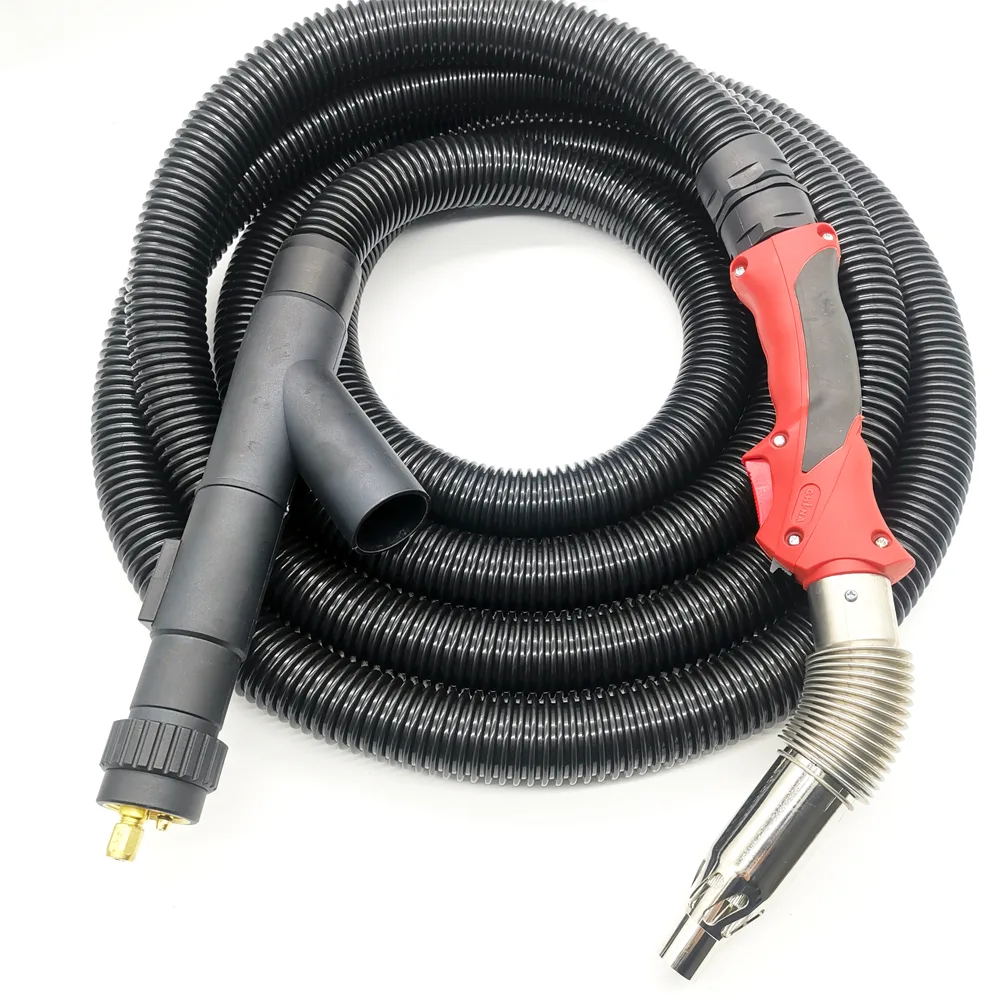
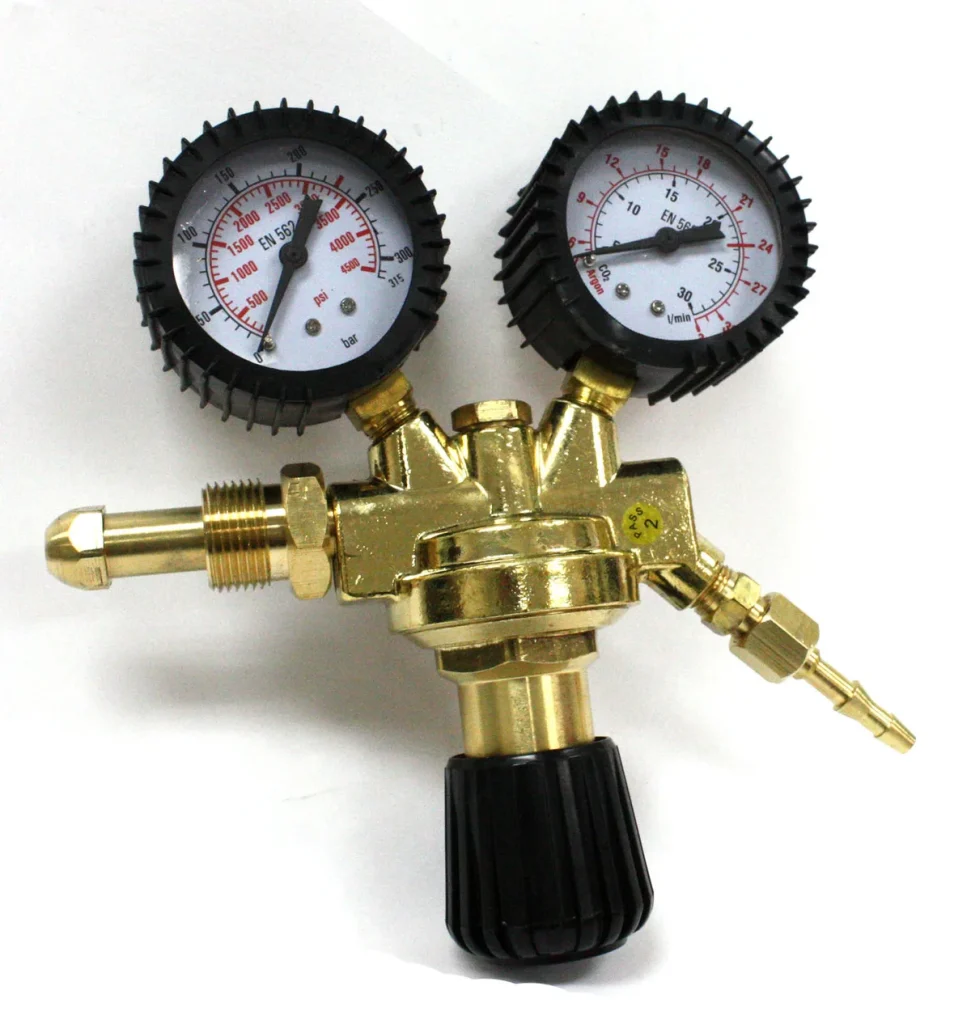
Stick with the right answer, and you'll get cleaner welds, less mess, and a much smoother welding experience. The gas you choose directly impacts arc stability, penetration depth, and the overall appearance of your finished bead, turning a potentially frustrating chore into satisfying craftsmanship.
Our research confirms that for the vast majority of MIG welding on common mild steel alloys, a specific gas mixture offers the best balance of performance and ease of use. While other options exist, understanding their trade-offs is key to avoiding common pitfalls. As of 2026, industry standards still lean towards well-established gas compositions.
Quick Answer: The Go-To Gas for Mild Steel
For most mild steel MIG welding projects, the best gas is a 75% Argon / 25% Carbon Dioxide (CO2) mix, often labeled as "C25." This blend provides a stable arc, good penetration, and manageable spatter, making it the most practical choice for a wide range of applications, from hobbyist repairs to professional fabrication.
Understanding MIG Shielding Gases
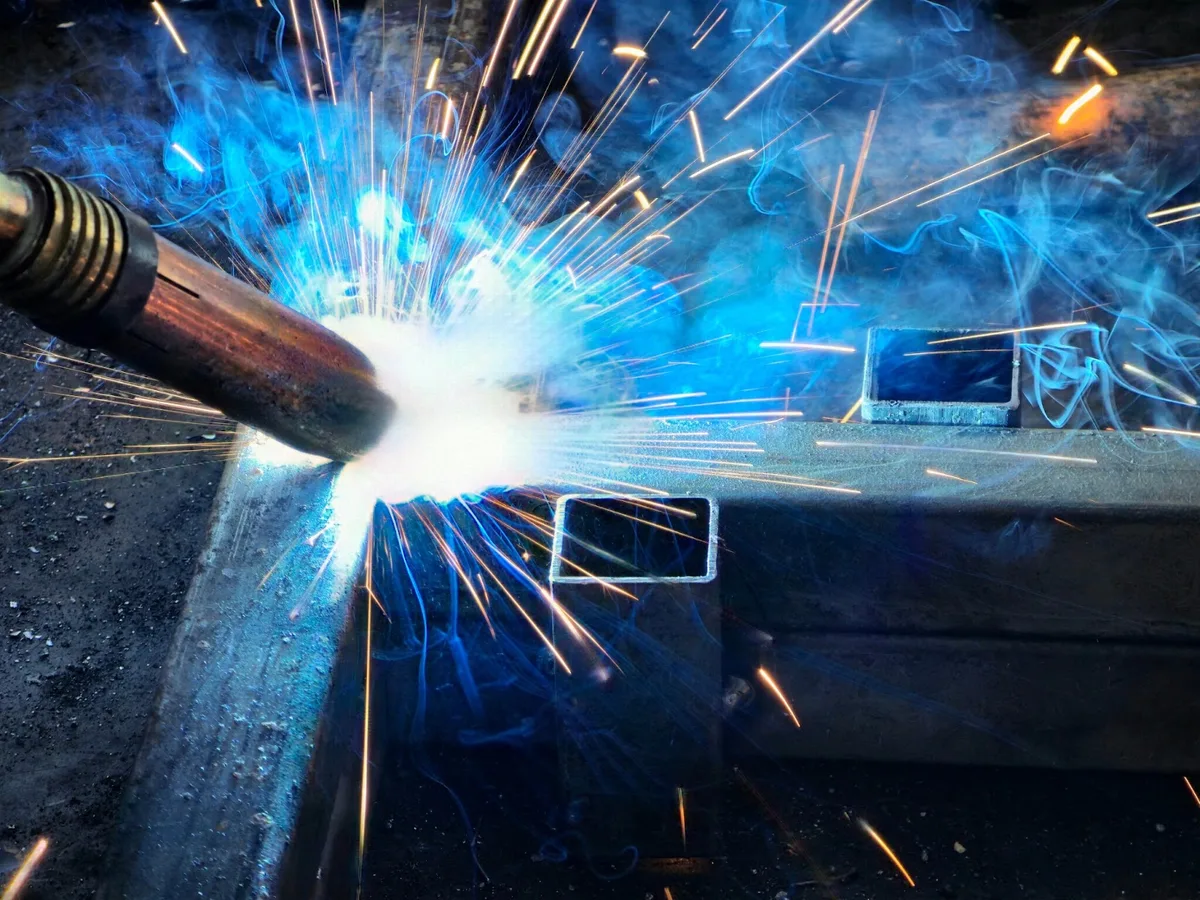
Shielding gas in MIG welding isn't just a fancy additive; it's a critical component that protects the molten weld pool from atmospheric contamination. Without it, oxygen and nitrogen from the air would react with the molten metal, creating porosity (tiny holes) and weak spots in your weld. The gas flows from the welding torch, creating a protective envelope around the arc and the molten metal as it transfers from the wire to the workpiece.
How Gases Protect Your Weld
The gas acts as a barrier, displacing oxygen and nitrogen. Different gas compositions interact with the electric arc differently, influencing its stability, the way the metal transfers from the wire to the weld, and how deep the weld penetrates into the base material. This interaction is what dictates the final weld's physical properties and appearance. Understanding these basic principles helps explain why certain gases are better suited for particular metals and welding processes.
Breaking Down Your Gas Options
When you’re MIG welding mild steel, you'll primarily encounter two main types of shielding gases. Each has distinct characteristics that affect your weld.
Pure Carbon Dioxide (CO2): The Budget Deep Diver
Pure CO2 is the most affordable shielding gas available, making it an attractive option for budget-conscious welders or those who frequently weld very thick materials where maximum penetration is paramount. Its chemical properties allow for a hotter, deeper penetrating arc.
However, this intensity comes with drawbacks. Manufacturer specifications and aggregated user feedback report that pure CO2 typically produces a less stable arc compared to argon-based mixes. This instability leads to significantly more spatter, small droplets of molten metal flying off the arc, which necessitates more post-weld cleanup and can affect the cosmetic finish of your work. For thinner materials or when a clean appearance is important, pure CO2 often falls short.
Pros of Pure CO2
- Lowest Cost: Significantly cheaper than argon mixes.
- Deep Penetration: Excels at driving the weld deep into thicker base metals.
- Wide Availability: Easy to find at most welding supply stores.
Cons of Pure CO2
- High Spatter: Produces considerably more molten metal splatter.
- Less Stable Arc: Can be harder to control, especially for beginners.
- Coarser Weld Appearance: Often results in a rougher, less aesthetically pleasing bead.
- Potential for Porosity: Can be more susceptible to atmospheric contamination if not managed carefully.
Argon/CO2 Mixes: The Smooth Operator
Argon/CO2 mixes offer a more balanced approach to MIG welding mild steel. They combine the benefits of argon's stable arc with CO2's ability to promote penetration and spray transfer.
The Popular 75% Argon / 25% CO2 (C25)
This mix is the undisputed workhorse for MIG welding mild steel in many fabrication shops. It’s frequently referred to as "C25" due to the 25% CO2 content. The higher percentage of argon contributes to a much more stable arc, which translates directly into less spatter and a cleaner, smoother weld bead. This makes it far more forgiving for less experienced welders and ideal for applications where appearance matters or where extensive cleanup is undesirable.
While it might not offer the absolute deepest penetration of pure CO2, especially on very thick sections, it provides sufficient depth for a vast majority of mild steel applications, generally meeting the requirements of standards like AWS D1.1 for structural welding when used correctly.

Other Argon Mixes (Like 90/10)
You might also encounter mixes like 90% Argon / 10% CO2. These blends offer an even softer arc and potentially even less spatter than the 75/25 mix. However, they typically provide less penetration. While excellent for very thin materials or aesthetic work, they are less common for general-purpose mild steel welding where the robust penetration of C25 is often preferred.
Comparing MIG Gases for Mild Steel
Choosing the right gas isn't about one size fitting all, but finding the best fit for your specific needs. It's a trade-off between cost, weld quality, operational ease, and the material you're working with.
Gas Choice vs. Weld Quality
When we look at performance metrics, the difference is clear. Pure CO2 offers deep penetration but sacrifices arc stability, leading to more spatter and a rougher bead. A 75/25 Argon/CO2 mix, on the other hand, provides a significantly more stable arc, resulting in less spatter and a cleaner, more controllable weld puddle. While its penetration is slightly less aggressive than pure CO2, it’s more than adequate for most common mild steel thicknesses, typically up to 1/4 inch and even beyond when parameters are set correctly.
Aggregated reviews and welding chart data consistently show that for overall weld quality and ease of use on mild steel, the 75/25 mix is superior.
When Each Gas Shines: Use Cases
The "best" gas ultimately depends on what you're trying to achieve. Let's break down which gas is best suited for different scenarios.
Best Gas for Beginners
If you're new to MIG welding, picking the right gas makes a huge difference in your learning curve. The 75% Argon / 25% CO2 mix is your best friend here. Why? Because it's way more forgiving.
It creates a smooth, stable arc that's easier to manage than the hotter, more aggressive arc from pure CO2.
This means less spatter flying everywhere, which not only saves you cleanup time but also lets you focus on developing your hand-eye coordination and understanding how the weld puddle behaves. Aggregated user feedback shows that beginners pick up good habits faster with a C25 mix and experience less frustration. This leads to quicker progress and more confidence when you're just starting out.
Best Gas for Everyday Fabrication
For the everyday tasks in a shop, think building custom furniture, repairing farm equipment, or general construction, the 75% Argon / 25% CO2 mix remains the top choice. It simply gets the job done efficiently and effectively for a wide range of mild steel thicknesses, generally up to 1/4 inch and often a bit more if your welding machine has the power and you set the parameters correctly. You'll get a good balance of penetration for strong joints and a clean finish that requires minimal post-weld grinding or cleaning.
This mix is widely available and integrates smoothly into most MIG welding setups. If you're not welding extremely thick plate or exotic materials, the C25 blend is the reliable, all-around performer that keeps your workflow moving smoothly without excessive fuss. You can often find detailed charts for mild steel settings using this gas at various wire feed speeds and voltages, helping you dial in perfect welds.
Best Gas for Maximum Penetration
When your project absolutely demands the deepest possible weld penetration, often on thicker mild steel sections of 1/2 inch or more, pure Carbon Dioxide (CO2) earns its place. Pure CO2 creates a hotter, more energized arc that drives the weld deeper into the base material than argon mixes typically can. Manufacturer specifications often highlight this deep penetration characteristic for CO2.
However, this power comes at a cost. Expect significantly more spatter, which means more post-weld cleanup. The arc itself is also less stable, requiring a more practiced hand to maintain a consistent bead. If you're in heavy industries or situations where weld strength is the absolute priority and appearance is secondary, pure CO2 is worth considering.
But for most users, especially those new to welding, the trade-offs often outweigh the benefits.
Common Mistakes When Choosing Your Gas
A frequent pitfall for newcomers is opting for pure CO2 purely because it's the cheapest gas available. While budget is a valid concern, not understanding why it's cheaper, and the resulting downsides like extreme spatter and a less stable arc, can lead to more frustration and rework. Conversely, some might mistakenly try using 100% argon for mild steel. Argon alone doesn't provide enough of the required oxidizing elements (like CO2) to properly shield the molten puddle on steel, leading to porosity and a weak weld.
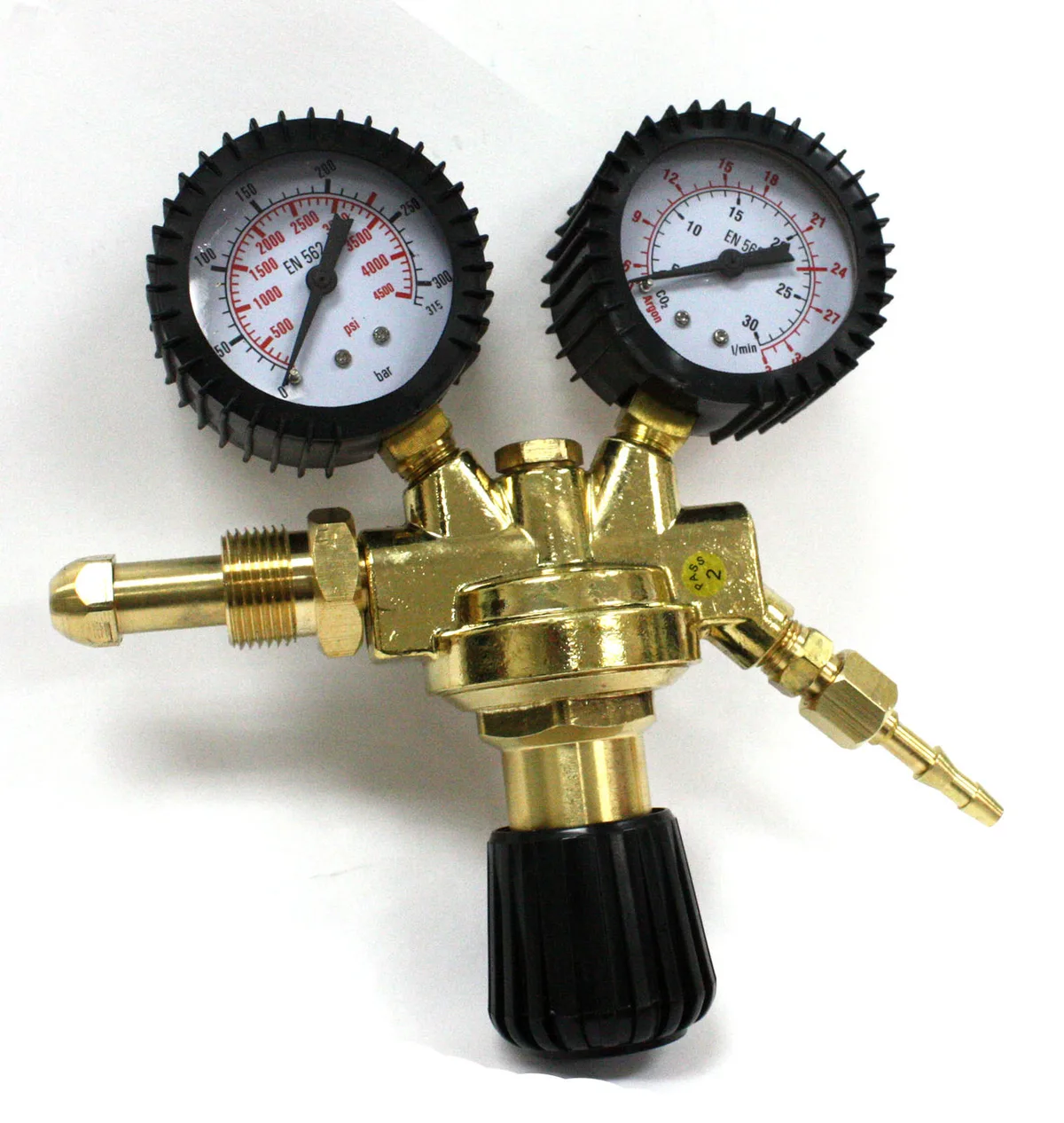
Another easy-to-make mistake is overlooking the gas flow rate. Too little gas, and you won't get adequate shielding, leading to contamination. Too much gas, and the sheer volume can create turbulence, actually pulling atmospheric air into the weld zone. Researching recommended flow rates for your specific nozzle size and welding situation is crucial, even for simple mild steel projects.
Expert Tips for Optimizing Your Gas Setup
To truly get the most out of your shielding gas, a few setup details make a big difference. First, a correct gas flow rate is essential. For a standard 1/4-inch nozzle, aiming for 20-25 cubic feet per hour (cfh) is a solid starting point. You might need to adjust slightly based on wind conditions or the specific gas you're using, but this range is generally accepted.
Always perform a leak check on your entire gas system. This includes the cylinder valve, regulator, hose, and torch connections. A quick spray of soapy water can reveal any hidden leaks. Consistent gas coverage is also key; utilizing pre-flow and post-flow settings on your welder, if available, is practical.
Pre-flow purges the line before you strike an arc, ensuring good shielding from the start, while post-flow keeps the gas flowing after you release the trigger to protect the cooling weld puddle. Good ventilation, or using fume extraction systems, is non-negotiable for safety when welding any metal.