
So, you're standing there, ready to weld, and you're wondering: do you need gas for MIG welding or can you just grab the wire and go? This is a question that trips up a lot of folks getting started, and the simple answer is, well, it depends on what you're trying to do. But understanding that "it depends" is key to getting strong, clean welds.
In our research for this guide, manufacturer specifications consistently show that the material being welded and the type of wire you use are the biggest factors. For instance, welding steel with a solid wire almost always requires a shielding gas to prevent weld defects. This fundamental aspect is why many welding machines come with a connection for a gas cylinder.
Quick Answer: Do You Need Gas for MIG Welding?
For most standard MIG welding applications, especially with steel, stainless steel, and aluminum using solid wire, yes, you absolutely need a shielding gas. This gas creates a protective atmosphere around the molten weld puddle. The only common exception is when you're using a specific type of wire called self-shielded flux-cored wire, which produces its own shielding gas from its flux coating.
When Welder's Gas is a Must-Have
If you're aiming for quality, longevity, and good looks in your welds, then attaching a gas cylinder to your MIG welder is usually a non-negotiable step. Think of it as putting a lid on a pot to keep things clean while cooking; the shielding gas does the same for your molten metal. Without it, atmospheric contaminants can easily invade your weld.
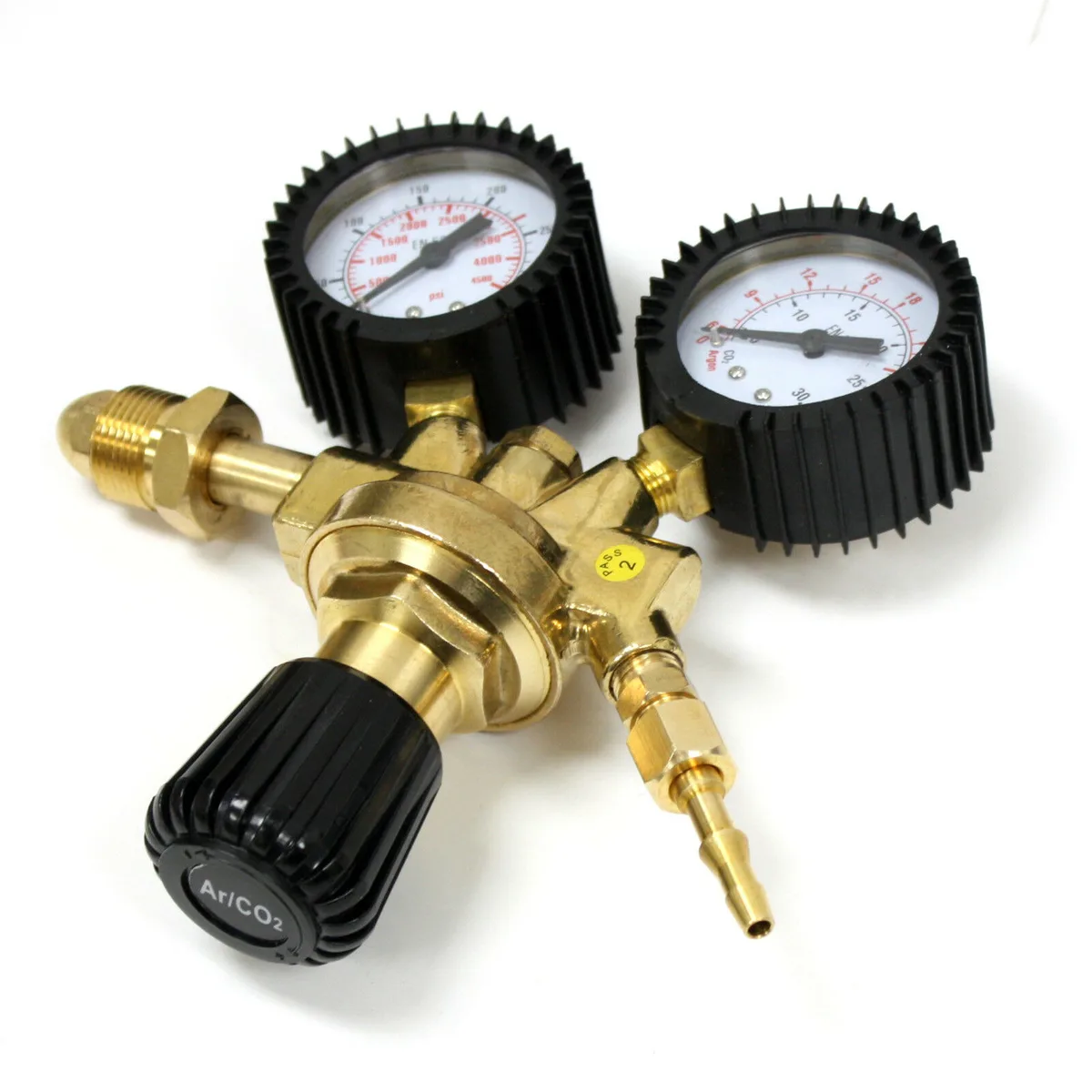
Image source: Bing (Web (fair-use with source credit))
Protecting Your Weld Puddle: Why Shielding Gas Matters
The primary job of shielding gas in MIG welding is to act as a barrier. When you strike an arc, you create a super hot, molten pool of metal. This molten metal is highly reactive with the oxygen and nitrogen present in the surrounding air. If these gases get into the weld, they can cause serious problems, leading to what's known as porosity.
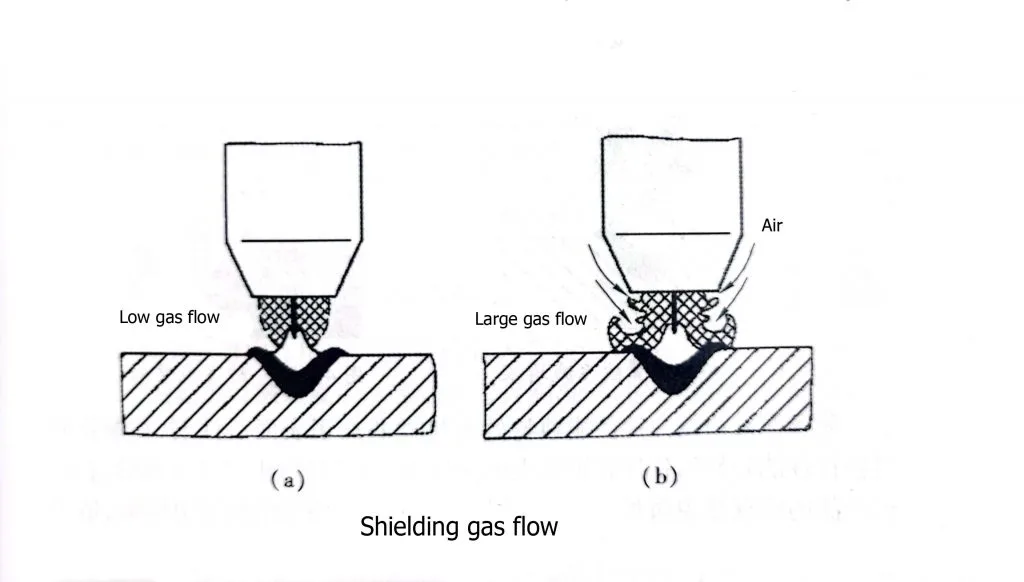
Image source: Bing (Web (fair-use with source credit))
- Porosity: Tiny bubbles of gas trapped within the solidified weld metal, like little holes. This significantly weakens the weld and makes it prone to failure.
- Oxidation: The exposed metal can react with oxygen, forming oxides that compromise the weld's integrity and appearance.
- Nitrogen Embrittlement: Nitrogen absorption can make the weld metal brittle, leading to cracking.
The shielding gas, flowing from your MIG gun's nozzle, displaces the air, creating a clean, inert, or semi-inert environment for the molten metal and the arc. This allows the weld to cool and solidify without contamination. The specific gas or gas mixture you use depends on the type of metal you're welding; for example, pure argon is commonly used for aluminum, while a blend of argon and CO2 (often called C25) is a workhorse for mild steel.
Different Wires, Different Rules: Solid vs. Flux-Cored
When we talk about MIG welding wires, there are two main categories that dictate whether you need gas: solid wire and flux-cored wire. Understanding the difference is crucial for deciding your gas setup.
- Solid Wire: This is your standard MIG wire. It's a solid strand of metal. When used for welding steel, stainless steel, or aluminum, it absolutely requires an external shielding gas supply. The gas is the only protection against atmospheric contamination.
- Flux-Cored Wire: This wire has a hollow core that's filled with flux. As you weld, this flux melts and burns, producing its own shielding gases and slag. This self-shielding capability means you often don't need an external gas cylinder.
This distinction is a core factor in your setup. If you're using a spool of solid steel wire, you'll be connecting that gas bottle. If you've got a spool of self-shielded flux-cored wire, you can typically run it without one.
The Self-Shielded Way: When Gas Isn't Needed
There's a specific type of wire designed for MIG welding that bypasses the need for an external gas cylinder: self-shielded flux-cored wire. This wire has a flux coating on the outside that, when exposed to the heat of the welding arc, creates its own protective atmosphere. It's like having a built-in shield.
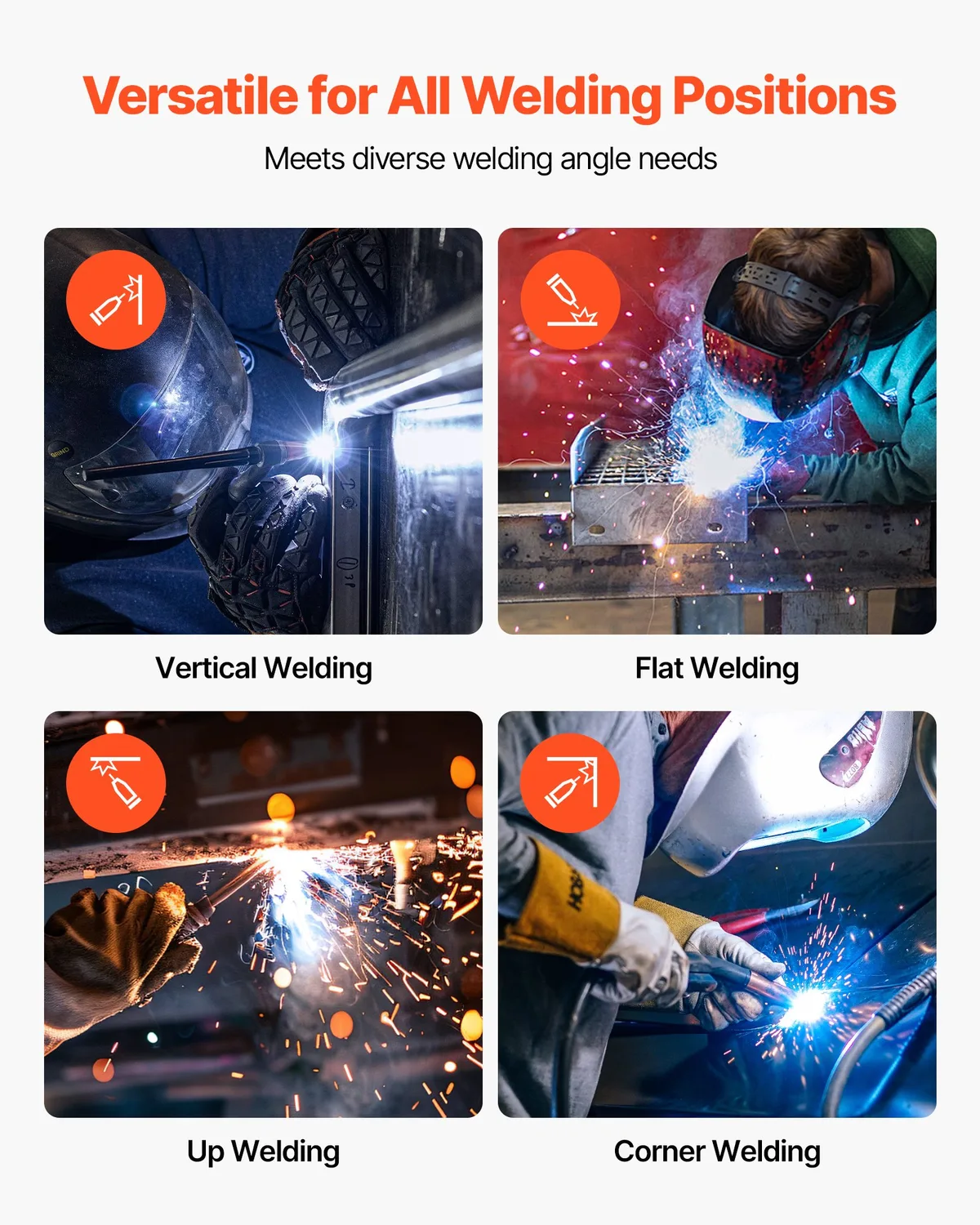
Image source: Bing (Web (fair-use with source credit))
What Self-Shielded Flux-Cored Wire Does
The flux within the wire contains deoxidizers and arc stabilizers. As the wire burns, these components vaporize and form a gas cloud that shields the molten weld pool from the surrounding air. Additionally, the flux leaves behind a slag layer on top of the weld, which provides further protection as the metal cools. This slag must typically be chipped or brushed off after welding.
This type of wire is a real lifesaver in certain situations, particularly when working outdoors or in windy conditions where a shielding gas could easily be blown away. Manufacturer specifications for these wires often highlight their all-position capabilities and suitability for less-than-ideal environments.
Pros and Cons of Going Gasless
While convenient, self-shielded wire isn't a perfect solution for every job. Our comparative analysis of welding wire types shows distinct advantages and disadvantages.
Pros:
- Portability: No need to lug around a heavy gas cylinder.
- Wind Resistance: Excellent for outdoor use or breezy workshops.
- Penetration: Can offer deeper penetration on thicker materials compared to some gas-shielded wires.
- Versatility: Often used for structural steel and less critical applications.
Cons:
- Spatter: Tends to produce significantly more spatter (small droplets of molten metal that fly off the weld), leading to more cleanup.
- Weld Appearance: Welds can be dirtier-looking and less aesthetically pleasing than gas-shielded welds.
- Fumes: Can produce more fumes during welding, requiring good ventilation.
- Material Limitations: Not ideally suited for thin metals or materials like stainless steel and aluminum where a clean, precise weld is paramount.
Choosing the Right Gas for Steel MIG Welding
When you decide to go with traditional MIG welding for steel, the type of shielding gas you use is critical to achieving the desired weld quality. The common choices generally involve mixtures of argon and carbon dioxide (CO2), or sometimes pure CO2.
Common Gas Mixes (Like C25) and Why They Work
The most popular gas blend for welding mild steel is a mixture of approximately 75% argon and 25% CO2, often referred to as "C25." This blend strikes a great balance for many steel welding tasks.
- Argon provides a stable arc and good wetting action, meaning the molten metal flows out nicely to form a smooth bead. It's lighter than CO2 and helps reduce spatter.
- CO2 is a more active gas, meaning it helps to break down any surface oxides on the steel and provides deeper penetration. It's also more economical than pure argon.
This blend is a real workhorse for everything from automotive repair to general fabrication. Aggregate reviews from professional welders consistently point to C25 as the go-to for consistent results on mild steel. For reference, you can often find suggested settings for these gas mixes on charts like those for Mig Welder Settings which specify voltage and wire feed speed.
When Pure CO2 or Argon Might Be Better
While C25 is widely used, there are times when tweaking the gas mix or using a single gas might be more appropriate.
Pure CO2: If you're welding thicker sections of mild steel (generally over 1/4 inch or 6mm), pure CO2 can offer even deeper penetration and is usually less expensive. However, it tends to produce more spatter and can offer less control on thinner materials.
Pure Argon: Pure argon is typically reserved for thinner gauge steels (under 1/8 inch or 3mm) or for specific welding applications where minimal spatter and a very smooth arc are prioritized. It's more common for aluminum welding, but can be used on steel in specialized cases.
Mistakes to Avoid: Not Using Gas (When You Should)
Trying to MIG weld steel, stainless steel, or aluminum with solid wire without a shielding gas is a recipe for disappointment. Manufacturers strongly advise against this for good reason, as it directly compromises weld integrity. It's a shortcut that leads to significant problems down the line.
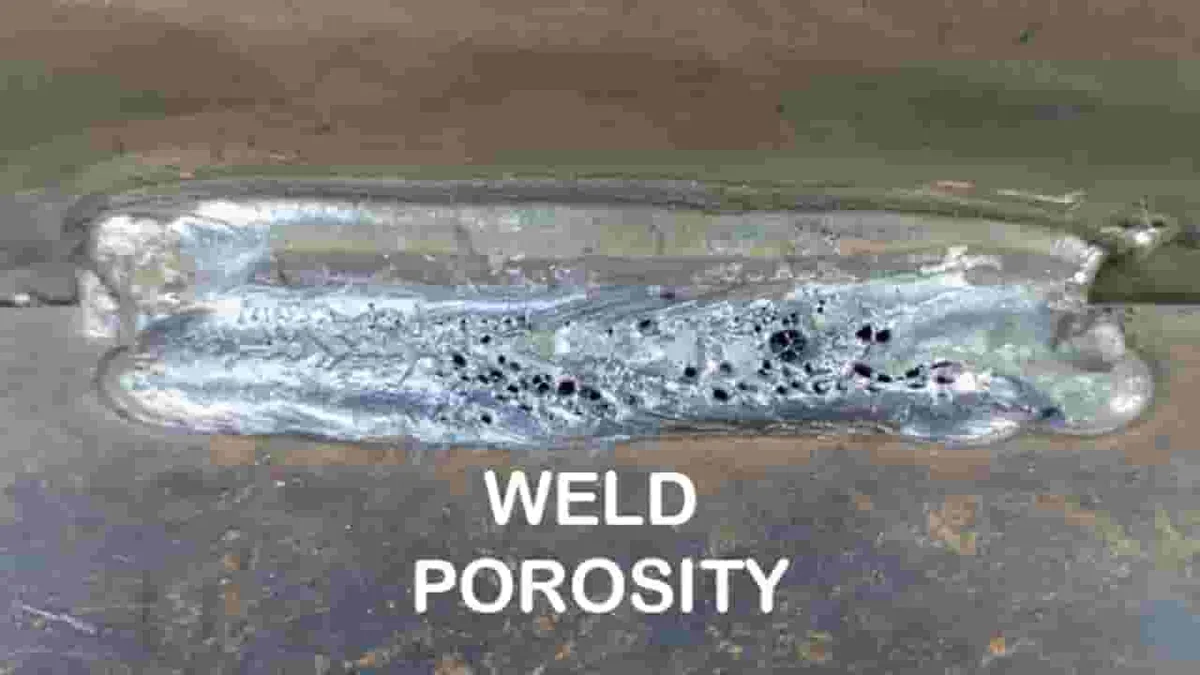
Image source: Bing (Web (fair-use with source credit))
The Real Risks: Porosity, Weakness, and Cracking
When you forgo shielding gas on solid wire MIG welding, the molten metal is directly exposed to the atmosphere. This leads to several critical defects:
- Porosity: As we've discussed, this is the trapping of atmospheric gases in the weld. Per testing standards like ANSI/AWS D1.1, welds with significant porosity are considered unacceptable for structural applications. It creates internal flaws that reduce the weld's cross-sectional area and its ability to bear load.
- Poor Fusion: The metal may not properly fuse together, leaving a weak bond that can easily separate.
- Brittleness: Contamination from oxygen and nitrogen can make the weld metal brittle, increasing its susceptibility to cracking, especially under stress or impact.
- Reduced Tensile Strength: The overall strength of the weld is severely compromised, often by 50% or more in extreme cases, making it unsuitable for anything requiring mechanical integrity.
If you're working on anything structural or safety-critical, skipping gas is out of the question. For many DIY projects or automotive repairs, the consequences of a weak weld could range from minor cosmetic issues to major safety hazards.
When Gasless MIG Welding Makes Sense
While gas is generally preferred for clean, strong welds, there are specific scenarios where skipping the gas cylinder and opting for self-shielded flux-cored wire is not just a viable option, but often the better choice. These situations typically involve portability, environmental conditions, or specific thickness requirements.
Ideal Scenarios: Wind, Outdoors, and Tough Jobs
The most compelling reason to go gasless is when you're welding in conditions that would blow away traditional shielding gas. This includes:
- Outdoor welding: Whether you're working on a fence, a trailer, or anything outside, wind is your enemy when using gas. Self-shielded wire shines here.
- Drafty workshops: Even indoors, strong fans or open bay doors can disrupt delicate gas coverage.
- Job sites with limited access: Not every location will have easy access to gas cylinder rental or transport, making a wire that doesn't require gas a practical solution.
- Thicker materials: Some self-shielded wires are formulated for excellent penetration on thicker steels, making them a good choice for heavy fabrication or repairs where cleanup is less of a concern than structural integrity.
In these cases, the convenience and robustness of a gasless setup outweigh the potential for more spatter or a less polished weld appearance.
Who Benefits Most from Gasless MIG
The decision to go gasless often comes down to the welder's priorities and typical working environment.
- DIYers and Hobbyists: Those working on outdoor projects, repairs on farm equipment, or general metal fabrication where portability and simplicity are key often find self-shielded wire ideal.
- Field Service Technicians: Mechanics, agricultural repair specialists, and construction workers who frequently work away from a fully equipped shop benefit greatly from the self-contained nature of gasless MIG welding.
- Budget-Conscious Welders: Eliminating the cost of gas bottles, rental, and refills can be a significant saving, especially for infrequent users.
However, for critical structural welds, automotive body work requiring smooth finishes, or welding aluminum and stainless steel, gas-shielded MIG welding remains the standard.
Setting Up For Success: A Mini-Workflow for Gas
So, you've decided you need gas for your MIG welding job. Now, let's talk about getting it hooked up and ready. It's a straightforward process, but getting it right ensures your shielding gas actually shields that puddle effectively.
Connecting Your Cylinder and Regulator
The first step is to connect your gas cylinder to your MIG welder. This involves a gas regulator, which you attach to the cylinder valve.
- Inspect the cylinder: Ensure the valve is closed and the threads on the regulator and cylinder are clean and undamaged.
- Attach the regulator: Place the regulator onto the cylinder valve and tighten the connection securely, typically with an adjustable wrench.
- Connect the hose: Attach the braided hose from the regulator to the gas inlet fitting on your MIG welder. Ensure this connection is also tight to prevent leaks.
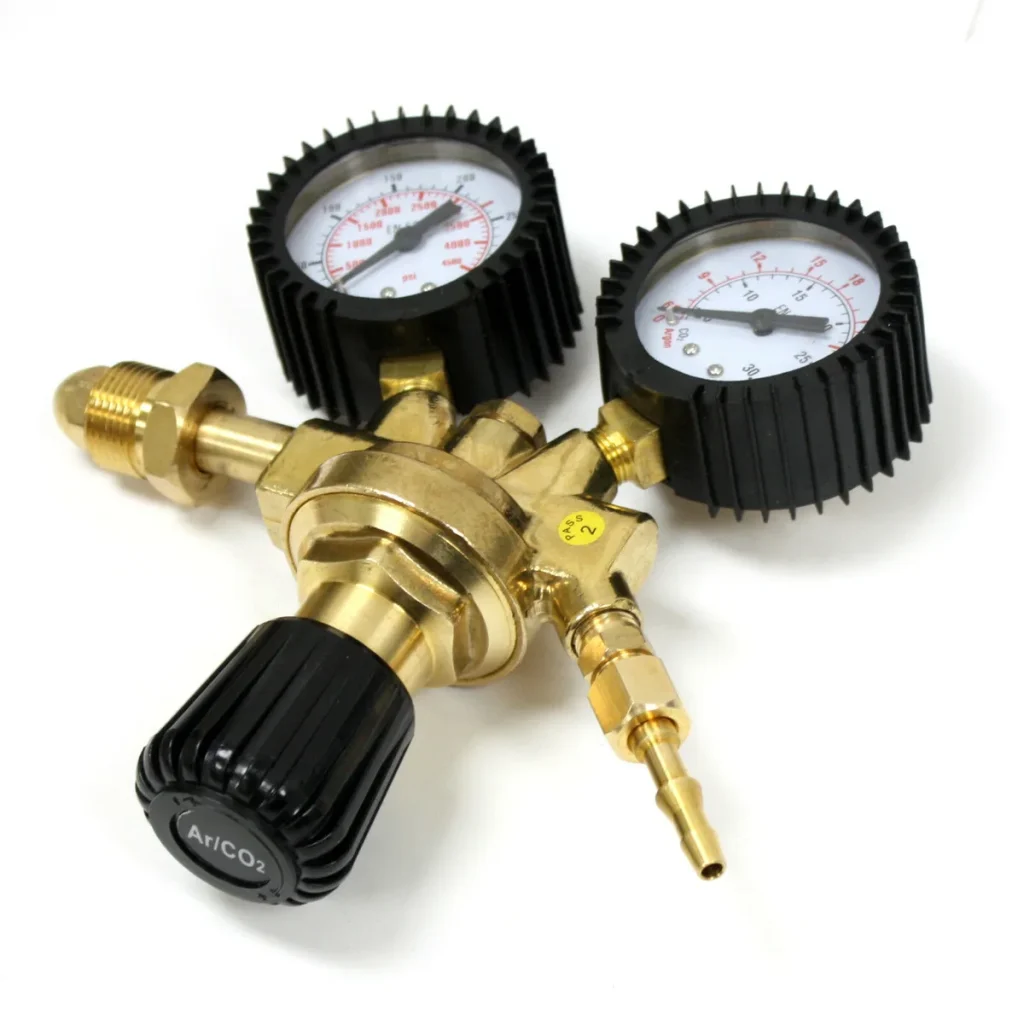
Many regulators feature two gauges: one showing the cylinder pressure and another showing the working pressure, or flow rate, you'll set. For a smooth start, always open the cylinder valve slowly to pressurize the regulator. This allows you to safely check for leaks before proceeding.
Dialing In Gas Flow Rates
Once everything is connected, you need to set the correct flow rate for your shielding gas. This is crucial for effective shielding without wasting gas. Manufacturer specifications and welding charts often provide recommended flow rates, typically measured in cubic feet per hour (CFH) or liters per minute (LPM).
- Typical Steel: For C25 gas on mild steel, a flow rate between 15-25 CFH is common.
- Aluminum: For pure argon on aluminum, slightly higher rates, sometimes up to 30 CFH, are often recommended.
The ideal flow rate can vary based on your welding gun, tip size, and ambient airflow. Too low a flow won't provide adequate shielding, while too high a flow wastes gas and can actually draw in room air, defeating the purpose. You'll often see these flow rates adjusted using a ball-type flowmeter on the regulator, where a small ball floats inside a calibrated tube. Getting this right is a key part of a [successful MIG setup](https://metaljointpro.com/mig-welder-settings/).
Final Verdict: Gas or No Gas? Your Decision Guide
Ultimately, the question of “do you need gas for MIG welding?” boils down to a practical decision based on your materials, your wire, and your environment. If your goal is clean, high-quality welds on steel, stainless steel, or aluminum, and you're using solid wire, then yes, you need gas. It’s the standard for a reason, providing that essential protective bubble around your weld puddle.
However, if you find yourself frequently welding outdoors, dealing with wind, or prioritizing portability and simplicity over a perfect cosmetic finish, then self-shielded flux-cored wire offers a compelling gasless alternative. These wires contain their own shielding agents, making them a self-contained solution.
As of 2026, both methods remain relevant, each serving distinct needs in the welding world. Understanding these differences ensures you choose the right setup for your specific project, leading to stronger, more reliable welds.


