If you’re cleaning up MIG welds after laying down beads, the right chipping hammer makes a real difference. Slag removal, spatter clearing, and bead cleanup all go faster with a hammer designed for the job.
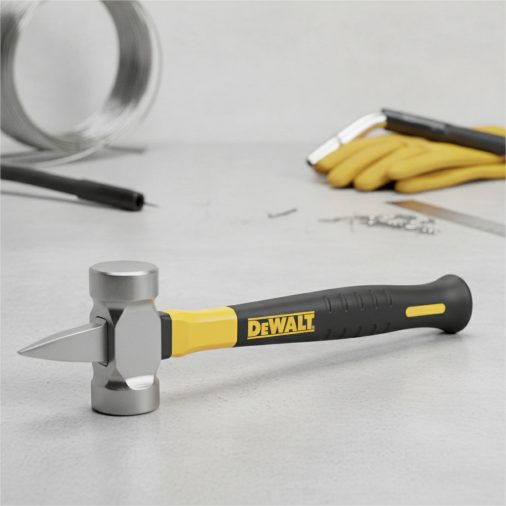
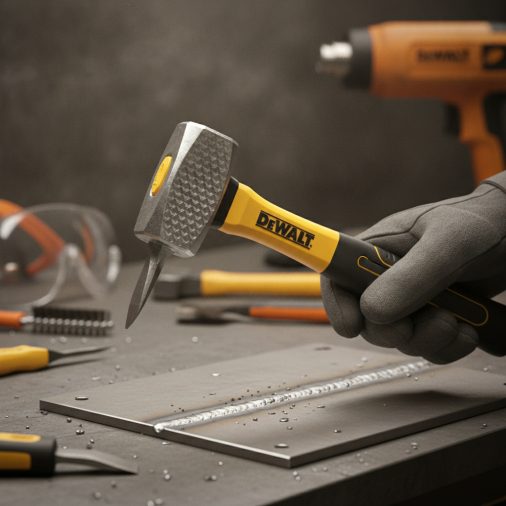
The DeWalt MIG weld hammer 14 oz is a dedicated welding chipping and scaling hammer designed for post-weld cleanup tasks. Weighing 14 ounces, it balances enough mass for effective slag chipping without causing fatigue during extended use. It typically features a hardened steel head with a chisel end and a pick end, paired with a vibration-reducing handle for comfort on the job site.
What Makes a 14 oz Weld Hammer the Right Weight
Weight choice in a chipping hammer is more practical than it sounds. Too light and you’re tapping ineffectively at stubborn slag. Too heavy and your wrist takes a beating after an hour of cleanup work.
At 14 ounces, the DeWalt weld hammer sits in a useful middle range. It’s heavy enough to dislodge hardened slag with a firm strike, but controlled enough that repeated swings don’t strain your forearm during longer sessions.
Most welders working MIG on structural steel, fabrication benches, or repair jobs find this weight range the most versatile across different material thicknesses and weld sizes.
Head Design: Chisel and Pick Combination
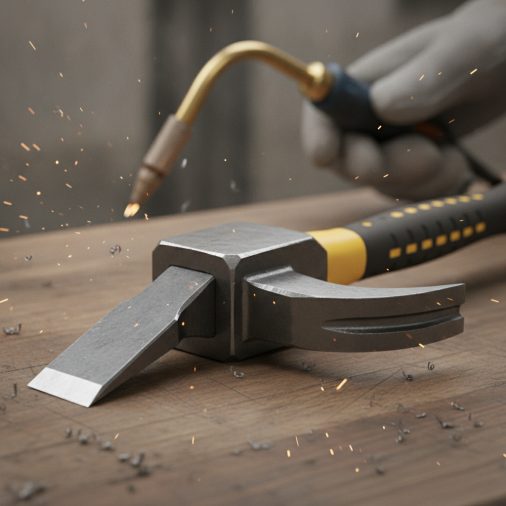
The functional heart of a weld hammer is its head geometry. The DeWalt MIG weld hammer uses the standard industry combination:
– Chisel end: A flat, angled blade for breaking loose wide slag deposits along the bead surface
– Pick end: A pointed tip for getting into tight corners, gaps between passes, and recessed areas where a flat chisel can’t reach
Both ends are typically heat-treated and hardened to withstand repeated impact against abrasive slag without deforming or chipping the head itself.
In practice, the chisel end handles the bulk of cleanup on flat or horizontal welds, while the pick is invaluable when you’re working on joints, multi-pass welds, or anywhere spatter has collected in tight geometry.
Handle Construction and Vibration Control
Handle quality on a chipping hammer matters more than most people expect before they’ve used a cheap one for a full shift. Repeated impact travels directly up through a rigid steel or low-quality fiberglass handle and concentrates in your grip and wrist.
DeWalt typically addresses this with a handle designed to absorb or dampen strike vibration, commonly achieved through:
– Fiberglass or composite core: Lighter than steel, more vibration-resistant
– Overmolded grip: A rubber or thermoplastic elastomer (TPE) grip layer that cushions contact and improves control with gloved hands
– Longer handle geometry: More handle length gives better leverage and reduces the force needed per strike
The grip texture also matters during welding work because hands are often sweaty, gloved, or lightly contaminated with grease. A textured overmold gives practical control that a smooth handle doesn’t.
Where This Hammer Fits Into MIG Welding Workflow
Post-weld cleanup is a consistent part of MIG welding work, especially on structural steel and heavier plate. After completing a weld bead, most welders follow this basic sequence:
1. Allow the weld and surrounding metal to cool briefly
2. Use the chipping hammer to break and remove slag from flux-core or stick welds, or to knock off spatter from standard MIG
3. Follow with a wire brush to clear the remaining residue and expose the clean bead surface
4. Inspect the weld visually for defects, porosity, or incomplete fusion
A 14 oz hammer handles step two efficiently without being overkill for lighter work. If you’re regularly running flux-cored wire — which produces more slag than solid wire MIG — a well-balanced chipping hammer becomes a tool you reach for constantly. Understanding what a good MIG weld looks like after cleanup also helps you judge whether more chipping is needed or the bead is ready for inspection.
Typical Specifications at a Glance
Feature
Details
Weight
14 oz
Head Type
Combination chisel and pick
Head Material
Hardened steel
Handle Material
Fiberglass / composite with overmold grip
Primary Use
Slag chipping, spatter removal, bead cleanup
Handle Length
Typically 11–13 inches
Compatible Processes
MIG, flux-core, stick welding cleanup
Comparing the 14 oz to Other Common Chipping Hammer Weights
Not every welding job calls for the same hammer. Here’s a practical look at how the 14 oz compares:
Weight
Best For
Limitations
8–10 oz
Light sheet metal work, extended use
Insufficient mass for heavy slag
12–14 oz
General MIG and flux-core cleanup
Limited on very thick, hardened deposits
16–20 oz
Heavy structural or multi-pass stick welds
Fatigue over long cleanup sessions
The 14 oz range is the most versatile for everyday MIG and flux-core work. It’s heavy enough to be efficient without feeling like you’re swinging a small sledge.
Common Mistakes When Using a Weld Chipping Hammer
Even with a quality tool, poor technique leads to damaged welds or wasted effort.
Striking too hard on fresh welds: If the weld hasn’t cooled sufficiently, aggressive hammering can introduce stress or even crack a joint that hasn’t fully solidified. Let the piece cool for at least 60–90 seconds before starting cleanup on thinner material, longer on thicker sections.
Using the wrong end for the job: Many welders default to the pick end for everything. The chisel does far faster work on flat bead surfaces and should be used first. Save the pick for detailed work in tight spots.
Skipping wire brushing after chipping: Chipping removes the bulk of slag but rarely gets everything. Following with a wire brush exposes the full bead surface and reveals any porosity or surface issues you’d otherwise miss.
Ignoring eye protection: Slag chips travel fast and unpredictably. Always wear appropriate eye protection — a face shield ideally — when chipping welds.
DeWalt DWHT51064 and Similar Models to Know
The DeWalt DWHT51064 is one of the commonly referenced welding hammers in the DeWalt hand tool line, designed specifically for MIG and general welding cleanup. It incorporates the combination chisel and pick head with a reinforced handle designed to handle the repetitive impact demands of weld chipping.
DeWalt also produces the DWHT56028, another welding hammer variant positioned toward heavier-duty use. Both share the brand’s general approach to handle ergonomics and head hardness, though specific weight and balance differ slightly between models.
For most welding bench and field work, the 14 oz range within the DeWalt lineup gives a practical balance of impact effectiveness and all-day usability.
FAQ
What is a MIG weld hammer used for?
A MIG weld hammer is primarily used to chip away slag, remove spatter, and clean up the surface of a completed weld bead. Even in standard solid-wire MIG welding, spatter accumulates around the weld zone. In flux-cored MIG welding, slag forms directly over the bead and must be removed before inspection, further passes, or finishing work.
Is 14 oz a good weight for a chipping hammer?
Yes, 14 oz is considered a practical all-purpose weight for most MIG and flux-core welding cleanup. It provides enough mass to break stubborn slag efficiently without causing excessive wrist fatigue during extended work sessions. Most professional welders and fabricators find this weight comfortable for both occasional and repeated use throughout a shift.
Can I use a DeWalt weld hammer on stick welding slag?
A DeWalt 14 oz weld hammer works on stick welding slag as well. Stick (SMAW) welding typically produces heavier, thicker slag deposits than MIG, so you may need more deliberate strikes. The pick end is particularly useful for breaking loose the thick slag ridges that form along stick weld beads, especially on vertical or overhead joints.
What’s the difference between a chipping hammer and a regular hammer?
A standard claw or ball-peen hammer isn’t shaped for weld cleanup. A chipping hammer’s combination of chisel and pick ends allows targeted impact on specific slag deposit shapes. The head geometry, heat-treated hardness, and handle vibration resistance are all optimized for repeated impact against abrasive, irregular slag surfaces — tasks a standard hammer handles poorly.
How should I maintain a weld chipping hammer?
Keep the head clean of slag buildup, which can accumulate between the head and handle connection over time. Inspect the handle periodically for cracks, especially near the head connection where stress concentrates. If the grip shows significant wear, replace the tool rather than risk losing control during a swing. Store it dry to prevent rust on the hardened steel head.
Does the DeWalt MIG weld hammer work with welding gloves on?
The overmolded grip on most DeWalt welding hammers is designed with gloved use in mind. The textured rubber or TPE surface maintains grip even through standard leather welding gloves. Thicker insulated gloves may reduce tactile sensitivity slightly, but the handle geometry generally accommodates gloved hands without slipping.
What’s the best way to remove spatter with a chipping hammer?
Work the chisel end along the spatter deposit at a low angle rather than striking straight down. A shallow glancing strike breaks the bond between spatter and base metal more efficiently than a direct vertical blow. For stubborn spatter, a few short firm strikes at the base of the deposit are more effective than repeated light tapping.
Using the right hammer for weld cleanup is one of those small details that significantly affects the quality of the finished job. The DeWalt MIG weld hammer at 14 oz hits a practical sweet spot — effective on common slag and spatter without wearing you down. Pair it with consistent technique, proper eye protection, and a good wire brush, and post-weld cleanup becomes a fast, predictable step rather than a frustrating one.