
What Exactly Is the Green Film
Why Copper Develops This Film Faster in Some Situations
Is the Green Film Harmful to Copper
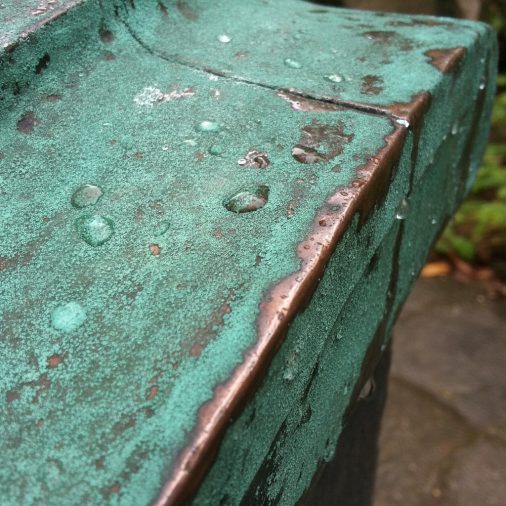
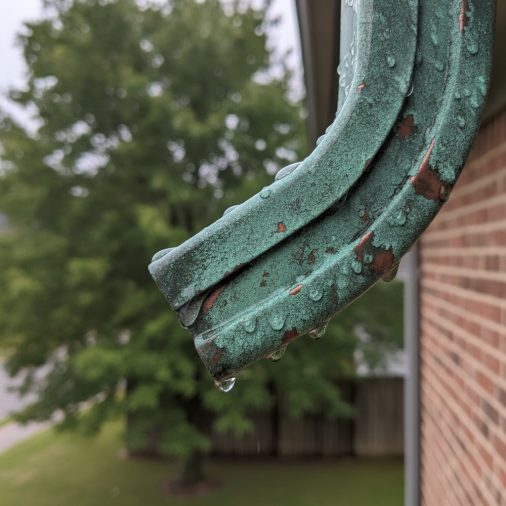
For most applications, the patina is protective rather than destructive. Once it stabilizes, it slows further oxidation by limiting oxygen access to the base metal. Architects and metalworkers often intentionally allow — or artificially accelerate — patina formation on copper roofing, gutters, and decorative elements for exactly this reason. The more concerning situation is active verdigris, where the green film is powdery, flaking, or accompanied by pitting. That pattern suggests the corrosion is consuming the metal rather than forming a stable barrier. Watch for these warning signs on copper plumbing or components: – Blue-green staining on surrounding surfaces (indicates copper is dissolving into water) – Pinhole leaks near green deposits – Powdery, loose green crust rather than a smooth layer – Discoloration in water drawn from copper pipes If you’re dealing with copper pipes that show active corrosion combined with green deposits, the issue often links back to water chemistry — particularly low pH or high dissolved oxygen levels.Green Film on Copper Pipes: A Different Concern
On decorative copper, green patina is usually welcome or neutral. On copper plumbing, it deserves more attention. The green deposits themselves aren’t the problem — they’re the symptom. Aggressive water chemistry is typically the root cause. Water that’s too acidic (below pH 6.5–7.0) will steadily dissolve copper from pipe walls, leaving green staining on fixtures, faucets, and drains. Older homes with soldered copper pipe joints are particularly vulnerable. If you notice blue-green staining around pipe joints specifically, that area warrants a closer inspection. For copper pipe systems that have been running reliably for years, minor surface patina without active pitting is usually not a structural concern. You can learn more about working with copper pipe joints and what affects their integrity if you’re troubleshooting plumbing-related issues.How to Remove Green Film from Copper
Removal depends on how thick or stubborn the patina is, and whether you want to maintain a polished surface or allow natural re-patination. For light surface patina: – A paste of white vinegar and salt applied with a soft cloth works well for most household copper items – Lemon juice and baking soda is another low-abrasion option – Commercial copper cleaners like Brasso or Bar Keepers Friend handle moderate tarnish effectively For heavy or stubborn verdigris: – Soak the item in a diluted white vinegar solution for 15–30 minutes, then scrub gently with a soft brush – Avoid steel wool or abrasive pads, which scratch the copper surface and create more surface area for future oxidation – For badly tarnished pieces, a longer soak followed by mechanical cleaning may be needed For a detailed process on tackling stubborn buildup, the step-by-step method for cleaning badly tarnished copper with vinegar covers the full approach, including safety precautions and finishing steps. If the green corrosion has spread to other metal components nearby, the broader process for removing green corrosion from metal surfaces is worth reviewing before you start.Preventing the Green Film from Returning
Once you’ve cleaned copper to a bright surface, protecting it prevents rapid re-oxidation. – Lacquer or clear coat — the standard approach for decorative copper. A thin lacquer layer seals out moisture and oxygen effectively. Renaissance Wax is a popular option for copper items that need more subtle protection without a glossy finish. – Paste wax — periodic application of a quality paste wax provides a reasonable barrier for indoor copper items – Oil coating — a very light mineral oil wipe works for copper tools or hardware stored in humid environments – Controlled environment — for copper jewelry or small items, low-humidity storage in sealed bags with silica gel packets significantly slows tarnishing For outdoor copper — roofing, gutters, sculptures — the expectation is that patina will develop. Most architects and conservators accept this and plan for it rather than trying to prevent it indefinitely.When to Leave the Green Film Alone
Not every instance of copper patina needs intervention. A stable, even green patina on copper roofing, gutters, or architectural elements is performing its job — it’s protecting the metal underneath. Artificially preserving a bright copper appearance on outdoor structures requires constant maintenance and isn’t always practical. For functional copper plumbing or electrical components, the question is whether the green film indicates active corrosion or simply surface oxidation. If the metal beneath the patina is solid, the layer is even, and there’s no pitting or material loss visible — the patina is doing no harm. Removing it only exposes fresh copper to the same environmental conditions, restarting the process.FAQ
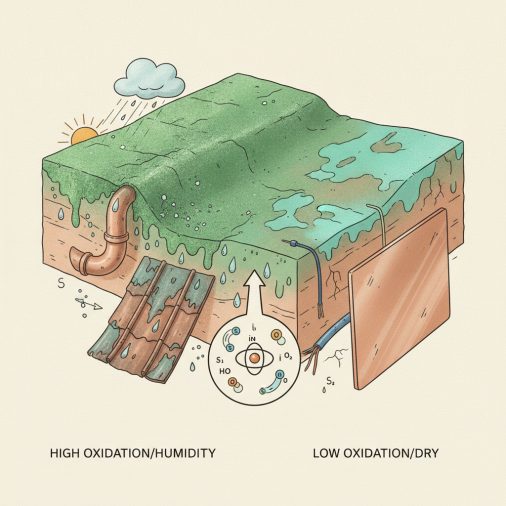
Why is there green stuff on my copper pipes? Green deposits on copper pipes are typically copper carbonate or copper sulfate compounds formed by the reaction between copper and moisture, air, and sometimes minerals in your water. Minor surface patina on older pipes is common and usually not harmful. Concentrated green buildup around joints or accompanied by blue staining in your water supply suggests active corrosion from acidic or chemically aggressive water and should be investigated. Is the green coating on copper toxic? Copper compounds — particularly copper sulfate and copper carbonate — are mildly toxic if ingested in significant quantities. The green film itself poses minimal risk from casual handling, though washing hands after contact is sensible. The more practical concern is copper leaching into drinking water from corroding pipes, which can cause a metallic taste and, at elevated levels, gastrointestinal issues. If your water looks blue-green or tastes metallic, have the water tested. Does the green film on copper mean the metal is rusting? Copper doesn’t rust — rust is specific to iron and steel. The green film is a form of oxidation called patina or verdigris, involving copper carbonate and related compounds. Unlike rust, which actively destroys iron, copper patina typically forms a stable, protective layer. It changes the appearance of the metal but generally doesn’t weaken the underlying copper the way rust degrades steel. How long does it take for copper to turn green? Under typical outdoor conditions, copper begins developing visible patina within a few years. Full green patina — like what you see on old copper roofs or statues — can take 10 to 30 years in most climates. Humid, coastal, or high-pollution environments accelerate the process significantly. Indoors, copper may show light tarnish within months but rarely develops full patina unless conditions are unusually damp. Can I stop copper from turning green permanently? Not permanently in outdoor environments — patination is a natural process that resumes when protective coatings wear down. Indoors, regular cleaning and sealing with lacquer, wax, or a product like Renaissance Wax can maintain a bright copper appearance for extended periods with periodic reapplication. Completely stopping patina formation outdoors would require ongoing maintenance that most applications don’t justify. What’s the difference between copper patina and verdigris? Patina is the general term for the oxidation layer that forms on copper over time, which can range from brown to reddish to green depending on the stage and environment. Verdigris specifically refers to the bright blue-green compound — primarily basic copper acetate or copper carbonate — that forms with more intensive or localized exposure to moisture and acids. Verdigris tends to be powdery and more aggressive than stable brown-green patina. Does the green film affect copper’s electrical conductivity? Yes, it can. Copper patina and verdigris are poor electrical conductors compared to bare copper. On electrical connections, terminals, or wiring, a green film increases resistance and can cause heat buildup, intermittent connections, or failure. Electrical copper contacts should be kept clean. A light abrasive cleaning and a contact protection product like Ox-Gard or similar compounds are commonly used on electrical terminals exposed to moisture.The green film on copper is natural, mostly protective, and in many cases worth leaving alone. The situations that actually require action are when the patina becomes active corrosion — particularly on plumbing with water chemistry issues or on electrical connections where conductivity matters. For everything else, a well-formed patina is simply copper doing what copper does.


