
So, will a MIG welder weld aluminum? The short answer is yes, but it’s not as simple as switching to an aluminum wire and going. Aluminum behaves fundamentally differently than steel when it comes to heat, oxidation, and toughness, requiring specific equipment and techniques to achieve a good weld. Many DIYers and hobbyists discover this the hard way, ending up with frustrating spatter, weak joints, or outright failed welds when they try to transition their steel-welding setup.
Manufacturer specifications for many common MIG welding machines confirm that they are capable of welding aluminum, provided the user makes the necessary adjustments and uses the correct accessories. As of 2026, the core challenges remain the same: managing aluminum’s low melting point and its pervasive oxide layer without compromising the weld integrity. Let's break down what you truly need to consider whether your MIG setup is ready for aluminum.
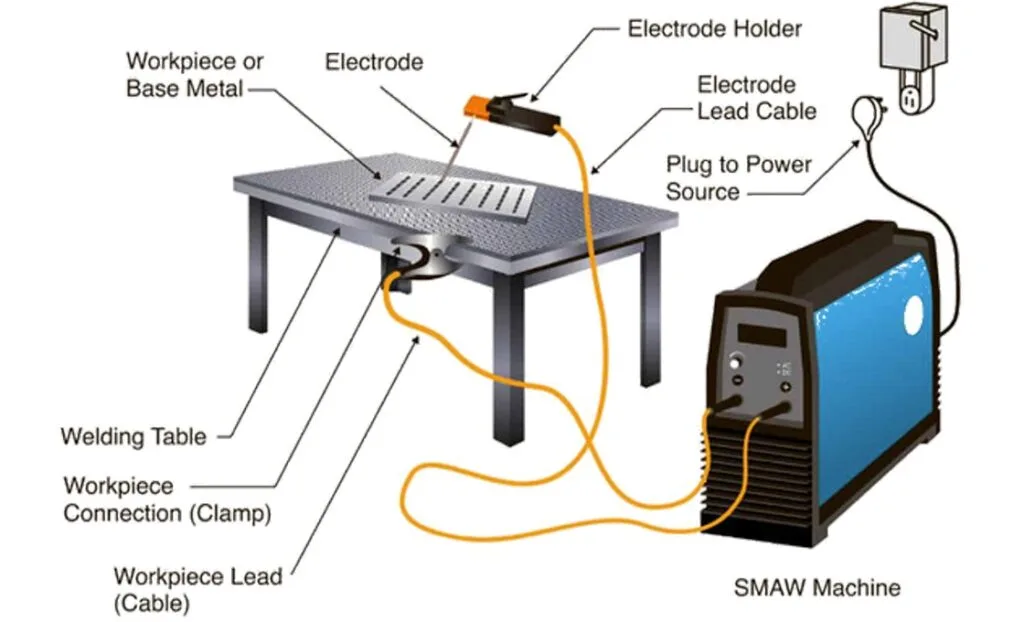
Image source: Bing (Web (fair-use with source credit))
Can You MIG Weld Aluminum? The Quick Answer
Yes, you can absolutely MIG weld aluminum, but it’s not a simple plug-and-play process like welding steel. It requires specific equipment, preparation, and techniques to get a quality weld.
Why Aluminum Welding With MIG Is Different
MIG welding aluminum isn't just a slight variation on welding steel; it's a fundamentally different beast. The core reasons boil down to aluminum's unique physical and chemical properties, which demand a much more precise approach to achieve a successful weld. If you're used to the forgiving nature of steel, aluminum will definitely keep you on your toes.
Aluminum's Tricky Nature for Welders
Let's get down to brass tacks about why aluminum is such a unique welding challenge. First, aluminum has a significantly lower melting point than steel. While steel melts at around 2,750°F (1,510°C), aluminum melts at roughly 1,220°F (660°C). This low melting point means your heat input must be carefully controlled; too much heat, and you risk burning through or creating a puddle that's too fluid to manage.
Then there’s the oxide layer. Aluminum naturally forms aluminum oxide (Al₂O₃) on its surface almost instantly when exposed to air. This layer has a melting point of about 3,700°F (2,037°C), far higher than the aluminum itself. This oxide needs to be dealt with, either mechanically or chemically, before welding, or it will contaminate the weld.
Finally, aluminum is an excellent thermal conductor, meaning heat dissipates very quickly from the weld area. This requires a concentrated heat source and often hotter settings to achieve proper fusion compared to steel. Manufacturers like Lincoln Electric often detail these material properties in their welding guides, reinforcing the need for specialized setups.
The Essential Gear for MIG Aluminum
To successfully MIG weld aluminum, you'll need more than just your standard steel setup. Several components are crucial to overcome aluminum's unique properties and ensure a clean, strong weld. Without these specific items, you're likely to face significant challenges.
The Right Wire: Material and Type
When you switch to welding aluminum with your MIG welder, standard steel wire is a no-go. You absolutely need to use a dedicated aluminum welding wire. The two most common alloys for this are 4043 and 5356. 4043 is often preferred for its good fluidity and crack resistance, making it easier for beginners, while 5356 offers higher tensile strength and is better suited for dynamically loaded parts.
Our research indicates that using the wrong wire alloy can lead to premature cracking, poor bead appearance, and compromised weld strength. The wire itself is also much softer than steel wire.
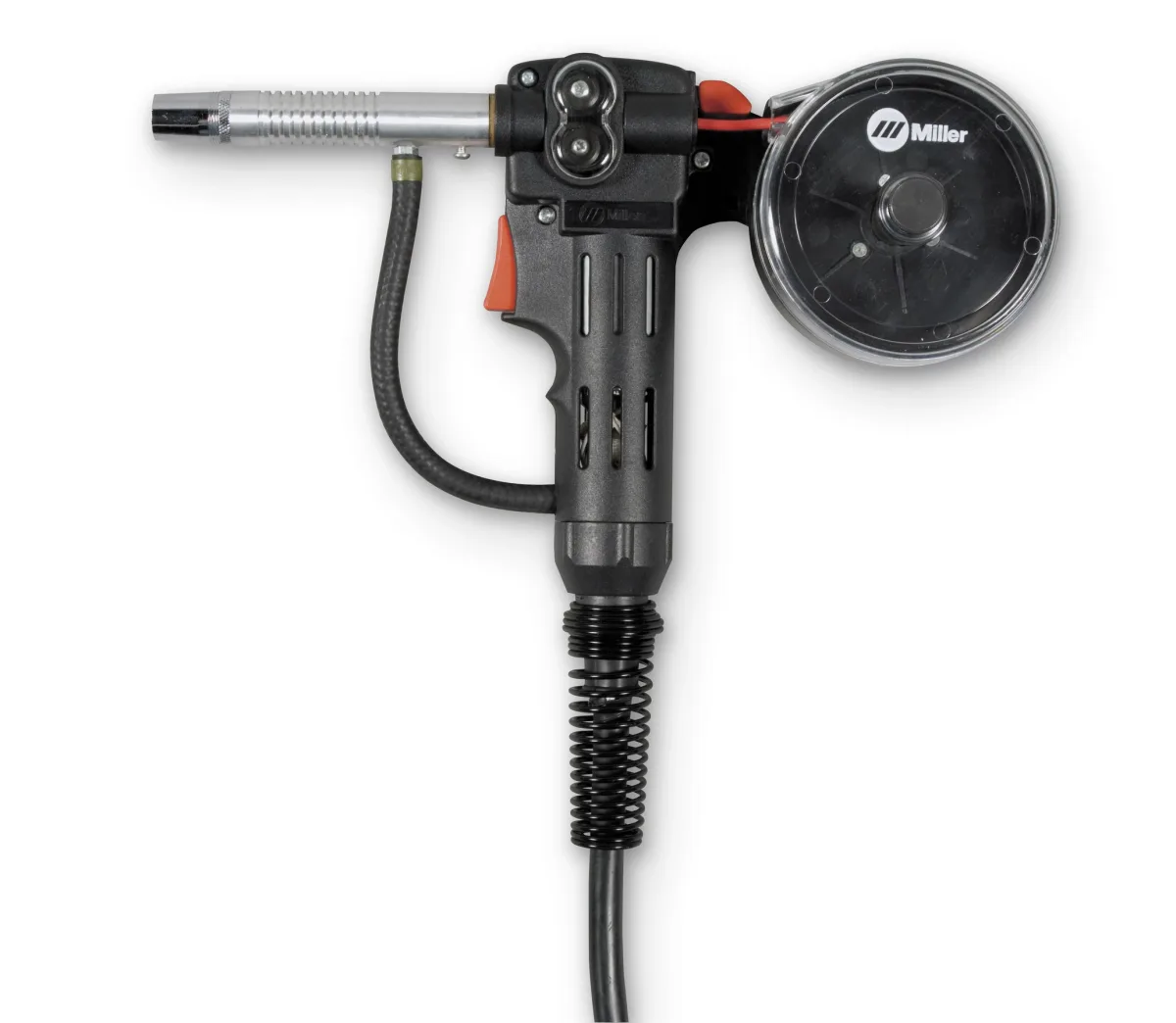
Drive Rollers and Liners: The Unsung Heroes
That soft aluminum wire you're using presents a major feeding challenge for standard MIG setups designed for steel. Steel wire is rigid enough to push through a standard liner without much issue. Aluminum wire, however, is prone to kinking and bunching up in the gun liner.
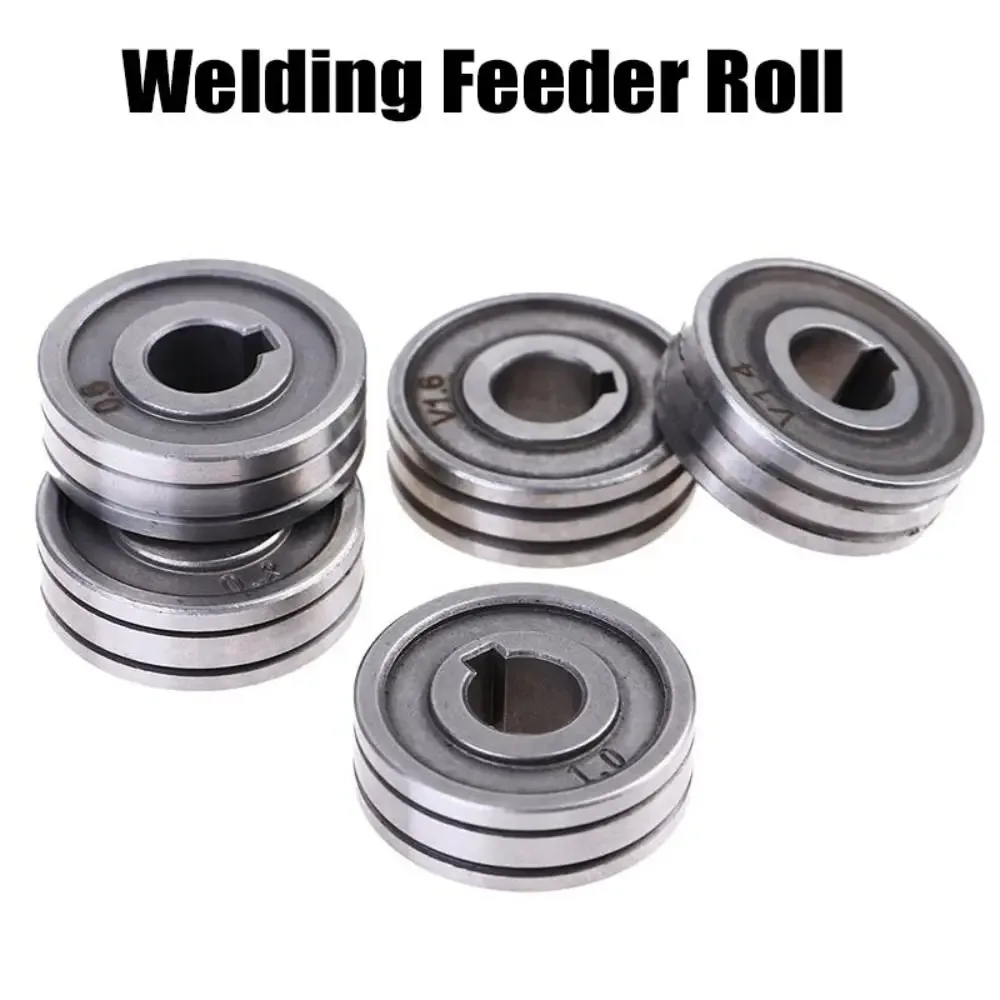
To combat this, you'll need specialized drive rollers, typically U-grooved ones, designed to grip the soft wire without crushing it or causing damage. Think of them as providing a gentler, more secure hold. Additionally, a standard brass or copper liner will wear out quickly under the friction of aluminum wire; you'll want to swap that for a nylon or Teflon liner. These smoother materials significantly reduce drag and prevent the wire from snagging, which is a common frustration.
Gas Matters: 100% Argon is Key
Shielding gas is essential for any MIG welding process, protecting the molten weld pool from atmospheric contamination. For steel, we often use a mix like 75% Argon/25% CO2, but that mixture is detrimental to aluminum. Manufacturer specifications confirm that aluminum requires a pure shielding gas, and that gas is 100% Argon.
Using anything less will result in a weld that's porous, weak, and looks like lava had a bad day. Argon provides the cleanest arc and best shielding for aluminum, ensuring a sound weld bead. You'll need a dedicated gas cylinder for 100% Argon and ensure your flow rate is set correctly, usually between 20-30 cubic feet per hour (CFH), though this can vary slightly by application and nozzle size.
Master the MIG Aluminum Setup Process
Once you've got the right gear, the actual process of setting up your MIG welder for aluminum is critical. It's a series of steps that, if done correctly, make the difference between success and a pile of frustration. Remember, aluminum doesn't forgive mistakes the way steel sometimes does.
Cleaning Aluminum: Non-Negotiable First Step
This is perhaps the single most important step when preparing to weld aluminum. Aluminum forms an oxide layer that has a melting point significantly higher than the base metal itself. This layer needs to be removed prior to welding, otherwise, it can get trapped in the weld, causing porosity, cracks, and a weak joint.
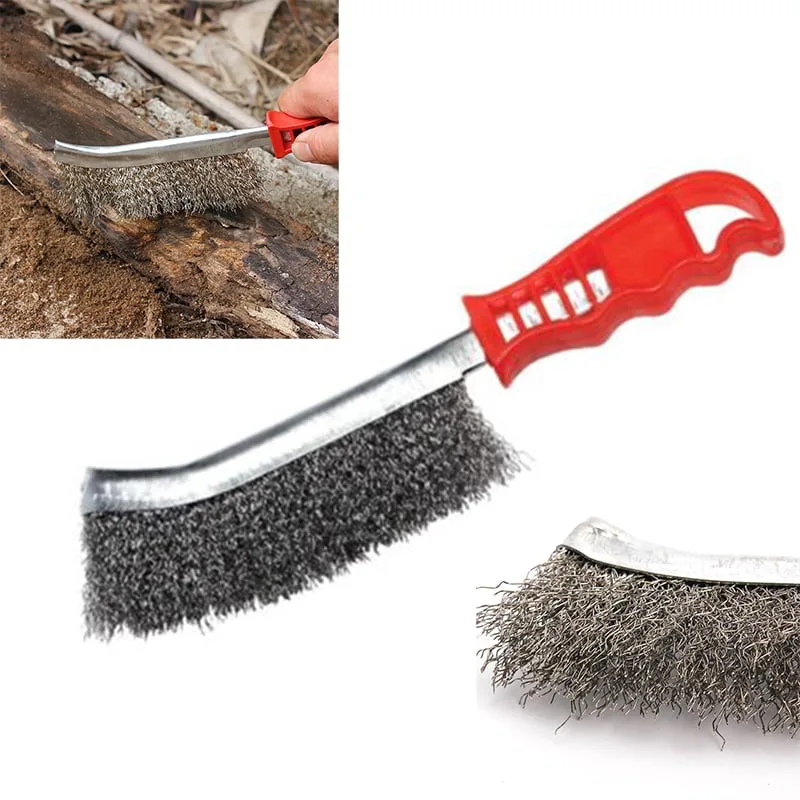
Aggressive cleaning is required. Use a dedicated stainless steel wire brush that has only been used for aluminum. Using a brush that's seen steel can transfer contaminants and cause weld issues. Brush in one direction only.
For greasy parts, a final wipe down with acetone after brushing is highly recommended to remove any residual oils or films.
Setting Up Your Machine: Power and Feed
When setting your machine for aluminum, you'll generally be running at a higher amperage than you might for similar thickness steel. This is because aluminum conducts heat away from the arc so rapidly. The exact voltage and wire feed speed will depend on your welder and the specific wire diameter and material thickness. Our research indicates that for a 0.035-inch wire on 1/8-inch aluminum, you might be looking at settings upwards of 18-20 volts with a corresponding wire speed.
You can find general guidance in welding chart mig wire resources.
It's a balancing act. Too slow a wire feed speed for the voltage will result in an erratic arc and spatter. Too fast, and you'll push too much wire into the weld puddle, leading to a weak, "wormy" bead or an unstable arc. Dialing this in often requires test welds on scrap material.
You might find the Mig Welder Settings guide helpful for understanding how voltage and wire feed interact.
Torch Technique: Pushing for Success
When you MIG weld steel, you often "pull" the weld puddle. For aluminum, however, it's generally recommended to "push" the weld puddle. This technique involves moving the welding gun forward, in the direction of the weld.
Pushing offers several advantages for aluminum: it helps manage the heat better by keeping the arc slightly ahead of the puddle, it aids in gas coverage by pushing the shielding gas over the molten metal, and it can result in a cleaner, flatter bead profile. A tighter arc length and a consistent travel speed are crucial here; you want to keep the puddle from getting too large and running away from you.
When MIG Welding Aluminum Isn't the Best Choice
Even with the right setup, MIG welding isn't always the ideal choice for every aluminum project. For certain situations, alternative welding processes or even non-welding repair methods might be more appropriate. Understanding these limitations helps you select the best approach for your specific needs and ensures you don't waste time and materials on a method that's not a good fit.
Thin Aluminum Challenges
When you're dealing with very thin aluminum stock, say anything less than about 1/16 inch (1.6mm), MIG welding can become exceptionally difficult. The high heat input required for aluminum, combined with its rapid heat dissipation, makes it easy to accidentally burn through thin material. The weld puddle can become overly fluid and out of control very quickly.
For these delicate applications, TIG (Tungsten Inert Gas) welding often provides the superior control needed. TIG allows for much finer heat adjustment and bead placement, making it the preferred method for thin aluminum sheets, automotive body panels, or intricate aluminum structures where precision is paramount. If you're looking at very thin stock, TIG might be a better avenue to explore than trying to adapt your MIG setup.
Precision vs. Practicality
The MIG process, even with a spool gun, is generally considered more practical and faster than TIG welding for aluminum, especially on thicker materials. However, it typically doesn't offer the same level of control over the weld bead's appearance and microscopic structure. If your project demands a highly refined, aesthetically perfect finish, or if you're working on components that require exceptionally precise metallurgical properties, TIG welding is often the superior choice.
TIG welding allows for much finer manipulation of the arc and filler material, resulting in cleaner, more visually appealing welds with less spatter and cleanup. For structural components where appearance isn't a primary concern, or for general fabrication tasks that prioritize speed and strength over visual perfection, MIG welding aluminum remains a very practical and effective solution.
Common MIG Aluminum Welding Mistakes to Avoid
Many welders encounter frustration when first attempting to MIG weld aluminum. The issues often stem from a few recurring mistakes that can be easily avoided with the right knowledge. Recognizing these pitfalls is half the battle in achieving successful aluminum welds.
- Insufficient Cleaning: As we've stressed, improper preparation is the number one culprit. If the aluminum isn't thoroughly cleaned of its oxide layer and any grease or oil, you're almost guaranteed to get a contaminated, weak weld.
- Using Steel Welding Accessories: Trying to feed steel wire through a steel liner or using steel drive rollers will quickly lead to feeding problems, wire kinking, and frustration. Aluminum wire requires its own specialized accessories and settings.
- Incorrect Shielding Gas: Failing to use 100% Argon is a critical error. Using a standard steel mix will result in a porous, brittle weld that is essentially useless and will exhibit significant porosity.
- Improper Torch Angle: Pushing the weld puddle, rather than pulling, is essential for controlling heat and gas coverage. Pulling can lead to poor fusion and a compromised weld that degrades structural integrity.
- Inconsistent Travel Speed: Aluminum's conductivity means heat dissipates rapidly. A slow travel speed can overheat the area, while a speed that's too fast won't allow for proper fusion.
Expert Tips for Better Aluminum MIG Welds
Beyond the fundamental setup, a few pro tips can really elevate your aluminum MIG welding game. These small adjustments and considerations can make a big difference in weld quality and reduce common headaches. Think of these as the "fine-tuning" elements that experienced welders use.
Here's what seasoned professionals often emphasize:
- Preheating Thicker Aluminum: For aluminum pieces thicker than about 1/4 inch (6mm), preheating the material can be very beneficial. Warming the metal to around 200-300°F (93-150°C) helps reduce the temperature differential and drive towards better fusion. Just be careful not to overheat it, as aluminum can become very soft at higher temperatures.
- Burnt Back: Pay attention to "burnt back," which is when the wire melts and fuses to the contact tip. This is usually a sign of either too much wire speed or too short an arc length. Adjusting your settings to maintain a consistent arc length is key to preventing this.
- Porosity Control: Beyond proper gas flow and cleaning, maintaining a short, consistent arc length and avoiding drafts are vital for preventing porosity. Even a slight breeze can disrupt the shielding gas, allowing atmospheric contaminants into the weld pool.
- Practice, Practice, Practice: Seriously, a lot. Aluminum MIG welding requires a feel for the puddle that you only get from practice. Spend time welding scrap pieces of the same material thickness and alloy you'll be working with. Making test beads will help you dial in your machine settings and torch control.
Final Verdict: Is MIG Welding Aluminum Right For You?
Deciding if MIG welding aluminum is the right path for your projects comes down to a few key considerations. If your work primarily involves thicker aluminum materials (say, 1/8 inch or more), and you prioritize speed and practicality over extreme aesthetic perfection, then investing in the necessary setup for MIG aluminum is definitely worthwhile. It opens up a lot of possibilities for fabrication and repair.
However, if your work frequently involves very thin aluminum, or if achieving flawless, visually stunning welds is paramount, you might find yourself better served by TIG welding. The decision hinges on the type of projects you undertake, your budget for specialized equipment like a spool gun, and your tolerance for the specific challenges aluminum presents. For many general fabrication tasks, a proper MIG setup for aluminum is a highly effective and productive solution.


