
The short answer to whether you can weld aluminum with a MIG welder without using gas is a definitive no, if you're looking for a quality, reliable weld. While it might seem tempting to skip the gas bottle and setup, the fundamental properties of aluminum make this approach a recipe for frustration and weak joints. It’s not a question of if it can be done, but if it can be done with any meaningful structural integrity.
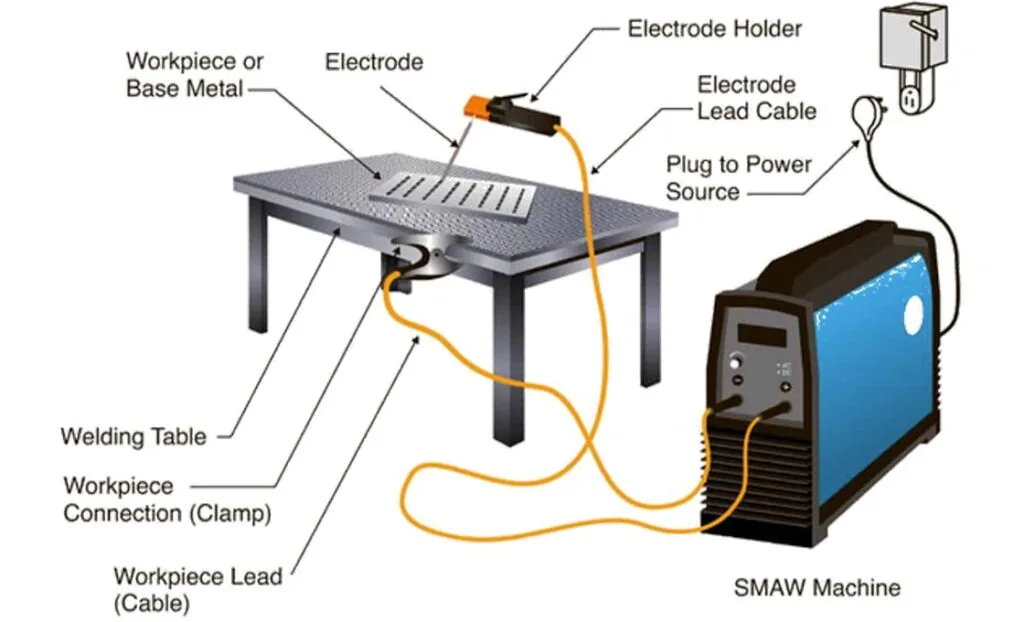
Image source: Bing (Web (fair-use with source credit))
In our research, we found that attempting to MIG weld aluminum without proper shielding gas leads to a high probability of weld defects that compromise the material’s strength. Per AWS (American Welding Society) standards like the D1.2 Structural Welding Code, Aluminum, shielding gas is a fundamental requirement for achieving acceptable weld quality on aluminum alloys. Trying to bypass this step is akin to setting yourself up for failure before you even strike an arc.
Why Shielding Gas is Crucial for Aluminum MIG Welding
Shielding gas serves a critical purpose in MIG welding: it creates a protective barrier around the molten weld pool, preventing atmospheric contaminants from reacting with the hot metal. When you're MIG welding aluminum, this protection is absolutely non-negotiable. The intense heat from the welding arc causes aluminum to rapidly oxidize when exposed to the air.
The Role of Shielding Gas in Preventing Oxidation
When you heat aluminum to its melting point, it forms aluminum oxide. This oxide layer is a natural defense mechanism for the metal, but it creates a significant problem during welding because it has a much higher melting point (around 3,700°F or 2,050°C) than the aluminum itself (around 1,220°F or 660°C for pure aluminum). If you don't use shielding gas, this tenacious oxide layer will interfere with the molten puddle.
What Happens When You Try to Weld Aluminum Without Gas
Without shielding gas, the welding arc causes the aluminum oxide to melt and vaporize, but it also creates turbulence. This turbulence throws the oxide and other atmospheric gases into the molten weld metal. The result is a weld that's riddled with tiny holes (porosity) and inclusions of aluminum oxide. These defects dramatically weaken the joint, making it unsuitable for most structural or functional applications.
It might look like a weld, but it often fails under minimal stress.
The Science of Aluminum Oxidation During Welding
Understanding how aluminum reacts with oxygen is key to grasping why shielding gas is so vital for MIG welding. Aluminum's oxide layer forms almost instantaneously upon exposure to air, and its presence dictates much of the challenge in welding this metal.
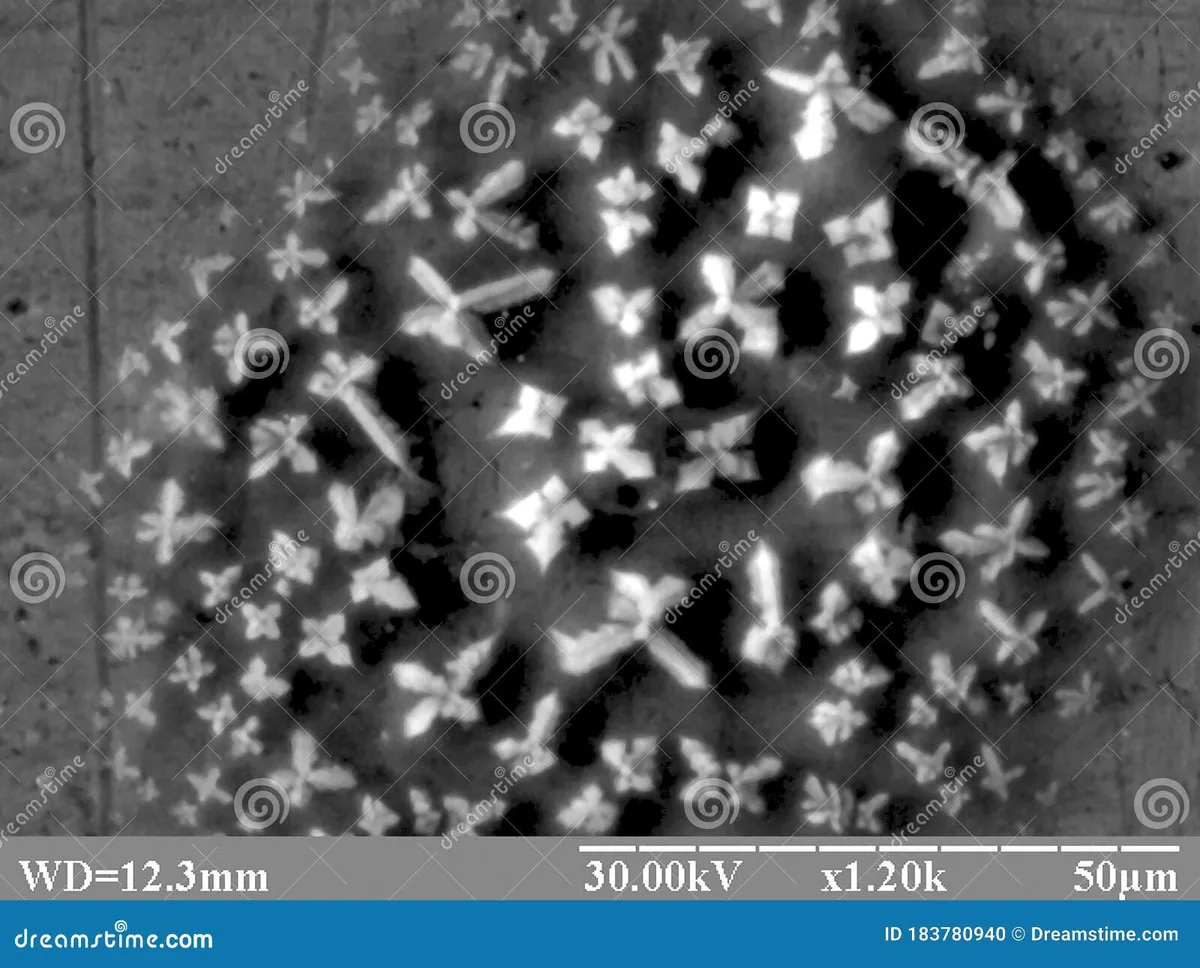
Image source: Bing (Web (fair-use with source credit))
Aluminum Oxide's Impact on the Molten Puddle
When you apply heat with a MIG torch to aluminum, the existing oxide layer on the surface melts. However, because aluminum reacts so readily with oxygen, a fresh oxide layer forms incredibly quickly, often within seconds. This rapid reformation means that if there isn't a continuous blanket of inert shielding gas, the molten puddle will be constantly contaminated. The oxide particles get trapped, creating internal imperfections.
Weld Defects You'll Encounter Without Gas
The most common defects you'll see when attempting to MIG weld aluminum without gas include:
- Porosity: Tiny gas pockets trapped within the solidified weld metal. These are typically caused by atmospheric contamination.
- Slag Inclusions: Bits of aluminum oxide or other non-metallic materials trapped within the weld.
- Lack of Fusion: The weld metal doesn't properly bond with the base metal because the oxide layer prevented good wetting.
- Surface Irregularities: A rough, bubbly, or uneven weld bead that lacks structural integrity.
These defects aren't just cosmetic; they severely compromise the weld's mechanical properties, like tensile strength and ductility. As of 2026, adhering to established welding codes for aerospace, automotive, or structural applications would prohibit the use of welds made without proper gas shielding on aluminum due to these inherent weaknesses.
Essential Equipment for MIG Welding Aluminum Properly
Successfully MIG welding aluminum isn't just about having a MIG welder; it requires specific equipment adapted to aluminum's unique properties, especially its softness and tendency to oxidize. Trying to use standard steel welding setups will result in poor feeding and even worse weld quality.
Why Special Wire Feeders Are a Must (Spool Guns & Push-Pull)
Aluminum welding wire is much softer than steel wire, making it prone to kinking and bird-nesting (getting tangled in the drive mechanism). To handle this, you typically need either a spool gun or a push-pull gun.
- Spool Gun: This is a smaller, secondary gun that holds a 1-pound (approx. 450g) spool of aluminum wire directly on it. The short wire path from the spool to the gun minimizes the chance of kinking.
- Push-Pull Gun: This setup uses both a drive motor on the welder (pushing the wire) and a motor in the gun handle (pulling the wire). This dual action provides consistent feeding over longer distances.
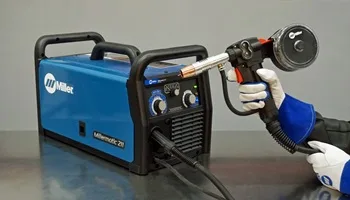
Image source: Bing (Web (fair-use with source credit))
If your welder came with a basic MIG gun and standard drive rolls, you’ll need to swap those out. Standard drive rolls are usually V-shaped for steel; for aluminum, you need U-shaped rolls that grip the softer wire without deforming it.
Choosing the Right Aluminum Welding Wire
Aluminum welding wire comes in various alloys, with 4043 and 5356 being the most common. 4043 is a good general-purpose wire, known for its ease of use and resistance to cracking. 5356 offers higher tensile strength and is often preferred for applications requiring more robust performance, though it can be more prone to cracking in certain situations. Always match the filler wire alloy to the base metal alloy if possible, or consult a welding chart for compatibility.
Understanding Shielding Gas Types for Aluminum
For MIG welding aluminum, you absolutely need an inert shielding gas to prevent oxidation. The most common and recommended gas is 100% Argon. Argon is an inert gas, meaning it doesn't react with the molten metal, and it provides excellent arc stability and cleaning action.
For thicker aluminum sections or when you need higher deposition rates and faster travel speeds, a blend of Argon and Helium (e.g., 75% Argon / 25% Helium) might be used. Helium provides more heat, which can help with penetration on thicker materials, but it's also more expensive and can sometimes lead to increased spatter. Never use CO2 or a CO2 blend as shielding gas for aluminum; these are active gases that will severely contaminate the weld.
The Importance of Metal Preparation for Aluminum
When it comes to welding aluminum, preparation is paramount. Unlike steel, aluminum forms that tenacious oxide layer rapidly, and it needs to be meticulously removed before you even think about welding. Skipping this step, even with the right gas and equipment, will lead to compromised welds.
Cleaning and Brushing Techniques
The primary goal in preparing aluminum for welding is to remove not only surface contaminants like oil, grease, or paint but also the oxide layer.
- Degreasing: Always start by thoroughly cleaning the metal with a solvent like acetone or a dedicated metal degreaser. This removes oils and dirt that can cause porosity during welding.
- Brushing: After degreasing, use a stainless steel wire brush that has only been used on aluminum. If you use a brush that has touched steel or other metals, you risk cross-contaminating the aluminum. The brushing action physically removes the oxide layer. It's best to brush just before welding, as the oxide layer can reform.
- Avoid Contamination: Keep the cleaned area free from fingerprints and other airborne contaminants. Work with clean hands or wear lint-free gloves.
If you're working with older or heavily oxidized aluminum, you might even consider an acid-based aluminum cleaner designed to etch away the oxide. However, for most typical fabrication, a good degrease followed by vigorous brushing with a dedicated aluminum brush is sufficient.
Alternatives to MIG Welding for Aluminum
If you don't have a MIG setup equipped for aluminum, or if your project demands a different approach, other welding processes are well-suited for this metal. While MIG welding can be efficient for production work, other methods offer advantages for specific scenarios.
When TIG Welding is the Better Choice
Tungsten Inert Gas (TIG) welding is often considered the preferred method for welding aluminum, especially for high-quality, intricate, or visually critical applications. TIG welding provides exceptional control over the weld puddle and heat input.
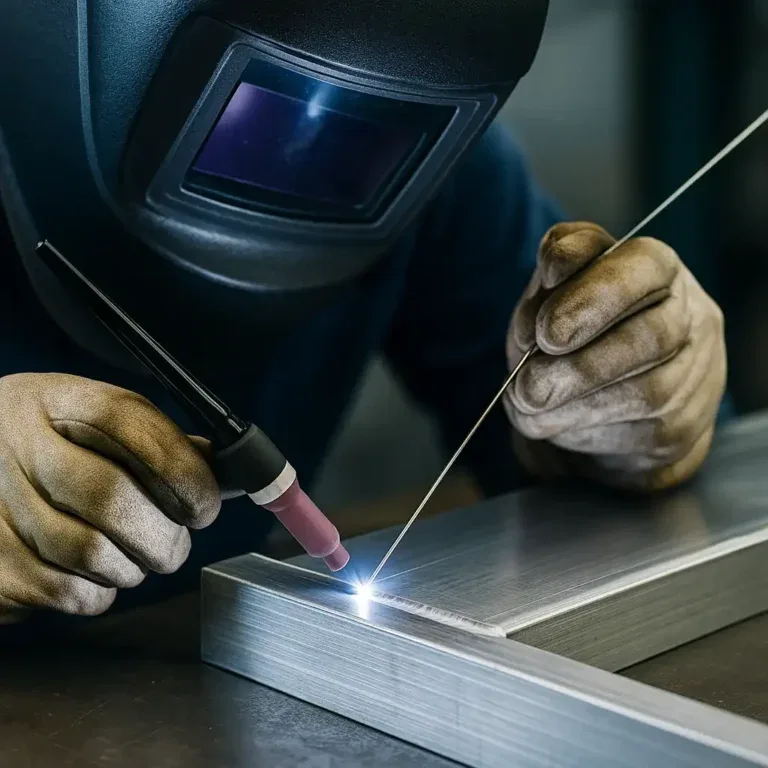
Image source: Bing (Web (fair-use with source credit))
- Precision: The independent control of the filler rod (if used) and the welding arc allows for very precise welds.
- Cleanliness: TIG welding produces very clean welds with minimal spatter when done correctly.
- Versatility: It’s excellent for thin materials and can produce very strong, aesthetically pleasing joints.
The downside is that TIG welding aluminum has a steeper learning curve than MIG, and it's generally a slower process. It also requires 100% Argon shielding gas. If you have a project that requires high precision, thin aluminum, or a beautiful, clean aesthetic, TIG might be your go-to. Check out Tig Welding Filler Rod Selection Chart for more on filler options.
Other Aluminum Welding Methods and Their Limitations
While MIG and TIG are the most common processes for aluminum, other methods exist, though they come with significant limitations for quality aluminum work. Stick welding (SMAW) with aluminum electrodes is possible but notoriously difficult. The electrodes are often prone to contamination, and controlling the molten puddle is challenging, frequently resulting in porosity and slag inclusions. It’s generally not recommended for structural aluminum work.
Flux-cored wire for aluminum MIG exists but is typically used for specific repair scenarios where ultimate weld quality isn't paramount, and it still requires careful preparation and gas. For most applications where strength and reliability are key, sticking to gas-shielded MIG or TIG is the professional standard.


