
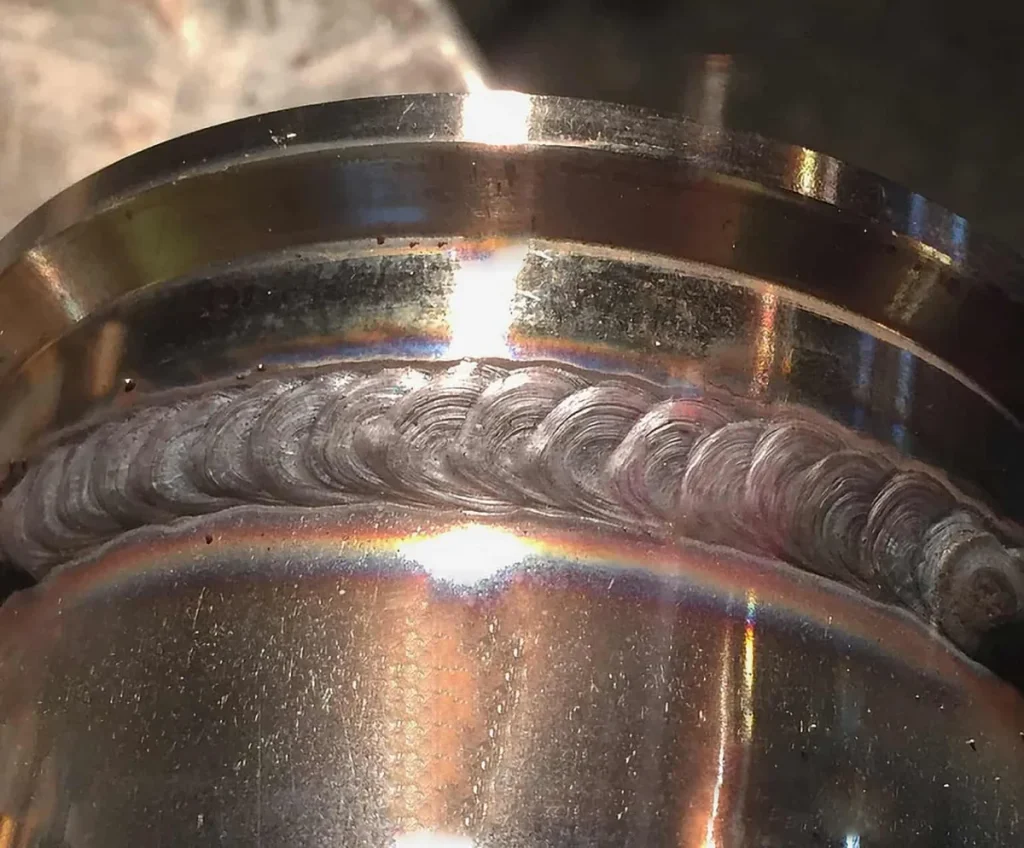
So, you're looking to MIG weld stainless steel and wondering about the gas. You’re not alone; it’s a question that pops up a lot because using the wrong shielding gas can really mess with your weld quality. It’s not just about picking a bottle off the shelf; the best gas choice depends on the specific stainless alloy and what you need the weld to look like.
Our research shows that moving from mild steel to stainless steel often requires a shift in shielding gas composition. While a simple Argon mix might suffice for some basic jobs, many stainless applications benefit from specific gas blends. Manufacturer specifications from companies like Lincoln Electric and Miller Electric provide detailed guidelines, and as of 2026, industry standards emphasize gas purity and specific compositions for optimal results, especially for critical corrosion resistance.
What Gas to Use for MIG Welding Stainless Steel: The Quick Answer
For most common stainless steel alloys like 304 and 316, a shielding gas mixture of Argon with a small percentage of Carbon Dioxide (CO2) is your best bet. A typical starting point is Argon with 1% to 2.5% CO2. This blend offers a good balance of arc stability, penetration, and manageable spatter for general fabrication tasks. However, the precise mix might need tweaking based on the specific stainless steel grade and your desired weld characteristics.
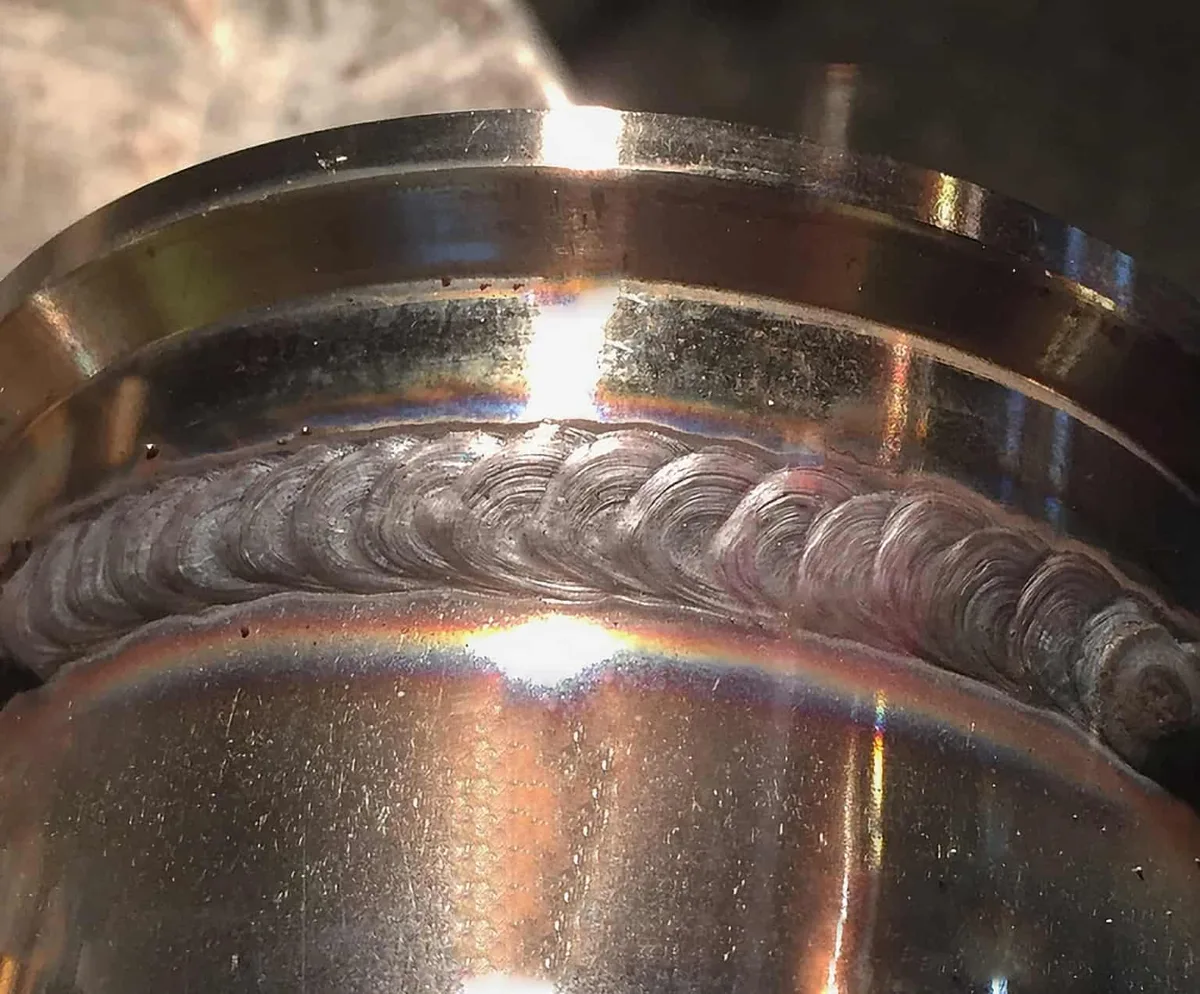
Understanding Your Stainless Steel Alloy: The First Big Variable
Stainless steel isn't a single material; it's a broad family of metal alloys known for their corrosion resistance. When you’re welding, this means the exact composition of the alloy you’re working with directly influences how it behaves under heat and what shielding gas will best protect it. Think of it like different types of wood needing different finishes, each stainless alloy has its own unique needs for a clean, strong weld.
Common Grades and Their Needs
The most frequently encountered stainless steels in fabrication are the austenitic grades. These include:
- 304/304L: This is arguably the most common stainless steel. It's versatile and used in everything from kitchen equipment to industrial piping. For 304, a blend of Argon with 1-2.5% CO2 is usually recommended.
- 316/316L: This grade contains molybdenum, giving it enhanced resistance to various forms of corrosion, especially pitting from chlorides. It's often used in marine environments and chemical processing. For 316, the same Argon/CO2 mixes work well, though some fabricators might prefer slightly lower CO2 to preserve its superior corrosion resistance.
- 308/308L: Often used for welding 304 base metals.
- 310/310S: Known for its high chromium and nickel content, making it suitable for high-temperature applications.
A Quick Look at Duplex & Other Alloys
Beyond the common austenitics, other stainless steel types exist, and they often require more specific gas considerations.
- Duplex Stainless Steels: These alloys have a mixed microstructure of austenite and ferrite, offering increased strength and toughness. Because of their unique structure, they can be sensitive to gas choices that might alter their phase balance. Recommendations often lean towards Argon with small additions of CO2 or Nitrogen (N2), specific to the duplex grade.
- Martensitic and Ferritic Stainless Steels: These have different properties and may respond better to straight Argon or mixes with very low CO2 content.
Your wire feed speed settings and voltage will also need to be adjusted based on the alloy's thickness and your chosen gas, a topic we explore further in guides on mig welder settings.
Key Shielding Gases and Their Role in Stainless MIG
Shielding gases are absolutely critical in MIG welding. Their primary job is to protect the molten weld puddle from atmospheric contamination, things like oxygen and nitrogen that can cause defects and weaken the weld. For stainless steel, the choice of gas and its composition directly affect the chemistry of the weld pool and the protective oxide layer that gives stainless its name.
Argon: The Foundation
Argon is the backbone for most MIG welding, and that includes stainless steel. It’s an inert gas, meaning it doesn't react chemically with the molten metal. This makes it excellent for providing a stable arc and ensuring that the shielding gas does its job without introducing unwanted elements into the weld.
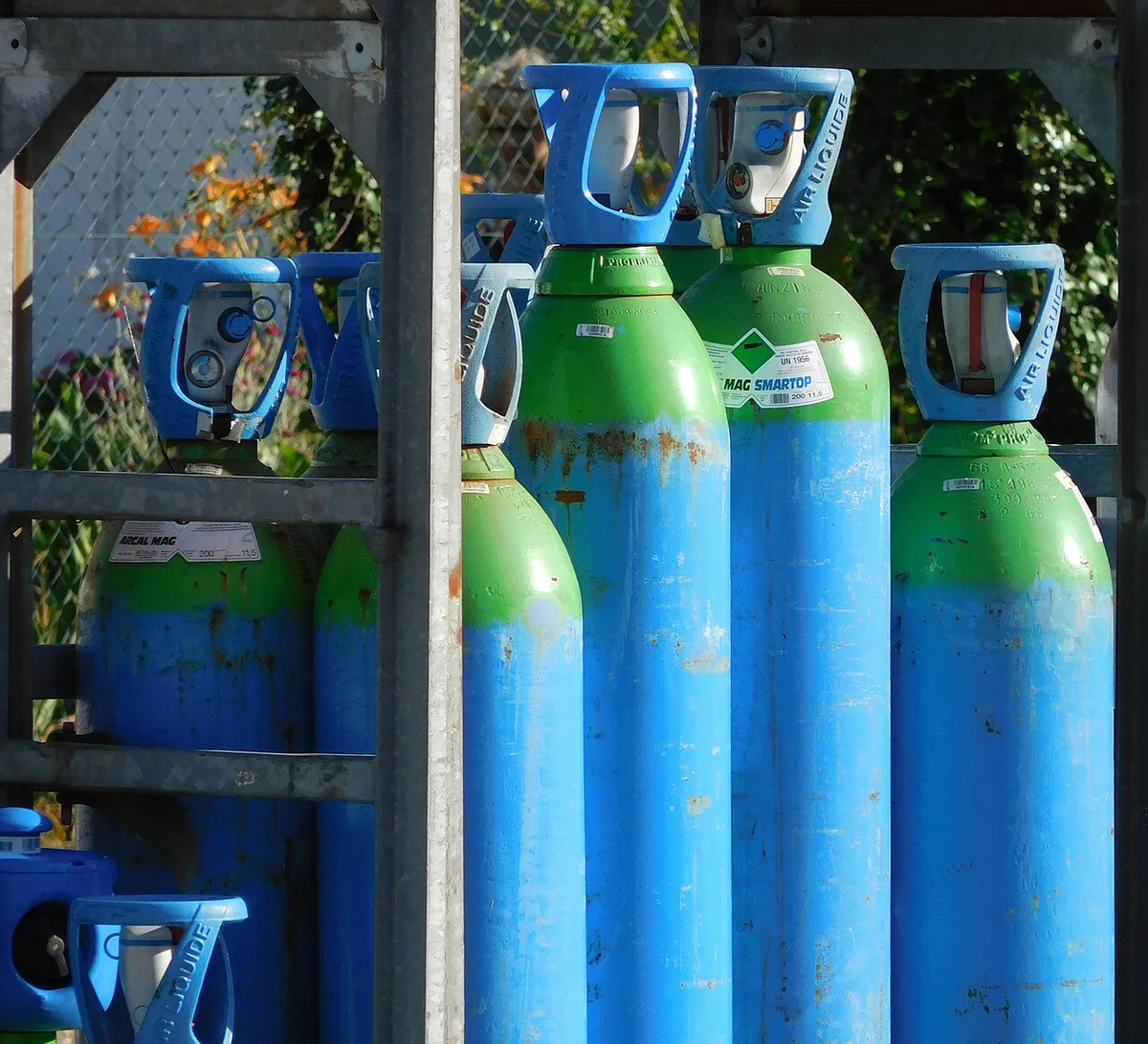
- Why it’s used: Argon provides a smooth, controllable arc that's easy to manage, particularly on thinner materials. It also helps in creating a cleaner weld bead compared to reactive gases.
- Pure Argon Alone? While pure Argon can be used for some stainless steel applications, particularly on very thin materials or when appearance is paramount, it can sometimes result in a less stable arc and may not provide enough heat or penetration for thicker sections. This is why it’s almost always blended.
Carbon Dioxide (CO2): Boosting Heat and Penetration
Carbon dioxide is not an inert gas; it's reactive. However, when mixed in small percentages with Argon for MIG welding, it offers significant advantages, especially for stainless steel.
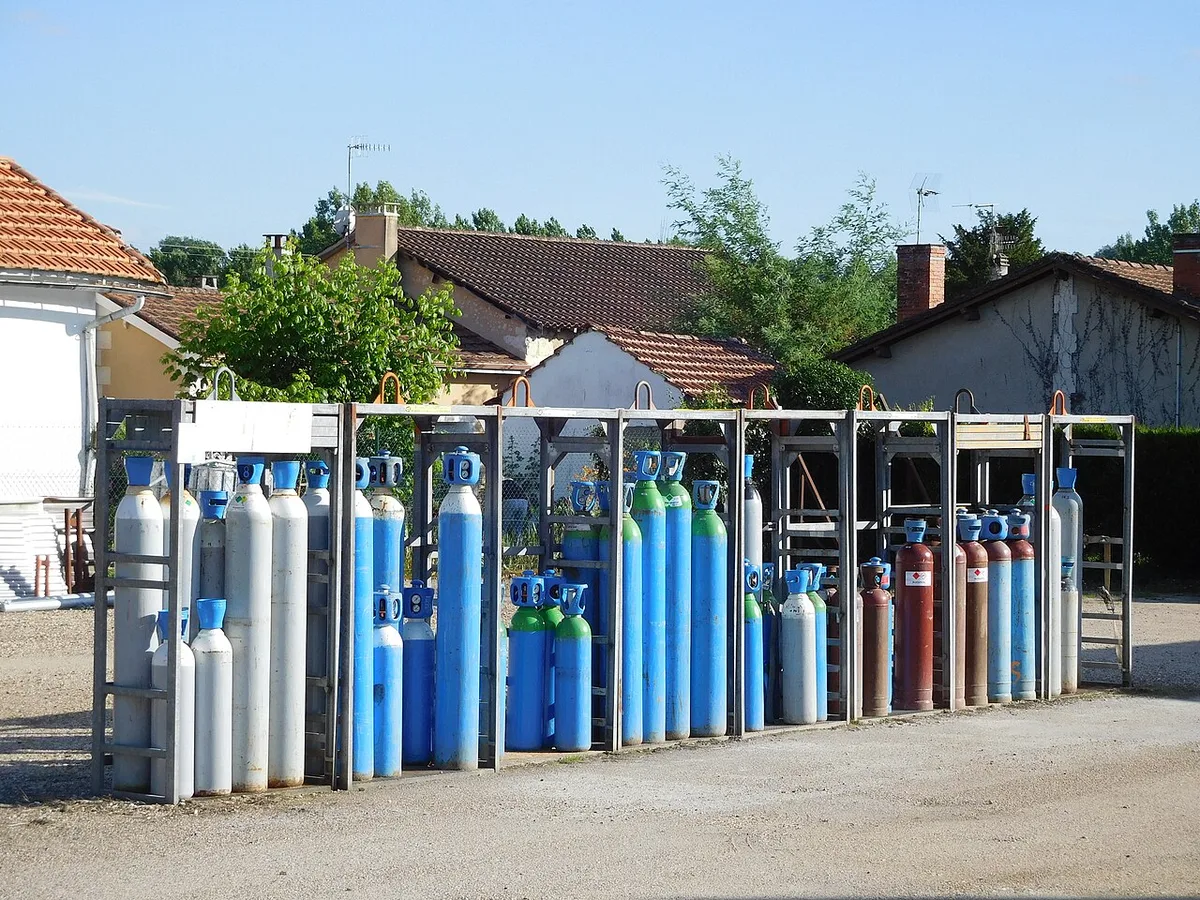
- Heat and Penetration: CO2 dissociates in the arc, creating more heat. This leads to deeper weld penetration and allows for faster travel speeds, which is beneficial when welding thicker stainless steel or when you need to fuse through a mill scale or oxide layer.
- Arc Stability: Small amounts of CO2 can improve arc stability, making it feel "hotter" and more forceful.
- The Trade-off: The downside with CO2 is that it can increase spatter and lead to a less aesthetically pleasing weld bead if the percentage is too high. It can also slightly reduce the corrosion resistance of certain stainless alloys due to increased carbon pickup or chromium depletion.
Oxygen (O2) and Nitrogen (N2): Niche Players
You might occasionally see oxygen or nitrogen in shielding gas mixes for stainless steel, but they are used much less frequently than CO2 and require specific knowledge.
- Oxygen (O2): A very small addition of oxygen (typically 1-2%) to an Argon mix can help stabilize the arc and reduce surface tension, leading to a flatter bead profile. However, oxygen is highly oxidizing. On stainless steel, it can promote excessive oxidation and discoloration, risking the very corrosion resistance the material is known for. So, it's used cautiously and often only by experienced welders for specific applications.
- Nitrogen (N2): Nitrogen is sometimes added to Argon or Argon/CO2 mixes for certain stainless steel alloys, especially some duplex grades. It can help maintain mechanical properties or enhance corrosion resistance in specific environments.
Gas Mixtures: Finding That Sweet Spot
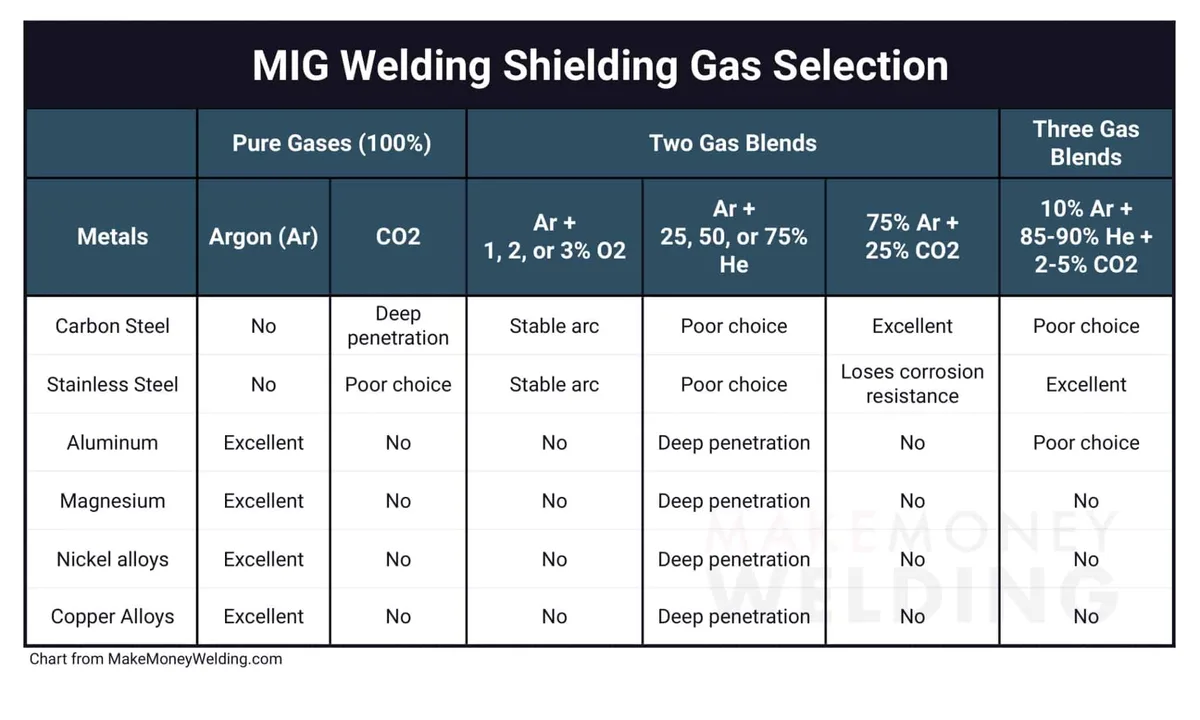
For MIG welding stainless steel, you'll rarely use a single gas. The magic really happens in the blends. These mixtures allow you to fine-tune the welding characteristics, how the arc behaves, how deep the weld goes, and how the finished seam looks. It’s about balancing the benefits of Argon with the heat and arc characteristics of other gases.
Argon + CO2: Your Go-To Blend
This is the workhorse combination for MIG welding stainless steel. It offers a good compromise between the inert nature of Argon and the energetic properties of CO2.
- Why it works: Argon provides the primary shielding and a stable arc, while CO2 (in small amounts) increases heat input and penetration. This means you can often weld faster and achieve good fusion without sacrificing too much of the stainless steel's inherent corrosion resistance.
- Typical Mixes: For general 300-series stainless steels (like 304 and 316), the recommended CO2 percentage typically falls between 1% and 3%.
When to Adjust the CO2 Percentage
The exact percentage of CO2 you use in your Argon blend can make a noticeable difference.
- Lower CO2 (1-2%): This is great for thinner stainless steel materials where you want to minimize heat input and prevent burn-through. It also tends to produce a cleaner-looking weld with less spatter and discoloration. You'll find this is often the starting point for cosmetic welds.
- Higher CO2 (2-3%): If you’re welding thicker stainless steel plate, or if you need deeper penetration to ensure full fusion, increasing the CO2 content slightly can help. This is because the increased heat from the CO2 helps the molten puddle melt more of the base metal. Just be aware that this also tends to increase spatter and can potentially affect the corrosion resistance more than lower mixes.
If you're looking for the right wire feed speed to match these gas settings, check out our guide on how to calculate wire feed speed in mig welding.
How Gas Choice Impacts Your Weld: Features & Attributes
The gas you choose isn't just a technical detail; it directly influences the visible and structural properties of your stainless steel welds. Understanding these impacts helps you pick the right gas for the job and troubleshoot your way to better results.
Arc Stability and Smoothness
The right shielding gas ensures a smooth, consistent arc.
- Pure Argon: Tends to produce a softer, more diffuse arc, which can be harder to control for consistent penetration and bead width.
- Argon + CO2: As CO2 is added, the arc becomes more constricted and forceful, often described as "hotter." This contributes to better penetration and a more stable spray transfer, but too much CO2 can lead to an erratic arc or excessive spatter. Some find this more active arc easier to manage for consistent output, especially compared to a pure inert gas.
Weld Penetration
Penetration is how deeply the weld metal fuses with the base material.
- More CO2: Generally leads to deeper penetration due to increased arc energy. This is crucial for welding thicker sections or ensuring full fusion.
- Less CO2 (or pure Argon): Results in shallower penetration. This is desirable for thin materials to avoid blowing holes through.
Spatter Control
Spatter is the small droplets of molten metal that fly off the weld. Excessive spatter means more cleanup work and can indicate an unstable arc or incorrect gas mix.
- Argon-rich mixes (low CO2): Typically produce less spatter.
- Higher CO2 mixes: Can increase spatter, especially if voltage and wire stick-out aren't optimized. This is a common frustration for welders, and gas choice is a significant factor.
Weld Appearance and Discoloration
The visual finish of your stainless steel weld is often critical, especially for aesthetic applications.
- Appearance: Less CO2 or purer Argon mixes generally result in a cleaner, brighter weld bead with less discoloration.
- Discoloration: The heat and chemical reactions, influenced by the CO2 content, can cause the stainless steel to form heat tint or oxide layers. Blues, yellows, and browns are common. While these can often be removed with cleaning or passivation, a proper gas choice minimizes their formation. For critical applications where the original corrosion resistance must be perfectly maintained, minimizing heat tint is key.
Common MIG Stainless Steel Welding Problems and Solutions
Even with the right gas, things can go wrong. Understanding common issues and how your gas choice plays a role is key to fixing them.
Avoiding Porosity and Contamination
Porosity looks like tiny holes or bubbles in your weld bead. It’s a clear sign of contamination, often from air getting into the molten puddle.
- Gas Flow Too Low: If your shielding gas flow rate is too low, it won't effectively push away the surrounding air. This is a common cause of porosity. Make sure to set your flow rate appropriately for the conditions, typically between 20-25 CFH, but this can vary.
- Drafts: Welding in a windy area or near a fan can disrupt the gas shield, allowing air to contaminate the weld. Always try to weld in a draft-free zone.
- Dirty Materials: Welding over rust, oil, paint, or mill scale on the stainless steel can introduce contaminants that gas alone can't shield against. Thorough cleaning is a must before welding.
Tackling Excessive Spatter
Too much spatter means extra work cleaning up and can indicate an unstable arc. Your gas plays a direct role here.
- High CO2 Content: As we've discussed, higher percentages of CO2 can increase spatter. If you're seeing a lot of spatter, consider slightly reducing the CO2 percentage in your Argon mix or ensuring your voltage settings are optimized for the gas.
- Incorrect Voltage/Wire Speed: Spatter isn't just about the gas. Incorrect voltage or wire feed speed settings, as detailed in discussions on mig welder settings, will lead to spatter regardless of the gas. The combination of settings and gas is crucial.
Preventing Weld Brittleness
Sometimes, welds can become brittle and prone to cracking. While gas choice isn't usually the sole cause, it can be a contributing factor, especially with complex alloys.
- Improper Gas Composition: For certain specialty stainless steels, using a gas mix that's too rich in CO2 or contains other reactive elements can alter the metal's microstructure, leading to reduced toughness. Always consult the material or wire manufacturer’s recommendations for these cases.
- Post-Weld Heat Treatment (PWHT): For some critical stainless steel applications, PWHT might be required to relieve stress and restore ductility. However, for much general fabrication, proper gas and welding technique are sufficient to avoid brittleness.
Gas Setup and Workflow: Getting It Right
Setting up your gas is a straightforward process, but paying attention to a few details can save you headaches. It’s more about correct procedure than complex steps.
Setting Your Gas Flow Rate
The gas flow rate directly impacts how well your weld puddle is shielded. Too little gas means poor protection and potential defects like porosity. Too much gas can create turbulence, pulling in surrounding air and disrupting the shielding.
- Typical Range: For most MIG welding applications, including stainless steel, a flow rate of 20 to 25 cubic feet per hour (CFH) is common. The exact setting depends on your specific equipment, torch size, and welding environment.
- Testing: A good way to test your flow is to turn on the gas and hold the torch about 1-2 inches above your hand. You should feel a steady, consistent stream of gas. Avoid setting it so high that it feels like a strong wind, which can cause issues.
- Regulator Importance: Using a quality gas regulator, like a good best gas regulator for home setup, is essential for accurately controlling and monitoring your gas flow.
Torch to Workpiece Distance
The distance between your welding torch nozzle and the workpiece is also critical for proper gas shielding.
- Optimal Stick-Out: For MIG welding, the "stick-out", the length of the bare welding wire that protrudes from the end of the contact tip, should generally be between 1/4 inch and 3/4 inch. This distance influences how much of the wire is preheated and how effectively the gas cup directs the shielding gas.
- Consistency is Key: Maintaining a consistent stick-out and torch angle helps ensure uniform gas coverage over the weld puddle.
When to Use Different Gas Mixes: Target Use Cases
Choosing the right gas mix truly comes down to what you're trying to achieve with your stainless steel weld. It’s less about finding one "best" gas and more about selecting the one that best fits the specific outcome you need.
For Clean, Aesthetic Welds
If your primary goal is a visually appealing weld with minimal discoloration, especially for visible applications like food service equipment or architectural components, you'll want to stick with mixes that minimize heat tint and spatter.
- Recommended: Argon with 1-2% CO2. This is your safest bet for achieving a clean, bright weld bead. Pure Argon can work, but may require finer control of amperage and wire feed speed to maintain a stable arc.
- Technique Matters: Proper pre-weld cleaning and appropriate welding heat input (amperage and voltage) are crucial alongside the gas choice for these types of welds.
For Maximum Penetration
When welding thicker stainless steel or when you need to ensure deep fusion for structural integrity, you'll typically opt for mixes that deliver more heat. Always refer to your welding chart mig wire for synergistic recommendations.
- Recommended: Argon with 2-3% CO2. This slightly higher CO2 content increases the arc energy, driving the weld puddle deeper into the base metal.
- Considerations: Be prepared for potentially more spatter and a bit more discoloration. You'll also want to ensure your machine's amperage capabilities can handle the increased heat. For stick welding stainless, different amperage settings would apply, see stick welding amperage chart.
For Specific Stainless Grades
As mentioned, certain stainless steels, particularly duplex alloys, are sensitive to their heat treatment and microstructure. The shielding gas choice directly impacts the weld's final mechanical properties and corrosion resistance.
- Duplex Stainless Steels: Often benefit from Argon-based mixes with only very small additions of CO2 or sometimes Nitrogen. The specific percentage can be critical for maintaining the correct austenite-ferrite balance. For instance, a common recommendation might be 98% Argon / 2% CO2 or even a specialized Argon/Nitrogen blend.
- Manufacturer Data: Always consult the datasheet for the specific stainless steel alloy you are welding, as well as the welding wire manufacturer's recommendations. They will provide guidance on the most suitable shielding gas compositions to preserve the alloy’s intended properties.
Expert Tips for Optimizing Your Stainless MIG Gas
Beyond the basic choices, a few pro tips can help you dial in your gas settings for better stainless steel welds. These are the little things experienced welders do to get that extra edge.
- Flow Rate Check: Periodically check your gas flow rate during a welding session. The pressure in a CO2 cylinder can drop significantly as it cools, affecting flow. For high-CO2 mixes, a flowmeter regulator is more sensitive.
- Pre-Flow and Post-Flow: If your MIG welder has pre-flow and post-flow settings, use them! Pre-flow lets the gas start before you strike the arc, ensuring the puddle is fully shielded from the start. Post-flow keeps the gas flowing after you stop welding, protecting the cooling weld bead from oxidation. Aim for about 0.5 seconds of pre-flow and 1-2 seconds of post-flow.
- Listen to Your Arc: A good arc sounds smooth and consistent. If it sounds rough, crackly, or is spitting excessively, your gas settings (flow rate, mixture), or other welding parameters (voltage, wire speed) might need adjustment.
- Wire Compatibility: While this guide focuses on gas, remember that your welding wire selection is equally important. Always match your filler wire to the base stainless steel alloy. For example, use 308L wire for welding 304 stainless.
Final Decision Guide: Choosing Your Shielding Gas
The quest for the perfect gas mix for MIG welding stainless steel boils down to a few key questions. By answering these, you can confidently select the blend that best suits your project.
- What specific stainless steel alloy are you welding? (e.g., 304, 316, duplex)
- What is the thickness of the material? (Thinner materials need less heat/CO2, thicker need more.)
- What is the desired outcome? (e.g., maximum cleanliness, deep penetration, structural strength.)
- Are there specific corrosion or mechanical property requirements?
Based on your answers, here’s a general guideline:
- For most common stainless steels (304, 316) and general fabrication: Start with Argon + 1-2.5% CO2. Adjust CO2 up to 3% for thicker material or more penetration if needed.
- For aesthetic welds with minimal discoloration: Use Argon + 1% CO2 or consider pure Argon if your machine and technique allow for a stable arc.
- For specialty alloys like duplex stainless steel: Always consult manufacturer specifications or refer to specialized charts, as simple Argon/CO2 mixes might not be ideal.
Remember, these are starting points. Fine-tuning your gas settings, alongside voltage and wire feed speed, is what separates good welds from great ones. For related settings, you might find our mig welding stainless steel settings guide helpful.
Important Safety Considerations When Welding
Welding, regardless of the material, always involves safety precautions. Your shielding gas system also requires attention to safety.
- Cylinder Handling: Gas cylinders are under high pressure. Handle them with care, secure them properly when in use or storage, and never drop or abuse them.
- Ventilation: Always weld in a well-ventilated area. While the primary shielding gases are relatively inert, the welding process itself produces fumes and gases that can be harmful if inhaled.
- Regulator Checks: Ensure your gas regulator is functioning correctly and is set to the recommended flow rate. A faulty regulator can lead to uncontrolled gas flow or pressure issues.
- Fire Hazards: Be aware of your surroundings for any flammable materials. Sparks from welding can travel and ignite combustible items.
- Personal Protective Equipment (PPE): Always wear appropriate PPE, including a welding helmet with the correct shade, flame-resistant clothing, gloves, and sturdy footwear.


