
Image source: Bing (Web (fair-use with source credit))
MIG vs. TIG Welding: Which One Should You Choose?
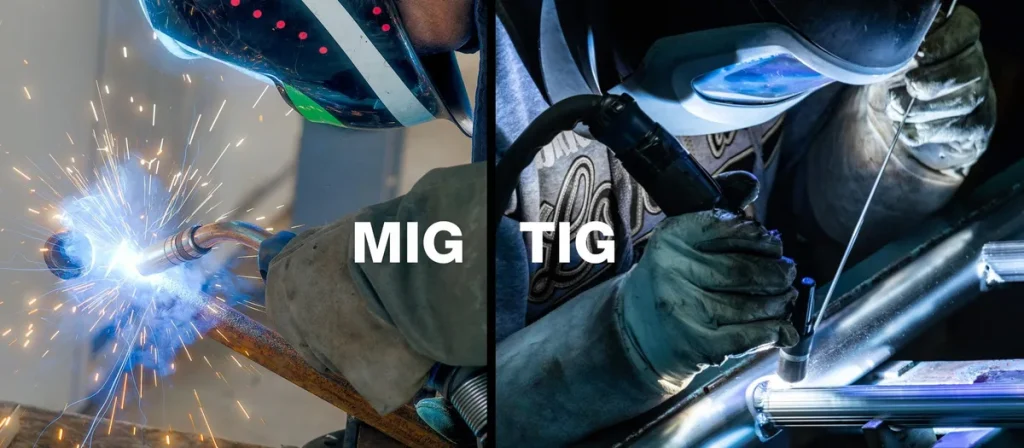
Figuring out what is TIG and MIG welding boils down to understanding two distinct, yet powerful, ways to join metal. Each process has its own strengths, weaknesses, and ideal applications, making the choice between them often dependent on the specific job at hand and the skill level of the welder. Our research shows that while many can perform functional welds with either, mastering one or both opens up significant possibilities in fabrication, repair, and artistic creation.
When you're looking at production shops or DIY projects with tight deadlines, MIG welding is often the go-to. Manufacturer specifications for entry-level MIG machines typically list amperage ranges from 20A to over 150A, suitable for a wide variety of tasks. However, for intricate work or exotic materials, the precise control offered by TIG welding becomes invaluable. Let's break down what makes each process tick.
Understanding the Basics: What's the Big Idea?
How MIG Welding Works
MIG, which stands for Metal Inert Gas, uses a welding gun that feeds a continuous wire electrode through its nozzle. As you squeeze the trigger, the wire feeds out, touching the workpiece and creating an electric arc that melts both the wire and the base metal. Simultaneously, a shielding gas, typically argon or a argon/CO2 mix, flows through the gun's nozzle to protect the molten weld pool from atmospheric contamination. This constant wire feed makes MIG welding a fast and efficient process, ideal for longer, continuous welds.
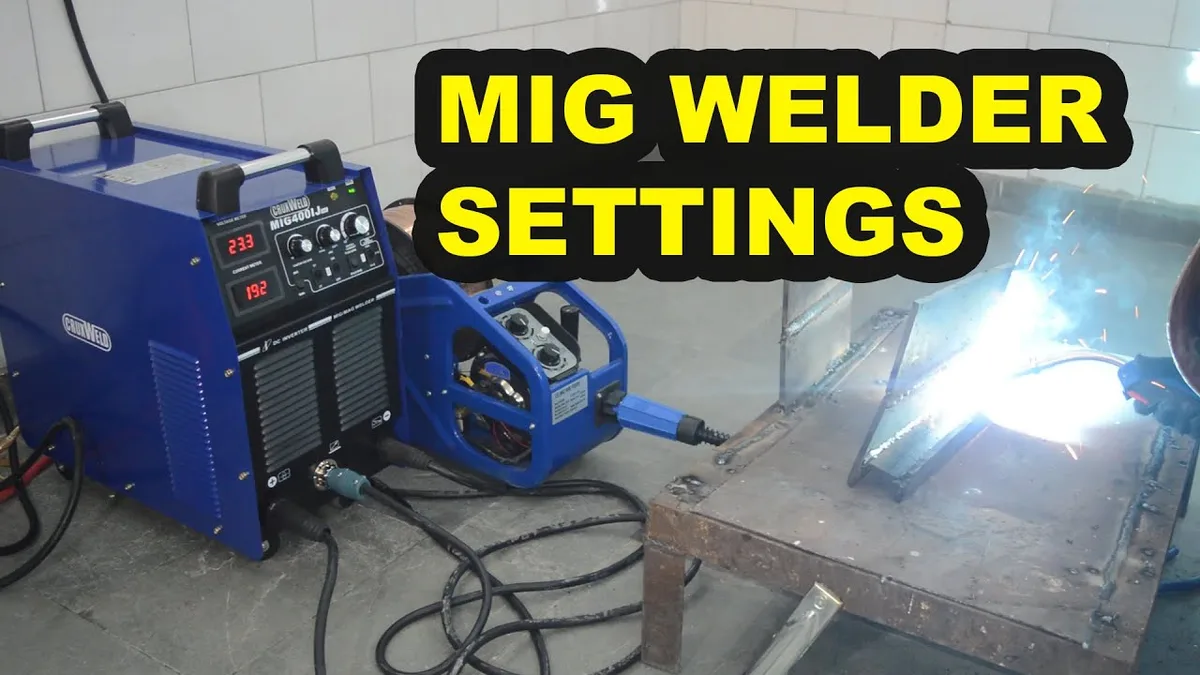
Image source: Bing (Web (fair-use with source credit))
The wire feed speed and voltage are crucial settings that determine the heat input and penetration. For different types of metal and thickness, you'll adjust these parameters. For instance, as detailed in our Mig Welder Settings guide, understanding the relationship between amperage and wire speed is key to achieving strong, clean beads.
How TIG Welding Works
TIG, or Tungsten Inert Gas, welding is known for its precision and the high-quality, clean welds it produces. Unlike MIG, TIG uses a non-consumable tungsten electrode to create the arc. This electrode is housed in a torch, and you hold it like a pen. If filler metal is needed, which is common for bridging gaps or adding reinforcement, a separate filler rod is fed into the weld puddle manually with your other hand.
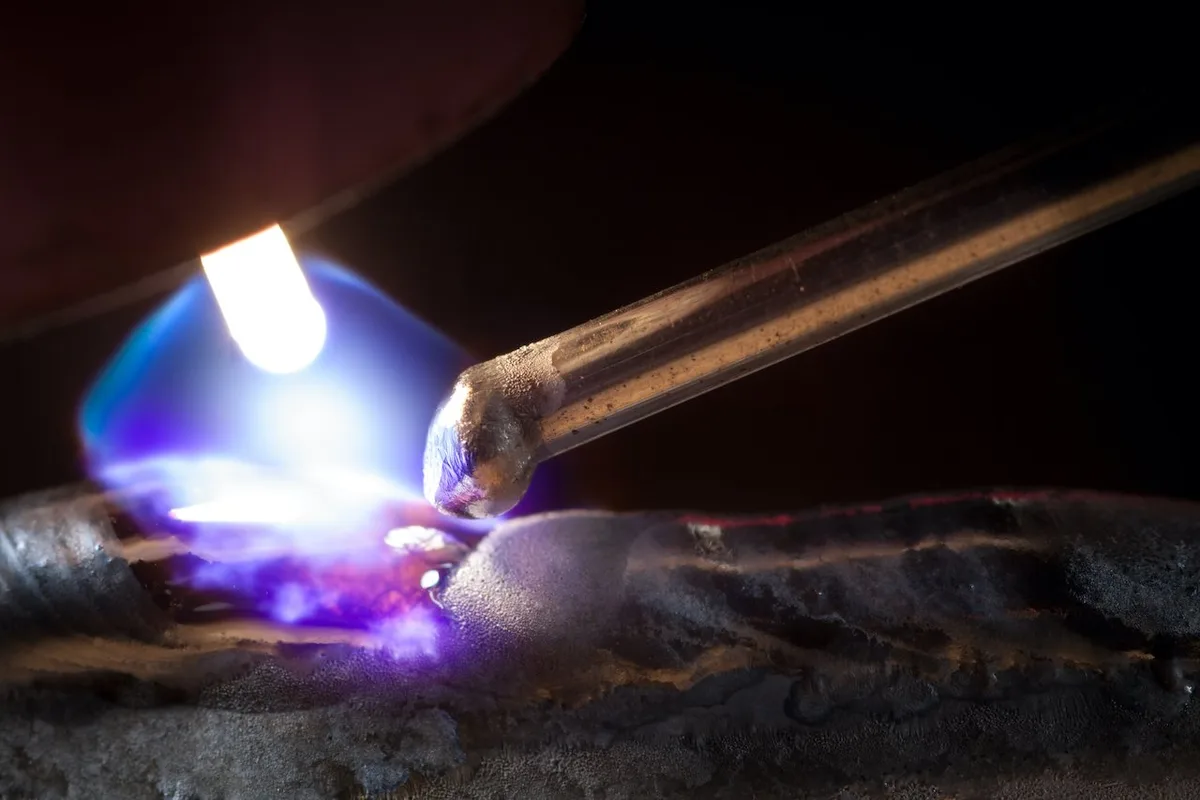
Image source: Bing (Web (fair-use with source credit))
A shielding gas, usually pure argon, flows from the torch head to protect the weld. TIG welding requires a higher level of coordination and skill because you're managing the arc, the filler rod, and the torch movement simultaneously. This control allows for the welding of a vast range of metals, from thin stainless steel to exotic alloys, and is particularly favored for its aesthetic results. You can find detailed guidance on filler rod selection in our article, Tig Welding Filler Rod Selection Chart.
Key Differences: What Sets Them Apart?
The primary distinction between MIG and TIG welding lies in their approach to creating and feeding the arc, which directly impacts speed, control, and the types of materials they excel with. Think of MIG as a faster, more automated process, while TIG is the meticulous craftsman's tool.
MIG Welding: Features & Attributes
MIG welding is characterized by its "hot glue gun" like operation, thanks to the continuous wire feed. The welding gun automatically supplies both the consumable electrode (the wire) and the shielding gas. This setup is designed for efficiency. The wire electrode melts and becomes part of the weld, adding material as it goes.
- Consumable Wire Electrode: The welding wire is fed from a spool through the gun.
- Automatic Gas Shield: Inert or semi-inert gas flows from the torch nozzle to protect the weld from contamination.
- Higher Travel Speed: The continuous wire feed allows for faster welding compared to manual filler addition.
- Simpler Coordination: Requires less manual dexterity than TIG, making it easier for beginners.
- Potential for Spatter: Depending on settings and technique, MIG can produce more weld spatter.
TIG Welding: Features & Attributes
TIG welding offers a level of control that's unmatched by other common processes. The tungsten electrode doesn't melt, meaning the welder has precise control over the heat input via the amperage, and can add filler material separately as needed. This separation of tasks allows for incredibly fine adjustments.
- Non-Consumable Tungsten Electrode: The electrode is used to initiate and maintain the arc but does not melt into the weld.
- Manual Filler Rod Addition: Filler metal is usually added separately with the free hand, allowing for precise placement and volume control.
- Superior Heat Control: Welders can meticulously manage heat input, crucial for thin or sensitive metals.
- Cleanest Welds: Produces minimal spatter and slag, often resulting in very aesthetically pleasing, precise welds.
- Requires More Dexterity: Demands significant coordination between torch movement, arc length, and filler rod manipulation.
Pros and Cons: Weighing the Options
Choosing between MIG and TIG welding isn't about which is definitively "better," but rather which process offers the superior advantages for your specific tasks and goals. MIG welding generally shines when speed and ease of use are paramount, while TIG excels where precision, control, and weld aesthetic are the top priorities.
MIG Welding: Benefits & Drawbacks
MIG welding is often recommended for those new to the craft because its operational simplicity leads to quicker learning curves. The continuous wire feed means less stopping and starting, which translates to faster project completion times. This makes it a fantastic choice for larger projects or production environments where efficiency is key.
Benefits:
- Fast: Continuous wire feed allows for high travel speeds.
- Easy to Learn: Simpler controls and technique generally mean quicker proficiency for beginners.
- Versatile: Works well on a wide range of metal thicknesses and types, including steel and aluminum.
- Less Skill Intensive: Doesn't require the same level of fine motor control as TIG.
Drawbacks:
- Less Precise Control: Can be harder to achieve extremely detailed or intricate welds compared to TIG.
- Potential for Spatter: Unwanted molten metal droplets can adhere to the workpiece if settings aren't optimized.
- Less Ideal for Very Thin Metals: Can sometimes be too hot or difficult to control on extremely thin materials without burn-through, although with practice, this is manageable.
TIG Welding: Benefits & Drawbacks
TIG welding is celebrated for producing arguably the cleanest and most visually appealing welds in metalworking. This process offers unparalleled control over the weld puddle and heat input, making it the preferred method for critical applications or when artistic quality is a must. It's the choice for specialized materials and situations demanding extreme accuracy.
Benefits:
- High Precision: Offers exceptional control over heat and filler material, essential for intricate work.
- Clean Welds: Produces welds with minimal spatter and often requires little to no post-weld cleanup.
- Material Versatility: Capable of welding a broad spectrum of metals, including stainless steel, aluminum, titanium, and exotic alloys.
- Excellent for Thin Materials: The fine control allows welders to work with very thin gauge metals without significant risk of burn-through.
Drawbacks:
- Slower Process: Manual addition of filler metal makes TIG welding significantly slower than MIG.
- Steep Learning Curve: Requires considerable practice and fine motor skills to master.
- More Complex Setup: Often involves more components and precise gas flow management.
- Sensitive to Wind: The finer shielding gas stream makes it less forgiving in drafty conditions, often requiring windbreaks.
When to Grab Which Machine: Use Cases & Target Audience
The decision between MIG and TIG often comes down to the nature of the project and who is doing the welding. If you're a hobbyist aiming to build sturdy furniture or repair car parts, MIG might be your initial choice. However, if your passion lies in fabricating intricate metal art or working with high-performance components where weld integrity is paramount, TIG becomes the clear favorite.
Best For MIG Welding
MIG welding is particularly well-suited for applications where speed and efficiency are more critical than the absolute finest weld bead. This makes it a popular choice for:
- Hobbyists & DIYers: Building projects like workbenches, trailers, or basic metal furniture.
- Automotive Repair: Welding frame components, exhaust systems, and general bodywork repairs. You can learn more about specific automotive applications in our guide on How to Mig Weld Exhaust Pipe.
- General Fabrication Shops: Where higher production volumes require faster welding times.
- Beginners: Its relatively simpler operation makes it an ideal entry point into welding, allowing for quicker success and confidence building.
- Thicker Materials: MIG can lay down a significant amount of weld metal efficiently, making it suitable for joining thicker steel sections.
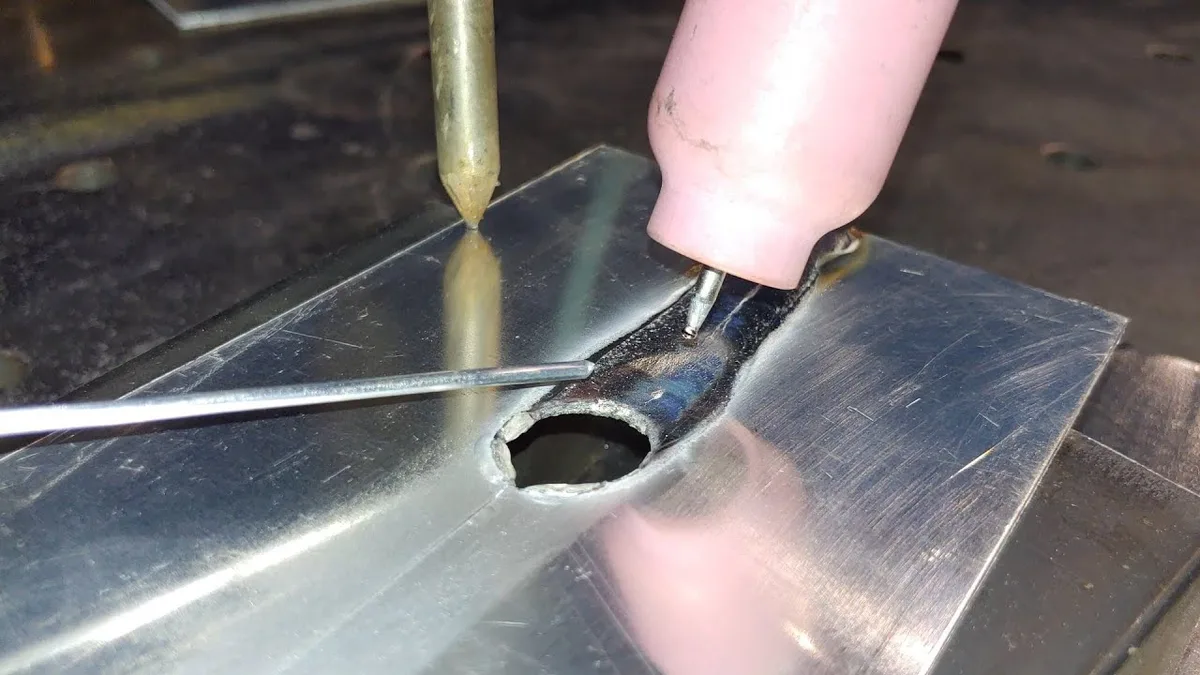
Image source: Bing (Web (fair-use with source credit))
Best For TIG Welding
TIG welding is the master of precision and beauty in welding. It's the process of choice when the weld needs to be as strong and clean as possible, often dictated by strict industry standards or the demands of exotic materials. Consider TIG for:
- Aerospace and High-Performance Applications: Where weld integrity is non-negotiable.
- Artistic Metalwork: Creating intricate sculptures and decorative pieces where weld appearance is crucial.
- Thin Material Welding: Working with very thin metals like sheet aluminum or stainless steel, where burn-through is a significant risk with other processes. Our research shows TIG provides superior control on materials as thin as 0.020 inches.
- Specialty Metals: Welding titanium, magnesium, and other difficult-to-weld alloys.
- Clean Aluminum Welding: TIG is the gold standard for producing high-quality, aesthetically pleasing aluminum welds.
Avoiding Common Mistakes: What Not To Do
Both MIG and TIG welding have their common pitfalls, and understanding these can save you a lot of frustration and wasted material. Many beginners struggle with similar issues on both processes, often stemming from improper setup or technique.
MIG Welding Pitfalls
A common mistake with MIG welding is not properly preparing the material. Surface contaminants like rust, paint, or oil can lead to inclusions and weak welds. Another frequent error is incorrect settings; too much voltage can cause excessive spatter and poor penetration, while too little can result in a weak, shallow weld.
- Poor Material Preparation: Welding over rust, paint, or mill scale contaminates the weld and weakens the joint. Always clean your metal thoroughly.
- Incorrect Settings: Not matching voltage and wire feed speed to the material thickness and type is a primary cause of poor welds. Reviewing a comprehensive Welding Chart Mig Wire can help prevent this.
- "Bird Nesting": This refers to the wire bunching up and tangling in the welder's drive system, often caused by a kinked liner or incorrect tension.
- Dragging vs. Pushing: For most steel applications, MIG is a drag process. Pushing can lead to less penetration and more porosity.
TIG Welding Pitfalls
With TIG, the most common struggles revolve around coordination and control. Holding a consistent arc length, feeding the filler rod smoothly and at the right angle, and maintaining gas coverage are all challenging. Forgetting to turn on, or running out of, shielding gas is a critical error that will instantly contaminate the tungsten and the weld.
- Inconsistent Arc Length: Holding the electrode too close can contaminate the tungsten; holding it too far results in a wide, unstable arc and poor penetration.
- Improper Filler Rod Dipping: Accidentally touching the filler rod to the tungsten will contaminate both and disrupt the arc. The rod should be dipped into the leading edge of the puddle.
- Gas Coverage Issues: Running out of gas, having too low a flow rate, or welding in a windy area can lead to a "sugary" looking weld with severe contamination and porosity. A good Best Gas Regulator For Home is essential for consistent flow.
- Starting and Stopping: Producing clean "start" and "stop" points in a TIG weld takes practice, often requiring specific techniques like crater fill.


