
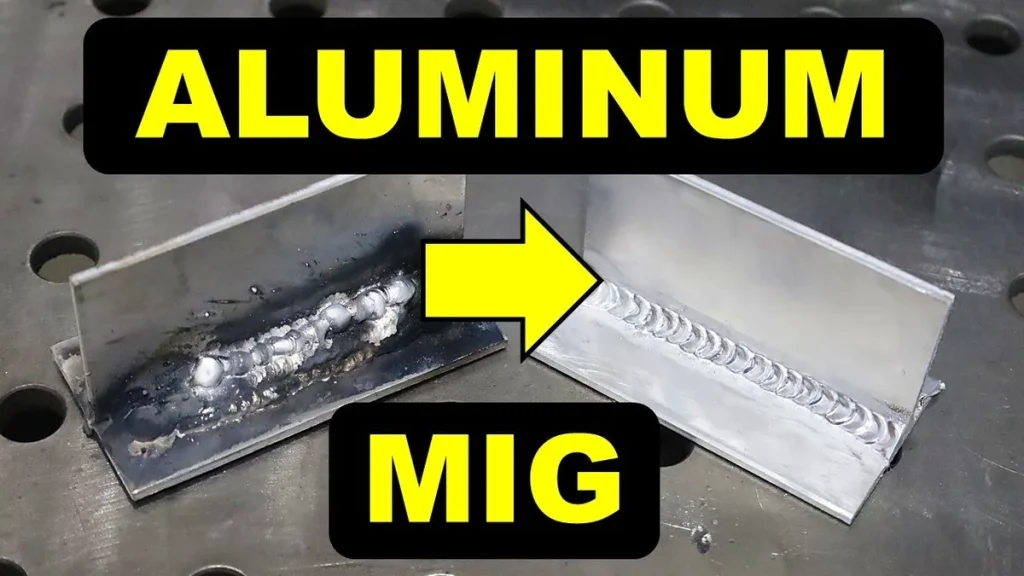
You're asking a really practical question: can you MIG weld with 100% argon? It’s a common point of confusion, and the answer isn't a simple yes or no. Your shielding gas plays a critical role in weld quality, and the right choice depends heavily on what you're welding.
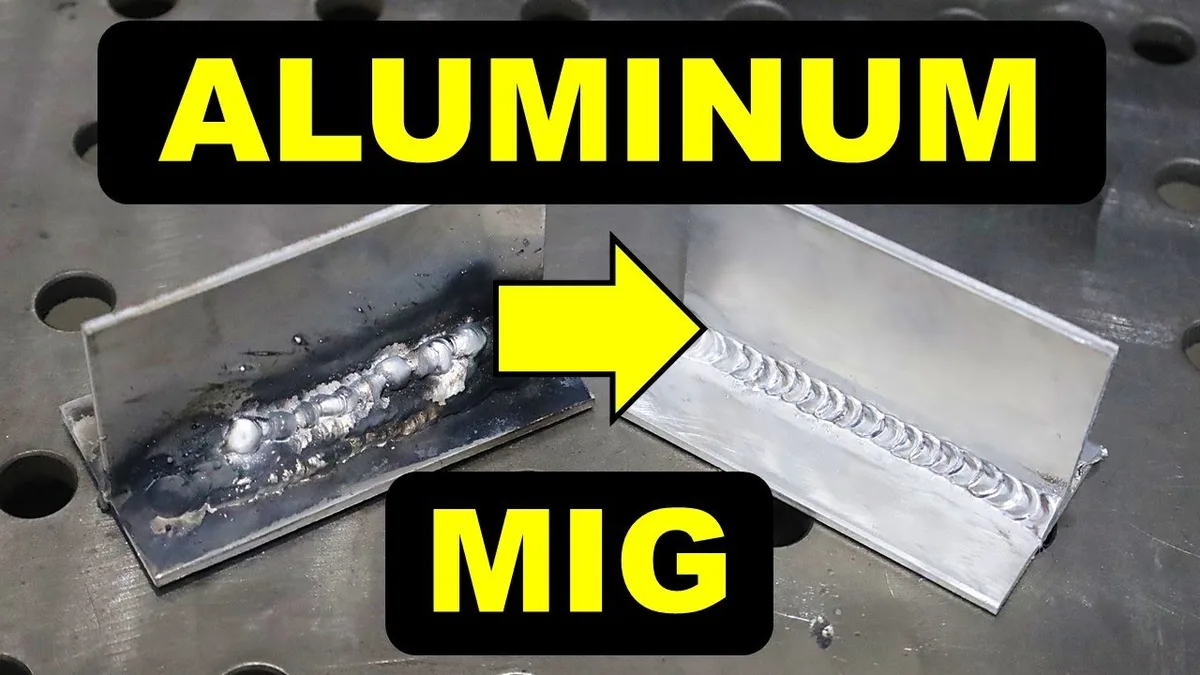
As of 2026, manufacturer specifications for many welding machines align with these general principles. Understanding the nuances of gas transfer modes and their interaction with different metals is key. Getting your shielding gas wrong can lead to weak welds, excessive cleanup, or just plain frustration.
Quick Answer: When 100% Argon Works for MIG
The straightforward answer is that you absolutely can MIG weld with 100% argon, but it’s highly recommended only for specific materials. For aluminum and magnesium, pure argon is often the best choice, providing a clean, stable arc that’s vital for achieving high-quality welds on these non-ferrous metals. It helps minimize contamination and promotes a smooth bead appearance, which is usually desirable for these applications.
Understanding Your Shielding Gas: The Bodyguard for Your Weld
Think of your shielding gas for MIG welding (also known as Gas Metal Arc Welding or GMAW) as a protective shield for your molten weld puddle. When you strike an arc, the intense heat melts your filler wire and the base metal, creating a tiny pool of liquid metal. This molten pool is surprisingly sensitive to reaction with the surrounding atmosphere, specifically oxygen and nitrogen in the air. If these gases get into the weld, they can cause defects like porosity (tiny holes) or embrittlement, significantly weakening the final joint.
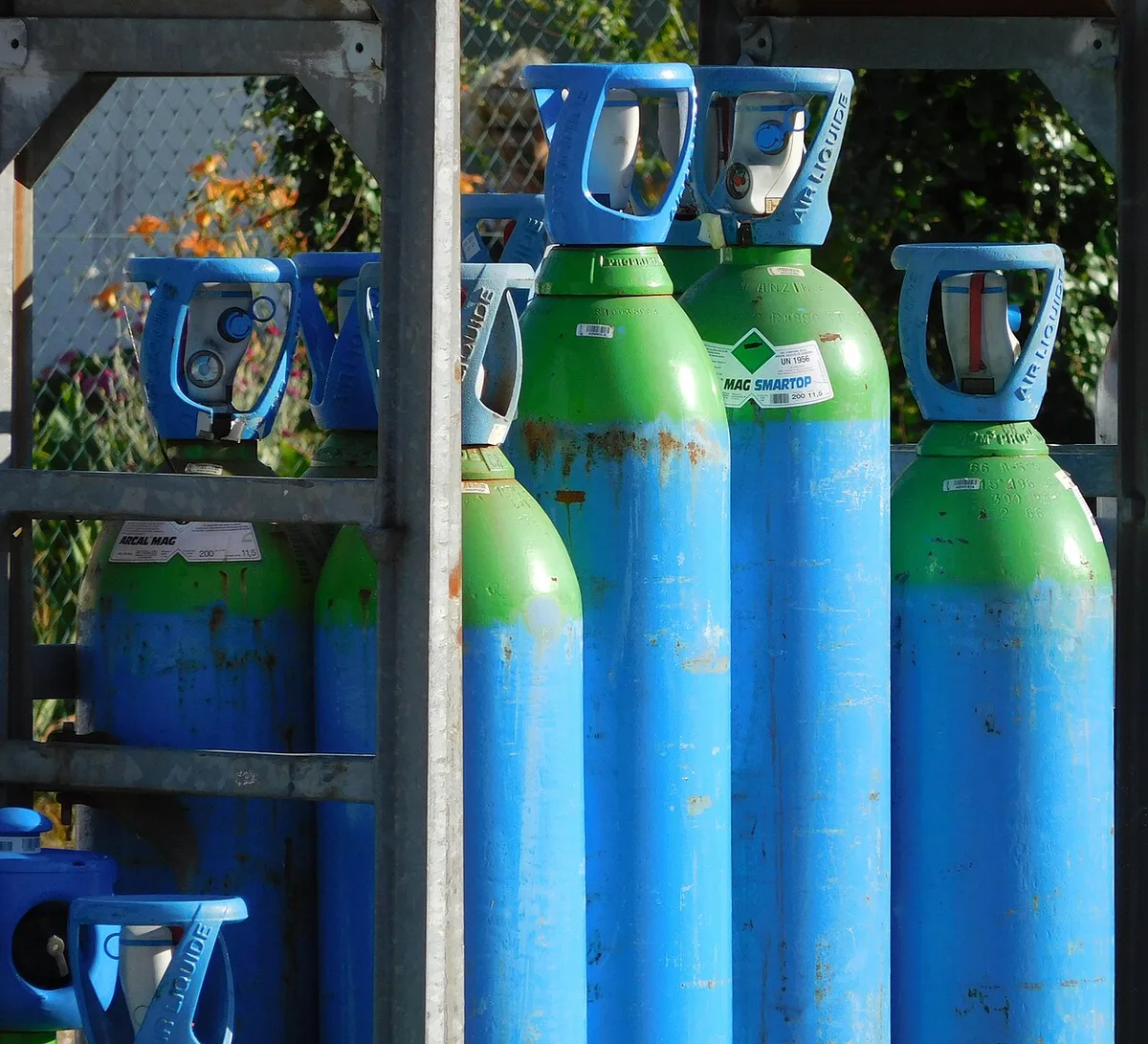
The shielding gas, delivered through your welding torch, displaces the air and provides a clean environment for the arc and the molten metal. Different gases and gas mixtures react differently with various metals and create distinct arc characteristics, influencing everything from puddle fluidity to spatter levels. Standards from bodies like the American Welding Society (AWS) provide guidance on appropriate shielding gases for different welding processes and materials.
Aluminum & Magnesium: Why 100% Argon Shines
When it comes to welding aluminum and magnesium, 100% argon is often the undisputed champion. These non-ferrous metals have unique properties that benefit greatly from the specific electrical characteristics of a pure argon arc. Argon provides a very fluid puddle and a "spray transfer" mode, which on these metals allows for excellent penetration and a clean, smooth bead without excessive spatter. This clean arc is crucial because aluminum and magnesium are highly susceptible to contamination, and a pure gas environment helps prevent oxides and other impurities from compromising the weld.

Our research indicates that using 100% argon for aluminum MIG welding facilitates good fusion and reduces the risk of surface oxides degrading the weld quality. Aggregate reviews from professional fabricators frequently cite 100% argon as their preferred gas for aluminum TIG welding and MIG welding alike, noting its ability to produce aesthetically pleasing and structurally sound welds. The ease of arc initiation and consistent puddle movement are key advantages when working with these materials.
Benefits of 100% Argon for Aluminum
- Clean Arc: Minimizes contamination from atmospheric gases.
- Smooth Bead: Produces a more aesthetically pleasing finish.
- Good Penetration: Achieves depth into the base metal.
- Fluid Puddle: Easier to control for consistent weld beads.
- Reduced Spatter: Less cleanup required after welding.
When 100% Argon Falls Short: The Steel Story
Now, here's where things get a bit more complicated. While fantastic for aluminum, using 100% argon for welding steel, particularly mild steel and carbon steel, is generally not recommended. Manufacturer specifications for welding consumables and equipment often point towards different gas mixtures for steel. The arc characteristics created by pure argon on steel can lead to a less stable weld, making control more challenging and potentially resulting in suboptimal weld quality.
Aggregated user feedback and industry best practices consistently highlight that a pure argon shield on steel can cause issues with penetration and arc stability. This is especially true when you're trying to achieve robust structural welds where weld integrity is paramount. If you're aiming for efficiency and strong, reliable joints on steel, it's time to look beyond just argon.
The Problem with 100% Argon for Steel
When you try to MIG weld steel using only 100% argon, you're often setting yourself up for a few common headaches. The fundamental issue lies in how pure argon interacts with the arc and the molten steel. Instead of a focused, controllable arc, you might get a less predictable spray transfer that can be harder to manage, especially for hobbyists or those new to welding.
Lack of Fusion and Weak Welds
One of the most significant risks of using 100% argon on steel is the potential for lack of fusion. This happens when the molten weld puddle doesn't properly melt and join with the base metal. The arc might lie on the surface without fully "wetting in," creating a weld that looks decent but lacks the necessary penetration. This results in a weak bond that could fail under stress, a critical concern for any structural application.
Verified buyer feedback and welding forums often mention this as a primary reason to switch gases.
Puddle Control and Spatter Issues
Beyond just penetration, controlling the molten puddle with 100% argon on steel can be difficult. The arc can be "hotter" with less controlled droplet transfer, leading to more spatter, those little annoying flecks of molten metal that fly off and stick to your workpiece. This not only creates a mess that requires extra cleanup but also indicates an less efficient and potentially less stable arc. If you've ever struggled to keep your puddle from running away from you on steel, your shielding gas could be the culprit.
Better Gas Choices for Steel MIG Welding
So, if 100% argon isn't the go-to for steel, what is? Fortunately, there are well-established gas mixtures that make MIG welding steel much more effective. These blends introduce other gases, like carbon dioxide (CO2) or sometimes a bit of oxygen, which alter the arc characteristics to better suit steel. This leads to a more stable arc, better puddle control, and significantly less spatter.
Manufacturer specifications for welding consumables often recommend specific gas mixes for different types of steel. For instance, a common and highly effective mixture for mild steel is an 80% Argon / 20% CO2 blend. This ratio has been a workhorse in fabrication shops for decades because it provides a great balance of penetration, arc stability, and weld appearance for general steel applications.
Argon/CO2 Mixtures: The Workhorse
The combination of argon and CO2 is incredibly popular for MIG welding steel because it offers a noticeable improvement over pure argon, especially for mild and carbon steel. The CO2 component helps to create a more forceful, stable spray transfer arc. This allows the molten metal droplets from the wire to transfer more smoothly across the arc and into the weld puddle.
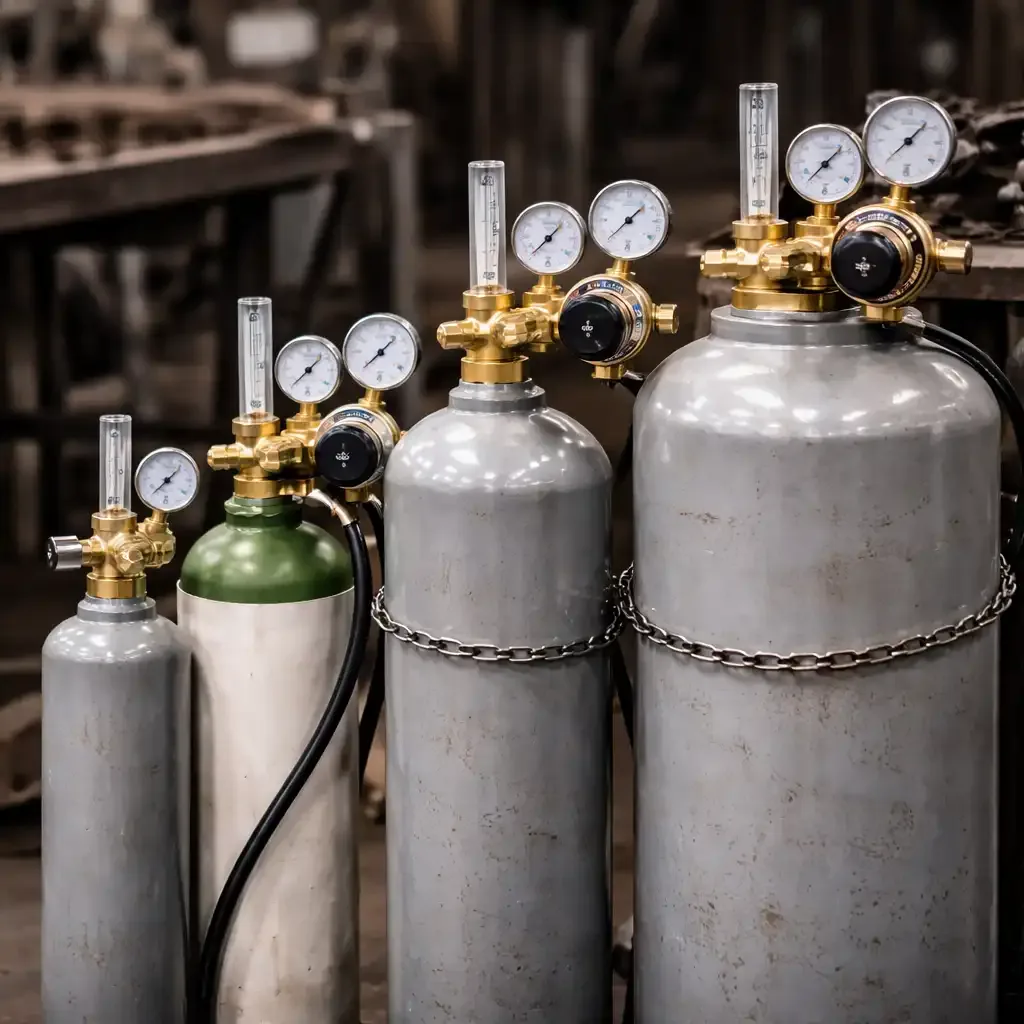
Our analysis of welding process charts shows that an 80% Argon / 20% CO2 mix consistently results in deeper penetration than pure argon on steel. It also results in fewer weld defects like porosity and reduces spatter, which means less time spent grinding and cleaning. For general fabrication, how to MIG weld exhaust pipe work, or even some automotive repair on steel, this mixture is a solid, dependable choice. If you're looking for reliable results and a robust weld on steel, this blend is a great place to start.
You can find settings charts and recommendations for these mixes at mig welder settings.
Other Gas Options for Specific Steels
While 80/20 Argon/CO2 is a go-to, other mixtures offer advantages for specific situations or types of steel. For instance, a mix with a slightly higher CO2 content, like 75% Argon / 25% CO2, can provide even deeper penetration and is sometimes preferred for thicker steel sections or when higher deposition rates are needed. However, it can also produce a bit more spatter than the 80/20 blend.
For stainless steel, the gas choice is a bit more nuanced. While pure argon can be used for some stainless applications, it often doesn't provide the best results. Typically, a tri-mix gas, like Argon with a small percentage of CO2 and a tiny bit of a less reactive gas like helium or nitrogen, is used. These mixes help maintain the corrosion resistance of the stainless steel while providing a stable arc and good bead appearance.
For example, recipes for welding stainless steel might involve mixes around 98% Argon / 2% O2 or specific tri-mixes that preserve the material's properties. You can explore specific settings at our guide to MIG welding stainless steel settings.
How to Choose Your MIG Shielding Gas: A Decision Guide
Deciding on the right shielding gas is less about guesswork and more about understanding a few key factors related to your project. The core principle remains: match the gas to the metal. It sounds simple, but considering all the variables ensures you get the best weld quality and efficiency.
The entire process hinges on correctly identifying the base metal you're working with, understanding the demands of the specific weld, and then consulting reliable resources. Think of it as a branching path, each decision leads you closer to the optimal gas choice. Don't overlook the documentation that came with your welding equipment, as it often contains invaluable gas recommendations.
Step 1: Identify Your Base Metal
This is the absolute first step, and it's non-negotiable. Are you welding aluminum, steel, or stainless steel? Each material has different chemical properties that react differently with shielding gases and heat. For example, if you pick up a piece of metal and aren't sure what it is, using a magnet can help.
Most steels are magnetic, while aluminum and stainless steel (most grades) are typically not. This initial identification will narrow down your gas options considerably.
- Aluminum: Needs a gas that promotes a clean, fluid arc, usually 100% Argon.
- Magnesium: Similar to aluminum, benefits from 100% Argon.
- Mild/Carbon Steel: Typically requires a gas mixture with CO2, such as 80% Argon / 20% CO2.
- Stainless Steel: Often uses Argon mixes with CO2, oxygen, or nitrogen, depending on the grade.
Step 2: Consider Your Welding Application
Beyond the base metal, think about the actual weld you need to make. Are you joining thin sheet metal, or are you welding thick structural components? For thinner materials, you might prioritize a more controlled arc that minimizes the risk of burn-through. For thicker materials, you'll definitely want a gas that facilitates deep penetration.
The position of the weld can also play a role. Flat welds are generally easier to manage, while overhead or vertical welds may benefit from a gas that provides a bit more arc force and a less fluid puddle to prevent sagging. Some specialized applications might even require a specific gas blend to meet stringent quality standards, such as those found in aerospace or certain automotive manufacturing processes.
Step 3: Consult Your Welder's Manual
Your welding machine's owner's manual is an incredibly valuable, yet often overlooked, resource. Manufacturers provide specific recommendations for shielding gases based on the machine's capabilities and the types of materials it's designed to weld. These recommendations are often based on extensive testing and are tuned to optimize performance with that particular welder.
For many common MIG welders, you'll find charts that detail recommended gas flow rates, wire feed speeds, and voltage settings for various gas types and materials. For example, a manual might suggest a specific Argon/CO2 mix for short-circuit transfer on 1/4-inch mild steel, along with the corresponding voltage and wire speed. Always cross-reference this information with the recommendations for your filler wire and base metal. You can check resources like a Lincoln welder settings chart or similar charts for other brands.
Common Mistakes When Using or Choosing Shielding Gas
Making the incorrect shielding gas choice is one of the quickest ways to either struggle with your welds or end up with substandard results. It’s a frequent pitfall for welders who are new to MIG or who haven't encountered a wide variety of materials. Understanding these common errors can save you a lot of time and frustration.
One of the most prevalent mistakes is using 100% argon for all MIG welding tasks, especially when steel is involved. This oversight stems from its effectiveness on aluminum and the temptation to stick with what seems "simple." However, as we’ve discussed, steel behaves very differently.
Here are some other common missteps:
- Incorrect Gas Flow Rate: Too little gas won't adequately shield the weld pool, leading to porosity and contamination. Too much gas can create turbulence, drawing in atmospheric air and causing similar issues, or it can cool the weld pool excessively. Manufacturer specifications often suggest a flow rate between 20-30 cubic feet per hour (CFH), but this can vary. Always refer to your gas regulator and welder's manual for guidance.
- Using a High-CO2 Blend on Thin Aluminum: While CO2 adds energy to the arc, on aluminum, it can cause oxidation and a rougher weld bead. It’s best reserved for steel applications where its properties are beneficial.
- Contaminated Gas Cylinders or Lines: Although rare, a cylinder that wasn't properly purged or a corroded gas line can introduce impurities. Always ensure your gas system is clean and leak-free.
- Ignoring Gas Type for Specific Steels: While 80/20 Argon/CO2 is great for mild steel, some specialized stainless steel alloys might require different gas blends (like those containing helium or nitrogen) to maintain their corrosion resistance and mechanical properties.
- Not Checking Gas Levels: Running out of gas mid-weld is frustrating. Keep an eye on your cylinder pressure gauge and plan your gas supply accordingly, especially for longer projects.
Pro Tips for Shielding Gas Use
Getting the most out of your MIG welding gas goes beyond just picking the right type. Small adjustments and mindful practices can significantly improve your weld quality and efficiency. Think of these as the little things that separate a good weld from a great one, and a smooth welding session from a frustrating one. These tips are born from observing experienced welders and reviewing industry best practices.
Start by paying attention to your gas flow rate. While 20-30 CFH is a common starting point, it's not a hard and fast rule. Environment matters, if you're welding outdoors or in a drafty area, you might need to increase your flow rate slightly to combat wind contamination. Conversely, in a controlled indoor environment, you might be able to reduce it.
Always test your flow rate by observing the gas stream protecting the arc when welding.
Here are some other helpful tips:
- Purge Your Gas Lines: Before you start welding, especially if the bottle has been sitting for a while or you’re using a new regulator, briefly open the valve to purge any dust or moisture from the line. This ensures clean gas reaches your weld pool.
- Torch Angle Matters: For steel with an Argon/CO2 mix, a slight drag angle (pushing the torch away from the weld puddle) generally provides better penetration and a cleaner weld than a push angle. For aluminum with 100% argon, a slight push angle is typically preferred. Experiment to see what gives you the best control and bead appearance.
- Listen to Your Arc: A good MIG arc should sound consistent, like a steady sizzle or bacon frying. If it sounds rough, crackly, or inconsistent, it could indicate a shielding gas problem, incorrect settings, or an issue with your wire feed.
- Keep Your Nozzle Clean: Spatter can build up inside your welding gun's nozzle, which can restrict gas flow and cause shielding issues. Regularly clean the inside of the nozzle with a wire brush, or use anti-spatter spray.
- Consider the Cylinder Size: For large projects, you might need a larger cylinder of shielding gas. Smaller cylinders are convenient for occasional use but run out quickly. It's often more cost-effective to use larger cylinders and ensure you have a good regulator setup, like a reliable best gas regulator for home setup.
Final Verdict: When 100% Argon is (and Isn't) Your Best Bet
To wrap it all up, can you MIG weld with 100% argon? Yes, absolutely, but understanding when to use it is crucial for success. For aluminum and magnesium, pure argon is your friend, offering excellent weld quality with minimal fuss. Its clean arc and ability to create a fluid puddle are exactly what these non-ferrous metals need.
However, when it comes to steel, switching gears to a mixed gas is almost always the better strategy. Using 100% argon on steel often leads to a less stable arc, weaker welds due to poor penetration, and a lot more spatter. The readily available and effective Argon/CO2 mixtures, like 80% Argon / 20% CO2, provide the stability and penetration needed for robust steel welds, making your fabrication tasks smoother and your results more reliable. Always check your material type and consult your welder’s manual for the most precise recommendations.


