
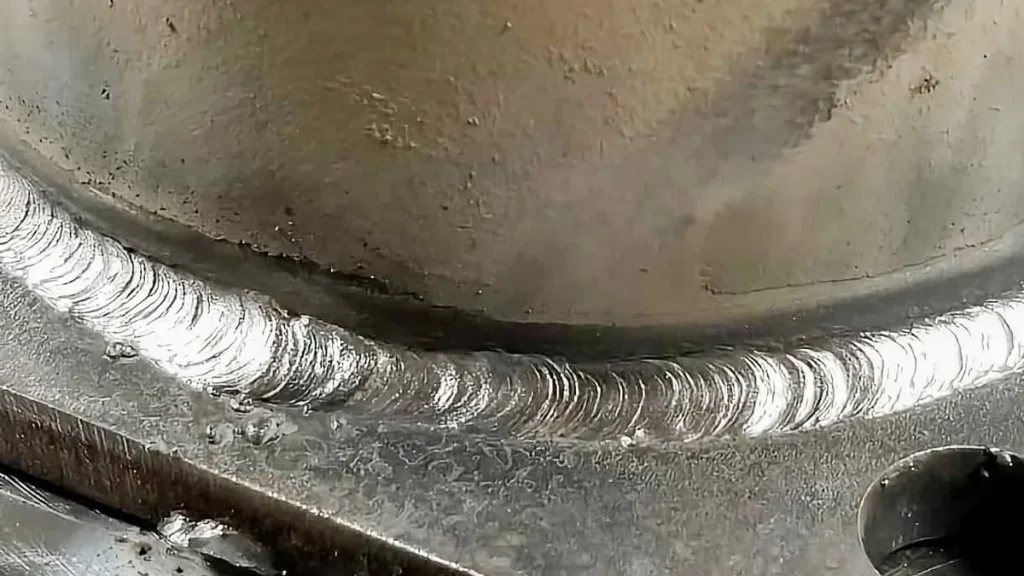
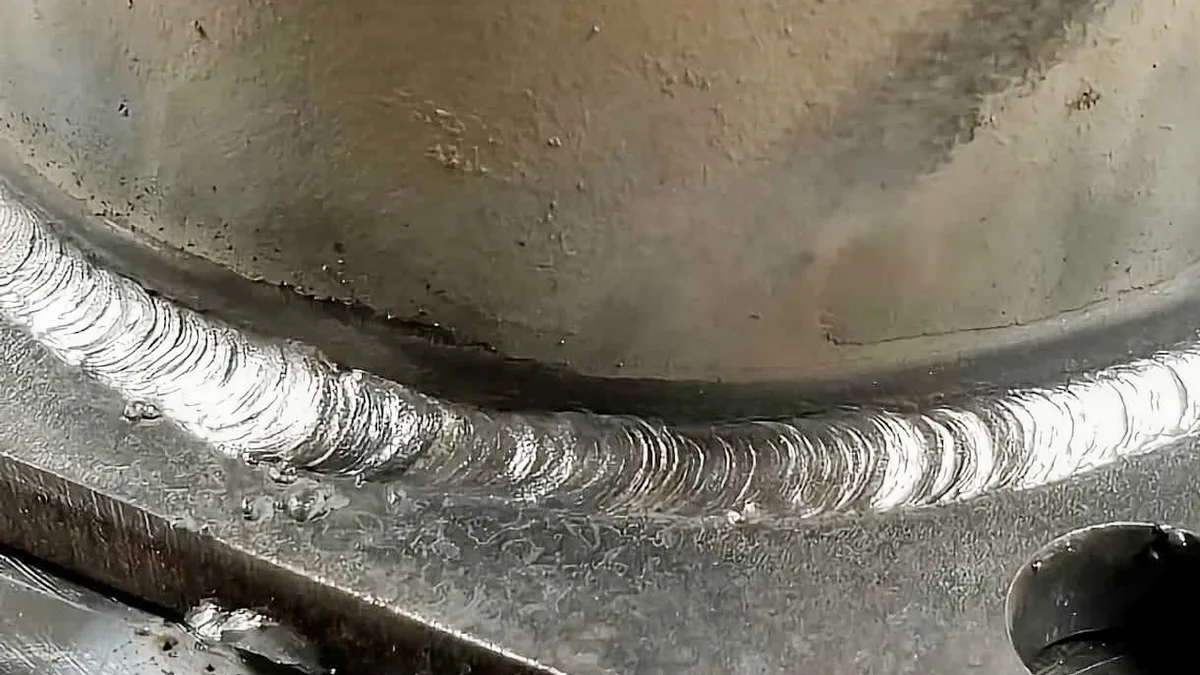
Image source: Bing (Web (fair-use with source credit))
So, you've got some galvanized steel and you're wondering, "Can you MIG weld galvanized steel?" It's a question that comes up a lot in workshops and garages. The short answer is yes, you can, but it’s not as simple as welding regular mild steel. There are some crucial steps and safety considerations you have to get right to achieve a good weld and, more importantly, to stay safe.
Our research on this topic confirms that while possible, MIG welding galvanized steel introduces specific challenges related to the zinc coating. Manufacturer specifications for many common MIG welders do not explicitly mention galvanized steel, suggesting a need for user adaptation. As of 2026, best practices still revolve around preparation and fume management.
Quick Answer: Yes, But Tread Carefully
Yes, you can MIG weld galvanized steel. However, it's vital to understand that the zinc coating on the steel will vaporize when heated, producing fumes. These fumes are hazardous, and the coating can also affect weld quality if not handled properly. The key isn't if you can, but how you can do it safely and effectively.
Core Explanation: What Happens to the Zinc?
Galvanized steel gets its rust resistance from a protective layer of zinc. When you apply the heat from a MIG welding arc, which can reach temperatures upwards of 6,000°F (3,315°C), that zinc coating starts to vaporize. This vaporization process creates zinc oxide fumes.
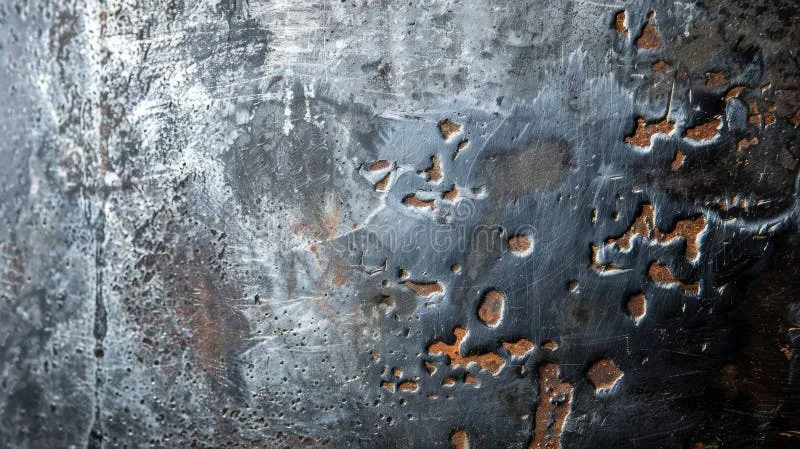
Image source: Bing (Web (fair-use with source credit))
The zinc itself has a relatively low boiling point, around 1,660°F (904°C), making it vaporize well before the steel itself melts. This process is similar to what happens when you try to weld any coated metal. If you don't manage the fumes, you're breathing them in, which is a significant health risk.
Dealing With the Zinc: Your Prep Workflow
Preparation is absolutely non-negotiable when you’re MIG welding galvanized steel. Skipping this part will lead to poor welds and, more critically, expose you to dangerous fumes.
1. Grinding Off the Coating
The most common and effective prep step is to physically remove the zinc coating from the area where you intend to weld. You don't need to meticulously strip every square inch of the workpiece, but you do need a clean surface free of zinc for at least an inch or two on either side of your weld joint. A standard angle grinder with a flap disc or a wire wheel attachment is your best bet. For smaller areas or more precise work, a wire brush on a drill can also work.
The aim is to expose the bare steel underneath the zinc layer, allowing for a cleaner weld puddle and better fusion.
2. Ventilation: Your Health Depends On It
This cannot be stressed enough: zinc fumes are hazardous. According to aggregate user feedback and industrial hygiene reports, inhaling zinc oxide fumes can lead to symptoms known as "metal fume fever," which resembles a bad flu. Consistent or high exposure can have more serious long-term effects. Good ventilation is your most important defense.
Whenever possible, work in an open, airy environment. Outdoors is ideal, but a well-ventilated garage with doors and windows wide open is a minimum. Position an industrial fan to blow fumes away from your welding position and your breathing zone; don't just circulate the air.
3. Respirator Choice: When to Use One
While grinding and ventilation help, a respirator is often essential, especially for prolonged welding sessions or in less-than-ideal ventilation conditions. The safest approach is to always use one when welding galvanized steel.
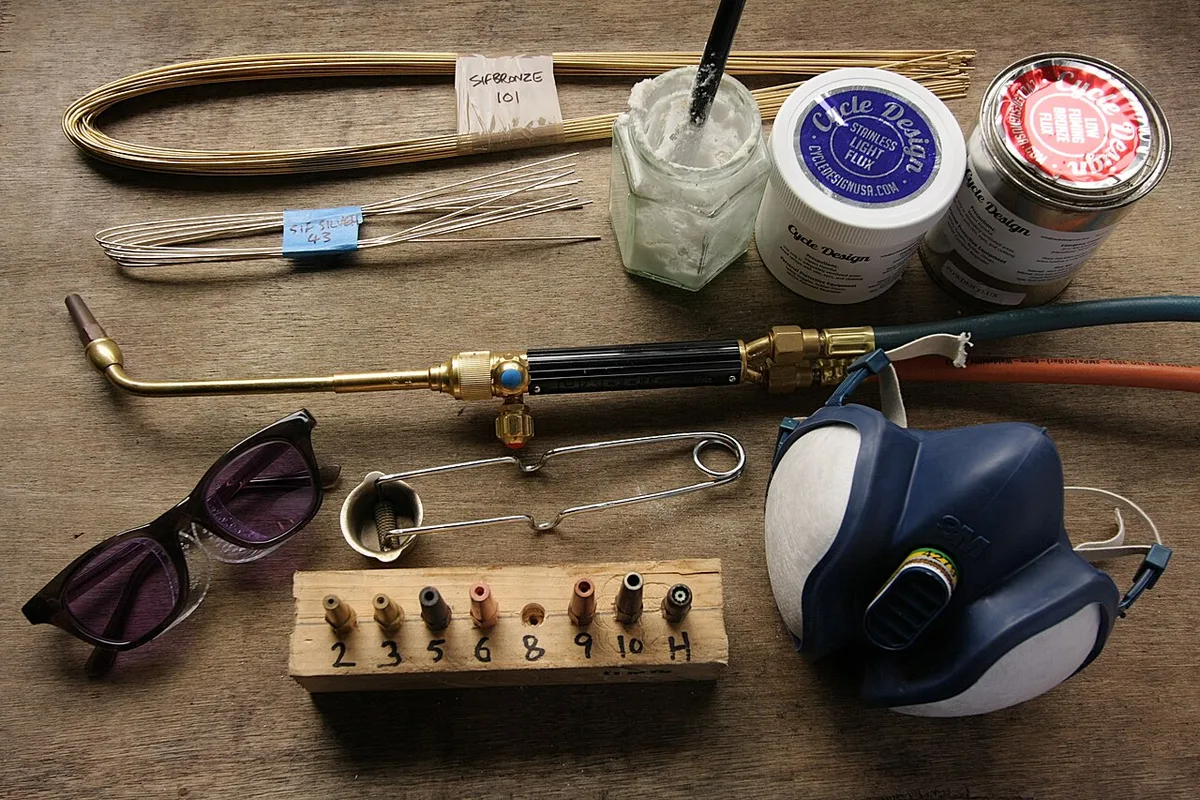
Image source: Wikimedia Commons / Phil Gradwell from Culcheth, England (CC BY)
You’ll need a respirator specifically rated for metal fumes, ideally with P100 cartridges. These filter out fine particulate matter, including zinc oxide fumes. A standard dust mask is not sufficient. Ensure the respirator fits snugly to your face to achieve a proper seal.
MIG Welder Settings for Galvanized Steel
Once you’ve prepped the metal and ensured adequate ventilation, you'll need to adjust your MIG welder settings. These aren't drastic changes from welding uncoated steel, but a few tweaks can make a difference. You might find you need to run slightly hotter than you would on plain steel of the same thickness to compensate for any residual zinc and achieve good penetration. Consult your welder’s manual or general welding charts for guidance.
A consistent travel speed is also important. Welding too fast won't allow for proper fusion, while welding too slowly can overheat the metal and potentially burn through, especially with thinner gauges.
Filler Wire Choice: ER70S-6 and Why
For most standard MIG welding applications on mild steel, including galvanized steel, the workhorse filler wire is ER70S-6. This solid choice contains higher amounts of deoxidizers like silicon and manganese compared to other grades.
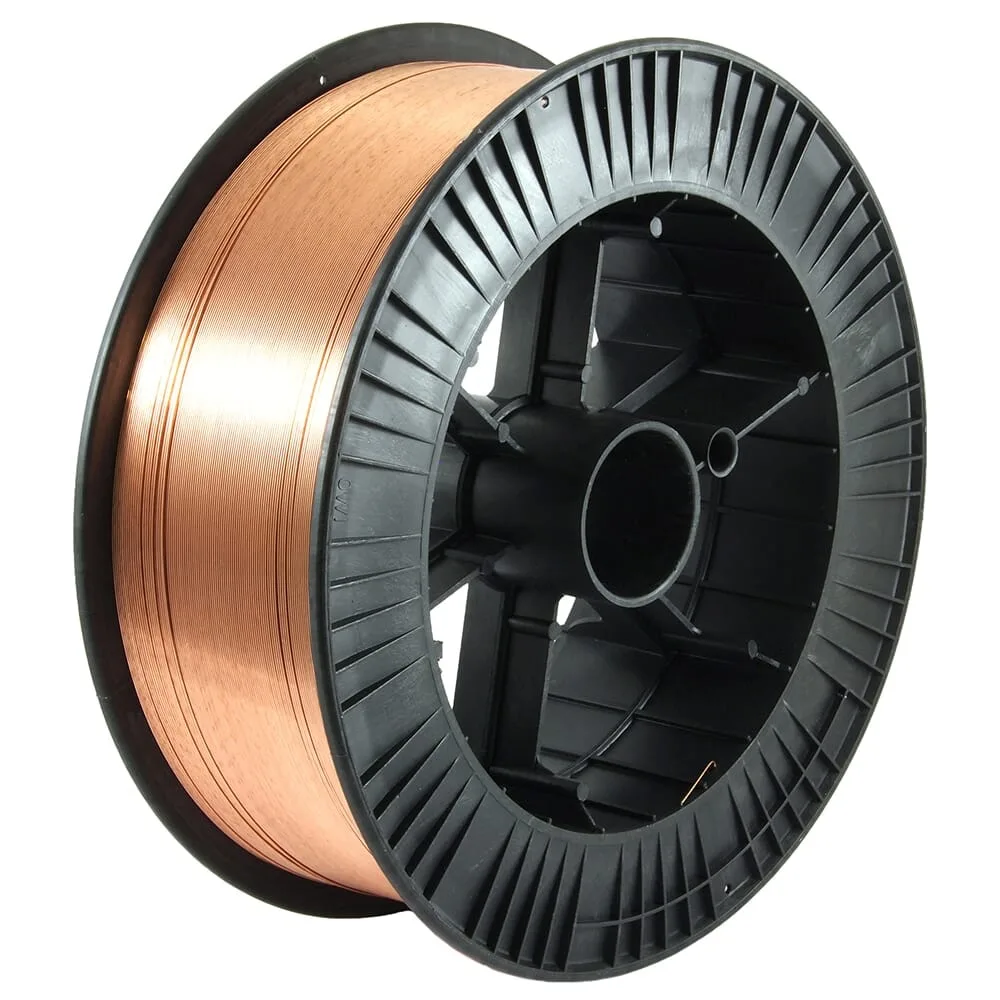
Image source: Bing (Web (fair-use with source credit))
These deoxidizers help react with any remaining impurities, including trace amounts of zinc vapor. This makes the wire more forgiving when welding materials that aren't perfectly clean. Stick with ER70S-6 for most galvanized steel MIG welding unless specific jobs demand a specialized wire.
The Risks: Porosity and Fumes
When you weld galvanized steel improperly, two main problems are almost guaranteed to surface: porosity and excessive fume production. Porosity refers to small holes or voids within the solidified weld metal, often caused by trapped gases or residual zinc. It results in weaker welds, making them unsuitable for structural applications. As discussed, the vaporization of the zinc coating creates significant amounts of zinc oxide fumes, which are toxic when inhaled and can cause metal fume fever.
Avoiding these risks requires thorough cleaning and robust ventilation.
Common MIG Welding Mistakes with Galvanized Steel
Mistakes happen, especially when working with different materials. When it comes to MIG welding galvanized steel, certain errors are common and have predictable negative outcomes.
- Skipping the Prep: This is the number one mistake. Underestimating the importance of grinding off the zinc coating leads directly to poor weld quality and dangerous fumes.
- Insufficient Ventilation: Relying on just opening a window usually isn't enough. The fumes are denser and more hazardous than typical welding smoke.
- Using Wrong Settings: Attempting to weld galvanized steel with settings meant for thin, uncoated mild steel can result in burn-through or shallow penetration.
- Not Using the Right Filler Wire: Some welders might grab a less-effective filler wire, exacerbating porosity issues because it lacks adequate deoxidizers.
- Welding Too Fast or Too Slow: Inconsistent travel speed is problematic. Too fast won't allow for proper fusion; too slow can overheat metal or generate excessive fumes.
When MIG Welding Galvanized Steel Makes Sense
It often comes down to availability and cost. Many structural components, fencing, conduit, and automotive parts come pre-galvanized. If your project involves working with these existing components, or if sourcing uncoated steel for a less critical application is significantly more expensive, tackling galvanized steel with MIG welding is practical. For instance, extending a galvanized fence or repairing a trailer frame might lead you to weld it directly.
However, if you're fabricating something entirely new where weld quality and aesthetics are paramount, or if the piece will be subject to high stress, starting with bare steel is usually better. If you prefer to avoid the fumes and prep, consider welding uncoated steel and then applying a coating like Rust-Oleum afterward for cleaner results.
Alternatives to MIG Welding Galvanized Steel
While MIG welding is popular, it’s not the only way to join galvanized steel. Each method has its pros and cons.
- Stick Welding (SMAW): Produces significant fumes and can be challenging for clean, porosity-free welds on galvanized steel, even with cleaning.
- TIG Welding (GTAW): Offers control but is highly sensitive to contaminants. Without thorough cleaning, TIG welding galvanized steel results in dirty, porous welds and lots of fumes.
- Mechanical Fasteners: For many applications, bolts and nuts are a safer, viable alternative that bypasses welding and its risks.
- Adhesives or Specialty Fillers: For certain repairs or lighter-duty applications, high-strength metal adhesives might be an option if welding isn't feasible.
Safety First: Understanding the Hazards
The primary hazard when welding galvanized steel is the zinc oxide fumes produced. Inhaling these is toxic and can cause metal fume fever. Long-term exposure must be avoided. These fumes are primarily zinc oxide (ZnO), but can contain other trace elements.
Short-term exposure causes flu-like symptoms; chronic exposure can lead to more serious respiratory problems. Always prioritize ventilation, outdoors, powerful fans, or LEV systems are essential. When ventilation is insufficient, a respirator with P100 cartridges is non-negotiable. Also wear eye protection and flame-retardant clothing.
Pro Tips for Welding Galvanized Steel
Beyond basic prep and safety, a few extra tricks can make your galvanized steel welding projects go smoother.
- Peel and Weld: For very thin coatings, you might carefully "peel" back the zinc with controlled heat before welding to expose cleaner metal. This is a niche technique requiring good control.
- Post-Weld Coating: After welding and cleaning, the metal will be bare and prone to rust. Apply a protective coating like Rust-Oleum cold galvanizing spray to restore corrosion resistance.
- Inspect Your Welds: Regularly check welds for porosity, undercut, or lack of fusion. Smooth, consistent welds are the goal. Excessive spatter or a rough surface indicates process issues.
- Practice on Scraps: If you're new to this, always practice on scrap pieces first. Experiment with settings and cleaning methods to understand how the material behaves before working on your project.
Real Scenarios: When Do You Encounter Galvanized Steel?
You’ll find galvanized steel in many places, often outdoors or in moist environments, due to its corrosion resistance. Think farm equipment, outdoor furniture, car trailers, structural steel for buildings, and anything exposed to the elements long-term. Many DIYers encounter it during home improvement projects like fencing or handrails. If your project involves joining new galvanized pieces to existing structures, or if you're working with materials commonly sold galvanized for cost-effectiveness, welding it is often necessary.
### What if the Galvanized Coating is Heavily Damaged?
If the galvanized coating is heavily damaged, flaking, or peeling, you still need to address it. Aggressive grinding to remove all loose or degraded zinc is even more critical. Damaged rust can combine with zinc, making the weld area more prone to contamination and porosity. In such cases, it might be more pragmatic to consider alternative methods like filling holes without welding if structural integrity isn't compromised.
FAQs
### Can I MIG weld galvanized pipe fittings?
Yes, you can MIG weld galvanized pipe fittings, but the same precautions apply. You’ll need to grind off the zinc coating from the ends that will be joined. Ensure excellent ventilation due to concentrated fumes. For plumbing applications, always verify that the weld meets any required codes or standards after the coating is removed.
For critical plumbing, consult welding settings charts for specific pipe materials.
### Will welding galvanized steel ruin my MIG welder?
No, welding galvanized steel won't permanently damage your MIG welder if you follow proper procedures. However, excessive fume buildup can clog components over time if not maintained. The primary risk is to your health if safety protocols are ignored. Referencing a Mig welder settings guide can help optimize your machine's performance.
### Is it safe to MIG weld galvanized steel indoors?
It can be, but only with extreme caution and robust ventilation. Indoor welding of galvanized steel without proper LEV and potentially a supplied-air respirator is generally not recommended due to hazardous fumes building up in an enclosed space. Always prioritize a controlled environment with dedicated fume extraction if indoors.
### What kind of gloves should I wear when welding galvanized steel?
Always wear welding gloves offering good thermal and abrasion resistance. Leather gloves are standard for MIG welding. Ensure they don't impede dexterity. The primary safety concern is fume exposure, so gloves protect from heat and sparks, while a respirator protects your lungs.


