
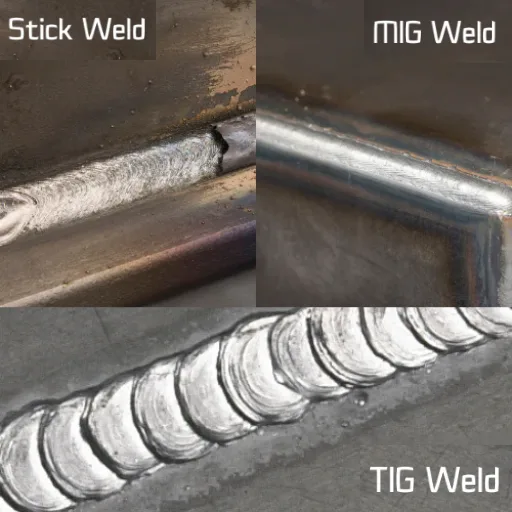
Image source: Bing (Web (fair-use with source credit))
Stick Welding vs. MIG Welding: Which Packs More Punch?
Ever wondered if stick welding is inherently stronger than MIG welding? It's a question that pops up a lot when you're trying to figure out the best tool for a job. The truth is, both processes can create incredibly robust welds, but understanding their unique strengths and weaknesses is key to knowing which one to reach for. It's less about one being universally "tougher" and more about which process is right for the specific material, environment, and demands of your project.
Our research indicates that when done correctly, a weld's strength is a product of skill, material, and precise settings. For instance, according to standard AWS D1.1, structural welding code for steel, weld quality is paramount for load-bearing applications, and both SMAW (stick) and GMAW (MIG) can meet these stringent requirements under the right conditions. Let's break down what makes each method tick.
Stick Welding (SMAW): The Workhorse Explained
Stick welding, formally known as Shielded Metal Arc Welding (SMAW), is a veteran in the welding world for a good reason. It's a robust process that's seen extensive use in heavy industries where durability and the ability to work in less-than-ideal conditions are crucial. This method uses a consumable electrode coated in flux, which melts to create the weld metal and simultaneously produces shielding gases and slag to protect the weld pool.
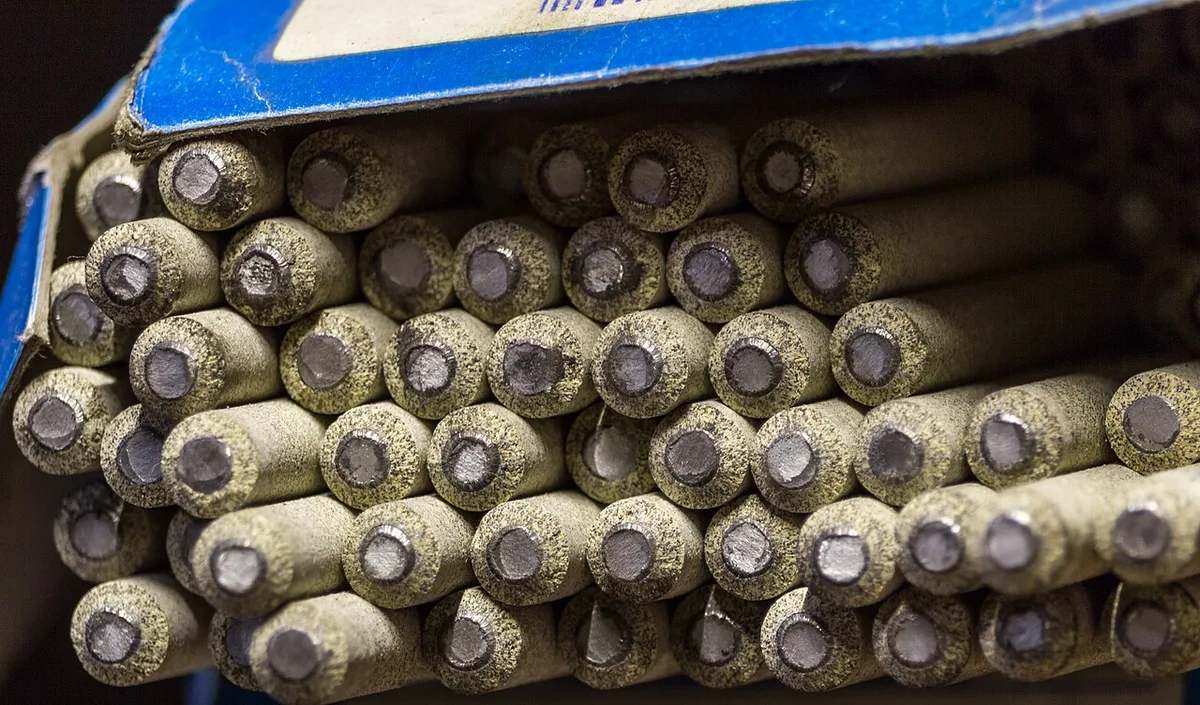
Image source: Wikimedia Commons / Dietmar Rabich (CC BY-SA)
Stick Welding: What It Is and How It Works
At its core, stick welding generates an electric arc between a metal electrode, coated with flux, and the base metal you're joining. This arc heats the metals to their melting point. As the electrode melts, it adds filler material to the joint, forming a molten weld pool. The flux coating plays a vital role; it disintegrates, providing a shielding gas to prevent atmospheric contamination of the molten weld, and also forms a slag layer that protects the cooling weld.
Once the weld cools, this slag needs to be chipped away.
The choice of electrode, often referred to as a welding rod, is critical and depends on the base metal, welding position, and desired weld characteristics. For example, different E6010 and E7018 rods are common for steel, each offering distinct properties for penetration and arc stability. Settings like amperage are adjusted based on the electrode diameter and material thickness, a concept detailed further in resources like our Stick Welding Amperage Chart.
Stick Welding: Core Features & Attributes
Stick welding's defining characteristics make it a go-to for many demanding tasks. The process itself provides deep penetration into the base metal, which is important for ensuring a strong, fused joint, especially on thicker materials. This deep fusion is a significant factor in its perceived "strength."
- Deep Penetration: Often achieves excellent fusion with the base metal.
- Flux-Coated Electrodes: These protect the weld pool and add alloying elements, but also create slag.
- Simpler Equipment: Generally requires a power source and cables, making it more portable and less complex than some other methods.
- Versatile on Contaminated Surfaces: Tolerates rust, mill scale, and some dirt better than other processes, reducing the need for extensive cleaning on less-than-pristine materials.
- Works in Windy Conditions: The flux provides its own shielding, making it suitable for outdoor work where wind could blow away shielding gas.
Stick Welding: When It Shines (Benefits)
The benefits of stick welding often revolve around its resilience and ability to perform in challenging environments. It's particularly favored for structural steel fabrication and heavy equipment repair where weld integrity is paramount. The deep penetration it provides is invaluable for creating joints that can withstand significant stress and load.
- Ideal for Dirty or Rusty Metal: You can often weld directly over light rust or paint without extensive prep. This is a massive advantage in field repairs or when working with older materials.
- Excellent in Outdoor/Windy Conditions: Since the flux creates its own gas shield, it's far less susceptible to being blown away by wind compared to MIG.
- Deep Fusion: Achieves strong, reliable welds on thicker materials, a critical factor for load-bearing applications.
- Relatively Inexpensive Equipment: Stick welders can be more affordable and simpler to operate, making them accessible for many operators.
- Portability: Lighter and often more portable than gas-cylinder-dependent MIG setups.
Stick Welding: The Downsides (Drawbacks)
While stick welding is a workhorse, it's not without its challenges. The process can be slower than MIG, and achieving aesthetically pleasing welds requires significant practice. Cleanup is also a more involved process due to the slag.
- Slower Welding Speed: Frequent electrode changes interrupt the welding flow, making it less efficient for long, continuous welds.
- Slag Cleanup: The hardened slag must be chipped off after each weld bead, adding an extra step and time to the process.
- Steeper Learning Curve for Aesthetics: Producing smooth, consistent welds that are visually appealing takes considerable practice and skill.
- More Fumes: The burning flux produces more smoke and fumes than MIG welding, requiring good ventilation.
- Difficulty on Thin Metals: Controlling heat and preventing burn-through on very thin materials can be challenging.
Stick Welding: Best For What Kinds of Jobs?
Stick welding truly excels in a few specific areas where its strengths directly address job requirements.
- Structural Steel: Any application where the weld needs to bear significant weight or stress, like bridges, buildings, or heavy machinery frames.
- Outdoor and Field Repairs: When you can't control the environment, stick welding's resistance to wind and its ability to handle less-than-perfect surfaces make it the clear choice.
- Thick Metal Fabrication: Its tendency for deep penetration makes it ideal for joining substantial pieces of steel.
- On-site Construction: Its portability and robustness are perfect for the demanding conditions of a construction site. You can find general guidelines for many welding applications on resources like the AWS Welding Chart.
MIG Welding (GMAW): The Speed Demon Explained
MIG welding, or Gas Metal Arc Welding (GMAW), is a more modern process that has become wildly popular due to its speed, ease of use for beginners, and clean results. It uses a continuously fed wire electrode that also acts as filler metal, passed through a welding gun. A shielding gas, supplied from a separate cylinder, protects the weld pool from atmospheric contamination.
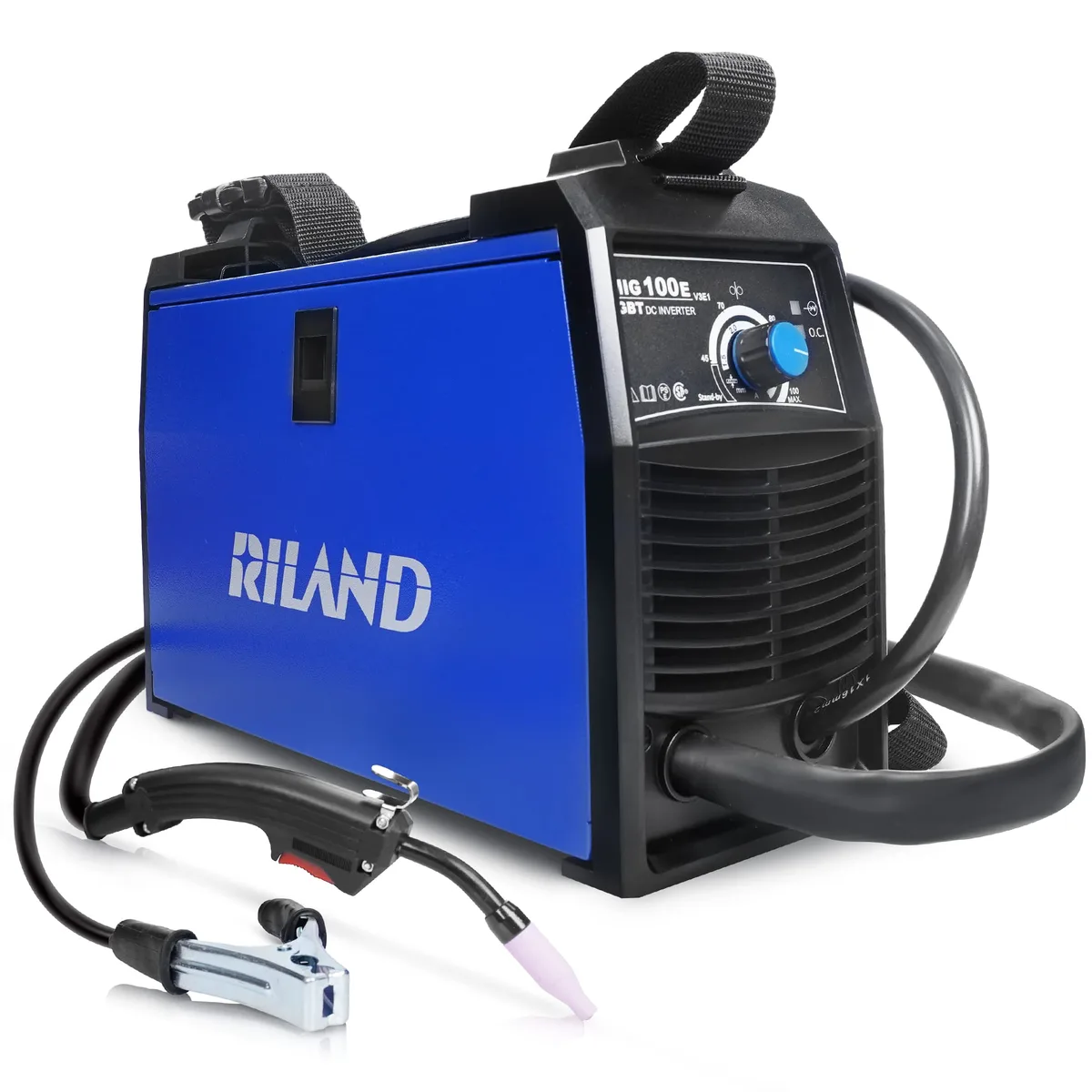
Image source: Bing (Web (fair-use with source credit))
MIG Welding: What It Is and How It Works
In MIG welding, an electric arc is formed between a continuously fed wire electrode and the workpiece. This arc melts both the wire and the base metal, creating a weld puddle. As the wire feeds through the gun, a shielding gas flows from the same nozzle, enveloping the arc and molten metal to prevent oxidation and contamination. This continuous wire feed allows for faster welding speeds compared to stick welding, and the process is often easier for newcomers to master getting a decent-looking bead.
The type of shielding gas used is crucial and impacts weld characteristics, penetration, and spatter. Common gases include argon, CO2, or a mix of both. Wire diameter, material type, and voltage/wire feed speed settings all play a role in achieving the desired weld quality. Understanding these interactions is key, as explored in guides on how to calculate wire feed speed in MIG welding and general MIG welder settings.
MIG Welding: Core Features & Attributes
MIG welding is characterized by its efficiency and the cleaner appearance of its welds, making it a favorite for fabrication shops.
- Continuous Wire Feed: Allows for rapid deposition of filler metal, leading to faster welding speeds.
- External Shielding Gas: Protects the weld pool from the atmosphere, resulting in cleaner welds with less spatter and no slag.
- Easier Learning Curve: Generally considered more user-friendly for beginners to achieve acceptable welds.
- Versatile on Various Metals: Can weld steel, stainless steel, aluminum, and other alloys with the proper wire and gas combination.
- Good Control on Thin Materials: Easier to manage heat input to avoid burning through thinner metals.
MIG Welding: When It Shines (Benefits)
MIG welding offers distinct advantages, particularly in environments where speed and aesthetics are high priorities. Its ability to produce clean, visually appealing welds with minimal cleanup makes it a staple in automotive repair and custom fabrication.
- Fast Welding: Significantly reduces the time it takes to complete long welds compared to stick welding.
- Clean Welds with Minimal Spatter: Produces very little slag and reduced spatter, meaning less post-weld cleaning is required.
- Easier to Learn Than Stick: Beginners can often achieve acceptable welds more quickly, making it ideal for training and hobbyists.
- Excellent for Thinner Materials: Provides better control to prevent burn-through on sheet metal.
- Versatility: Can be used on a wide range of metals, from steel to aluminum, by simply changing the wire and gas. Many resources, such as a Welding Chart Mig Wire guide, can help with selections.
MIG Welding: The Downsides (Drawbacks)
Despite its advantages, MIG welding has limitations, especially when compared to stick for certain applications. Its biggest weakness lies in its sensitivity to environmental conditions.
- Highly Sensitive to Wind: The external shielding gas can be easily blown away outdoors, leading to porosity and a weak weld. Using a windbreak or performing welds indoors is usually necessary.
- Requires Clean Surfaces: MIG welds perform poorly on dirty, rusty, or painted metal, necessitating thorough surface preparation.
- Less Penetration Than Stick (Typically): While settings can be adjusted, MIG generally offers less deep penetration into thicker metals compared to stick welding.
- More Complex Equipment: Requires a welding machine, a gas cylinder, a regulator, and a wire feeder, making the setup more involved and less portable.
MIG Welding: Best For What Kinds of Jobs?
MIG welding is the top choice for numerous fabrication and repair tasks where speed, appearance, and material versatility are key.
- Automotive Bodywork: Its ability to weld thin materials cleanly makes it perfect for car bodies and exhaust systems. You might learn more about specific tasks like how to MIG weld exhaust pipe or how to MIG weld auto body panels.
- Light to Medium Fabrication: Ideal for creating furniture, railings, frames, and custom projects where aesthetics matter.
- Manufacturing and Production Lines: Its high deposition rate boosts efficiency in mass production environments.
- Hobbyist and DIY Projects: The easier learning curve makes it accessible for home garages and makerspaces. For those looking at budget options, resources like the Best Budget 220v Mig Welder or Best Mig Welder Under 500 can be helpful.
Direct Comparison: Stick vs. MIG Strength and Performance
When we talk about "strength" in welding, it's not just about the tensile strength of the deposited metal. It's about how well that metal fuses with the base material, its resistance to fatigue, and its ability to hold up under various types of stress. Both stick and MIG welding employ different mechanisms that lead to varying performance characteristics.
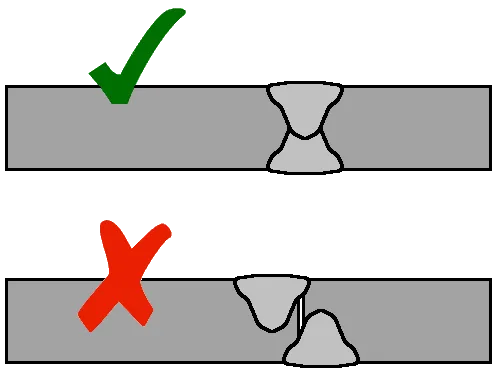
Image source: Wikimedia Commons / Erik Wannee
Penetration: Getting That Deep Fusion
Penetration refers to how deeply the weld metal fuses with the base material. This fusion is critical for the overall strength of the joint.
- Stick Welding: Generally offers deeper penetration. The intense, focused arc of stick welding, especially with certain electrode types like E7018, can melt more of the base metal, creating a stronger bond. This is particularly beneficial when welding thicker materials where getting full fusion is a challenge.
- MIG Welding: Penetration can be excellent, but it's often more dependent on precise settings. While you can achieve deep penetration with the right amperage, voltage, and wire speed, stick welding often has a natural advantage in this area, especially on heavier steel. Understanding how to adjust your MIG settings, like those found in a Lincoln MIG Welder Settings Chart, is key to maximizing it.
Speed and Efficiency: Getting the Job Done Faster
Speed and efficiency are two major factors that differentiate stick and MIG welding, especially in production environments or for large projects.
- MIG Welding: Excels here due to its continuous wire feed. You can lay down long, consistent beads without interruption, significantly increasing the amount of weld metal deposited per hour. This makes it ideal for tasks where time is a critical factor.
- Stick Welding: The frequent need to stop and replace electrodes slows down the process considerably. While the welds themselves can be strong, the overall speed of completing a large project will almost always be slower with stick.
Material Prep: How Finicky Are They?
The preparation of the metal surface before welding plays a huge role in the quality and strength of the final weld. This is where stick and MIG have a noticeable difference in their requirements.
- Stick Welding: Is known for its forgiving nature. It can often be used on surfaces that have some rust, mill scale, paint, or grease. While cleaning is always recommended for the best results, stick welding is more tolerant of less-than-perfect conditions, making it suitable for field repairs or older materials.
- MIG Welding: Demands cleaner surfaces. Contaminants on the base metal can cause porosity, weak spots, and other weld defects. For MIG, you'll typically need to clean the metal thoroughly down to bare steel to ensure a strong, reliable weld.
Environmental Factors: Wind and Weather
The environment in which you're welding can heavily influence which process is more suitable. This is particularly true when considering outdoor applications.
- Stick Welding: Performs well outdoors and in windy conditions. The flux coating on the electrode generates its own shielding gas as it burns, which helps protect the weld pool from wind. This makes it a reliable choice for construction sites or field repairs.
- MIG Welding: Is highly susceptible to wind. The external shielding gas used can be easily blown away, leading to poor weld quality. For MIG, it's generally best to weld indoors or in a sheltered area, or to implement windbreaks.
Key Situations: Choosing the Right Process for Your Project
Knowing the general strengths of stick and MIG welding is one thing, but figuring out which one fits your specific needs is the real challenge. Often, the job itself dictates the best approach. Consider the environment, the material, and the required performance.
For Heavy-Duty Structural Work
When the integrity of a weld is critical for supporting significant weight or stress, stick welding often emerges as the preferred choice. Imagine building a bridge or reinforcing a structural beam; these are applications where deep, robust fusion is non-negotiable.
Stick welding's ability to achieve deep penetration helps ensure a solid bond, even on thicker steel. Furthermore, its resilience to wind and dirt means it can be reliably used on construction sites where perfect conditions aren't always guaranteed. For these types of jobs, sticking with stick often means fewer worries about weld failure.
For Auto Bodywork and Fabrication
For projects like repairing car bodies, creating custom exhaust systems, or fabricating lighter metal structures, MIG welding generally shines. Its speed can dramatically cut down production time on repetitive tasks.
MIG's ability to lay down clean beads with minimal splatter is a huge advantage, especially when aesthetics matter or when you're working with thinner materials that could be easily burned through by a more aggressive process. Resources on how to MIG weld auto body panels can offer more insights into these specific applications.
For Outdoor and Rough Conditions
If your welding will primarily take place outdoors or in environments where wind is a significant factor, stick welding generally has the upper hand. The flux coating on the electrode creates its own shielding gas as it burns, protecting the weld pool from atmospheric contamination.
MIG welding, on the other hand, relies on an external gas cylinder. Even a slight breeze can disrupt this shielding gas, leading to porosity, tiny pinholes in the weld, which severely compromises its strength. If you're working on a fence repair at a remote site, stick is often the more practical solution.
For Beginners Learning to Weld
For those just starting out, many find MIG welding to be the more forgiving process to learn. The continuous wire feed and the way the gun operates can feel more intuitive than managing a separate rod and arc with stick welding.
You can often achieve visually acceptable welds with MIG relatively quickly, which can be encouraging. While mastering any welding process takes time, getting started with MIG can provide a smoother entry point into the craft. Our guides on MIG welder settings can help new users get oriented.
For Welding Thinner Metals
When you're dealing with sheet metal, like in automotive repair or fabricating thin enclosures, controlling heat input is paramount to avoid burning through. MIG welding offers superior control in these situations for several reasons.
The ability to precisely adjust wire feed speed and voltage allows a welder to maintain a narrower heat footprint and deposit metal more cautiously. Stick welding, with its more intense arc, can be much harder to manage on thinner gauges, often leading to holes and compromised joints.
Common Mistakes & What to Avoid
Every welding process has its common pitfalls, and recognizing them is the first step to producing strong, reliable welds. Whether you're using stick or MIG, understanding these common errors can save you time, materials, and most importantly, ensure the safety and integrity of your work.
Problems with Stick Welding (and How to Fix Them)
One of the most common issues with stick welding is creating welds with poor fusion or slag inclusions. This often happens if the amperage is too low, preventing proper penetration, or if the welder doesn't properly clean slag off between passes.
Another frequent problem is arc blow, where the magnetic forces of the arc cause it to wander uncontrollably. This can be mitigated by proper grounding techniques, altering the path of the current, or using specific welding techniques. For those working with specific materials or designs, consulting resources like an AWS Welding Chart can help prevent many of these issues.
Problems with MIG Welding (and How to Fix Them)
In MIG welding, porosity is a major concern, often resulting from inadequate shielding gas coverage. If you're welding outdoors and the wind blows the gas away, you'll get tiny holes in your weld seam. Ensuring proper gas flow, using a gas lens on your nozzle, and welding in a protected area are key fixes.
Another common MIG problem is "worm tracking" or inconsistent bead appearance, which can stem from incorrect travel speed, angle, or voltage. If you're welding thin materials, burn-through is also a frequent mistake, usually caused by too much heat or too slow a travel speed. Adjusting your MIG welder settings is the primary way to correct these issues.
The Verdict: Which Welding Method is Stronger?
After looking at the ins and outs of both stick and MIG welding, the answer to "which is stronger" really boils down to context. Neither process is inherently superior in all situations. Instead, they offer different strengths that make them ideal for particular tasks and environments.
Both processes, when performed by a skilled welder with the correct settings and proper technique, can produce welds that meet high-strength requirements. It all comes down to applying the right tool for the right job. As of 2026, these principles remain consistent in the welding industry.
Final Recommendation: Strengths Based on Application
If your priority is maximum strength on thick, potentially dirty materials, and you're working outdoors or in challenging conditions, stick welding is often your best bet. Its deep penetration and robustness are invaluable for structural applications.
However, if speed, clean aesthetics, and versatility across different metals (especially thinner ones) are more critical, and you can control your welding environment, MIG welding will likely serve you better. Its efficiency and ease of use for many tasks make it a modern fabrication favorite.


