
Image source: Bing (Web (fair-use with source credit))
Figuring out how much your MIG welding gas is going to cost can feel like trying to hit a moving target. It’s not just a simple price tag; a lot of factors go into that monthly bill. Understanding these variables is key to keeping your welding projects on budget and avoiding unexpected expenses.
Our research shows that as of 2026, the average cost of shielding gas for MIG welding can range significantly, often between $30 and $100 per month for a hobbyist, but it can easily climb to several hundred dollars for a busy shop. This wide range is due to variables like gas type, cylinder size, rental versus purchase, and your actual gas consumption. Equipment manufacturer specifications often detail optimal flow rates, which directly impact how quickly you go through gas.
Quick Insight: It's More Than Just the Gas Itself
Most folks think the cost is just topping up the cylinder, but that’s only part of the story. When you’re running your MIG welder, you’re not just paying for the argon or CO2 mixture; you’re also factoring in rental fees if you’re not buying your own tanks, the cost of regulators, and the sheer volume you push through the nozzle. Think of it like buying craft beer versus making your own at home, one has a steady per-pint cost, the other involves an upfront investment and ongoing ingredient costs that can be cheaper per pint long-term if you drink enough.
Understanding What You're Paying For: The Core Components of Gas Cost
When you look at your welding gas invoice, several distinct elements contribute to the total. It’s not a single purchase price for a magical gas fluid; rather, it’s a collection of costs tied to the containment, delivery, and the gas itself. Breaking these down helps you see where your money is going and where you might find savings.
Shielding Gas Mixes: The Foundation of Your Bill
The actual gas itself is the core consumable, and its composition directly impacts the price. You've got a few main players here, each with its own benefits and associated costs:
- 100% Argon: This is your premium choice, often used for non-ferrous metals like aluminum and stainless steel. It offers a very clean weld with minimal spatter but comes with a higher price tag.
- 75% Argon / 25% CO2: This is the workhorse mix for most mild steel applications. It’s a good balance of cost and performance, providing decent penetration and a relatively clean arc. It’s usually the most economical choice for general fabrication.
- Other Mixes: You'll find variations like 90% Argon / 10% CO2, or mixes with small amounts of oxygen for specific applications. These specialized blends can sometimes be more expensive than the common 75/25 mix.
The price difference between these mixes isn't huge on a per-cylinder basis, but over months of welding, it adds up. Our research indicates that 100% Argon can cost 15-25% more than a standard 75/25 mix.
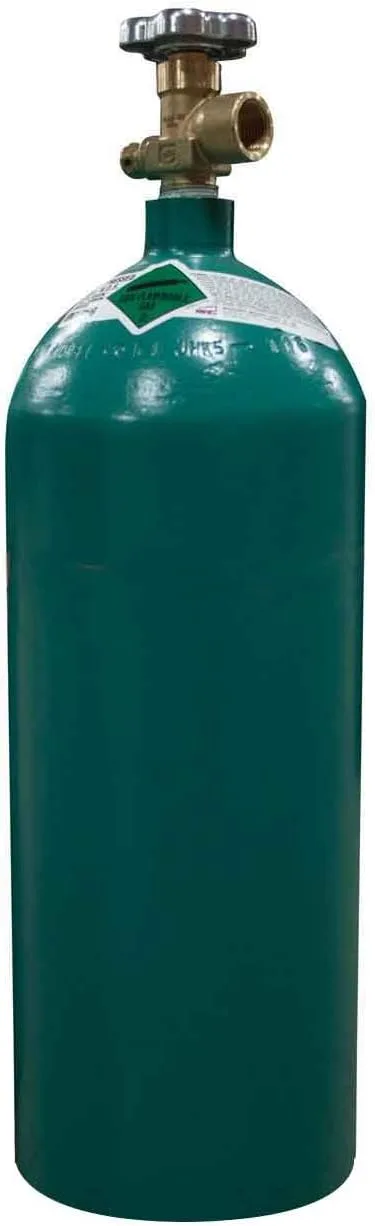
Image source: Bing (Web (fair-use with source credit))
MIG Welding Gas Cylinder Types: Size Matters for Cost
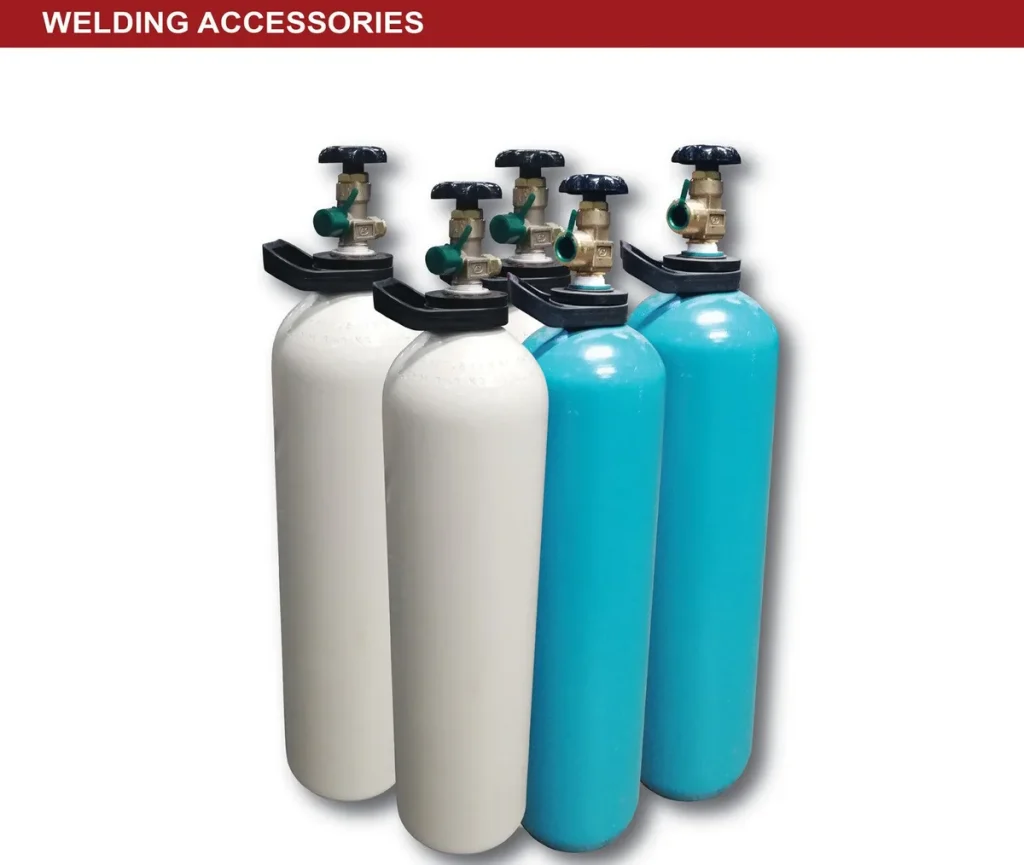
Just like buying propane for your grill, gas comes in different tank sizes. The larger the cylinder, the more gas it holds, but also the higher the upfront cost or rental deposit.
- Smaller Cylinders (e.g., 40, 60, 80 cu ft): These are often favored by hobbyists or those who don't weld daily. They're easier to move around and cheaper to rent or buy initially. However, they run out faster, meaning more frequent trips for refills, which can increase your per-cubic-foot cost if rental fees are daily.
- Larger Cylinders (e.g., 125, 150, 200 cu ft): These huge tanks are what you’ll find in professional shops. They hold a massive amount of gas, significantly reducing the frequency of refills and, in many cases, lowering the per-cubic-foot cost. The downside is their weight and the larger deposit or purchase price.
For context, a 150 cu ft cylinder holds roughly twice the gas of an 80 cu ft cylinder but will cost more upfront or about double in rental fees.
The Big Two: Renting vs. Buying Welding Gas Cylinders
This is where many welders face their first big decision, and it heavily influences your ongoing expenses. There's no single "right" answer; it depends on how much you weld.
Renting Your Gas: The Monthly Grind
Renting cylinders is common, especially for businesses or individuals who don't weld constantly. You pay a recurring fee, typically monthly or annual, for the use of the tank, and you only pay for the gas when you get it refilled.
Pros of Renting:
- Lower Upfront Cost: No need to buy expensive cylinders outright.
- Flexibility: Easier to swap to different sizes or types of gas if your needs change.
- No Storage Hassle at End-of-Life: The supplier handles old or damaged tanks.
Cons of Renting:
- Ongoing Expense: Rental fees add a fixed cost to your budget every month, even if you don't weld.
- Higher Per-Unit Cost (Potentially): Over many years, rental fees can often exceed the purchase price of a cylinder.
- Pressure to Keep Tanks Full: If you have large cylinders, you might feel pressured to use them up to avoid paying for idle time.
Rental fees can vary wildly, from $10-$30 a month for smaller tanks to $50-$100+ for larger ones, depending on the supplier and your location.
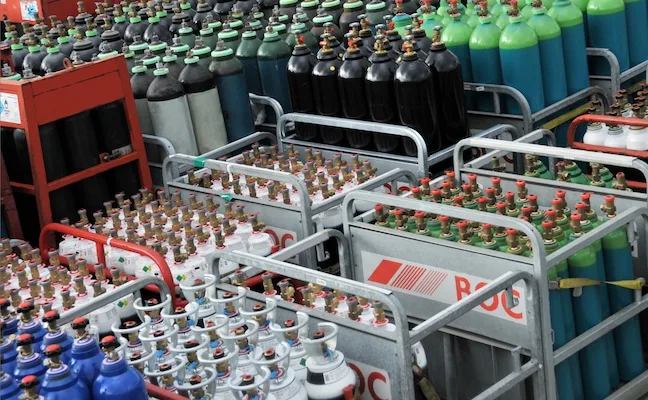
Image source: Bing (Web (fair-use with source credit))
Buying Your Gas: A Long-Term Investment
Buying your own cylinders means you own the tank outright. You pay one price for the cylinder, and then you just pay for the gas fill or exchange. This often feels more akin to owning any other tool in your workshop.
Pros of Buying:
- Lower Long-Term Cost: If you weld regularly, the upfront cost is quickly recouped through savings on rental fees.
- No Recurring Fees: Once it's yours, it's yours. You only pay for the gas.
- Owned Asset: You have a tangible piece of equipment.
Cons of Buying:
- High Upfront Cost: A new, empty cylinder can cost anywhere from $150 to $400 or more, depending on size and type.
- Responsibility: You're responsible for its upkeep and safe storage.
- Exchange Hassle: You might need to exchange your filled tank for an empty one at a supplier, which can involve specific procedures.
Many welding supply stores offer an exchange program where you trade your empty purchased cylinder for a full one, often at a set refill price. This is usually more economical than paying for a full new fill every time.
Real-World Gas Costs: What to Expect
Let's talk numbers. These are estimates based on typical pricing in many parts of the US as of 2026, but remember your local welding supply shop might have different rates.
Common Gas Mix Prices (e.g., 75/25, 100% Argon)
For refills or exchanges, the price is generally based on the volume of gas.
- 80 cu ft Cylinder (75/25 Mix): Expect around $25-$40 for a refill.
- 80 cu ft Cylinder (100% Argon): This might run $35-$55 for a refill.
- 150 cu ft Cylinder (75/25 Mix): A refill could be in the $45-$70 range.
- 150 cu ft Cylinder (100% Argon): Figure on $60-$90 for a refill.
Prices are for the gas only. If you are renting the cylinder, you add that monthly fee on top. If you've bought the cylinder, you're just paying the refill price.
Cylinder Rental Fees: The Hidden Costs
These are the recurring charges you face if you choose to rent.
- Small Cylinders (40-80 cu ft): Monthly rental can be $10-$25.
- Medium Cylinders (100-125 cu ft): Expect $20-$40 per month.
- Large Cylinders (150-200+ cu ft): These can push $40-$80+ per month.
Some suppliers offer annual plans that reduce the monthly equivalent cost, but require a larger upfront payment.
Gas Refill Prices: When You're Low
This is what you pay to have your tank filled or exchanged. As listed above, prices vary significantly by gas mix and cylinder size. It's always worth shopping around between local welding supply houses, as prices can differ by $5-$15 or more per refill for larger cylinders.
Factors That Actually Change Your MIG Gas Bill
So, you've got the basics of what MIG welding gas is and how it's packaged. Now, let’s dive into the nitty-gritty of what makes that bill fluctuate from month to month. It’s not just about the list price; it’s about how you use it and where you get it from.
Your Welding Habits: How Much Gas Do You Use?
This is the single biggest factor determining your ongoing gas expense. If you’re a hobbyist who only welds for a few hours a month, your gas bill will be minimal. If you’re running a small fabrication shop and welding for 8 hours a day, five days a week, your gas consumption will be through the roof.
Consider these points:
- Frequency: How often do you weld? Daily, weekly, monthly?
- Duration: How long are your welding sessions? A 15-minute repair versus a two-hour fabrication project.
- Intensity: Are you making short tack welds or long, continuous beads? Longer welds consume more gas.
- Spatter: Excessive spatter means you're likely running your gas flow too high or have the wrong gas for the job, wasting gas. Excessive spatter is a clear indicator you might need to adjust your settings for your Mig Welder Settings.
For example, a typical 80 cu ft cylinder of 75/25 mix might last a hobbyist three to six months, while a busy shop could burn through one in a week or less.
Cylinder Size and How It Affects Price
As we touched on, the size of the cylinder plays a dual role. Larger cylinders obviously hold more gas, meaning fewer trips for refills. However, the price per cubic foot of gas is usually lower in larger cylinders. So, while a 150 cu ft cylinder costs more to fill up in one go than an 80 cu ft one, you're getting more gas for your dollar.
If you're constantly running out of gas with a smaller tank, you might actually be spending more money in the long run when you factor in travel time, potential rental fees for short periods, and the higher per-cubic-foot refill cost. For shops that weld a lot, investing in larger cylinders is almost always more cost-effective.
Your Location: Regional Price Differences
Just like groceries or gas prices, welding gas costs can vary quite a bit depending on where you are. Major metropolitan areas often have more competition among welding supply distributors, which can drive prices down. Conversely, rural areas might have fewer options, leading to higher prices due to less competition and potentially higher transportation costs for the suppliers.
For instance, you might find gas refill prices in Southern California to be slightly lower than in a remote area of Montana for the same cylinder size and gas mix. Planning ahead and researching suppliers in your area is crucial.
Your Supplier: Who You Buy From
The choice of welding supply store can make a noticeable difference in your overall gas expense. Different suppliers have different pricing structures, rental agreements, and discount programs.
- Independent Welding Supply Stores: Often provide more personalized service and may be more willing to negotiate prices or offer package deals. They are usually quite knowledgeable about welding consumables.
- Large National Chains: Can sometimes offer competitive pricing due to bulk purchasing power, but customer service might be less specialized.
- Online Retailers: While you can buy gas online, cylinder refills and exchanges are typically handled locally. Be cautious of online offers that seem too good to be true, as they might have hidden fees or require you to have an existing relationship with a local fill station.
Always compare quotes from at least two or three local suppliers before committing to a rental agreement or purchasing cylinders. Ask about their refill policies and any loyalty programs.
Common MIG Gas Cost Mistakes to Avoid
When you're trying to keep your welding expenses in check, it's easy to fall into common traps that end up costing you more in the long run. Many welders, especially those newer to the craft or running small operations, overlook certain details that add up. Being aware of these pitfalls can save you a significant amount of money over time.
One of the most frequent mistakes is paying for a rental cylinder that sits idle for most of the month. If you rent a large tank for $50 a month and only use it for two days of welding, you're essentially paying for unused gas capacity and the privilege of having the tank on standby. This oversight is particularly common for hobbyists who might have infrequent, short welding needs.
Another common error is not understanding or optimizing your gas flow rate. Running the gas flow too high, often out of a misguided attempt to ensure full coverage, wastes a massive amount of shielding gas. This is akin to leaving your car idling unnecessarily; it’s burning fuel (or gas) without doing any productive work.
Overpaying for Rental Agreements
Many welders sign up for the first rental plan they see without comparing offers. Rental fees can differ significantly between suppliers, and some plans lock you into long-term contracts that can be more expensive than flexible month-to-month options, especially if your welding needs fluctuate. It's always worth a call to multiple local distributors to compare their cylinder rental rates as of 2026, looking at both monthly and annual plans.
Buying the Wrong Size Cylinder
Committing to a large, expensive cylinder purchase without realistically assessing your welding volume is another common misstep. If you buy a 200 cu ft tank but only weld a few hours a month, you might find yourself with a very costly paperweight. Conversely, buying too small a tank means frequent, costly refills and potentially more wear and tear from constant trips back to the supplier. It's a balance that needs careful consideration of your typical project size and frequency.
Not Factoring in Flow Rate Waste
This mistake is less about the rental or purchase price and more about the consumption rate. If your gas flow is set too high, say, 30 cubic feet per hour (CFH) when 15-20 CFH would suffice for your application, you're effectively doubling your gas usage. This unnecessary expenditure can quickly inflate your monthly gas bill, making your welds more expensive by the cubic foot, which is a key metric to watch.
Expert Tips for Saving Money on MIG Welding Gas
Now that we've covered what can go wrong, let's focus on how to get the most bang for your buck. Saving money on MIG welding gas isn't about cutting corners on weld quality; it's about smart practices and informed choices. Our research indicates that consistent, small adjustments can lead to significant savings over time.
The most impactful change most welders can make is to correctly set their shielding gas flow rate. Too little gas and you risk porosity and weld defects; too much is just wasteful. A good starting point for many common MIG applications with a 75/25 Argon/CO2 mix on mild steel is around 15-25 CFH. However, this can vary based on the joint configuration and any drafts in your welding area.
Read manufacturer specifications for your specific welder and gas type.
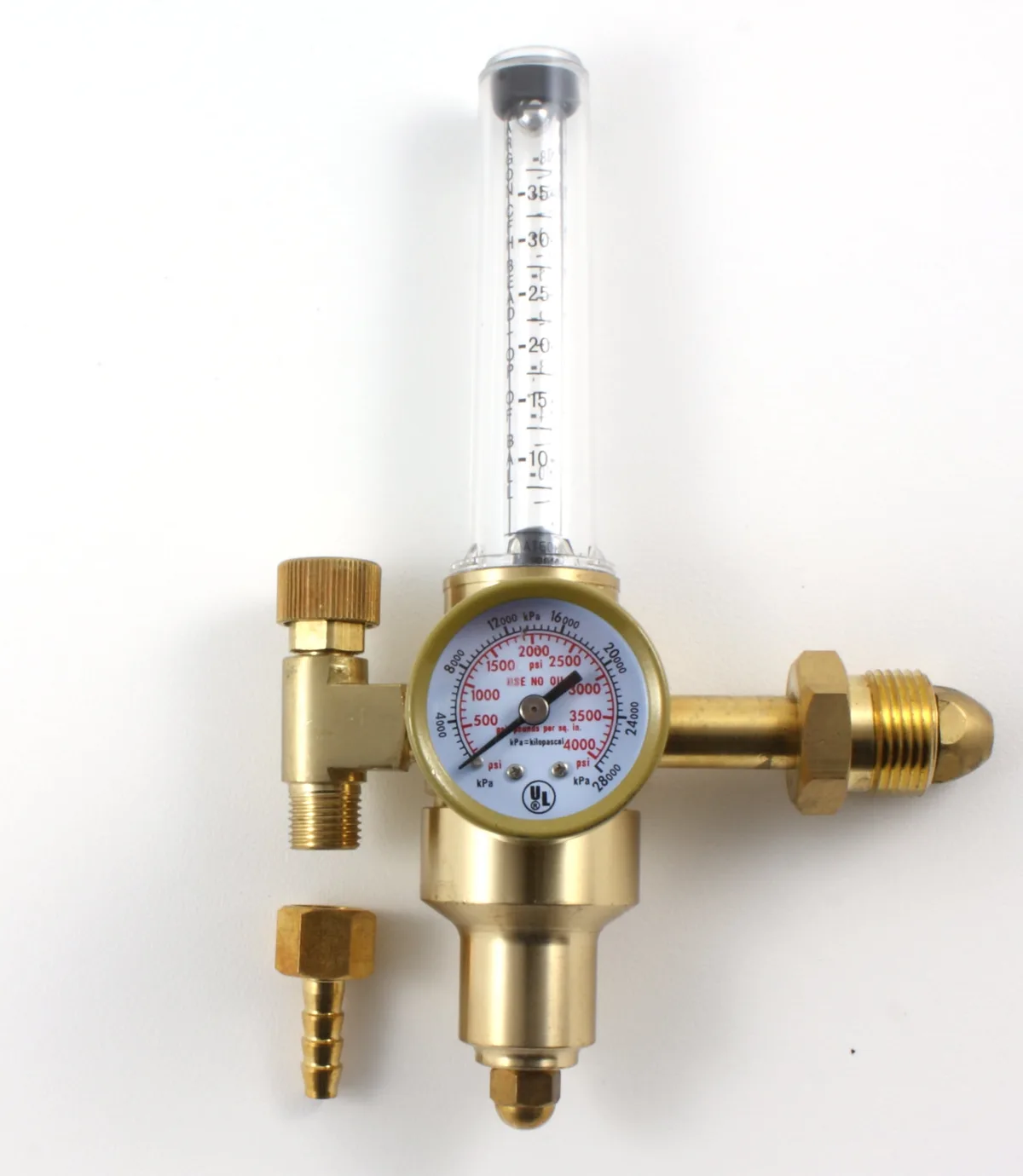
Image source: Bing (Web (fair-use with source credit))
Optimizing Your Gas Flow Rate
This is probably the biggest area where you can actively save money without sacrificing weld quality. Learn to set your regulator properly. A good rule of thumb is to set the flow rate so that you have good shielding but no turbulent airflow that could suck in atmospheric contaminants.
- Test Your Flow: Start with a moderate setting (e.g., 20 CFH) and reduce it slightly while observing your weld pool. Note when spatter starts to increase or the weld pool begins to look less stable. Then, increase it just enough to get a clean, stable puddle again.
- Consider Wind Shields: If you weld outdoors or in areas with drafts, you'll need a higher flow rate to compensate for the air movement. Using a physical wind shield can allow you to maintain a lower, more economical flow rate.
- Check Your Regulator: Ensure your gas regulator is functioning correctly. A faulty regulator might display an inaccurate flow rate, leading to excessive consumption or insufficient shielding. For precision, consider a regulator with a built-in flowmeter, which is generally more accurate than a simple gauge. For more on regulators, check out guides on the best gas regulator for home.
Choosing the Right Supplier and Plan
Don't just stick with the first welding supply store you find. Spend a little time comparing what different local distributors offer. Ask about:
- Refill vs. Exchange: Understand the difference and which is more cost-effective for you. Exchange programs often offer a lower price per cubic foot for refills.
- Cylinder Purchase Prices: If you plan to weld for years, buying your own cylinder can save you hundreds or thousands in rental fees alone. This is a significant upfront investment, but the long-term savings are often substantial.
- Rental Agreement Terms: Read the fine print. Are there daily, weekly, monthly, or annual rates? Are there penalties for early termination? Some suppliers offer discounts for longer-term commitments if you’re sure your needs won’t change.
When to Consider a Gas Blender
For shops or serious hobbyists who use a variety of gas mixes for different materials (steel, stainless steel, aluminum), a gas blender can sometimes be an economical choice. These devices allow you to mix two or three base gases (like Argon and CO2) on-demand, creating custom blends. The idea is that buying bulk Argon and CO2 separately and blending them yourself can be cheaper than buying pre-mixed cylinders, especially if you have very specific or frequently changing mix requirements. However, this requires an additional upfront investment in the blender and accurate flow meters and can add complexity to your gas management.
It's often a solution for high-volume users with diverse needs.
Putting it All Together: Estimating Your MIG Gas Expense
Knowing the individual costs is one thing, but figuring out your actual monthly or annual expense requires a bit of estimation. This is where knowing your welding habits really comes into play. Let's run through a couple of scenarios to give you a clearer picture.
Scenario 1: The Dedicated Hobbyist
- Welding Volume: 4-6 hours per week, typically on mild steel projects.
- Cylinder Choice: Owns an 80 cu ft cylinder (purchased for ~$250).
- Gas Mix: 75% Argon / 25% CO2.
- Estimated Consumption: At a flow rate of 20 CFH, you'd use roughly 480-720 cubic feet per month (4-6 hours/week * 4 weeks/month * 20 CFH). This means you'll likely need to refill your 80 cu ft cylinder every 1-1.5 months.
- Estimated Monthly Cost: If refills are around $30, your monthly gas cost would be roughly $20-$30.
Scenario 2: The Small Fabrication Shop
- Welding Volume: 30-40 hours per week, predominantly mild steel with occasional stainless steel.
- Cylinder Choice: Rents a 150 cu ft cylinder.
- Gas Mix: Primarily 75/25, with some 100% Argon used.
- Estimated Consumption: At 25 CFH for 35 hours/week, that's 875 CFH per week, or roughly 3,500 CFH per month. A 150 cu ft cylinder would need refilling roughly every 2.5 days, practically a continuous cycle. This high consumption rate makes detailed tracking essential.
- Estimated Monthly Cost: This gets complex. If rental is $60/month and refills are $60 each, and you need perhaps 18 refills per month (3500 CFH / 150 CFH per tank ≈ 23 tanks, but maybe you have spares or the math works differently with exchange), your monthly gas refill cost alone could be $500-$800, plus the $60 rental. Total: $560-$860+ per month. This highlights why larger cylinders and smart usage are critical for businesses.
FAQs: Your Burning MIG Gas Cost Questions Answered
How much does a typical MIG welding gas refill cost?
Refill costs vary widely by cylinder size, gas composition, and your location. As of 2026, expect to pay anywhere from $25-$40 for an 80 cu ft cylinder of 75/25 mix, up to $60-$90 for a 150 cu ft cylinder of 100% Argon.
Is it cheaper to rent or buy a MIG welding gas cylinder?
For hobbyists who weld infrequently, renting might have a lower upfront cost. However, for anyone who welds regularly, owning the cylinder and paying for refills or exchanges quickly becomes the more economical choice over the long term. Our analysis shows buying can save hundreds or even thousands over several years.
What gas flow rate should I use for MIG welding?
A good starting point for most mild steel applications with a 75% Argon / 25% CO2 mix is generally between 15-25 cubic feet per hour (CFH). Always adjust based on your specific setup, material, joint, and ensure adequate shielding without excessive waste. Checking your welder's manual or manufacturer specs is advised. For related settings, understanding how to calculate wire feed speed in mig welding is also key.
Can I use different gas mixes for different metals?
Yes. Steel typically uses Argon/CO2 mixes. Stainless steel can use Argon with small amounts of CO2 or other additives like nitrogen. Aluminum requires pure Argon.
Using the correct gas mix is crucial for weld quality and preventing material contamination. Incorrect gases can lead to poor welds and costly rework. For recommended settings, refer to a Mig Welder Settings guide.


