
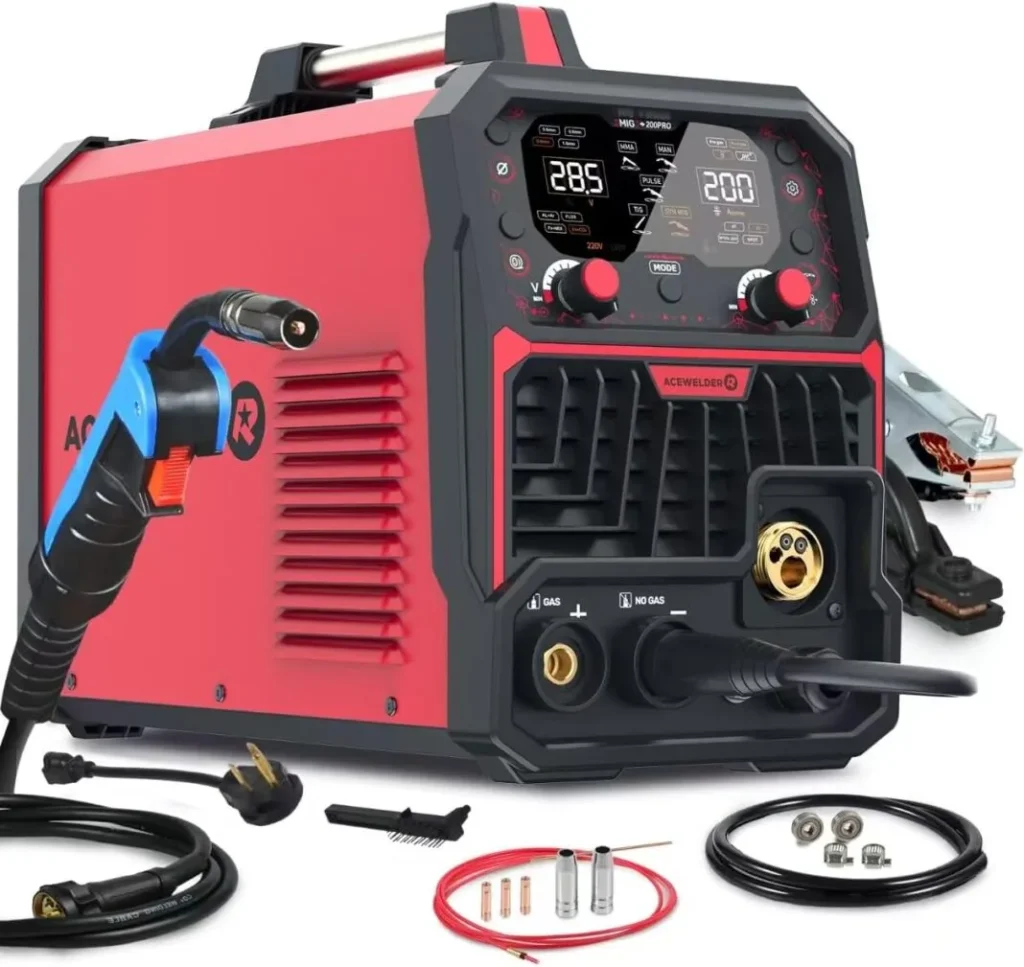
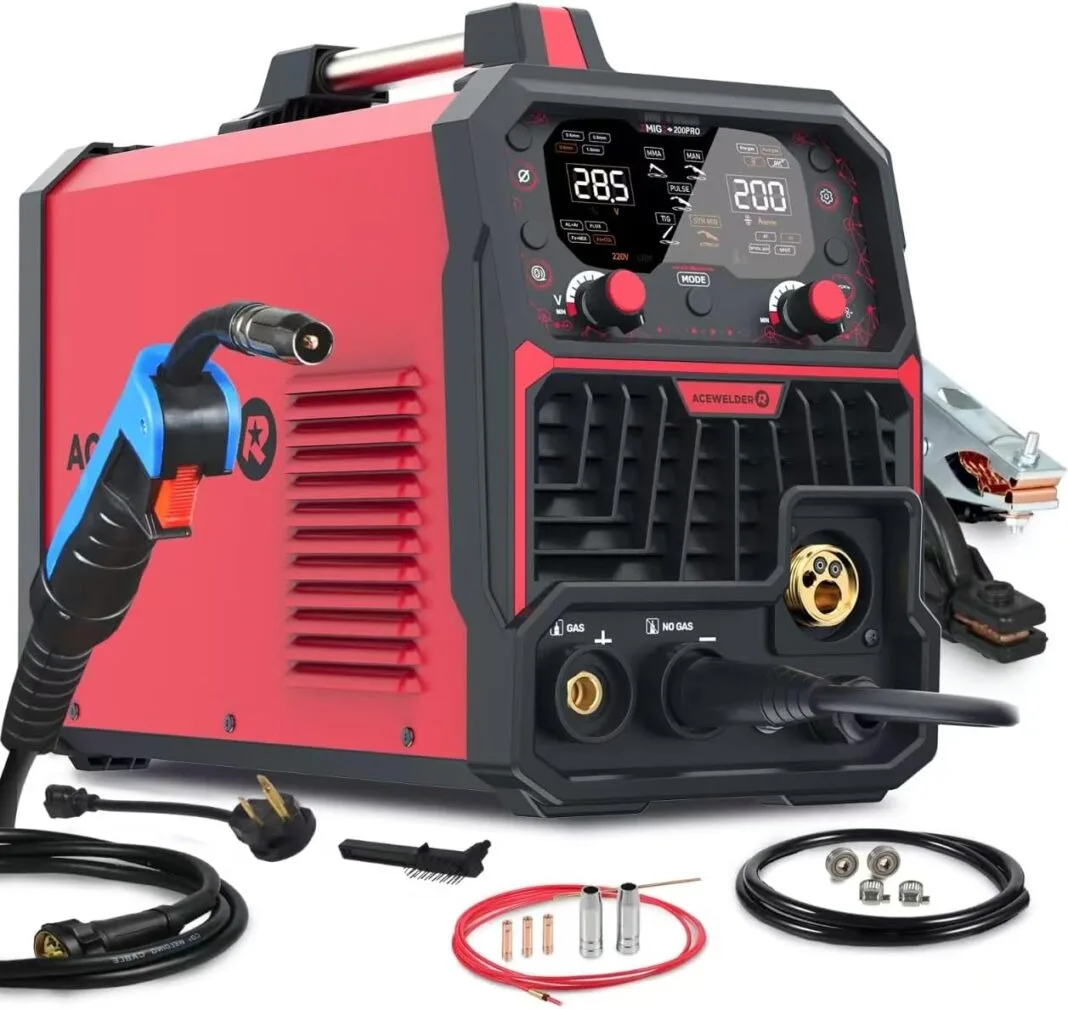
Image source: Bing (Web (fair-use with source credit))
Choosing the right shielding gas is crucial when you're MIG welding aluminum, and getting it wrong can lead to frustrating welds. If you've ever wondered "what gas for aluminium mig welding" will give you the cleanest, strongest results, you've come to the right place. It’s less about a single "best" gas and more about understanding which gas or gas mix suits your specific project.
Our research indicates that the choice often hinges on material thickness and your desired weld outcome. For instance, manufacturer specifications for popular MIG welders often highlight different gas recommendations for thin sheet aluminum versus thicker structural parts. Let's dive into the gases you'll encounter and how to pick the perfect one for your aluminum project.
Why Shielding Gas Matters (Especially for Aluminum)
Shielding gas acts as a vital protective layer around your welding arc and the molten puddle. Its main job is to displace the surrounding atmosphere, preventing harmful elements like oxygen and nitrogen from contaminating the weld. This contamination can lead to porosity (tiny holes), reduced strength, and a generally poor-quality weld.
Aluminum is particularly susceptible to atmospheric contamination because it forms an oxide layer at room temperature that has a much higher melting point than the base metal itself. If this oxide isn't managed correctly during welding, it can get trapped in the weld bead, causing significant issues. The right shielding gas helps to both prevent further oxidation and, in some cases, assist in removing existing oxide.
The Main Players: What Gases Should You Consider?
When it comes to MIG welding aluminum, the conversation primarily revolves around pure argon and mixtures containing helium. These gases have distinct properties that affect the arc, heat transfer, and the overall welding process. Understanding their differences is key to making an informed choice.
Pure Argon (100% Ar)
Pure argon is the most common and often the default choice for many MIG welding applications, including aluminum. It's a noble gas, meaning it's chemically inert and doesn't readily react with anything, which is exactly what you want in a shielding gas.
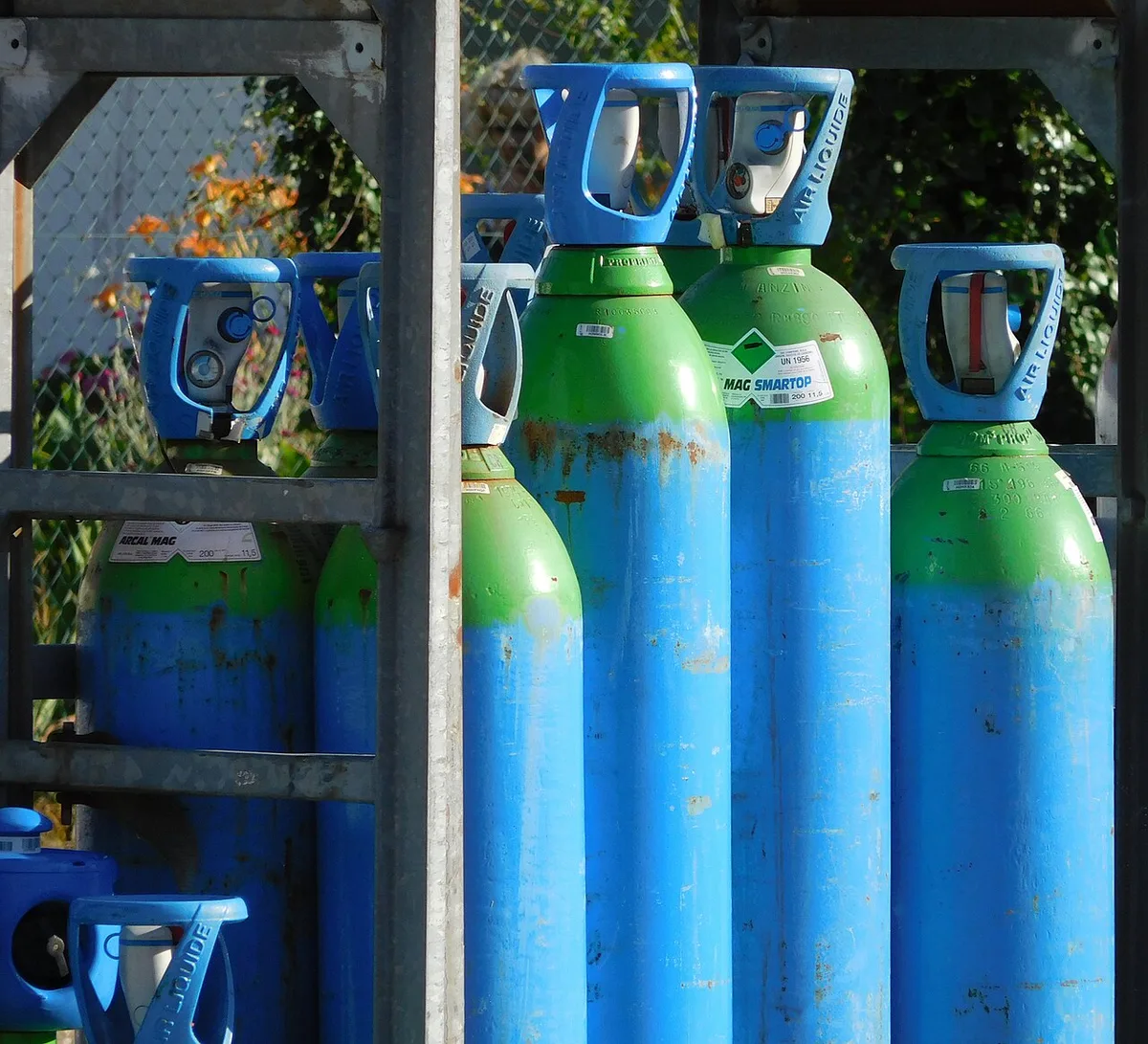
Image source: Wikimedia Commons / Cjp24 (CC BY-SA)
What it's Good For
Our research shows 100% argon provides an exceptionally stable arc, which is a huge benefit, especially for those newer to welding aluminum. This stability translates to a more controlled puddle and less splatter. It also offers excellent cleaning action on the molten aluminum, helping to break up and evacuate the aluminum oxide layer. This makes 100% argon a forgiving and effective choice for thinner aluminum materials, where precise heat control is paramount to avoid burn-through.
Where it Might Fall Short
For thicker aluminum sections, like those found in automotive frames or heavy gauge structural components, 100% argon might not deliver enough heat. You might find yourself needing to increase your voltage and wire feed speed considerably, and even then, achieving adequate penetration can be a challenge. This can lead to welds that look okay on the surface but lack the necessary fusion and strength.
Argon/Helium Mixtures (e.g., 75% Ar / 25% He, 90% Ar / 10% He)
Adding helium to argon significantly increases the arc's heat output. Helium is a much better conductor of heat than argon, and this property is leveraged to achieve different welding characteristics.
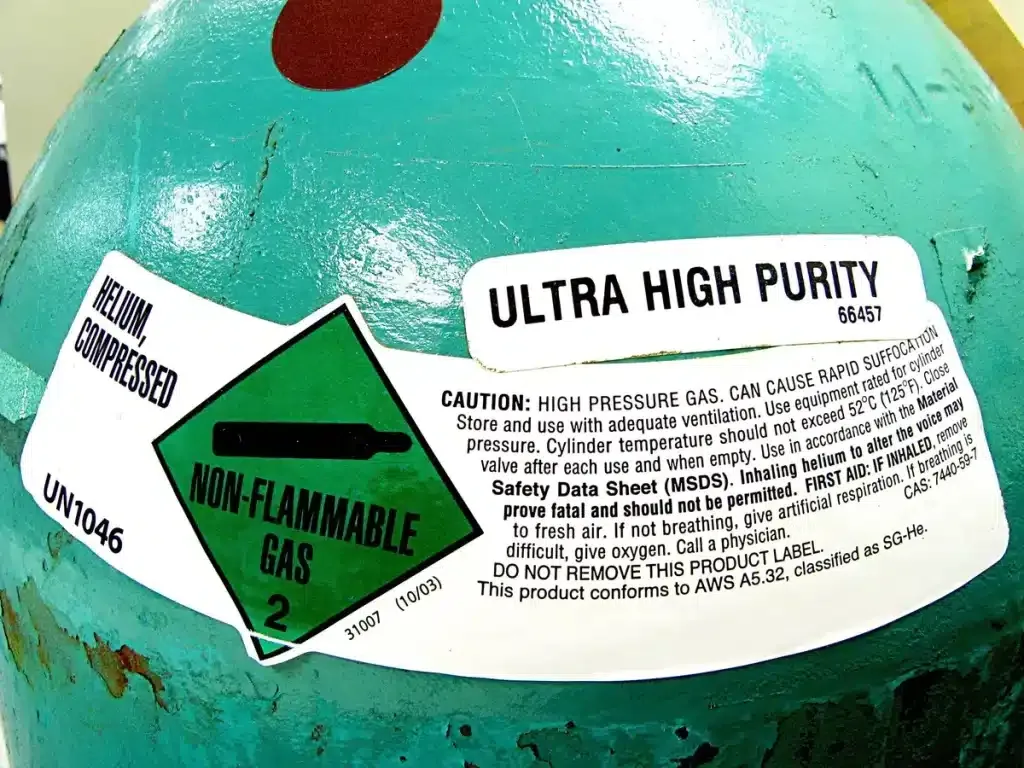
Image source: Bing (Web (fair-use with source credit))
What it's Good For
Heated argon mixes are your go-to when you need more power. They generate a hotter arc, which means deeper penetration into the base metal. This is invaluable when welding thicker aluminum (typically anything over 1/8 inch or 3 mm) because it ensures a strong, fused joint. Moreover, the increased heat allows for faster travel speeds across your weld joint, boosting productivity.
Many welders also find these mixes result in a more fluid puddle that lies flatter and looks smoother, which can be aesthetically preferable. For out-of-position welding, like vertical-up or overhead, the hotter arc can help the puddle freeze faster, reducing the risk of sag.
Where it Might Fall Short
The main drawback to argon/helium mixtures is cost; helium is more expensive than argon, so these blends will increase your operational expenses. Additionally, while argon has some cleaning action, helium does not. This means you absolutely must ensure your aluminum is impeccably clean before welding with an argon/helium mix to avoid incorporating contaminants into the weld. The hotter, more fluid puddle can also be less forgiving for novice welders, potentially leading to burn-through on thinner materials if settings aren't carefully managed, similar to a situation where you might need to calculate wire feed speed in MIG welding accurately.
Making Your Choice: It Depends!
Selecting the right shielding gas isn't a one-size-fits-all situation. It's about matching the gas to the job at hand. Think of it like choosing the right tool for a specific task; a hammer works for nails, but you wouldn't use it to tighten a screw.
Thickness of the Aluminum
This is perhaps the most critical factor. For thinner aluminum, say, under 1/8 inch (3 mm), pure argon generally provides the control you need. Its stable arc and good cleaning action are ideal for preventing burn-through on delicate materials.
When you step up to thicker aluminum, like 1/4 inch (6 mm) or more, the additional heat from an argon/helium mix becomes very beneficial. It ensures you get full penetration, creating a sound and robust weld. Aggregated user feedback reports that trying to weld thick aluminum with only pure argon often results in shallow, weak welds.
Your Equipment
The power output and specific capabilities of your MIG welder play a role. Lower-amperage machines, often found in budget-friendly or entry-level models, may struggle to generate enough heat with pure argon on thicker aluminum. In such cases, an argon/helium mix might be necessary to compensate. Conversely, high-output machines might be able to achieve sufficient heat with pure argon even on moderately thick materials, but they also benefit from the broader heat control an argon mix offers.
For guidance on typical settings, consulting a welding chart MIG wire or a MIG welder settings guide can be helpful.
Your Skill Level
If you're new to welding aluminum, starting with 100% argon is highly recommended. Its arc stability and less aggressive heat are much more forgiving, allowing you to focus on developing your technique and torch angle without the puddle running away from you. As you gain experience, mastering the fluidity and heat management required for argon/helium mixes becomes more manageable.
Your Budget
There's no getting around it: adding helium to your shielding gas increases the cost. Helium is a more expensive gas than argon. If you're on a tight budget and primarily working with thinner aluminum, pure argon is unequivocally the more economical choice and will still yield excellent results when used correctly. If the project demands the enhanced heat input for thicker materials, the slight increase in gas cost is often a necessary investment for weld integrity.
Image source: Wikimedia Commons / Jason Hollinger (CC BY)


