
Image source: Bing (Web (fair-use with source credit))
When you're MIG welding steel, changing your shielding gas mix can feel like a mystery, especially when it comes to carbon dioxide (CO2). Thinking about when mig welding steel what does carbon dioxide increase the weld characteristics is key to getting the results you want. Too much can cause problems, but the right amount can make your welds deeper and stronger.
Our research, alongside manufacturer specifications, confirms that increasing CO2 in your Argon mix for steel MIG welding leads to more active gas behavior. This directly influences arc stability, penetration depth, and spatter production. According to common industry practice and various welder manuals, for mild steel MIG welding, gas mixes typically range from 75% Argon / 25% CO2 up to 100% CO2.
Quick Answer: What Increased CO2 Does in MIG Steel Welding
Simply put, increasing the percentage of carbon dioxide (CO2) in your MIG welding gas mix for steel typically results in a more forceful and hotter arc. This translates to deeper penetration into the base metal and often a wider weld puddle. However, it also tends to increase the amount of spatter, which means more cleanup time afterward.
Core Explanation: How CO2 Affects Your MIG Arc on Steel
MIG welding uses a shielding gas to protect the molten weld pool from atmospheric contamination, like oxygen and nitrogen, which can weaken the final weld. For welding steel, common shielding gases are Argon-based mixes with varying amounts of CO2, or straight CO2. The key difference between Argon and CO2 lies in their electrical properties and how they interact with the arc and the molten metal.
The "Why" Behind CO2's Active Role
Argon is a relatively inert gas, providing a stable arc and good puddle control. Carbon dioxide, on the other hand, is an "active" gas. This means it actually participates in the welding process by breaking down and reacting with the molten metal and the arc. Per research in welding metallurgy, this reactivity helps to clean the surface of the base metal and can increase the overall energy transfer from the welding arc to the workpiece.
This added energy is what drives deeper penetration and a more fluid weld puddle.
Key Effects on the Weld Puddle and Bead
When you increase CO2, you're essentially making the shielding gas more aggressive. This often leads to:
- Increased Arc Force: The arc becomes more concentrated and "digs" deeper.
- Deeper Weld Penetration: The molten metal sinks further into the base material.
- Wider Weld Puddle: The puddle spreads out more, making it easier to fill gaps.
- Higher Spatter Levels: More molten metal droplets can be ejected from the arc.
- Appearance Changes: The weld bead might have a rougher texture and more pronounced ripples.
This relationship between gas composition and weld outcome is a fundamental aspect of fine-tuning MIG welding settings. You can find more on general MIG welder settings and how they interact with gas on our site.
Key Advantages of Higher CO2 Gas Mixes
Using a gas mix with a higher percentage of CO2, or even straight CO2, brings several distinct advantages, particularly when you're working with certain types of steel and applications. These benefits often center around achieving robust and efficient welds.
Deeper Penetration for Stronger Welds
One of the primary reasons welders opt for higher CO2 mixes on steel is the enhanced penetration. The active nature of CO2 results in a hotter, more focused arc that readily melts the base metal more deeply. This is crucial when you need to ensure a strong, complete fusion between two pieces of metal, especially on thicker materials. Deeper penetration means a stronger joint, reducing the likelihood of weld failure under stress.
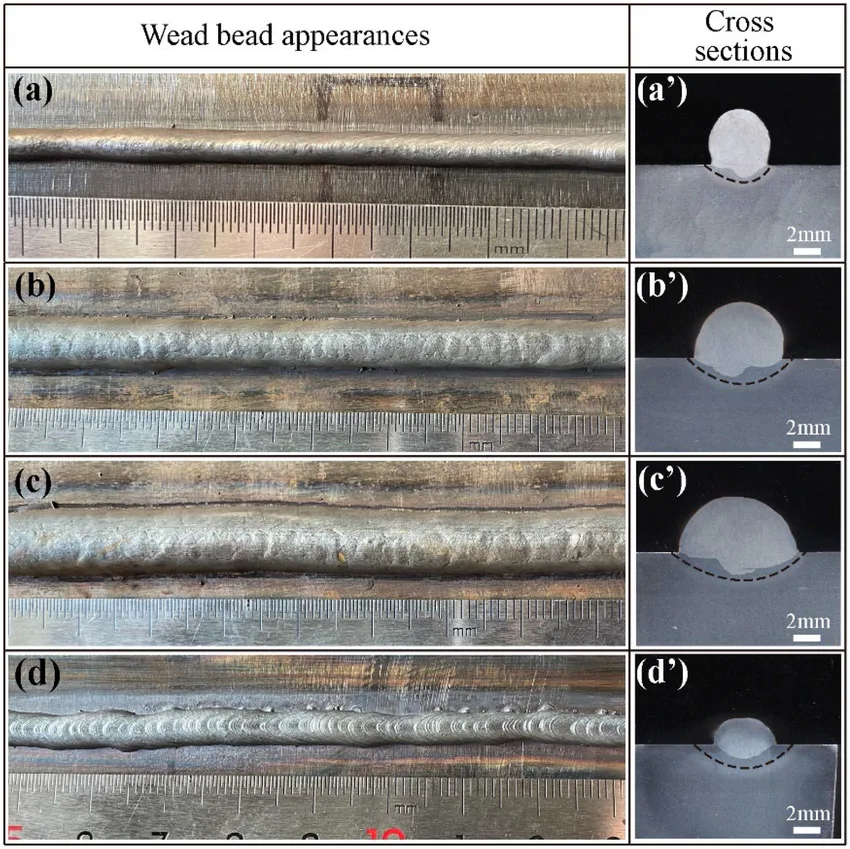
Image source: Bing (Web (fair-use with source credit))
For example, when welding steel that is 1/4-inch thick or more, a 75/25 Argon/CO2 mix or even 100% CO2 can help you achieve full penetration in a single pass, which is often not possible with purely inert gases like Argon. This efficiency not only saves time but also reduces heat input overall, minimizing potential distortion.
Wider Puddles for Easier Gap Filling
Beyond just depth, the increased arc force associated with higher CO2 levels tends to create a wider, more fluid weld puddle. This wider puddle is more forgiving when dealing with irregular joints or gaps between the pieces you're welding. It can spread out and bridge larger openings more effectively than a narrower, more constricted puddle.
This characteristic makes higher CO2 mixes beneficial for general fabrication where joint fit-up might not be perfect. It allows the molten metal to flow more easily, creating a flatter bead profile that can sometimes be desirable for cosmetic reasons or ease of subsequent finishing.
Common Drawbacks of Too Much CO2
While higher CO2 offers advantages, it's not a magic bullet for every situation. The very characteristics that make it beneficial in some cases can become significant drawbacks in others, often leading to increased effort in post-weld cleanup and potential damage to thinner materials.
The Spatter Situation: More Cleanup Needed
Perhaps the most common complaint when using higher CO2 levels is the increased amount of spatter. The energetic, active arc liberates more molten metal droplets that fly off the weld pool. This isn't just unsightly; it means you'll spend more time using an angle grinder, wire brush, or chipping hammer to remove these metal particles from your workpiece and surrounding areas.
Image source: Bing (Web (fair-use with source credit))
Aggregate user feedback consistently reports that a 75/25 Argon/CO2 mix produces less spatter than 100% CO2. While some spatter is controllable with fine-tuning of voltage and wire feed speed, a significant increase in CO2 inherently raises this issue. This is a key consideration for projects where finish is paramount or when working in confined spaces where cleanup is difficult. For context on related settings, you might find our guide on how to calculate wire feed speed in MIG welding helpful.
Risks on Thinner Materials
The increased heat and force generated by higher CO2 gas mixes can be detrimental when welding thin materials, such as sheet metal. Instead of neatly fusing two pieces, the aggressive arc can easily burn clean through the material, creating holes and ruining the workpiece. Steel that is 1/8-inch thick or less is particularly vulnerable.
Manufacturer specifications for common MIG welding machines often advise against using 100% CO2 on materials thinner than about 1/8 inch, suggesting a switch to a lower CO2 mix, like 75/25 Argon/CO2, or even a tri-mix gas with less CO2. This ensures enough heat for fusion without causing catastrophic burn-through. If you're working on automotive body panels, for instance, precision and a controlled heat input are critical, making lower CO2 mixes the standard choice. You can learn more about how to MIG weld auto body panels.
When to Dial Up the CO2: Specific Use Cases
There are defined scenarios where increasing the CO2 in your MIG welding gas is not just beneficial, but often the preferred choice for achieving optimal results. These situations primarily revolve around material thickness and the fundamental need for strong, efficient welds.
Welding Thick Steel Sections
This is where higher CO2 shines. When you're tackling steel that's 1/4-inch, 3/8-inch, or even thicker, the deep penetrating arc provided by mixes like 75/25 Argon/CO2 or 100% CO2 becomes invaluable. Manufacturer documentation commonly recommends these mixes to ensure full fusion. Solid penetration is critical for structural integrity, preventing cracks or failures under load.
For structural steel fabrication or repairs on heavy equipment, achieving this depth in one or two passes saves significant time and effort compared to multiple stringer beads required with less penetrating gases. The wider puddle also helps in filling the thicker joint configurations often found in these applications.
Cost-Effective Fabrication
Beyond performance, the economic factor often drives the decision towards higher CO2 content. Straight CO2 gas is generally less expensive than Argon or Argon-rich mixes. For high-volume welding operations where cost per pound of weld metal is a major consideration, using 100% CO2 can lead to substantial savings.
This is especially true in general fabrication shops or manufacturing environments performing repetitive welding tasks on mild steel. As of 2026, the cost difference between pure CO2 and premium gas blends remains a significant incentive for many businesses. Provided the increased spatter and potential for a less aesthetically perfect bead are manageable through post-weld processes, the upfront cost savings can be considerable.
When to Dial Down the CO2: Alternative Scenarios
Conversely, there are many situations where reducing the amount of CO2 in your MIG welding gas is not just preferable, but essential for obtaining satisfactory results. These scenarios typically involve finer work, where control and appearance are more critical, or when dealing with materials that are easily compromised by excessive heat.
Working with Sheet Metal and Thin Steel
As mentioned earlier, thin materials are highly susceptible to burn-through when using gas mixes with high CO2 content. For steel sections that are 1/8-inch thick or less, a switch to a gentler gas is mandatory. A common recommendation is to use a mix like 90% Argon / 10% CO2, or even a tri-mix gas that contains even less CO2.
This is particularly true in automotive repair, appliance fabrication, or any application where the base metal is delicate. The less aggressive arc from these mixes provides a more controlled melt, allowing the welder to fuse the metals without puncturing the workpiece. Precision and a controlled heat input are critical here, making lower CO2 mixes the standard choice. You can learn more about how to MIG weld auto body panels.
Prioritizing Weld Appearance
If the visual finish of your weld is a primary concern, you'll generally want to reduce the CO2 content in your shielding gas. Higher CO2 mixes tend to produce a rougher, more textured weld bead with a characteristic "mushrooming" effect where the edge of the bead seems to flare out. This can also increase undercut, which is a groove melted into the base metal next to the weld.
For projects where the weld will be visible and aesthetics matter, a lower CO2 mix, such as 75/25 Argon/CO2 or even 90/10, offers a smoother, flatter bead with less spatter. This results in a cleaner look and requires less post-weld grinding and finishing. Many fine fabrication or custom metalwork projects demand this smoother appearance.
Choosing the Right Gas Mix: A Decision Guide
Deciding on the right shielding gas mix for MIG welding steel boils down to matching the gas properties to your specific welding task. It’s not a one-size-fits-all situation, and understanding the role of each component, primarily Argon and CO2, is crucial for success. Think of it as selecting the right tool for the job; the wrong gas can lead to poor weld quality, frustration, and wasted time.
Understanding Gas Mix Components (Argon vs. CO2)
At their core, shielding gases create an inert atmosphere around the weld pool, preventing atmospheric contaminants from degrading the weld metal. Argon is the workhorse for many welding processes because it's inert and provides a stable, predictable arc. It offers good penetration but doesn't react significantly with the molten steel. CO2, however, is an active gas.
When it's part of the shielding mix, it reacts with the arc and the molten metal, leading to a hotter, more energetic arc. This reactivity is what drives deeper penetration but also contributes to increased spatter and a less refined bead appearance.
Typical Gas Mixes and Their Roles
The most common shielding gases for MIG welding steel fall into a few categories. A pure Argon mix is generally too inert for effective steel welding, offering poor penetration.
- 75% Argon / 25% CO2: This is a very popular all-around mix for mild steel. It provides a good balance of penetration, arc stability, and a manageable amount of spatter. It's versatile enough for many applications, from fabricating general equipment to repairing machinery.
- 90% Argon / 10% CO2: With less CO2, this mix offers a softer arc, lower spatter, and a smoother weld bead appearance. It's excellent for welding thinner materials where burn-through is a concern, or when cosmetic finish is a priority.
- 100% CO2: This is the most active mix. It provides the deepest penetration and an energetic arc, making it ideal for very thick steel. However, it generates the most spatter and can be less tolerant of contaminants on the base metal.
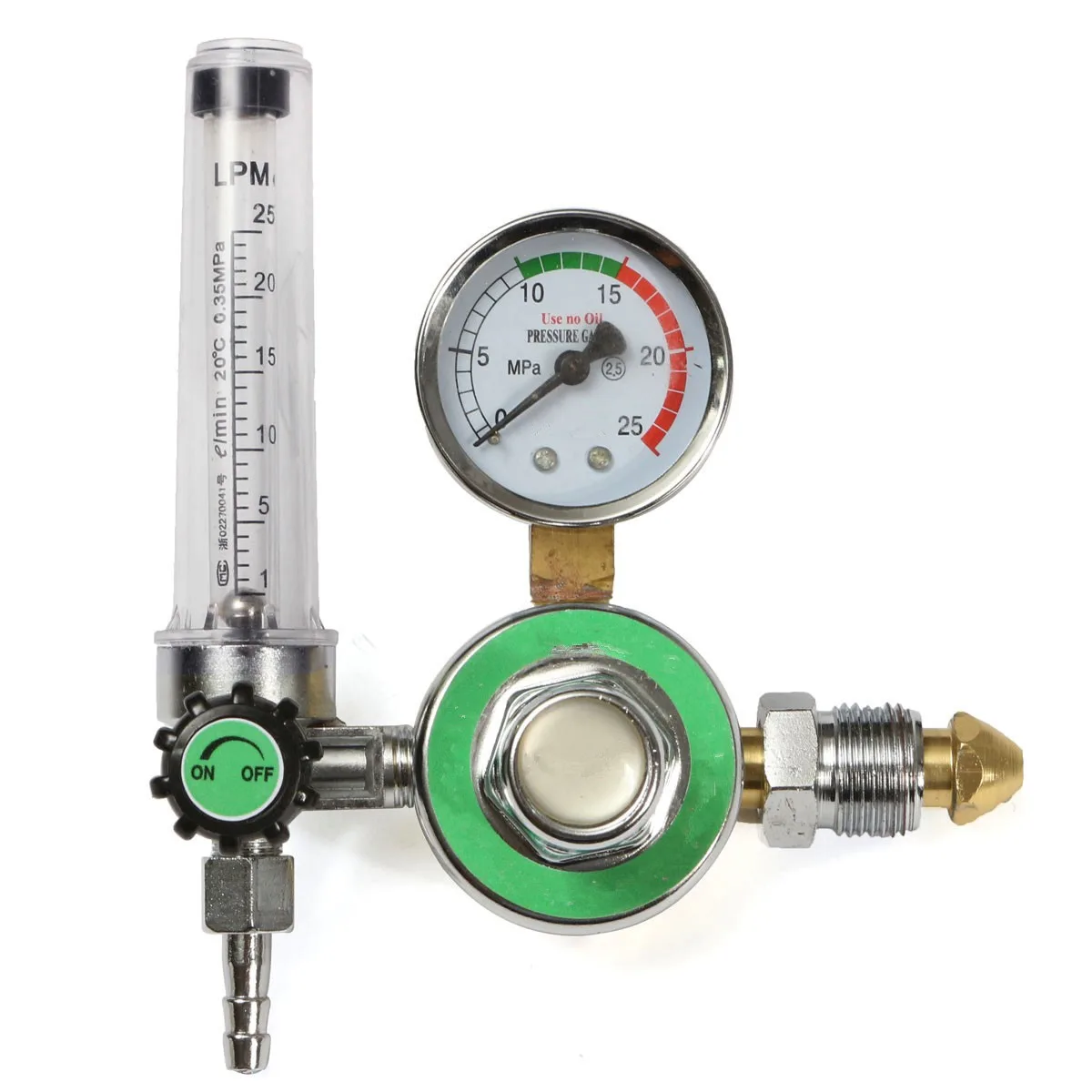
Image source: Bing (Web (fair-use with source credit))
Matching Gas to Steel Thickness and Application
When deciding, always consider your material thickness first. For steel under 1/8 inch, lean towards lower CO2 mixes (90/10 or perhaps 75/25 if you're careful). For steel between 1/8 and 1/4 inch, a 75/25 mix is often a sweet spot. For steel thicker than 1/4 inch, you can confidently move to higher CO2 concentrations, potentially even 100% CO2, to achieve the desired deep penetration.
Beyond thickness, consider your priorities: if you need to minimize cleanup and maximize appearance, less CO2; if you need maximum depth and are on a budget, more CO2.
Mistakes to Avoid with CO2 in MIG
When you're MIG welding steel and adjusting shielding gas, using the wrong gas mix for the job is a classic mistake. For example, trying to MIG weld thin sheet metal with 100% CO2 will almost certainly result in burn-through. Conversely, using a very inert gas like pure Argon on thick structural steel might lead to insufficient penetration, resulting in a weak weld.
Another common error is failing to adjust other welding parameters when changing gas composition. As we've discussed, CO2 is an active gas that influences the arc differently than Argon. If you switch to a higher CO2 mix for deeper penetration, you'll likely need to increase your voltage slightly to match the arc energy. Not doing so can result in a "digging" arc that's hard to control or, conversely, a lack of penetration even with the higher CO2.
For more on parameter adjustments, check our guide on welding settings for stick welding, as many principles of adjusting for material and process apply.
Using the Wrong Flow Rate
Simply setting your gas flow and forgetting it is a frequent oversight. Incorrect gas flow rates can significantly compromise your weld quality, regardless of the gas mix. If the flow rate is too low, the shielding gas simply won't create a large enough bubble to protect the molten puddle from atmospheric contamination. This often leads to porosity (tiny gas pockets) or inclusions in your weld.
On the other hand, a flow rate that's too high can cause turbulence within the shielding gas bubble. This turbulence can actually draw in atmospheric oxygen and nitrogen, leading to similar defects like porosity and poor weld strength. For Argon/CO2 mixes on steel, typical flow rates range from 20 to 25 cubic feet per hour (CFH), but this can vary based on ambient conditions and the specific torch setup. Always refer to your welder's manual for recommended flow rates based on your gas type and application.
Expert Tips for Optimizing CO2 Settings
Fine-tuning your MIG welding setup, especially when you're manipulating the CO2 content in your shielding gas, is where you really start to elevate your weld quality. One of the most effective expert tips is to approach parameter changes systematically. When you decide to increase CO2 for deeper penetration on thicker steel, make incremental adjustments. For example, increase your voltage by about half a volt to a full volt at a time, while keeping your wire feed speed constant.
Then, observe the weld puddle and the resulting bead.
If you notice an increase in spatter, you might need to adjust your wire feed speed slightly down, or consider a different brand of welding wire known for producing less spatter. Conversely, if you're reducing CO2 for thinner materials to avoid burn-through, lowering both voltage and wire feed speed is usually necessary. Another crucial tip is to always ensure your gas nozzle is clean and free of spatter, as buildup can disrupt gas flow and lead to shielding issues. For further insights, don't overlook the detailed settings charts available, such as the AWS welding chart, which often provide starting points for various gas mixes and material thicknesses.
Does CO2 Affect Weld Strength?
Yes, the amount of carbon dioxide in your shielding gas mix can indirectly affect the strength and ductility of your steel welds. While CO2 provides deeper penetration, which can lead to a stronger joint if done correctly, its active nature can also lead to changes in the weld metal's microstructure. Higher CO2 levels can increase the carbon content in the weld pool. This can sometimes lead to a harder, more brittle weld if not managed properly, especially if the base material also has higher carbon content.
According to welding metallurgy research, welding with higher CO2 often leads to a finer grain structure in the weld metal, which can increase tensile strength. However, this increased hardness can come at the expense of ductility, meaning the weld might be more prone to cracking under impact or severe bending. For critical structural applications where both strength and toughness are paramount, the specific gas mix, along with the welding procedure, needs careful consideration. A balanced mix like 75/25 Argon/CO2 is often preferred over 100% CO2 for applications requiring good ductility alongside adequate strength.
Can I Use 100% CO2 for All Steel?
No, you definitely cannot use 100% CO2 for all steel welding applications. As we've covered, 100% CO2 provides deep penetration and is cost-effective for thick mild steel, but it has significant drawbacks. It generates a lot of spatter, which requires extra cleanup. More importantly, the aggressive arc and high heat input make it unsuitable for welding thin materials, as it will very likely cause burn-through.
Furthermore, the increased carbon pickup from 100% CO2 can make welds more brittle, which is undesirable for applications requiring significant toughness or resistance to impact. For welding stainless steel, for example, 100% CO2 is generally not used because it can lead to carbide precipitation and negatively affect corrosion resistance. Even for mild steel, if the weld finish is critical or if the material is thin, a lower CO2 mix or a different shielding gas altogether is a much better choice. For specialized steels, consult specific welding procedure specifications.
How to Protect the Weld Puddle
Protecting the weld puddle from the atmosphere is the primary purpose of shielding gas in MIG welding. When you increase CO2 in your mix, you're changing how that protection is offered. The gas flows through the welding gun's nozzle and creates a bubble around the arc and the molten metal. This bubble displaces the surrounding air, which contains oxygen and nitrogen that would otherwise react with the molten steel, causing defects like porosity and embrittlement.
The CO2's active nature helps to chemically clean the weld pool surface, facilitating better fusion. However, if the shielding gas flow is too high or turbulent, this protective bubble can be disrupted, allowing atmospheric gases to contaminate the weld. Conversely, if the flow is too low, the bubble might not be large enough to fully envelop the puddle. The correct gas flow rate, combined with an appropriate gas mix (like one with the right amount of CO2 for your specific steel thickness and application), is essential for a sound weld.


