
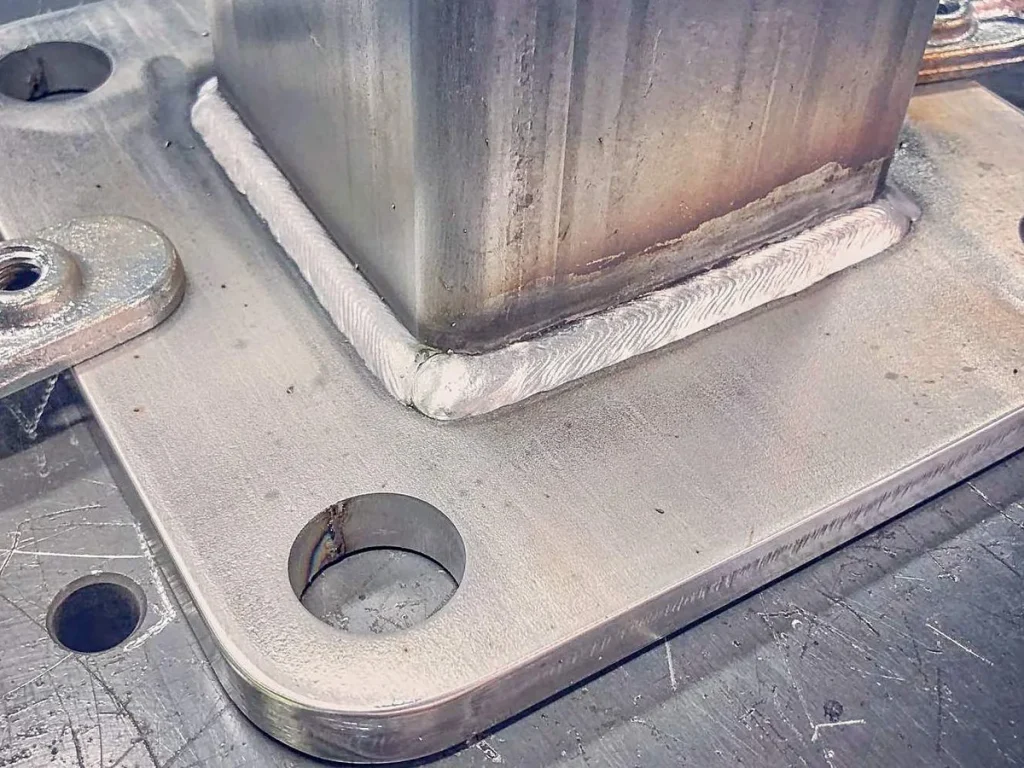
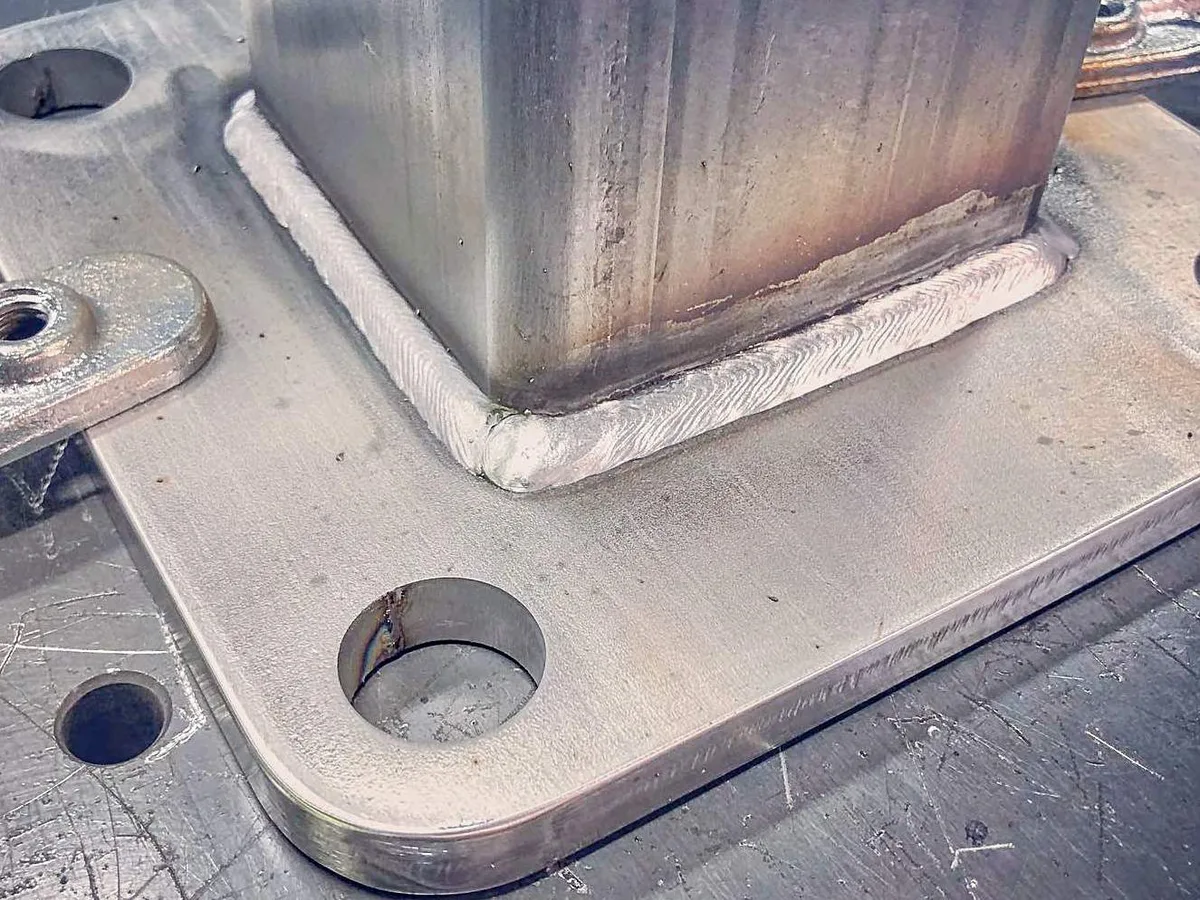
Image source: Bing (Web (fair-use with source credit))
So, you're staring at a stainless steel project and wondering if you can just grab your regular MIG wire and get to it. The honest truth is, while you might be able to physically fuse pieces together, the results of welding stainless steel with normal mild steel MIG wire are often disappointing and can lead to bigger problems down the road.
Manufacturer specifications for common mild steel MIG wire, like ER70S-6, clearly state it's formulated for welding carbon steels, not stainless alloys. Trying to cut corners here can compromise the very properties that make stainless steel desirable in the first place. Let's dive into why this is and what you really need to do.
The Real Deal: Why Stainless Steel Needs Special Care
It's not just about looks; stainless steel's unique composition demands specific approaches to welding that differ significantly from working with mild steel. Understanding this foundation is key to avoiding common pitfalls and ensuring your project is both functional and durable.
What Makes Stainless Steel Different?
Stainless steel isn't just a shinier version of regular steel. Its defining characteristic is a minimum of 10.5% chromium content, which forms a passive oxide layer on the surface. This layer is what provides its excellent corrosion resistance. Many stainless alloys also incorporate nickel, molybdenum, and other elements to enhance specific properties like heat resistance or increased toughness.
These added elements, however, change how the metal behaves when exposed to high heat, like that from a welding arc. They can make the steel more susceptible to certain types of damage or reduce its inherent protective qualities if not handled correctly during the welding process.
What's So Special About Stainless MIG Wire?
The filler wire you use in MIG welding is essentially adding material to your joint, becoming a permanent part of the weld. For stainless steel, this means the filler wire needs to have a composition that complements the base metal. Stainless steel MIG wires, like those classified under AWS standards as ER308, ER316, or ER309, are specifically formulated with chromium and nickel content that closely matches their stainless steel counterparts.
This precise chemical formulation is critical for several reasons. It ensures the solidified weld metal retains the stainless steel's signature corrosion resistance, maintains similar mechanical strength, and helps prevent defects like hot cracking during cooling. Using the correct wire is not just about aesthetics; it's about the integrity and longevity of the weld itself.
When "Normal" Wire Might Seem Okay (and Why It's Risky)
You might be tempted to use your standard mild steel MIG wire, like ER70S-6, because it's readily available and you're already set up for it. On the surface, you can often get the metal to melt and stick together. Aggregate user reviews report that for very basic, non-critical applications where appearance and long-term corrosion resistance aren't priorities, a mild steel wire might hold a joint.
However, manufacturer specifications clearly state that ER70S-6 and similar wires are intended for welding carbon steels. When you apply them to stainless steel, you're introducing a different alloy composition into the weld zone. This mismatch is where the real trouble begins, compromising the very reasons you chose stainless steel in the first place.
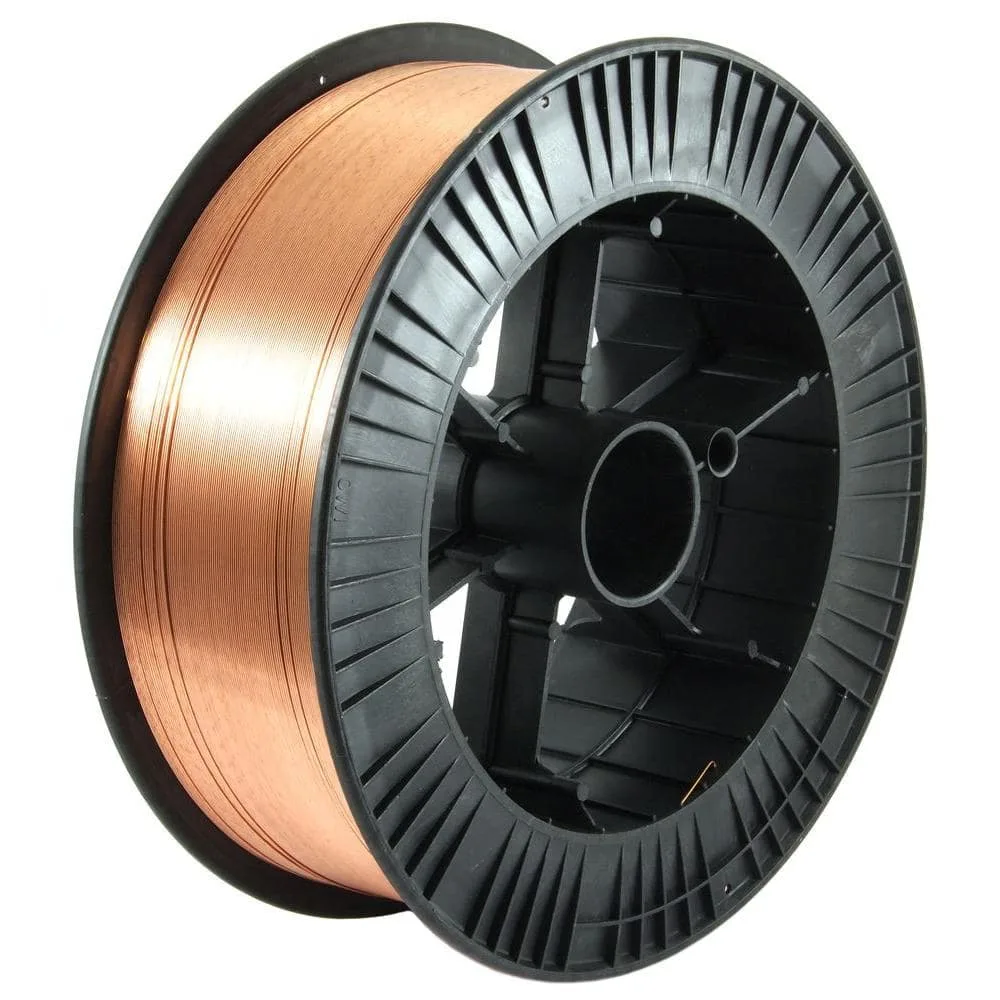
Image source: Bing (Web (fair-use with source credit))
What Happens When You Use Mild Steel Wire on Stainless?
When you weld stainless steel with mild steel wire, you're essentially diluting the beneficial chromium and nickel content in the weld puddle. The resulting weld deposit will have a significantly lower chromium level compared to the base metal. This means the protective passive oxide layer, which is crucial for preventing rust and corrosion, won't form effectively in the weld area.
Essentially, you're creating a weak point in your project. Even if the weld looks okay initially, it becomes much more vulnerable to rust, pitting, and other forms of corrosion, especially in moist or chemically active environments.
The Big Risks: Weak Welds and Rust Where You Don't Want It
The primary risk is compromised corrosion resistance. For many applications, stainless steel is chosen specifically for its ability to withstand corrosive elements, whether it’s outdoor exposure, food acids, or saltwater. Using mild steel filler erodes this benefit, making the weld prone to failure through degradation.
Beyond corrosion, the mechanical properties of the weld may also be inferior. While mild steel wire provides good strength for carbon steels, it may not offer the same structural integrity or ductility when bonded to a stainless steel substrate, potentially leading to unexpected breaks or cracks under stress. As of 2026, industry standards still emphasize matching filler metal to base metal for optimal performance.
The Right Way: Choosing the Correct Stainless Steel MIG Wire
To weld stainless steel properly and achieve a durable, corrosion-resistant joint, you need to use filler wire specifically designed for stainless alloys. These wires are formulated to match the chemical makeup and mechanical properties of the base metal, ensuring the weld integrates seamlessly.
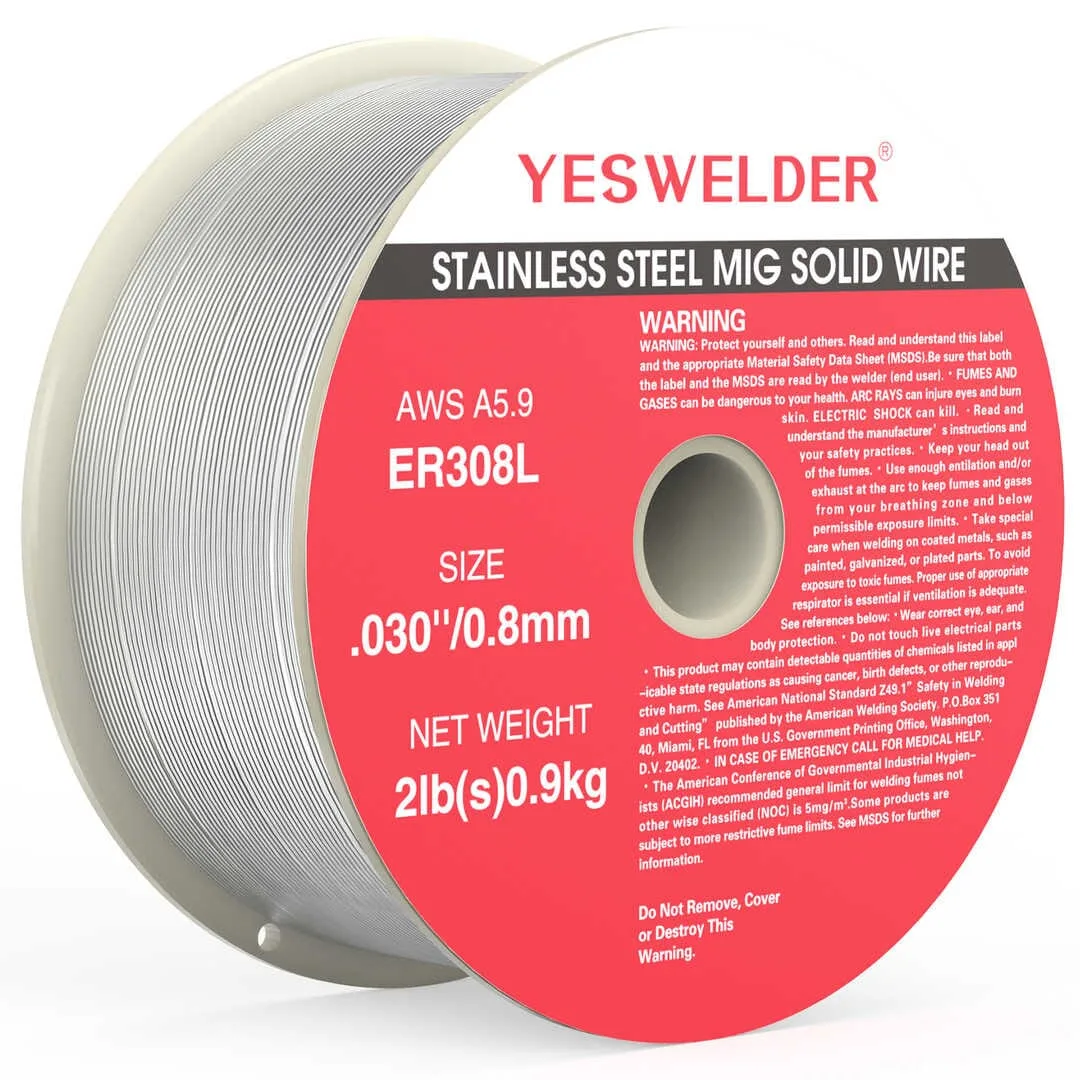
Image source: Bing (Web (fair-use with source credit))
Common Stainless Steel Wire Types (ER308, ER316, etc.)
A range of stainless steel MIG wires exists, each suited for different types and applications of stainless steel. Here are some of the most common:
- ER308/ER308L: This is the workhorse for many common stainless steels, especially 304 and 304L. The "L" designation stands for low carbon, which is important for preventing carbide precipitation, a hardening and embrittlement issue that can occur in the heat-affected zone of certain stainless steels.
- ER316/ER316L: Preferred for welding 316 and 316L stainless steels. These alloys contain molybdenum, which significantly boosts their resistance to pitting and crevice corrosion, particularly in environments with chlorides (like saltwater or chemical plants). Using ER316 wire is crucial to maintain this enhanced protection.
- ER309/ER309L: This wire is typically used for welding dissimilar metals, specifically stainless steel to carbon steel or low-alloy steel. It acts as a transition material, bridging the gap in composition and properties between the two types of metal.
AWS classifications, such as those found on the AWS Welding Chart, are essential for identifying the correct filler metal for your specific stainless steel grade.
Matching Wire to Your Stainless Steel Type
Selecting the right wire directly depends on the type of stainless steel you’re working with. It's not a one-size-fits-all situation. Always try to identify the specific grade of stainless steel (e.g., 304, 316, 410).
- If you have 304 or 304L stainless steel, reach for ER308 or ER308L wire.
- If you have 316 or 316L stainless steel, ER316 or ER316L wire is your go-to.
- For welding stainless steel to mild steel, ER309 is generally recommended.
Consulting manufacturer recommendations or a welding consumables chart can provide precise guidance for less common stainless steel grades.
When to Absolutely NOT Use Normal MIG Wire
There are certain situations where using mild steel MIG wire on stainless steel isn't just a bad idea; it's a recipe for failure with potentially serious consequences. If your project requires even a moderate level of corrosion resistance, structural integrity, or a clean appearance, skip the mild steel wire entirely.
This applies heavily to applications involving exposure to moisture, chemicals, or salty environments. Think of it this way: if the part's primary function or the reason you're using stainless steel is its resistance to rust and degradation, introducing a weld that will rust defeats the entire purpose. This includes outdoor architectural elements, marine components, food processing equipment, and chemical handling apparatus.
Also, if the part will be subject to significant stress or dynamic loads, the potential for a weaker, more brittle weld from using the wrong filler material makes it a non-starter. Structural welds on anything critical should always use matched filler metals.
Welding Stainless Steel: Key Steps for Success
Successfully MIG welding stainless steel involves a bit more care than with mild steel, but it's far from impossible. Preparation, technique, and using the right consumables are your main focuses.
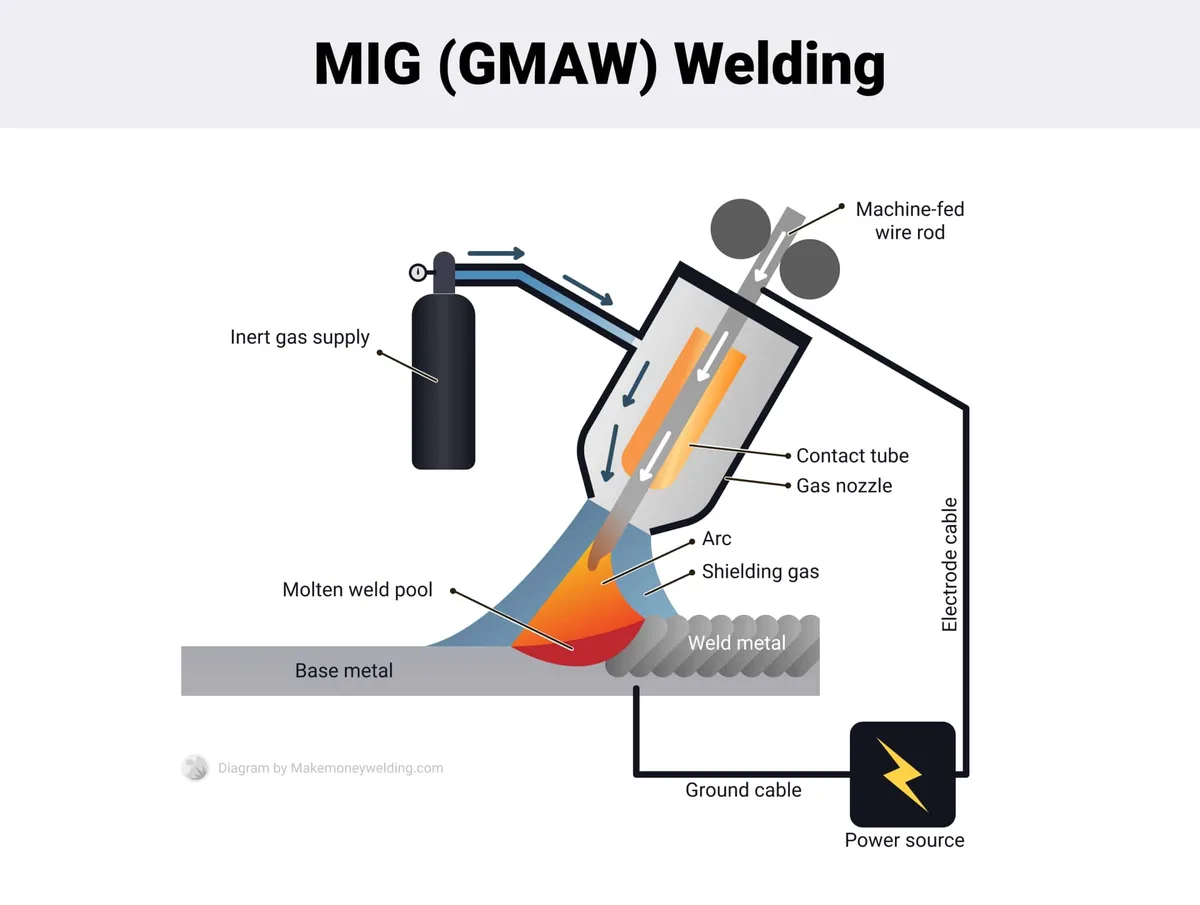
Image source: Bing (Web (fair-use with source credit))
Prep is Key: Getting Your Stainless Ready
Just like with any welding job, a clean surface is paramount. For stainless steel, this means removing any grease, oil, paint, or other surface contaminants. These can introduce impurities into the weld, leading to porosity or other defects.
- Degreasing: Use a dedicated stainless steel cleaner or a specialized degreaser. Avoid using solvents that can leave residues.
- Removing Existing Scale: If there's any existing rust or scale, it needs to be removed from the joint area. A wire brush, grinder, or even a stainless steel prep pad can do the trick. Ensure your tools are clean and haven't been used on carbon steel recently, as cross-contamination can be an issue.
Proper joint preparation ensures a clean fusion zone for the filler metal. If you’re welding dissimilar metals (stainless to mild steel), pay extra attention to cleaning both surfaces.
Welding Technique Matters
When you transition to welding stainless steel with the correct wire (like ER308 or ER316), you'll notice a few differences in how it behaves. Stainless steel generally has a lower thermal conductivity than mild steel, meaning it doesn't dissipate heat as quickly. This can lead to increased heat input in the weld area and potential distortion if not managed.
- Heat Input Control: Keep your travel speed consistent and avoid excessive weaving. Shorter, more controlled welds can help manage heat. If you're doing multiple passes, allow the material to cool slightly between them.
- Gas Shielding: Ensure you have adequate gas flow. A proper shielding gas (typically a mix like 75% Argon / 25% CO2 for short-circuit transfer, or a higher Argon mix for spray transfer) protects the weld puddle from atmospheric contamination. Incorrect gas settings can lead to porosity and oxidation. You can find good starting points for MIG welder settings in resources that discuss appropriate parameters.
- Voltage and Wire Feed Speed: These settings will need adjustment for stainless steel compared to mild steel. You generally want to run slightly hotter with stainless steel, but it's a delicate balance. Refer to manufacturer charts or resources on Mig Welder Settings for guidance. For wire feed speed, refer to a document like the Welding Chart Mig Wire for appropriate ranges based on wire diameter and gas.
Mistakes to Sidestep When Welding Stainless Steel
Even when you're using the correct stainless steel MIG wire, there are common errors that can still compromise your weld quality and the material's integrity. Being aware of these pitfalls is just as important as knowing the right techniques.
- Cross-Contamination: This happens when you use tools or consumables that have previously been in contact with carbon steel. Even a small amount of carbon steel residue can lead to rust or corrosion on your stainless steel project. Always use dedicated brushes, grinders, and even gloves for stainless work.
- Overheating: Stainless steel has lower thermal conductivity, making it prone to warping or excessive heat buildup. If you're experiencing a lot of distortion, try shorter weld passes, increase your travel speed slightly, or incorporate pauses for cooling.
- Incorrect Gas Settings: Using too little shielding gas leaves the weld puddle exposed to the atmosphere, leading to porosity and oxidation. Too much gas, however, can cause turbulence, also leading to contamination. Always check your flow meter and adjust accordingly.
- Ignoring Base Metal Identification: If you're unsure of the stainless steel grade, it's tempting to guess or default to a common wire like ER308. However, this can lead to mismatches that compromise corrosion resistance or weld strength. If possible, verify the grade before selecting your filler wire.
Expert Insights: Pro Tips for Stainless MIG Welding
Experienced welders know that a few key practices can make a significant difference when tackling stainless steel projects. Going beyond the basics can elevate your results from acceptable to excellent, ensuring both longevity and a professional finish.
- Cleanliness is Paramount: This bears repeating. Thoroughly clean the base metal and the filler wire itself. Even finger oils can leave marks that lead to discoloration or surface issues. For absolute pristine welds, consider using a dedicated stainless steel cleaner and a lint-free cloth.
- Maintain Arc Length: A consistent arc length is crucial for stable heat input and proper bead formation. Too long an arc can lead to increased spatter and atmospheric contamination, affecting the weld's protective layer. Too short can cause the electrode to "stick."
- Consider Your Shielding Gas: While a standard 75% Argon / 25% CO2 mix is common for short-circuit transfer, richer argon mixes (like 98% Argon / 2% CO2 or straight Argon for spray transfer) can sometimes yield a cleaner, more aesthetically pleasing result on stainless steel, reducing oxidation. Always check with your wire manufacturer for their specific gas recommendations.
- Tack Welds Matter: For thinner stainless steel or when precise fit-up is critical, well-executed tack welds are essential. Make sure your tack welds are dressed smoothly to avoid creating stress risers or areas where contaminants can collect.
Final Verdict: When to Splurge on the Right Wire
So, to circle back to the original question: can you weld stainless steel with normal MIG wire? Technically, you can fuse pieces together in some very basic scenarios. However, as our research indicates, the outcome is almost always a compromise.
You're gambling with the very properties that make stainless steel valuable, its corrosion resistance and durability. For anything beyond a purely decorative, non-structural piece that will never see moisture or significant wear, using the incorrect filler wire is a shortsighted choice. Investing in the appropriate stainless steel MIG wire, whether it's ER308, ER316, or another specialized alloy, is a small price to pay for a weld that will last, perform as intended, and maintain the integrity of your stainless steel project. It ensures your work is as resilient and reliable as the material itself.


