
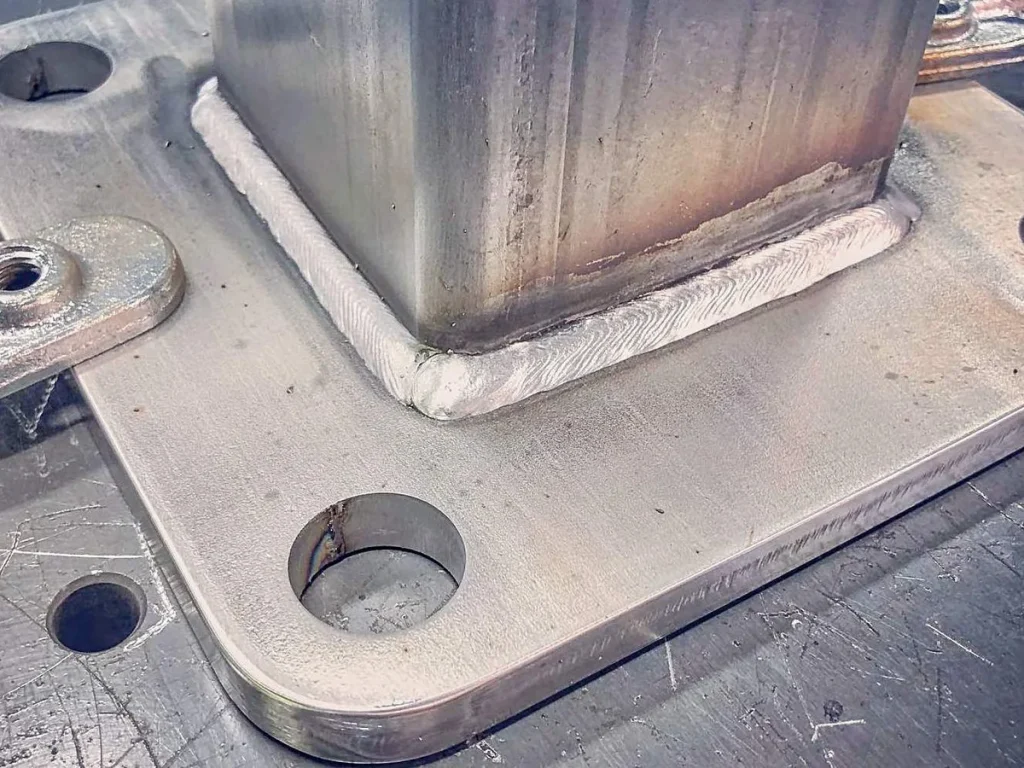
So, Can You Weld Chromoly with a MIG Welder?
You're probably wondering if your trusty MIG welder can handle chromoly steel for your next project. It's a fair question, especially if you're building something where strength and weight are critical, like a custom bike frame or a roll cage. While a MIG welder can indeed perform the job, getting a sound, reliable weld on chromoly steel requires a much more dialed-in approach than working with standard mild steel.
Our research indicates that the success of welding chromoly with a MIG setup hinges on several key variables, primarily related to the shielding gas, filler wire, and precise heat input control. Manufacturer specifications for filler wires like ER80S-D2 often detail their suitability for medium-alloy steels, underscoring the need for matched materials. Getting these elements right is crucial to avoid creating a brittle weld that fails under stress.
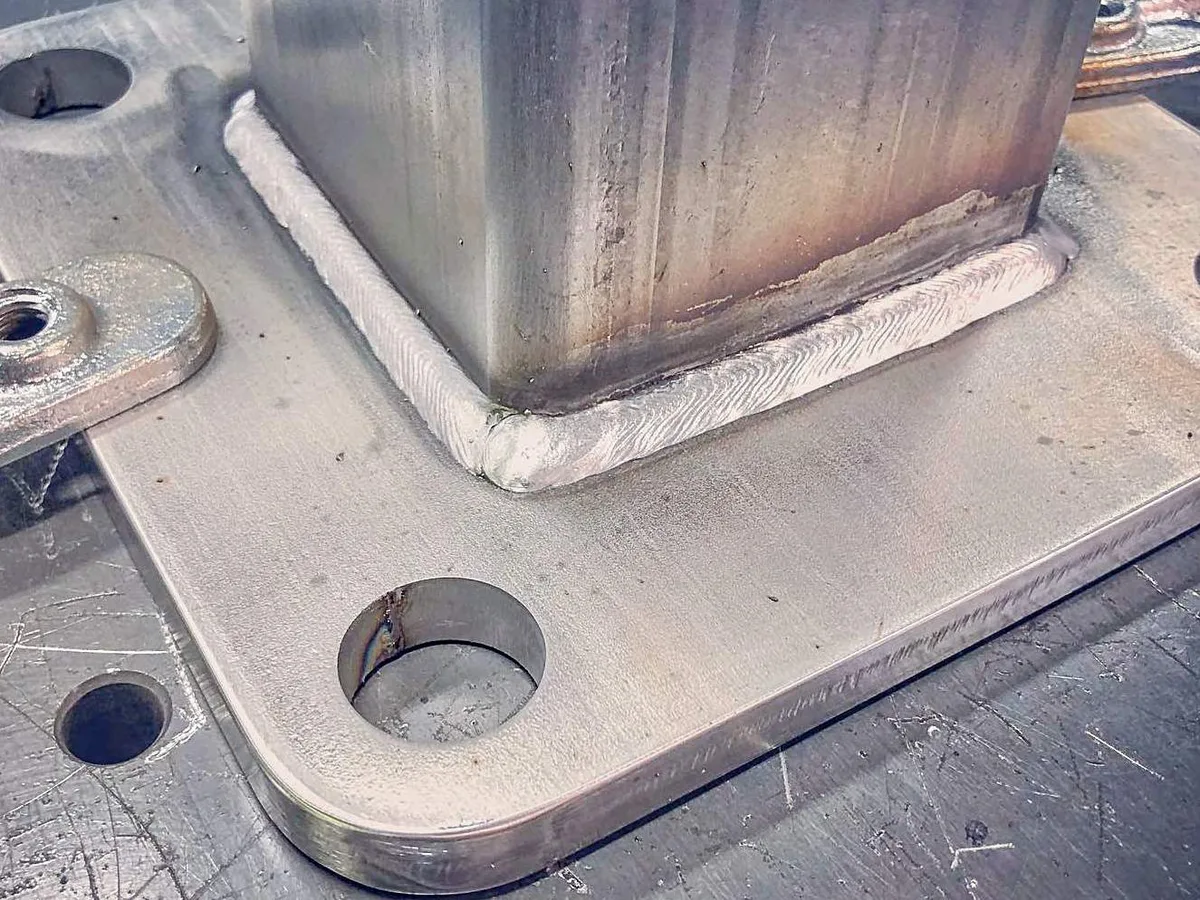
Image source: Bing (Web (fair-use with source credit))
Understanding Chromoly Steel
Chromoly steel, a blend that includes chromium and molybdenum, is renowned for offering superior strength and toughness compared to plain carbon steel, often at a lower weight. This makes it a preferred material in demanding applications where performance is paramount. However, its unique alloy composition also means it reacts differently to the heat cycles involved in welding.
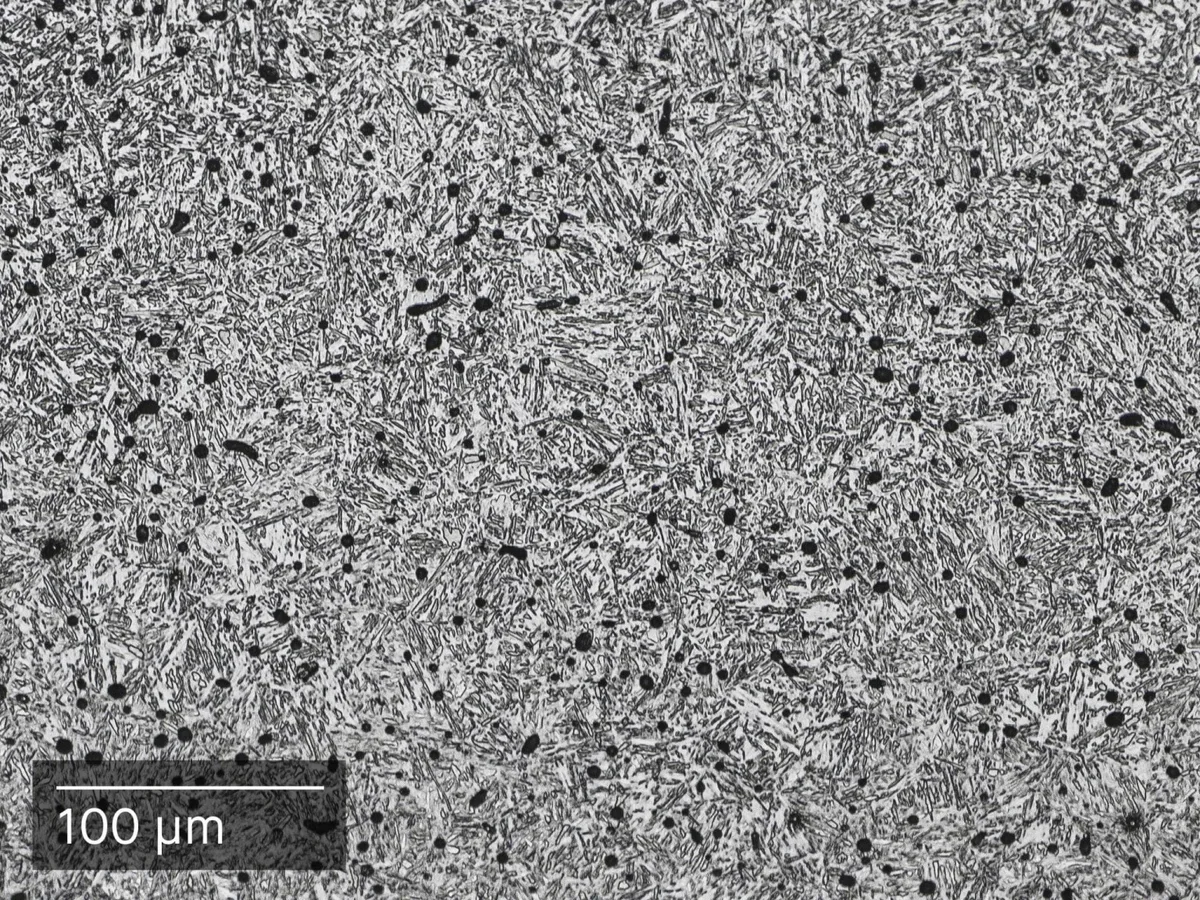
Image source: Bing (Web (fair-use with source credit))
When welding, the intense heat can alter the steel's microstructure, particularly in the area surrounding the weld, known as the heat-affected zone (HAZ). Unlike mild steel, which generally remains ductile, chromoly can become significantly hardened and brittle in this zone if not managed carefully. This embrittlement is the primary concern when considering MIG welding for these alloys.
MIG Welding Chromoly: The Challenges
MIG welding, also known as Gas Metal Arc Welding (GMAW), is popular because it's relatively easy to learn and can produce high-deposition rates, creating strong welds quickly. However, its inherent heat characteristics can be a double-edged sword when dealing with materials like chromoly. The wide, hot weld puddle characteristic of MIG can sometimes lead to undesirable transformations within the base metal.
The Risk of Embrittlement
The main risk when MIG welding chromoly is the potential for the weld and its surrounding heat-affected zone to become brittle. This happens when the rapid heating and cooling cycles during welding cause carbide precipitation or other phase transformations within the steel's structure. These changes reduce the material's ductility, making it susceptible to cracking, especially under dynamic loads or impact. For applications like chassis components or structural tubing, a brittle weld is a critical failure waiting to happen.
Your MIG Welding Decision Tree for Chromoly
If you're committed to using your MIG welder for chromoly, you'll need to follow a specific decision process. It's less about a simple "yes" or "no" and more about making the right choices at each step to ensure a sound weld. Think of this as a guided workflow to mitigate the risks associated with this alloy.
- Understand Your Material: Confirm you're working with true chromoly (e.g., 4130, 4140) and not just a different alloy.
- Evaluate Your Welder: Ensure your MIG welder can provide the fine control needed for amperage and wire speed.
- Assess Application Criticality: Is this a high-stress structural component, or is it less critical? This will dictate your rigor.
- Gather Proper Consumables: Shielding gas and filler wire are not interchangeable with mild steel.
- Prepare for Post-Weld Treatment: Depending on the application, heat treatment might be essential.
By following these initial considerations, you set yourself up for success before you even strike an arc.
Step 1: Choosing the Right Shielding Gas
This is arguably one of the most critical factors when MIG welding chromoly. Using the standard shielding gas mixtures you'd employ for mild steel, like pure argon or a 75% Argon/25% CO2 blend (often called C25), can lead to poor weld quality and embrittlement in chromoly. The chemistry of the shielding gas directly influences the weld puddle's characteristics and the final weld metal's properties.
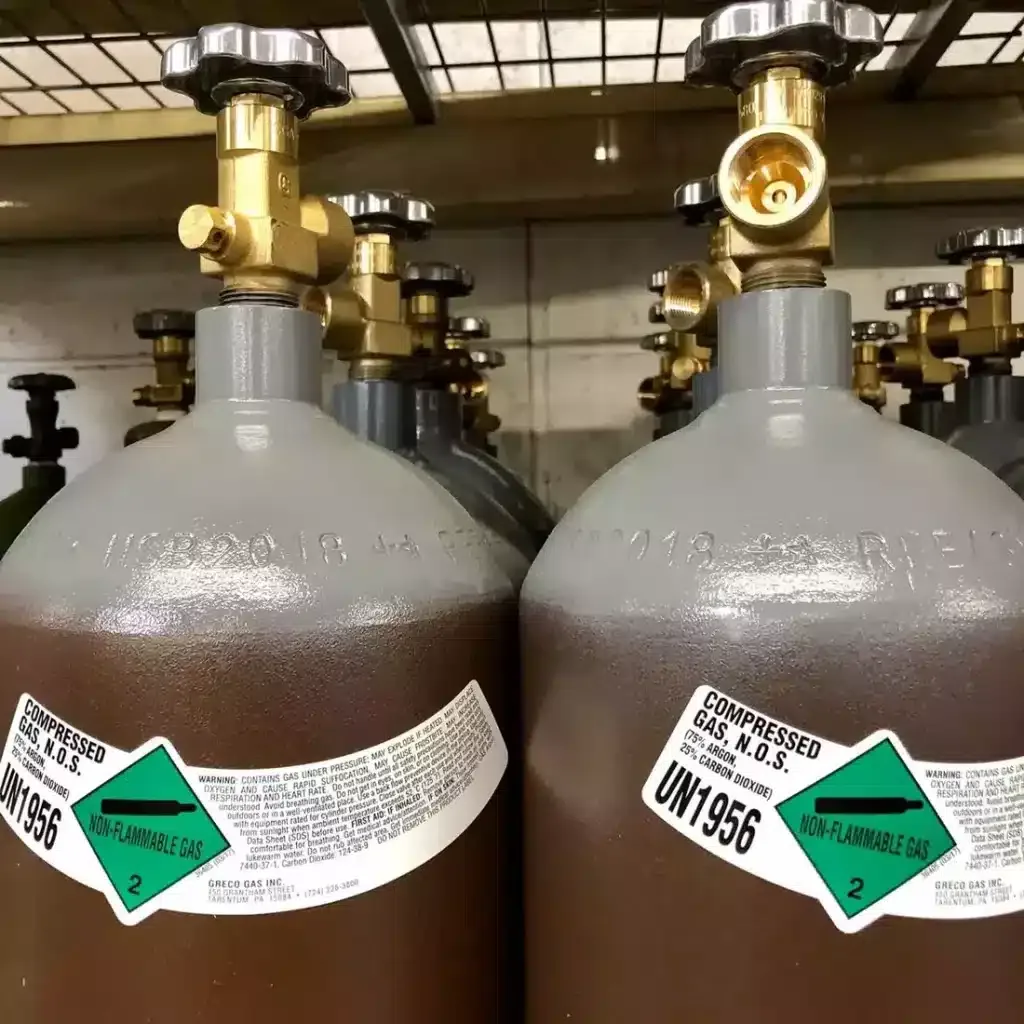
Image source: Bing (Web (fair-use with source credit))
For MIG welding chromoly, you generally need a gas with a higher percentage of argon and a lower, controlled amount of a more reactive gas. A common recommendation you'll find from many sources is a 90% Argon / 10% CO2 mix. The CO2 helps with arc stabilization and penetration but in lower percentages, it doesn't introduce as much carbon into the weld zone, which can help prevent hardening. Some specialized applications might even incorporate helium for better heat management on thinner materials, but that's a more advanced setup.
Using the wrong gas can lead to porosity or a weak, brittle weld bead.
Gas Combinations for Chromoly
- 90% Argon / 10% CO2: This is a widely accepted and effective mix for MIG welding many chromoly grades. It provides good arc stability and acceptable penetration without contributing excessively to hardness.
- Pure Argon: Generally not recommended for chromoly MIG welding due to insufficient deoxidizing properties, leading to a weaker weld.
- Higher CO2 mixes (like C25): Can lead to excessive carbon pickup, increasing the risk of embrittlement.
- Argon/Helium mixes: Can be beneficial for thinner chromoly to reduce overall heat input and minimize HAZ width, but requires specific equipment and expertise.
Always consult the filler wire manufacturer's recommendations for the most appropriate shielding gas, as it can vary based on the specific wire formulation and the base metal thickness.
Step 2: Selecting the Correct Filler Wire
Just as important as your shielding gas is the filler wire you choose. Using a standard ER70S-6 wire, which is common for mild steel, is generally inappropriate for chromoly. Chromoly steels are medium-alloy steels, and they require filler metals designed to match their mechanical properties and thermal behavior.
The goal is to use a filler wire that will yield a weld metal with good toughness and ductility, even after experiencing the heat of the welding process. This usually means selecting a wire with some alloying elements of its own. Manufacturer specifications for filler metals are crucial here. For instance, an ER70S-6 wire has a tensile strength of around 70,000 psi, while chromoly often requires a wire with higher tensile strength and better impact properties.
ER80S-D2 and Other Options
A common and well-regarded filler wire for MIG welding chromoly is the ER80S-D2. This classification indicates specific alloying elements (like molybdenum) that are beneficial for welding medium-alloy steels. The "80" signifies a minimum tensile strength of approximately 80,000 psi, which is a closer match to the properties of many chromoly alloys.
- ER80S-D2: A standard choice for 41xx series chromoly steels. It offers a good balance of strength and ductility in the weld deposit.
- ER90S-D2 or similar higher-strength wires: May be used for specific high-strength chromoly grades or applications where enhanced weld metal strength is required, but require careful heat input management.
- Matching filler to base metal: For critical applications, the ideal scenario is to use a filler metal that closely matches the chemical composition and mechanical properties of the base chromoly alloy being welded. Always refer to the filler metal manufacturer's data sheets and welding procedure specifications if available. Selecting filler wire is a critical piece of a correct welding chart mig wire setup.
Using the wrong wire can result in a weld that is either too weak, too brittle, or incompatible with subsequent heat treatments, fundamentally compromising the integrity of the joint.
Step 3: Mastering Heat Input Control
This is where a lot of the challenge lies, and it's a skill that requires practice and attention to detail. Heat input is the amount of energy delivered to the base metal during welding. Too much heat input with MIG welding chromoly can significantly increase the width of the heat-affected zone and promote the development of brittle microstructures.
The MIG process, by its nature, can deliver substantial heat. To mitigate this, you need to focus on using the lowest practical voltage and wire feed speed settings that still achieve adequate fusion. This means developing a feel for striking a quick, clean arc and moving efficiently. You're aiming for a steady, consistent bead without dwelling too long in one spot, which would only dump more heat into the surrounding metal.
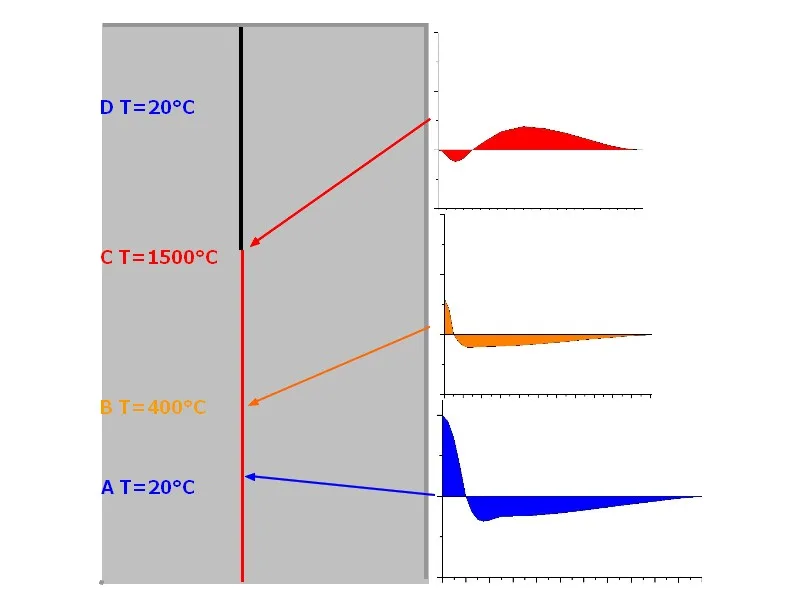
Image source: Bing (Web (fair-use with source credit))
For thicker sections of chromoly, you might even need to consider "intermittent" welding techniques. This involves welding in short bursts, think tacking and then running short stitch beads, allowing the metal to cool down between passes. This is crucial for preventing excessive overall temperature buildup. Proper mig welder settings and understanding how to calculate how to calculate wire feed speed in mig welding are foundational to mastering heat control.
Keeping it Cool for Strong Welds
- Low-Medium Voltage: Use the lowest voltage that maintains a stable arc and good puddle wet-out.
- Appropriate Wire Speed: Match wire speed to voltage for a smooth, consistent bead; avoid excessively fast speeds that lead to a "cold" weld, but also avoid slow speeds that lead to excessive heat.
- Fast Travel Speed: Move the welding gun along the joint at a steady pace that allows for fusion without overheating.
- Intermittent Welding: For longer passes or thicker material, use stitch welding or skip welding to break up prolonged heating.
- Observe the Puddle: Learn to read the weld puddle; it should be fluid but controlled, not a wide, churning pool.
Step 4: When to Consider Post-Weld Heat Treatment (PWHT)
For many critical applications, simply completing the weld isn't the end of the story when working with chromoly. Post-Weld Heat Treatment (PWHT) is often a necessary step to ensure the weld joint retains the desired mechanical properties and avoids premature failure. This process involves controlled heating and cooling to relieve stresses that build up during welding, and more importantly, to restore ductility to the hardened heat-affected zone.
Manufacturer specifications from entities like the American Society of Mechanical Engineers (ASME) often mandate PWHT for welded pressure vessels or critical structural components made from alloy steels. For chromoly, the most common form of PWHT is tempering. This process aims to reduce hardness and increase toughness by heating the material to a specific temperature range, holding it there for a period, and then allowing it to cool slowly.
The Importance of Tempering
Tempering doesn't just happen by leaving the part to cool in the shop. It requires precise temperature control. For chromoly, tempering temperatures typically fall between 1000°F and 1200°F (540°C to 650°C), depending on the specific alloy and the desired outcome. Holding the part at this temperature allows for microstructural changes that relieve internal stresses and reduce the hardness of the HAZ.
- Stress Relief: Welding inherently introduces stresses into the material. Tempering helps to relax these stresses, reducing the likelihood of cracking.
- Ductility Restoration: The primary goal is to reverse the hardening that occurred in the HAZ, making the weld zone more ductile and less susceptible to brittle fracture.
- Controlled Cooling: After holding at temperature, slow cooling is essential to prevent new stresses from forming.
Without proper tempering, a MIG-welded chromoly joint, even if it looks good, might be dangerously brittle and prone to failure under shock loads or fatigue over time.
Common MIG Welding Mistakes with Chromoly to Avoid
When attempting to MIG weld chromoly, several common errors can lead to compromised weld quality and potential failure. Many of these mistakes stem from treating chromoly like mild steel, which it is not. Being aware of these pitfalls is key to preventing them.
- Using Standard Mild Steel Consumables: This is probably the most frequent mistake. Using ER70S-6 wire and a C25 gas blend is a recipe for brittle welds.
- Excessive Heat Input: Allowing the MIG torch to dwell too long on the workpiece, leading to overheating and excessive hardening in the HAZ.
- Insufficient Preheating (for thicker sections): While not always required for very thin tubing, thicker chromoly sections can crack if not preheated, especially in cooler ambient temperatures.
- No Post-Weld Heat Treatment: For critical applications, skipping the tempering process leaves the weld in a hardened, brittle state.
- Incorrect Travel Angle or Stick-Out: Holding the gun at the wrong angle or having too long a stick-out can negatively affect gas coverage and arc stability.
What Happens When It Goes Wrong
If you make these mistakes, you'll likely end up with a weld that looks okay on the surface but is internally stressed and brittle. This can manifest as cracks radiating from the weld edge or, worse, complete joint failure under operational load. The material's characteristic toughness is lost, making it unsafe for its intended purpose. For example, a bicycle frame with such a weld could fail catastrophically during riding.
When MIG Might Not Be Your Best Bet
While MIG welding can be done on chromoly, it's not always the optimal process, especially for high-stakes applications. The inherent heat characteristics and the skill required to control them can make other welding methods more forgiving and reliable. If you're new to welding chromoly or working on something where failure is absolutely not an option, you might want to consider these alternatives.
TIG Welding: Gas Tungsten Arc Welding (TIG) offers superior control over heat input. The process uses a non-consumable tungsten electrode, and filler metal is added independently. This allows the welder to meticulously manage the heat and precisely control the weld puddle, leading to cleaner, less brittle welds with a narrower HAZ. Many professional fabricators prefer TIG for chromoly due to this fine control. You might want to consult tig welding filler rod selection chart resources.
Stick Welding (SMAW): While not typically the first choice for the thin-walled tubing often found in chromoly applications, certain low-hydrogen electrodes can be used for thicker chromoly sections. This process requires a high level of skill to produce defect-free welds on these alloys and is generally less suited for intricate work than TIG or even a carefully controlled MIG setup. For those using stick, understanding welding settings for stick welding and appropriate stick welding amperage chart information is vital.
The choice often comes down to the specific application, the material thickness, available equipment, and, most importantly, the welder's proficiency with each process on this particular alloy.
Best Use Cases for MIG-Welded Chromoly
When MIG welding is employed for chromoly, it's generally best suited for applications where extreme, safety-critical performance isn't the absolute top priority, or where the fabricator has a deep understanding of the requirements. It can be a viable process for projects that benefit from chromoly's strength-to-weight advantages but might not be subjected to the same rigorous stresses as aerospace components or competition roll cages.
- Custom Bicycle Frames: Many high-end bicycle frames are made from chromoly tubing. For custom builders who have perfected their technique, MIG welding can be used to create aesthetically pleasing and functionally robust frames. However, this still requires strict adherence to correct procedures.
- Some Automotive Components: Certain non-critical chassis components, exhaust system parts, or custom brackets that leverage chromoly's strength without being primary safety structures might be MIG welded. This is often seen in specialized builds where weight savings are desired.
- Artistic or Decorative Metalwork: If you're using chromoly tubing for artistic applications where high-strength welds aren't the primary driver, MIG can be a practical choice for assembling components.
It’s important to remember that even in these less critical areas, maintaining the integrity of chromoly’s properties is still desirable for longevity and performance.
Expert Tips for MIG Welding Chromoly
Drawing on years of experience and industry best practices, several key tips can significantly improve your success when MIG welding chromoly. These insights go beyond the basic setup and delve into the finer points that distinguish a good weld from a potentially problematic one. Focus on these areas to maximize your results.
- Cleanliness is Paramount: Always ensure your chromoly base metal is meticulously clean. Remove any mill scale, oil, grease, or contaminants. A clean surface ensures a clean weld.
- Practice on Scrap: Before welding your actual project, always run test beads on scrap pieces of chromoly. This allows you to dial in your settings, practice your technique, and verify your gas and wire choices.
- Develop a Smooth Push or Pull: Learn what feels right for your specific machine and setup. A slight push angle for the torch can sometimes provide better visibility and puddle control.
- Consider Lower-Duty Cycle Machines: For thinner chromoly tubing, a lower-duty cycle machine might actually encourage a slower, more deliberate welding pace, which helps keep heat input down.
- Be Aware of Standards: For critical work, familiarize yourself with relevant standards like those from ASME or AWS. For example, knowing the requirements for a specific aws welding chart can be invaluable.
Final Recommendation: MIG Welding Chromoly – Proceed with Caution
So, to circle back to the core question: can you MIG weld chromoly? Yes, but it’s not a task to undertake lightly. Our research firmly indicates that successful MIG welding of chromoly is contingent on precise control of shielding gas, filler wire selection (ER80S-D2 is a common recommendation), and, critically, managing heat input to avoid embrittlement.
If your project involves safety-critical components or applications where weld integrity is paramount, you must be prepared to implement post-weld heat treatment processes like tempering. For many fabricators, especially those working on lighter-duty projects or seeking the simplest path, TIG welding often presents a more user-friendly and forgiving alternative for chromoly. Always prioritize understanding the material's unique properties and the demands of your specific application before choosing your welding method.


