
You’re probably wondering about the temperature when you're MIG welding. It's not just a simple number because the heat involved is a dynamic mix of electrical energy turned into intense thermal energy. Getting this heat right is the secret sauce to strong, clean welds.
Manufacturer specifications and industry standards for welding equipment, like those from the American Welding Society (AWS), confirm that precise heat control is paramount for weld integrity. Understanding the factors that influence this heat will help you achieve better results every time you pull the trigger.
The Welding Arc: Where the Real Heat Happens
The welding arc is the heart of the MIG welding process, generating the intense heat needed to melt and fuse metals. It's an electrical discharge that jumps from the electrode (your welding wire) to the workpiece. This electrical plasma is incredibly hot, reaching temperatures that far exceed the melting point of most common metals.
Arc Temperature: The Blazing Core
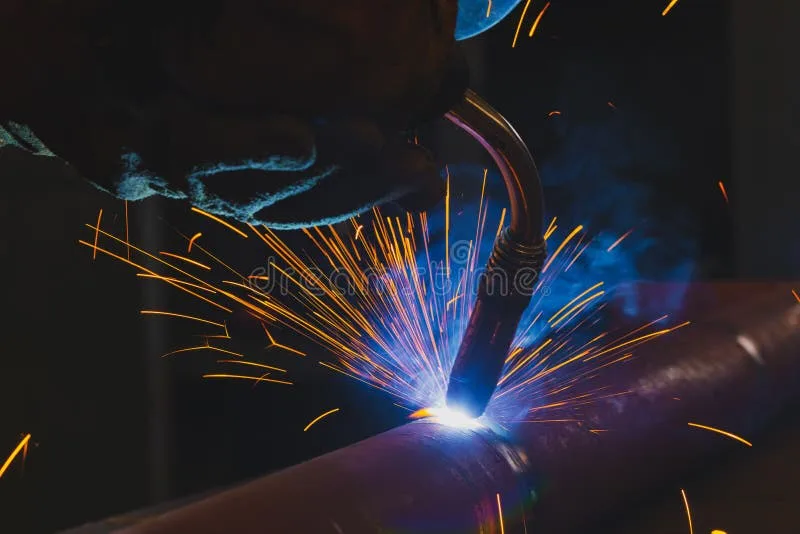
When we talk about how hot a MIG weld is, the arc is where the most extreme temperatures occur. This electrical discharge can easily blaze up to over 10,000°F (5,500°C). This is hotter than the surface of the sun, which is around 9,941°F (5,505°C). This superheated plasma is what instantly melts the filler wire and the edges of the base metal you're joining.
The Weld Puddle: The Molten Heart of the Weld
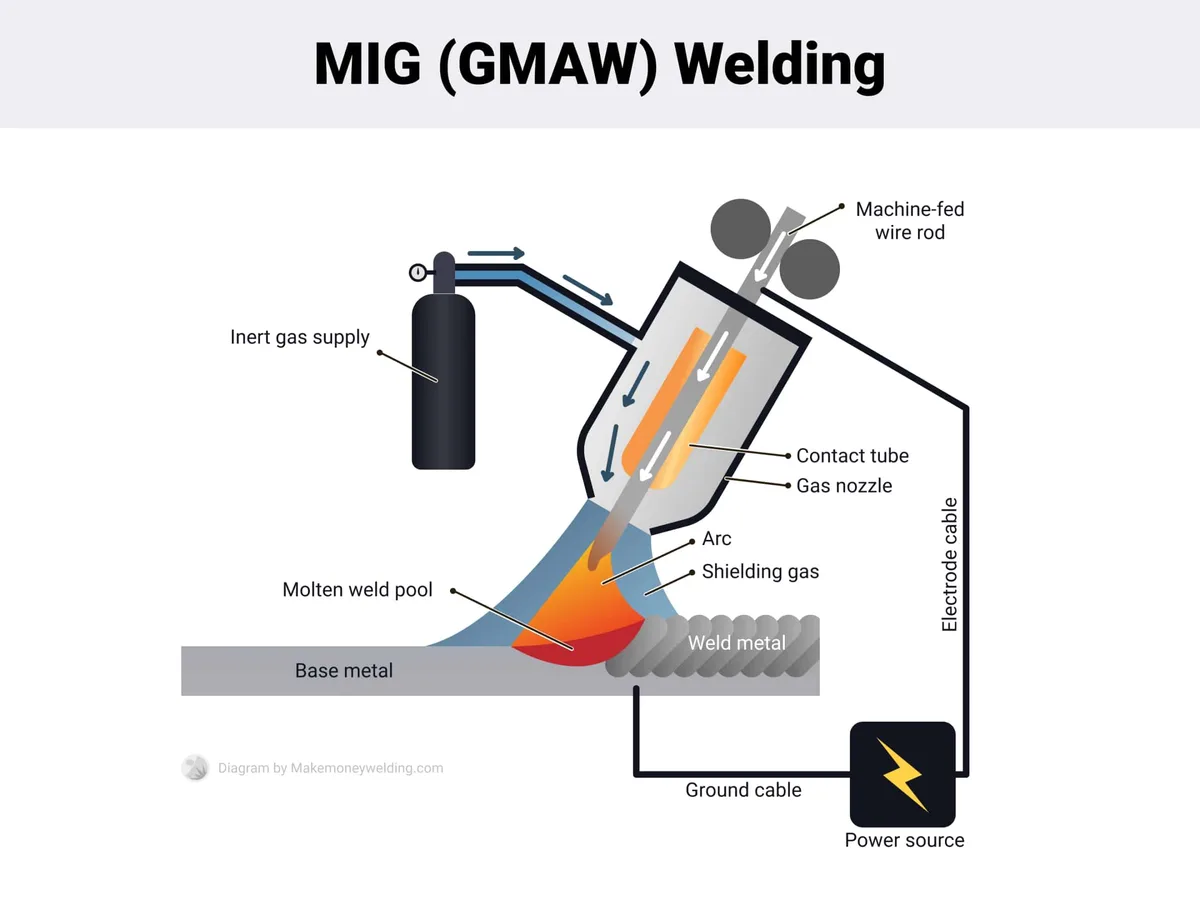
While the arc is the source of extreme heat, the actual molten metal that forms the weld joint is the weld puddle. This is the liquefied material from the filler wire and the base metal that mix together. You'll be watching and manipulating this puddle throughout the welding process.
Puddle Temperature Range
The weld puddle itself doesn't reach the stratospheric temperatures of the arc, but it's still incredibly hot. Our research and manufacturer data confirm that the molten pool typically operates in the range of 2,500°F to 3,500°F (1,370°C to 1,930°C). This heat is what allows the metals to flow and bond as they begin to cool and solidify. The exact temperature of the puddle depends heavily on the welding parameters you set and the type of metal you're working with.
What Controls the Heat? Key Factors Explained
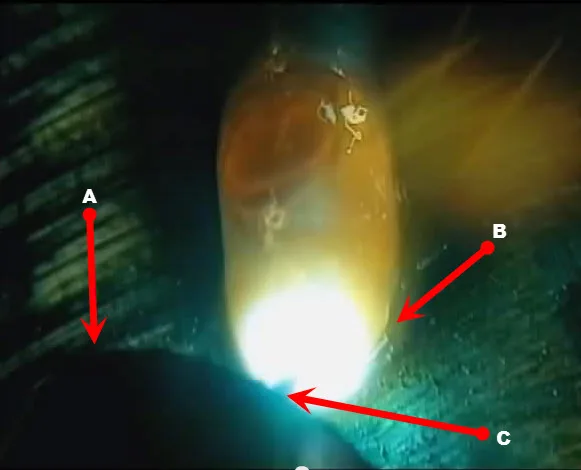
The amount of heat in a MIG weld isn't static; it's determined by a few critical settings on your welding machine and how you manipulate the torch. Getting these variables dialed in is crucial, whether you're trying to how to mig weld auto body panels or joining thicker structural components.
Amperage: The Powerhouse of Heat
Amperage, or current, is the most significant factor controlling weld heat. It's essentially the volume of electrical energy flowing through the arc. Higher amperage means more energy, which directly translates to a hotter arc, a larger molten puddle, and deeper penetration into the base metal. For thicker materials, you'll need higher amperage to ensure enough heat gets through.
Voltage: Shaping the Arc and Heat Distribution
Voltage determines the length and intensity of the welding arc. Think of it as controlling the "stick-out" of the electrical arc. A higher voltage generally creates a longer, more energetic arc, which can spread the heat over a wider area, resulting in a flatter, wider weld bead. Lower voltage produces a shorter, more concentrated arc and a more convex bead profile.
It works in tandem with amperage and wire speed to define the weld's characteristics.
Wire Speed: Fueling the Melt
In MIG welding, wire speed is directly linked to amperage. The faster you feed the welding wire into the joint, the more material the machine needs to melt. To melt more wire effectively, the welder automatically increases the amperage. So, increasing wire speed generally increases both the deposition rate (how much weld metal you lay down) and the overall heat input into the joint.
Understanding how to how to calculate wire feed speed in mig welding is key to consistent results.
Shielding Gas: Its Role in Arc Behavior and Heat
The type of shielding gas you use plays a role in how the arc behaves and, consequently, how the heat is transferred. For instance, a blend like 75% Argon and 25% CO2 (often called C25) creates a more spraying arc than pure Argon. This spray arc transfers more heat and can lead to deeper penetration, especially on steel. Pure Argon tends to produce a softer arc, often used for aluminum.
Reading the Heat: Visual Cues in the Weld Puddle
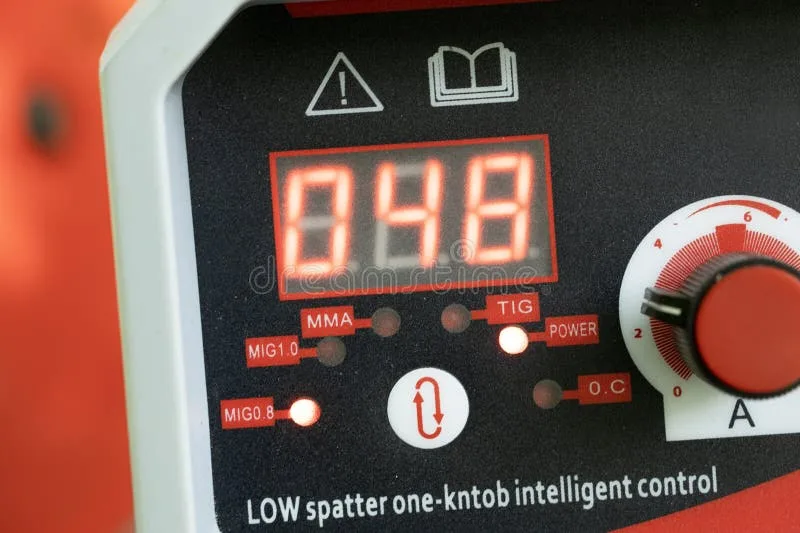
As you weld, your eyes are your best tool for understanding the heat. When you're looking at that glowing puddle, you’re not just seeing molten metal; you're seeing a direct reflection of your heat input. Learning to read these visual cues is what separates a novice from a seasoned welder.
What a Good Puddle Looks Like
A well-controlled weld puddle should be about one to two times the width of your welding wire. It will appear fluid and seem to flow smoothly into the edges of the base metal, creating a nice, even tie-in. The surface of the puddle will be active but not chaotic, with a gentle ripple effect. You'll see the filler wire melt and feed into it seamlessly.
Signs You're Too Hot
When the heat is too high, the puddle will become overly large and watery. It might seem to move too fast, making it difficult to control. This excessive heat can cause the puddle to "run" ahead of your torch, leading to a lack of fusion or incomplete penetration. You might also see excessive spatter around the weld area, indicating the metal is being blown around too aggressively.
Recognizing When It's Too Cold
On the flip side, if the heat is too low, the puddle will be small, stiff, and may not spread out much. It won't flow into the base metal easily, making it hard to achieve good fusion. The resulting weld bead will likely be narrow, tall, and sit on top of the base metal rather than blending in. This is often referred to as "cold lap" or lack of fusion, which leads to a weak joint.
Material Thickness: A Critical Heat Consideration
The thickness of the metal you're welding profoundly impacts how much heat you need and how quickly it transfers. Trying to weld thin sheet metal with settings meant for thick plate is a recipe for disaster. Our research indicates that as of 2026, proper parameter selection based on material thickness remains a fundamental skill.
For instance, welding a 1/16-inch steel sheet requires far less heat than joining two pieces of 1/2-inch steel. Thin materials can burn through very quickly if too much heat is applied, causing the metal to melt away. Thicker materials need more heat and time to allow the puddle to form and penetrate deeply, creating a strong bond.
Common Mistakes: Misjudging the Heat
Misjudging the heat input is one of the most common pitfalls for welders, leading to a variety of problems. The visual cues we discussed earlier are your primary defense against these errors, but understanding the typical outcomes helps too.
Burn-through and Other Tricky Problems
Burn-through occurs when excessive heat melts completely through the base metal, creating a hole. This is a frequent issue when welding thin materials like sheet metal or exhaust pipes without properly reducing heat. It indicates that the heat input is far too high for the material thickness and travel speed.
Poor Penetration Due to Incorrect Heat
On the flip side, insufficient heat leads to poor penetration. This is where the weld metal doesn't fuse properly with the base metal, creating a shallow, weak joint. This often happens when welding thicker materials with settings that are too low, or when moving the torch too quickly for the heat being applied. It’s the opposite problem of burn-through but results in an equally compromised weld.


