
Image source: Bing (Web (fair-use with source credit))
So, you're wondering, "how much is a MIG welder?" It's a fair question, and the sticker shock can be real if you don't know what you're getting into. The price tag on a MIG welder can swing wildly, from a few hundred bucks for a basic unit to several thousand for professional-grade machines.
This wide range typically comes down to power, features, and build quality. For instance, manufacturer specifications often list amperage ratings from around 100 amps for light work up to 300 amps or more for industrial applications, with prices scaling accordingly. Understanding these differences is key to finding the right machine without overspending or underspending.
Your Budget vs. Your Welding Needs: Finding the Right Price Point
Figuring out how much you should spend on a MIG welder really boils down to what you plan to weld. If you're just tinkering with thin sheet metal on a car restoration project or doing light handyman stuff around the garage, a less powerful, entry-level machine will likely suffice. On the flip side, if you're looking to weld thicker steel for a trailer frame or fabricate structural steel, you'll need a more robust and expensive unit.
Think about the materials you’ll be working with most often. For projects involving metal up to about 1/8 inch thick, a 120V welder with around 140 amps is generally sufficient. If you anticipate welding materials 1/4 inch or thicker, you’ll want to step up to a 240V machine with 180 amps or more.
Understanding MIG Welder Price Factors: What You're Paying For
The cost of a MIG welder isn't just a random number; it's directly tied to its capabilities and how well it's built. You're essentially paying for performance, durability, and versatility. When you see a higher price, it often translates to a machine that can handle tougher jobs, run for longer periods, and offer more precise control over your welds.
It’s a bit like buying a tool for any trade, the professional-grade equipment, built for longevity and demanding use, will always cost more than the basic version meant for occasional home use.
Power Output: Amperage and Material Thickness
The heart of any welder's capability, and therefore its price, is its power output, measured in amperage. Simply put, higher amperage allows you to weld thicker materials. A welder with a lower amperage, say 100-140 amps, is generally suited for thinner metals, typically up to about 3/16 of an inch.
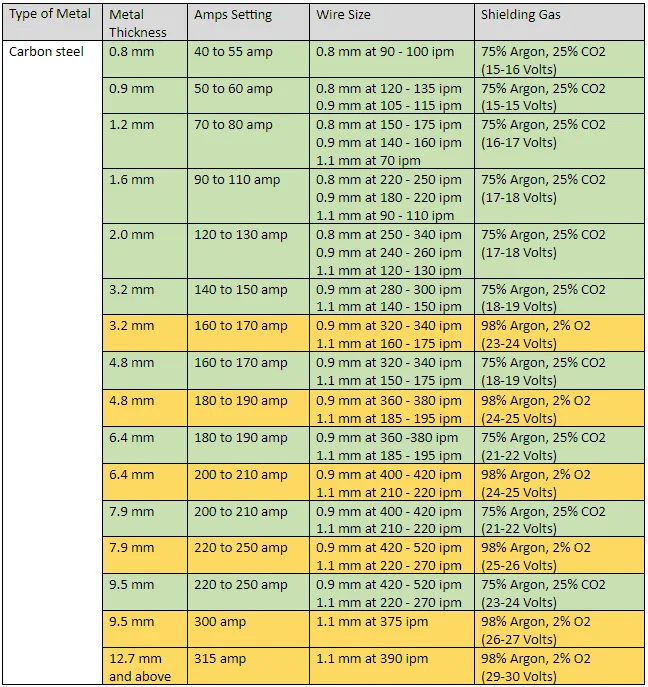
If your projects involve thicker steel, like framing or structural work, you'll need a machine with higher amperage, often in the 180-amp to 250-amp range or higher, which will naturally come with a higher price tag. This is why checking a welding chart for appropriate amperage settings based on material thickness is crucial before you buy. For more detail on related settings, you might find insights in a welding chart mig wire guide.
Duty Cycle: How Long Can You Weld?
Another major factor influencing price is the welder’s duty cycle. This specification tells you how long a welder can operate continuously at a specific amperage before it needs to cool down. It's usually expressed as a percentage over a 10-minute period. For example, a 30% duty cycle at 150 amps means the welder can run for 3 minutes out of every 10 at that amperage.
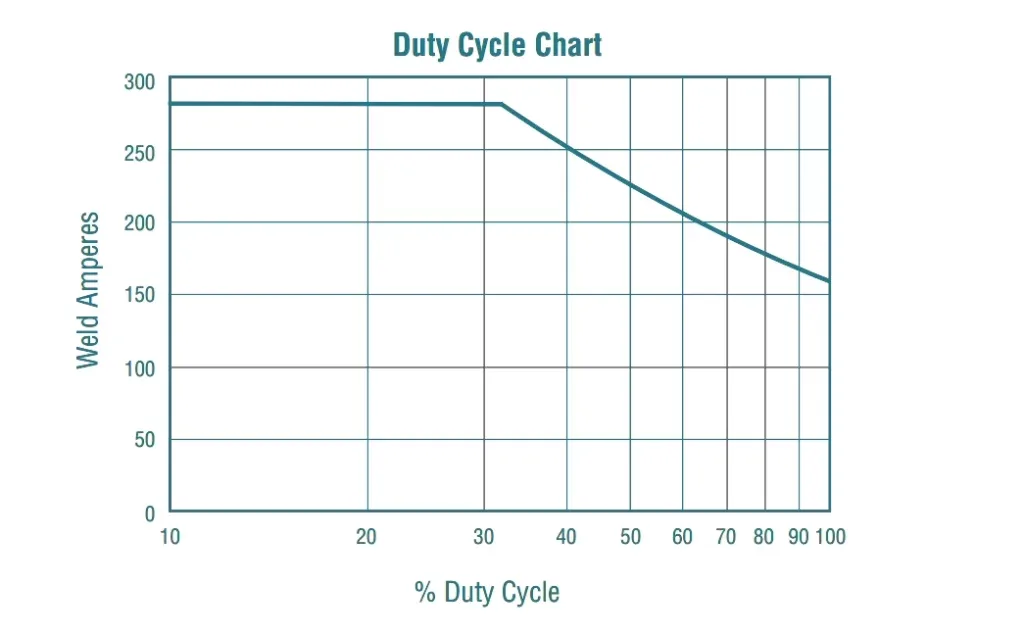
Machines with higher duty cycles, meaning they can run for longer periods before needing a break, are generally more expensive. This is because they are built with better cooling systems and more robust internal components designed for professional, extended use. Hobbyists working on short bursts might not need a high duty cycle, but if you plan on long welding sessions, it's a feature worth paying for.
Features and Controls: Beyond the Basics
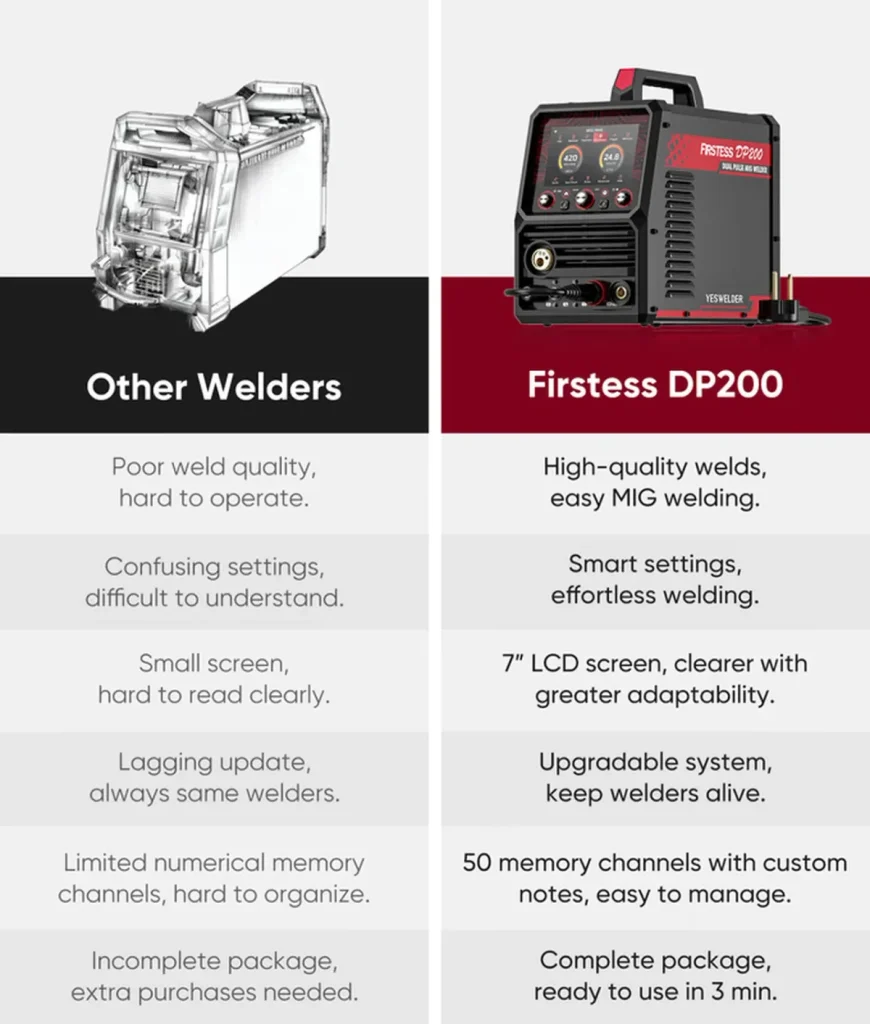
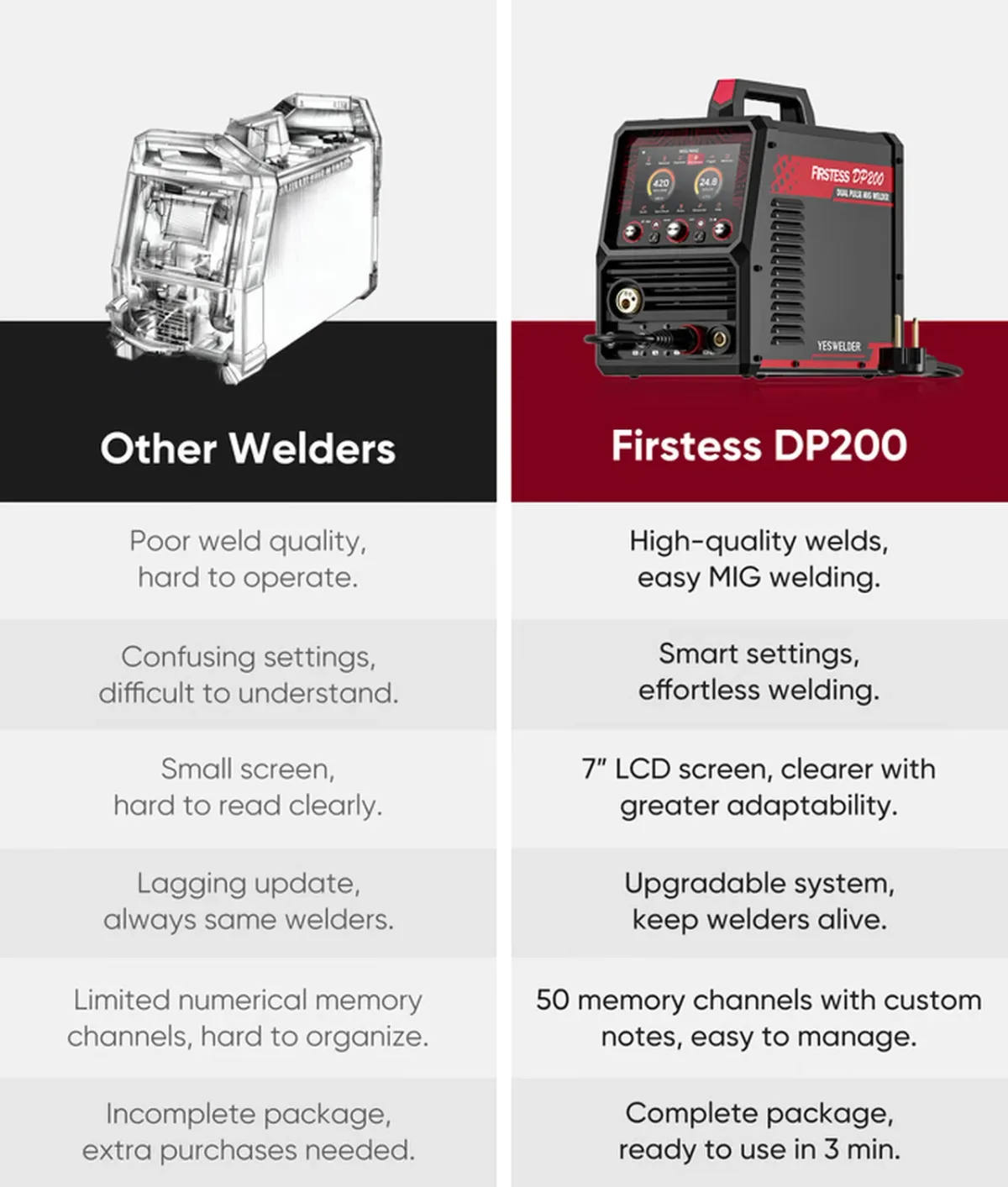
The more advanced features a MIG welder offers, the higher its price point tends to climb. These can include digital displays for precise settings, multiple voltage options for finer control, inverter technology for lighter weight and more stable arcs, and the ability to switch between different welding processes (like flux-cored or even TIG welding on some multi-process units).
Some machines might also offer pulsed welding capabilities, which is great for welding thinner metals without burn-through or for working with aluminum. The complexity and sophistication of these controls and additional functionalities contribute significantly to the overall cost. Exploring resources on mig welder settings can help you understand which features are most beneficial for your needs.
Build Quality and Brand Reputation
Just like with any tool, you often get what you pay for when it comes to welding equipment. Higher-priced MIG welders are typically constructed with more durable, industrial-grade components, heavier gauge metal casings, and more reliable internal electronics. This superior build quality translates to greater longevity, consistent performance, and better resistance to the wear and tear of a workshop environment.
Furthermore, established brands known for their reliable welders often command premium pricing due to their reputation for quality and customer support. While it's tempting to opt for a cheaper, lesser-known brand, investing in a well-built machine from a reputable manufacturer can save you money and frustration in the long run.
Entry-Level & Hobbyist MIG Welder Costs ($300 – $800)
These welders are your starting point for tackling light-duty projects, and they come with a manageable price tag. They're typically powered by 120V and offer enough amperage to weld thin metals, like those found in automotive repair, light fabrication, or basic home repairs. You'll find they usually have a simpler set of controls and a lower duty cycle, meaning they're best suited for shorter welding sessions.
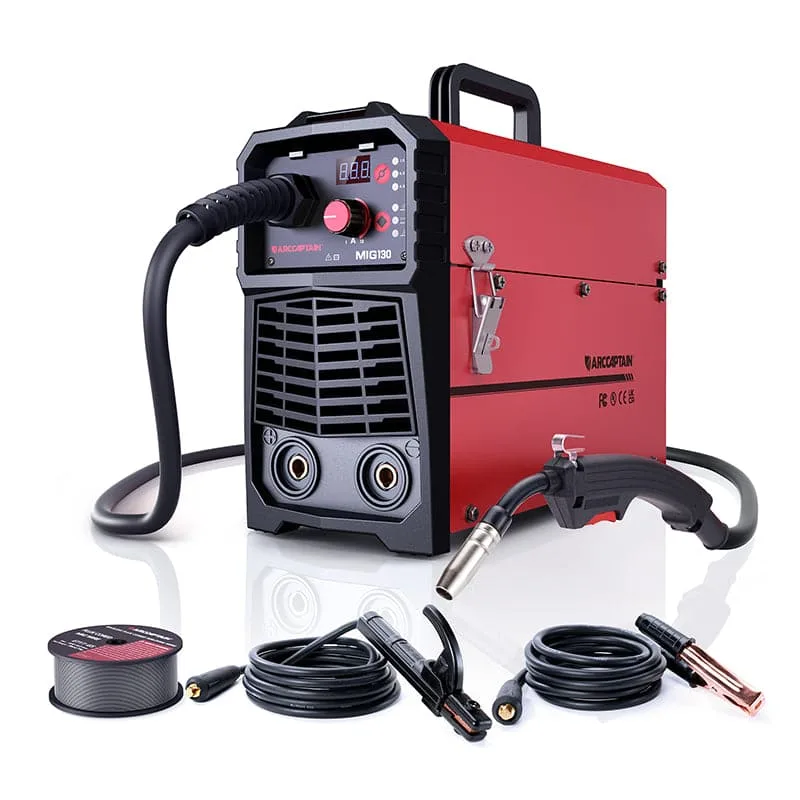
These machines are perfect for someone just getting into welding, occasional DIY projects, or fixing up small items. You might find some of the best budget 220v mig welders or units priced under $500 that offer a decent entry point, though performance will be limited compared to higher-tier options. They’re an accessible way to learn the basics of MIG welding without a huge financial commitment.
Mid-Range & DIYer MIG Welder Costs ($800 – $1,800)
Stepping up to the mid-range MIG welder category significantly expands your capabilities. These machines typically offer more amperage, often in the 180-220 amp range, and a substantially better duty cycle, usually around 30-40% at their rated output. This means you can weld for longer stretches without frequent cool-downs, making them ideal for extended projects or more demanding DIY tasks.
You'll also find these welders offer more refined controls, such as multiple voltage taps or even variable voltage, allowing for finer adjustment of the arc and better control over weld penetration. Many mid-range units are also dual-voltage, meaning they can run on both 120V and 240V power, offering greater flexibility for different workspaces. These are strong contenders for serious hobbyists, auto body enthusiasts, or anyone performing frequent metal fabrication.
Professional & Industrial MIG Welder Costs ($1,800 – $5,000+)
This is where you find the heavy hitters, built for continuous use in demanding environments like professional repair shops, manufacturing facilities, or construction sites. These machines boast high amperage outputs, often 250 amps and above, with robust duty cycles of 50% or more at high output levels. Many professional welders utilize inverter technology, making them lighter and more energy-efficient while delivering a superior, stable welding arc.
Features often include advanced digital interfaces, multiple process capabilities (MIG, Flux-Cored, sometimes Stick or TIG), and sophisticated wire-feed systems for precise control with various wire types and diameters. They're engineered for maximum productivity and reliability, capable of handling a wide range of metals and thicknesses, from light gauge to heavy plate. If welding is how you make your living, investing in this tier is essential.
Don't Forget the Consumables: Beyond the Machine Price Tag
It’s easy to get fixated on the initial purchase price of a MIG welder, but remember that it’s just the beginning. The ongoing cost of consumables can add up significantly over time. This includes everyday items you’ll need to keep welding, like filler wire, contact tips, gas nozzles, and gas itself.
For instance, running solid wire with a shielding gas means you'll need a cylinder of gas, which typically involves a rental fee or a purchase price, plus periodic refills. Even the wire itself comes in spools of varying sizes and types, each with its own cost. Understanding your typical usage is key to budgeting these recurring expenses.
Essential Consumables and Supplies
When you purchase a MIG welder, it rarely comes with everything you’ll need for extended use. You'll need to budget for:
- Welding Wire: Comes in spools of various diameters (e.g., 0.025", 0.030", 0.035") and materials (steel, stainless steel, aluminum). As an example, a 10-pound spool of mild steel wire can range from $20 to $50, depending on quality and type.
- Contact Tips: These small, consumable parts transfer the welding current to the wire. They wear out and need regular replacement. A pack of 5 tips might cost $5-$15.
- Gas Nozzles: These guide the shielding gas to the weld puddle. They also wear and can get clogged. Replacement nozzles typically cost between $5 and $20.
- Shielding Gas: For solid wire welding, you’ll need a cylinder of gas (usually a mix of Argon and CO2 for steel). Cylinders can be rented monthly ($15-$30) or purchased outright ($150-$300+), and refills based on usage. A best gas regulator for home unit is also a consideration here.
- Flux-Cored Wire: If you opt for flux-cored welding (which doesn't require external gas), the wire itself contains the flux. This wire can sometimes be more expensive than solid wire.
Safety Gear: Your Most Important Investment
Never cheap out on safety equipment. Protecting yourself is paramount when welding, and the costs associated with safety gear are part of the overall expense of getting into MIG welding. A good auto-darkening welding helmet, for instance, is a significant but necessary purchase.
You’ll also require welding gloves, a welding jacket or apron made of flame-resistant material, and sturdy work boots. These items are critical for preventing burns, sparks, and UV radiation exposure. While the initial outlay for a full safety kit might seem high, consider it an investment in your well-being. A quality helmet, for example, can range from $70 to over $300, depending on features and brand.
Exploring options for a best auto darkening welding helmet for the money can help you find a suitable balance.


