
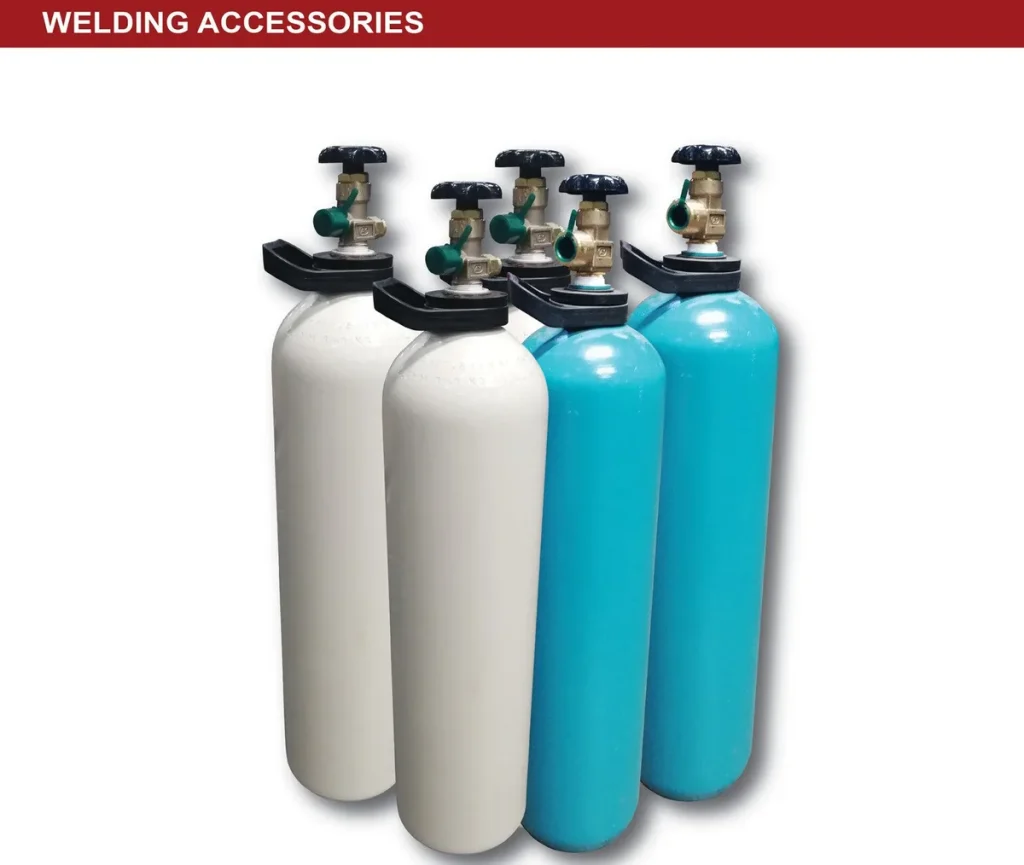
What MIG Welding Gas Do I Need?
When you’re MIG welding, the shielding gas plays a critical role in the quality and integrity of your weld. Picking the wrong gas can lead to porosity, brittle welds, and a whole lot of cleanup. Understanding what gases are used in MIG welding is key to achieving clean, strong joints every time. It’s not just about picking a bottle off the shelf; it’s about matching the gas to your specific project and materials.
In our research, we found that gas selection is often the overlooked factor separating good welds from great ones. For instance, according to AWS D1.1, the structural welding code for steel, gas selection influences mechanical properties and requires careful consideration. This guide will help you figure out exactly which gas or gas blend is right for your needs, ensuring your metalwork shines.
MIG Welding Gas: It's Your Weld's Shield
At its core, the gas in MIG (Metal Inert Gas) welding, also known as Gas Metal Arc Welding (GMAW), is all about protection. Molten metal is highly reactive with the air around it, which contains oxygen and nitrogen. If these elements get into your molten weld pool, they can cause defects like porosity (tiny holes) and embrittlement, seriously weakening the joint. The shielding gas displaces this atmospheric air, creating a protective bubble around the arc and the molten weld puddle.
This ensures a clean, solid deposit of filler metal.
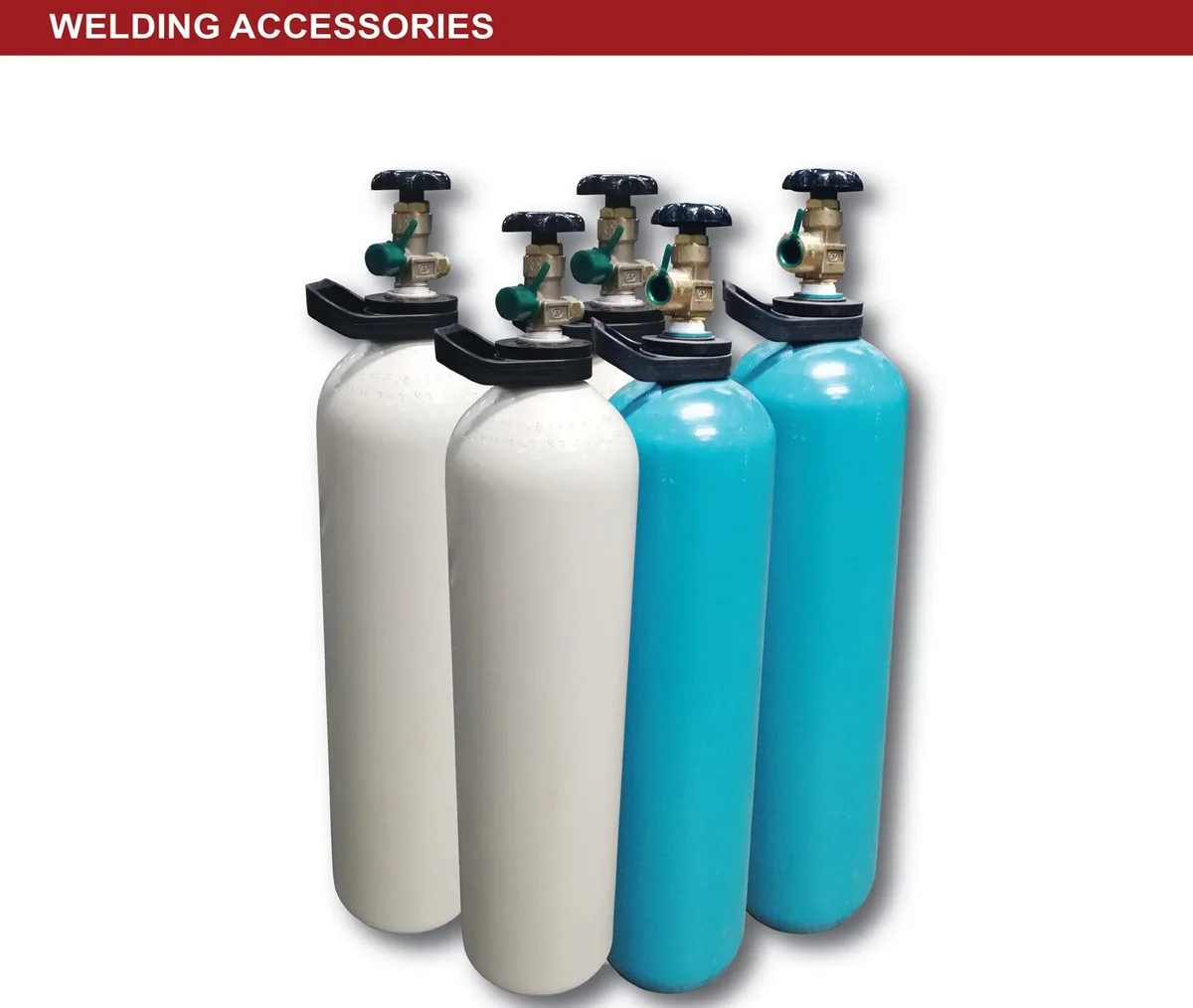
Image source: Bing (Web (fair-use with source credit))
This protective function is why different materials and welding situations often call for different gases or blends. The gas not only shields the weld but can also help stabilize the arc, control penetration, and influence the overall appearance of the weld bead. Manufacturer specifications, like those for wire feeders, often recommend specific gas types to optimize performance.
Your Project: What Are You Welding?
The absolute first question you need to ask yourself is: "What kind of metal am I trying to join?" This single factor dictates your primary choices for shielding gas. Trying to use the same gas for steel and aluminum, for example, would lead to terrible results.
- Mild Steel & Carbon Steel: These are the most common materials welders work with. They are relatively forgiving and can use a variety of gases, with cost and performance balancing out.
- Stainless Steel: This alloy requires specific gases to maintain its corrosion-resistant properties after welding. Using the wrong gas can negatively impact the stainless steel's ability to resist rust.
- Aluminum: Aluminum oxidizes very quickly and behaves differently to heat than steel. It needs a shielding gas that provides excellent cleaning action and handles its high thermal conductivity.
Think of it like using the right lubricant for different machinery. You wouldn't use motor oil for a bicycle chain. Similarly, the metal you're welding dictates the protective atmosphere you need.
Steel Welding Gases: The Most Common Choices
When you’re working with mild steel or most carbon steels, you have a few primary shielding gas options. These are usually variations of Argon and Carbon Dioxide (CO2), sometimes with a touch of Helium for specific applications.
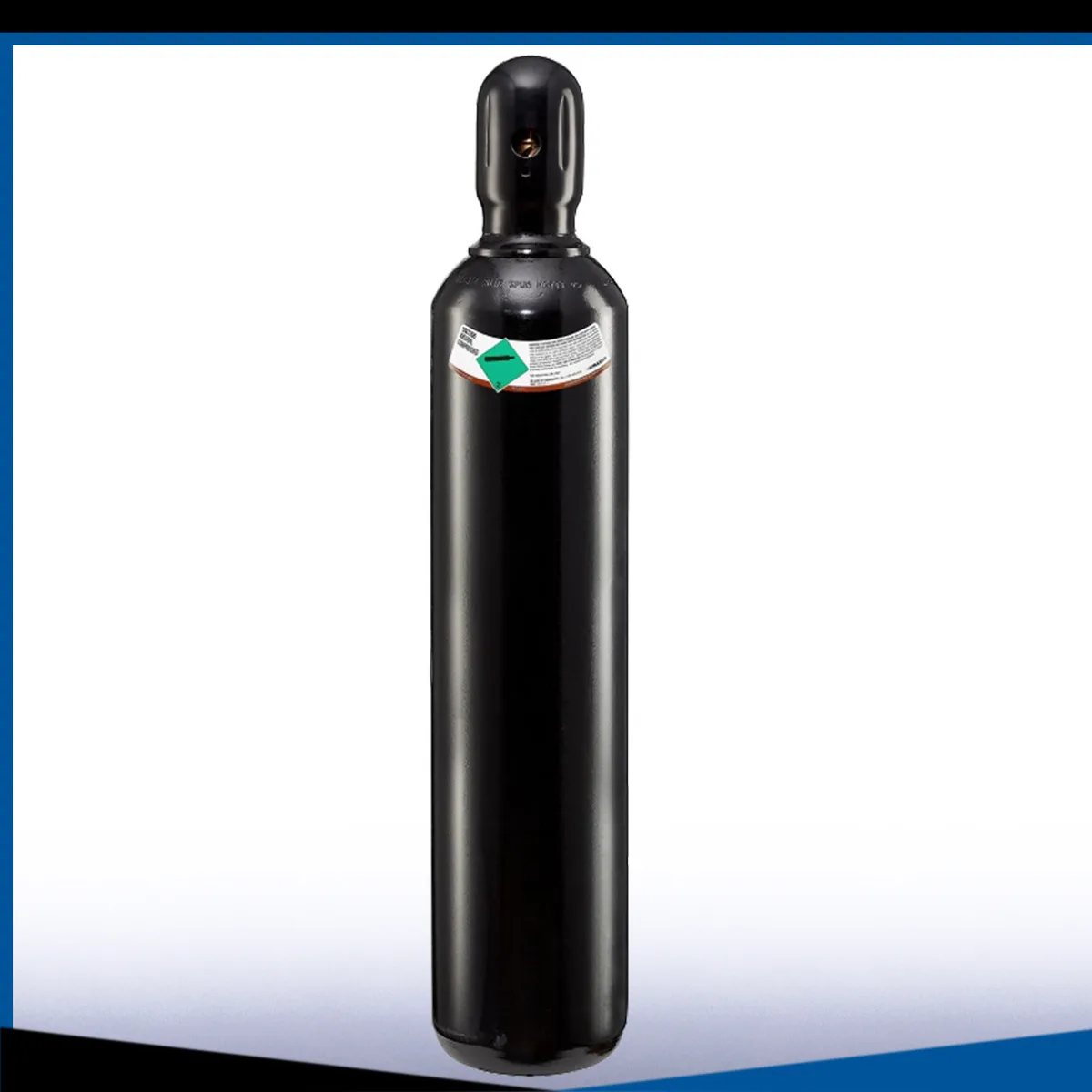
Image source: Bing (Web (fair-use with source credit))
- 100% CO2: This is often the most budget-friendly option and is readily available. It offers good penetration, which can be beneficial for thicker steel. However, CO2 results in a less stable arc and more spatter, those little molten metal droplets that fly off during welding. It can also slightly reduce the impact toughness of the weld.
- 75% Argon / 25% CO2 Mix: This is arguably the most popular gas blend for MIG welding steel. It provides a much smoother, more stable arc than pure CO2, significantly reducing spatter. This blend offers a good balance of penetration and bead appearance, making it versatile for a wide range of steel thicknesses, from thin sheet metal to thicker plates. If you're unsure, this is a solid all-around choice.
- Argon mixes with lower CO2 percentages (e.g., 90% Argon / 10% CO2): For really thin steel or when you’re chasing a pristine weld bead appearance with minimal spatter, mixes with a higher argon content and lower CO2 are excellent. The increased argon content helps create a softer arc and cleaner spray transfer.
Stainless Steel Welding Gases: Keeping it Corrosion-Resistant
Welding stainless steel requires a different approach than regular steel to preserve its desirable qualities. The key is using gases that don't compromise its resistance to corrosion.
- Tri-Mix Gases (e.g., 75% Argon / 20% Helium / 5% CO2): You'll often see blends incorporating Helium and Carbon Dioxide with Argon. These mixes are designed to help maintain the corrosion resistance of stainless steel, especially for applications like 304 or 316 stainless. The helium helps with heat transfer and penetration, while the CO2 content is carefully controlled.
- Argon-Helium-Nitrogen (H3/N2) Mixes: For critical stainless steel applications, especially thicker sections, you might encounter gases that include a small percentage of Nitrogen. These specialized blends (like 97.5% Ar / 2% He / 0.5% N2) are formulated to prevent the formation of undesirable microstructures such as ferrite, which can negatively impact the weld's mechanical properties and corrosion resistance. For detailed specifications on stainless steel welding, consulting resources like the AWS welding chart can be highly valuable.
- Pure Argon: While less common as a primary gas for stainless steel MIG, pure Argon can be used in specific TIG welding scenarios or for very thin stainless steel applications where heat input needs to be minimized.
Aluminum Welding Gases: Tackling Oxide Layers
Aluminum presents unique challenges due to its tough, rapidly forming oxide layer. You need a shielding gas that can effectively clean this oxide away and provide a stable arc.
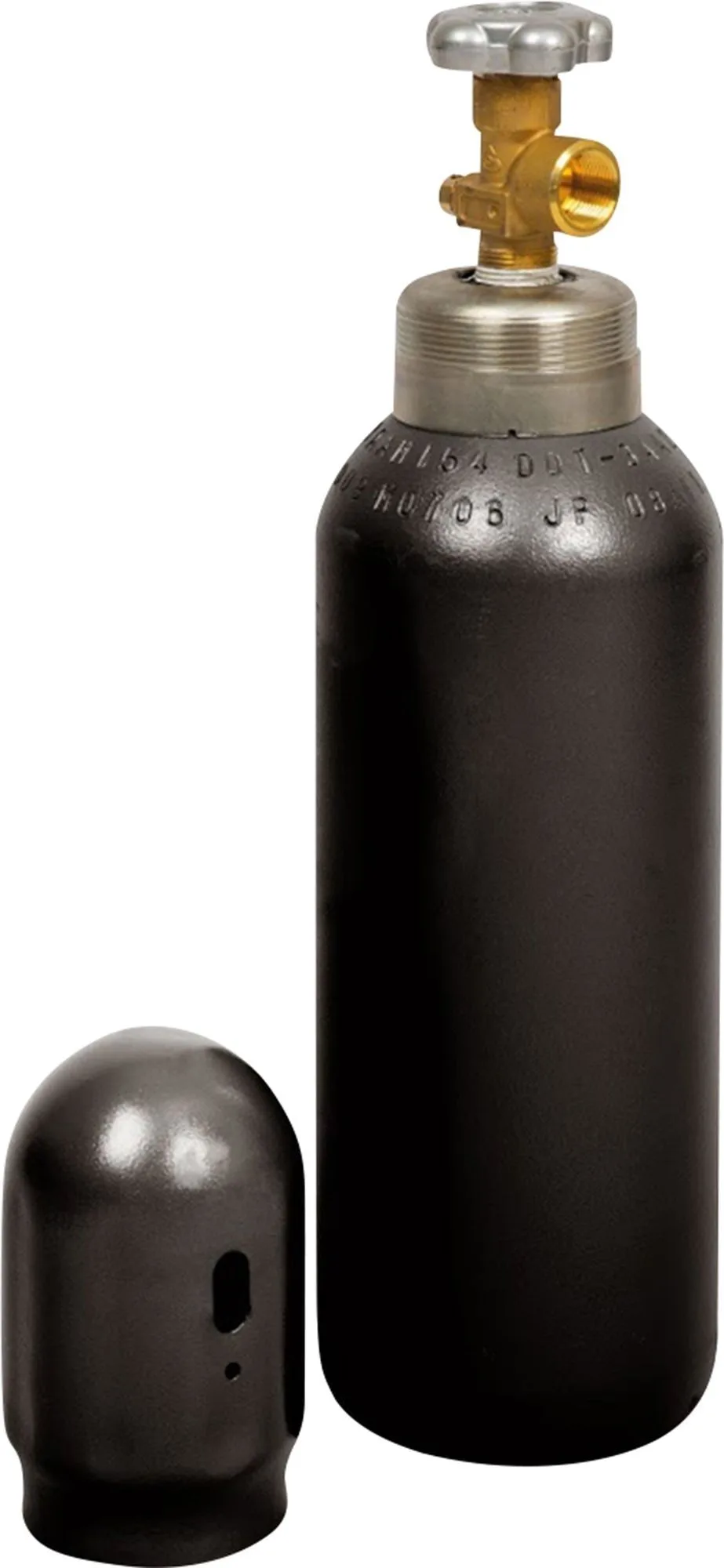
Image source: Bing (Web (fair-use with source credit))
- 100% Argon: This is the go-to gas for most aluminum MIG welding. Argon provides excellent cleaning action thanks to its ionization properties, which help break up the aluminum oxide layer. It offers a stable arc and a good spray transfer mode, resulting in clean, smooth welds. This is especially important for applications like how to MIG weld exhaust pipe where a clean finish is often desired.
- 75% Argon / 25% Helium Mix: Adding Helium to Argon for aluminum welding increases the arc's heat input. This is highly beneficial when welding thicker aluminum sections, as it allows for deeper penetration and can help reduce the need for extensive preheating. You’ll notice a wider, flatter bead profile with this blend, which can be advantageous in certain fabrication scenarios.
Comparing Your Shielding Gas Options
Choosing between different shielding gases isn't always straightforward; it often involves balancing cost, desired weld quality, and material type. Here’s a quick look at how common options stack up.
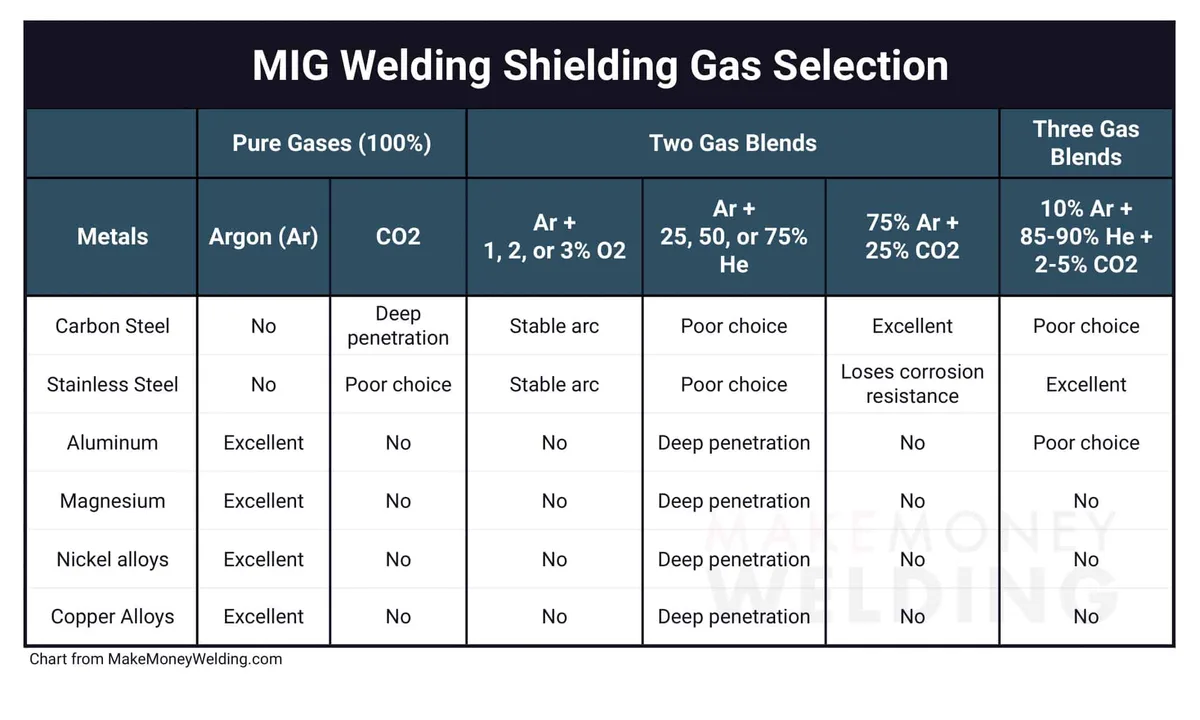
Image source: Bing (Web (fair-use with source credit))
When you’re deciding, think about what’s most critical for your job. If you're welding thick structural steel and cost is a major factor, 100% CO2 might be sufficient. However, if you’re working on thinner gauge materials or need a cleaner, spatter-free finish for aesthetic or functional reasons, an Argon-rich mix will likely serve you better. For stainless and aluminum, the correct gas is non-negotiable for achieving the material's intended properties.
If you're looking for general settings for MIG welders, checking out a Mig welder settings guide can provide a starting point before you dial in your gas.


