
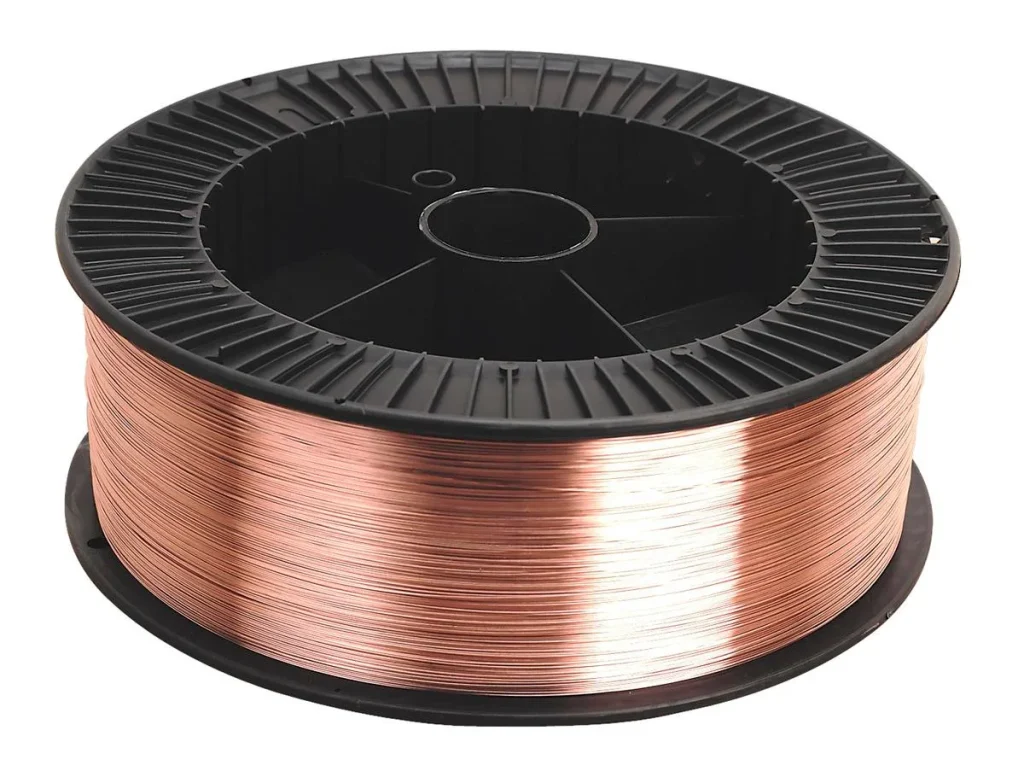
If you're wondering what MIG welding wire is made of, you're not alone. It's the consumable heart of your MIG welder, and picking the right one can make or break a weld. Getting this detail wrong means you could end up with weak joints, ugly welds, or even material damage.
Our research dives deep into the composition of these handy spools, looking at why different metals and alloys are used. For instance, according to manufacturer specifications, common steel wires like ER70S-6 feature specific deoxidizers essential for quality welds, as outlined by standards from the American Welding Society (AWS). Understanding these differences is key to achieving the results you want.
Why What's Inside the Wire Matters
When you look at a spool of MIG welding wire, you're seeing a carefully crafted metal feedstock. What that wire is made of dictates everything about how it will perform in your MIG welder. It’s not just about the base metal, but also the trace elements and alloys mixed in. These choices directly influence the strength, corrosion resistance, and overall quality of the weld you lay down.
Think of it as selecting the right ingredient for a critical recipe.
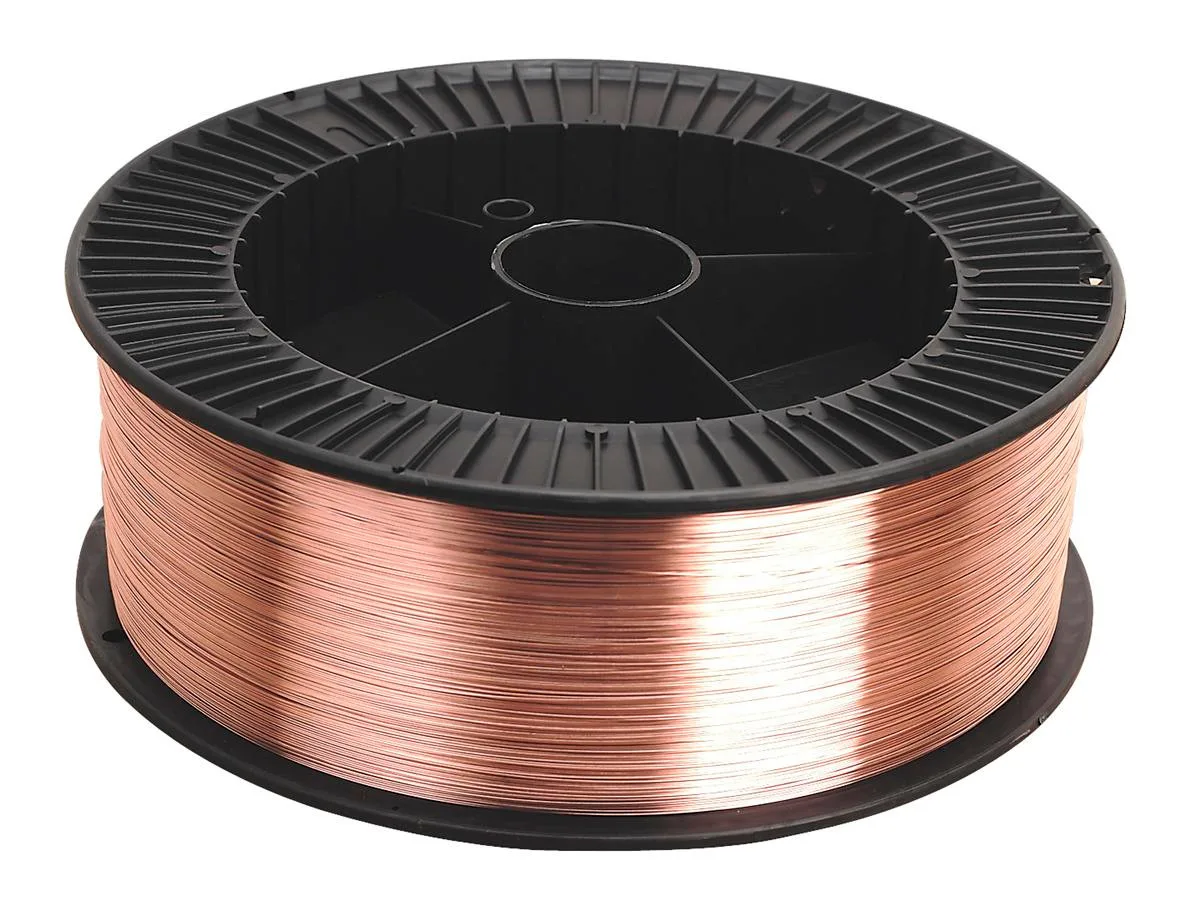
Image source: Bing (Web (fair-use with source credit))
This isn't guesswork; it's based on metallurgy and decades of welding practice. Manufacturers spend considerable effort developing and refining wire compositions to meet specific industry needs and performance expectations. As of 2026, these formulations continue to be a primary focus for improving welding efficiency and durability across countless applications, from automotive repair to heavy industrial fabrication.
Breaking Down the Core Components of MIG Wire
At its core, MIG welding wire is a filler metal designed to be melted and deposited into the joint you're welding. The primary material making up the wire can vary significantly, but the most common categories include various types of steel, stainless steel, and aluminum. Beyond the base metal itself, small but crucial amounts of other elements are added. These can act as deoxidizers to clean up the molten weld pool, help achieve desired mechanical properties like strength, or improve corrosion resistance.
The careful balancing of these elements is what allows a specific wire type to be ideal for joining certain base metals while being unsuitable for others. It’s this precise composition that determines the final weld’s characteristics, ensuring it meets the required standards for its intended use.
Steel Wires: The Everyday Workhorses
When folks talk about MIG welding, they're most often talking about welding mild steel, and the wire for that job is typically a low-carbon steel wire. These wires are designed for general-purpose steel fabrication and repair, offering a good balance of strength, ease of use, and affordability. The "ER70S-6" designation, a common example, tells us a lot.
The "ER" means it's suitable for both Gas Metal Arc Welding (GMAW, or MIG) and Gas Tungsten Arc Welding (GTAW, or TIG), though it's predominantly used for MIG. The "70" indicates a minimum tensile strength of 70,000 pounds per square inch (psi), a critical specification for weld strength. The "S" stands for solid wire, as opposed to flux-cored. The "+6" is the important part here; it signifies a higher level of deoxidizers like silicon and manganese, which are crucial for cleaning up impurities and creating a more stable weld puddle, especially when welding on surfaces that aren't perfectly clean.
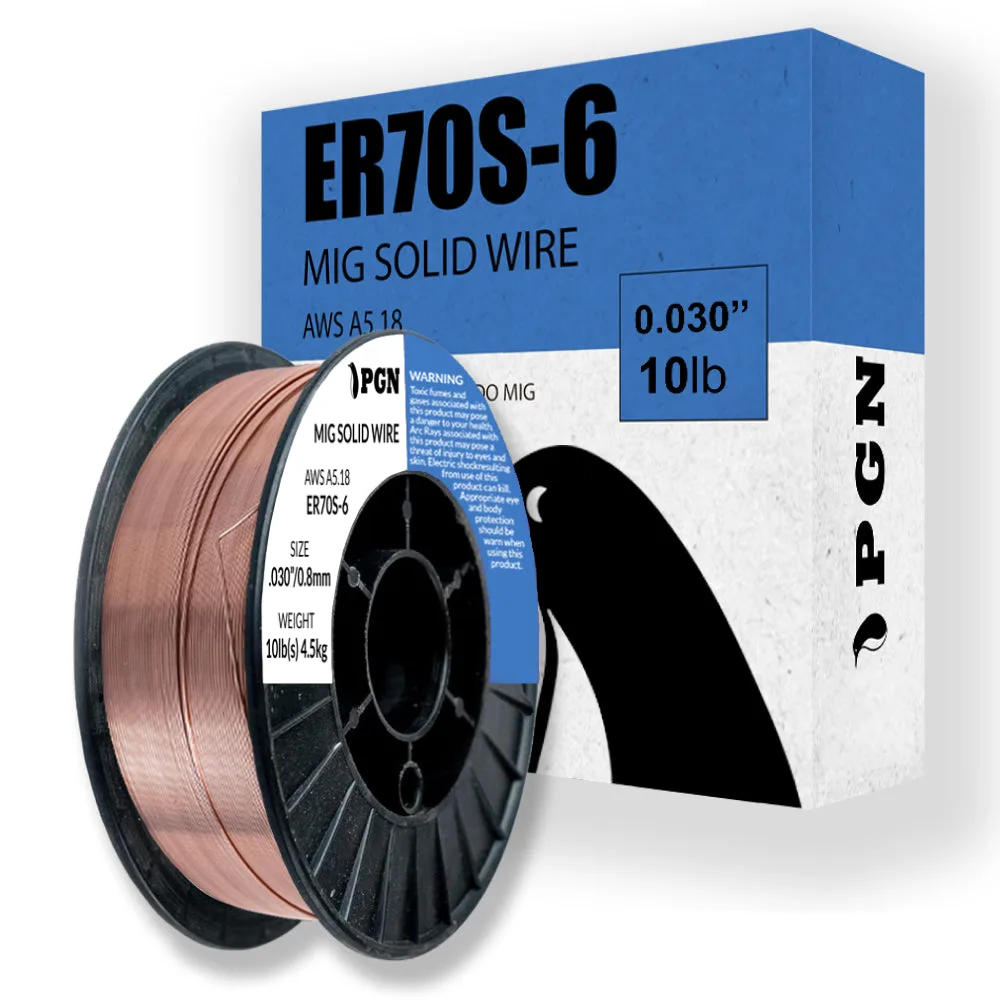
Image source: Bing (Web (fair-use with source credit))
These deoxidizers help prevent porosity, tiny gas pockets, in the weld bead that can weaken the joint. This makes ER70S-6 a forgiving wire, good for less-than-pristine material surfaces that might have a bit of rust or mill scale. For many general steel welding tasks, like fixing a trailer frame or fabricating basic structures for your shop, this is your go-to wire. You can often find detailed welding settings for common steel types through resources like Mig Welder Settings.
Stainless Steel Wires: For When Rust Isn't an Option
If your project involves stainless steel, you can't just grab any old steel wire. Stainless steel wires are specifically alloyed to match the properties of stainless steel base metals. The hallmark of stainless steel is its significant chromium content, typically 10.5% or more, which forms a passive oxide layer that protects against corrosion.
Common stainless steel MIG wires, like ER308L, are designed to weld 304 or 308 stainless steel. The "308" refers to the specific grade of stainless steel the wire is compatible with, and the "L" stands for low carbon content. Keeping the carbon low is vital because high carbon in stainless steel can combine with chromium during welding, leading to chromium-depleted zones along the weld's heat-affected area. These zones are more susceptible to corrosion, defeating the purpose of using stainless steel in the first place.
ER308L typically contains around 19-25% chromium and 9-13% nickel.
Other stainless steel wire types, such as ER309L (for welding stainless to mild steel) or ER316L (for 316 stainless steel, which adds molybdenum for increased corrosion resistance in harsher environments), have different alloying elements and proportions to suit their specific applications. Choosing the correct stainless wire ensures the weld metal offers similar corrosion resistance and mechanical properties to the parent material. Welding stainless steel often requires different parameters than mild steel.
Aluminum Wires: Special Handling for a Special Metal
Aluminum presents a unique set of challenges for welders, and MIG welding aluminum requires specialized aluminum alloy wires. Unlike steel, aluminum oxidizes very quickly at room temperature, forming a tough, high-melting-point oxide layer. During welding, this oxide needs to be dealt with, and the wire composition plays a role in managing this.
Two of the most common aluminum MIG wires are 4043 and 5356.
- 4043 is an aluminum-silicon alloy. The silicon acts as a fluxing agent, helping to break down and manage the aluminum oxide layer during welding. It's known for its excellent fluidity, producing smooth, bright welds and being less prone to cracking in the weld zone. This makes it a popular choice for general-purpose aluminum welding where appearance and ease of use are priorities. However, its corrosion resistance is slightly less than 5356, especially in marine environments.
- 5356 is an aluminum-magnesium alloy. It offers higher tensile strength and better corrosion resistance than 4043, making it suitable for structural applications and environments where the weld might be exposed to saltwater or severe weather. It's often used for welding 5XXX series aluminum alloys. The magnesium content also makes the weld bead slightly rougher and less shiny than 4043, so it might not be the first choice for purely cosmetic applications.
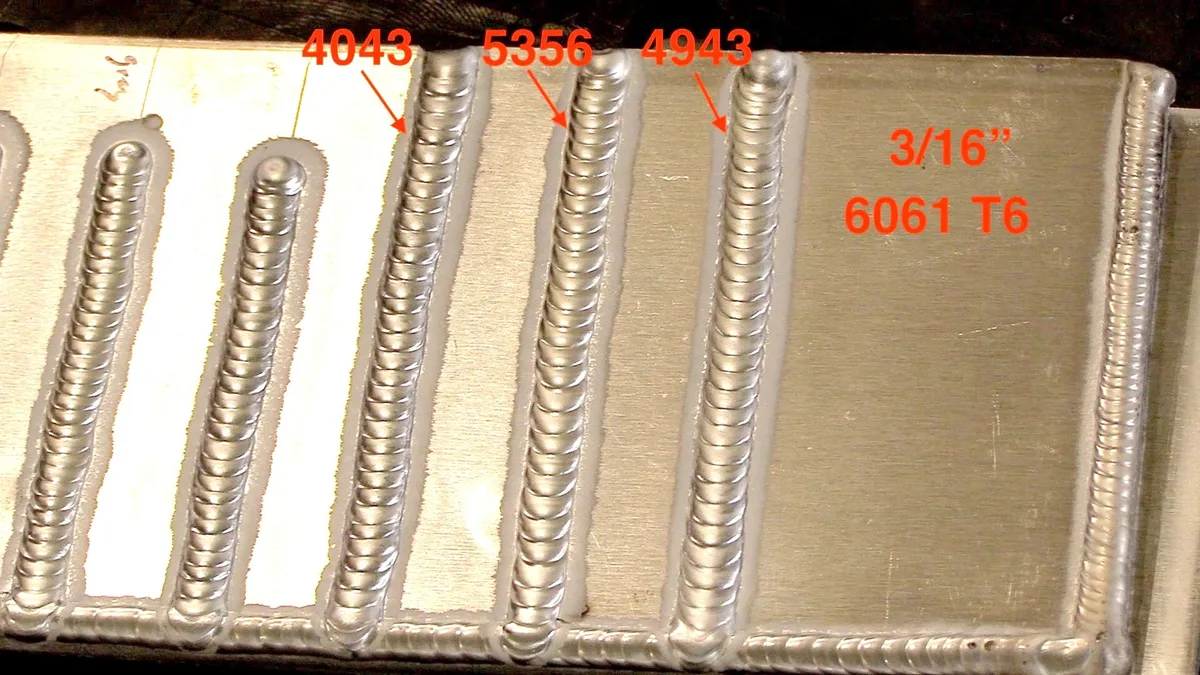
Image source: Bing (Web (fair-use with source credit))
When MIG welding aluminum, it's critical to use a spool gun or a specialized aluminum wire feeder setup, as aluminum wire is much softer and more prone to kinking and bird-nesting in standard push-type systems. Selecting the right aluminum alloy wire ensures the weld can withstand the intended stresses and environmental conditions.
Other Wire Materials: Silicon Bronze and Beyond
While steel, stainless steel, and aluminum make up the bulk of MIG welding wire applications, other metal alloys are used for specialized tasks. Silicon bronze and copper-based wires are notably among these. These aren't typically used for creating high-strength structural welds like those made with steel, but they serve important functions in other areas.
Silicon bronze wire, for instance, is commonly used for MIG brazing or welding brass and bronze components. MIG brazing is a process that joins metals by melting a filler material (the brazing wire) at a temperature below the melting point of the base metals. This creates a strong bond without significantly affecting the properties of the parent metals. Silicon bronze MIG wire is formulated to achieve this low-melting-point bond while providing good corrosion resistance.
Copper and its alloys can also be found in MIG wire form, often for specific repair or joining applications, sometimes in the automotive industry or for specialized fabrication. These materials offer unique electrical conductivity or thermal properties that general-purpose steels don't. Working with these less common wires often requires specific knowledge of their welding characteristics, which differ from steel and aluminum.
Understanding Wire Designations: ER70S-6, 308L, and More
If you've ever shopped for MIG welding wire, you've probably seen those alphanumeric codes like ER70S-6 or ER308L. These aren't random letters and numbers; they are standardized designations that tell you exactly what the wire is made of and what it's designed to do. The American Welding Society (AWS) sets these standards, providing a clear, concise way for welders and engineers to identify the correct filler metal for a given job. Understanding these codes is fundamental to selecting the right wire.
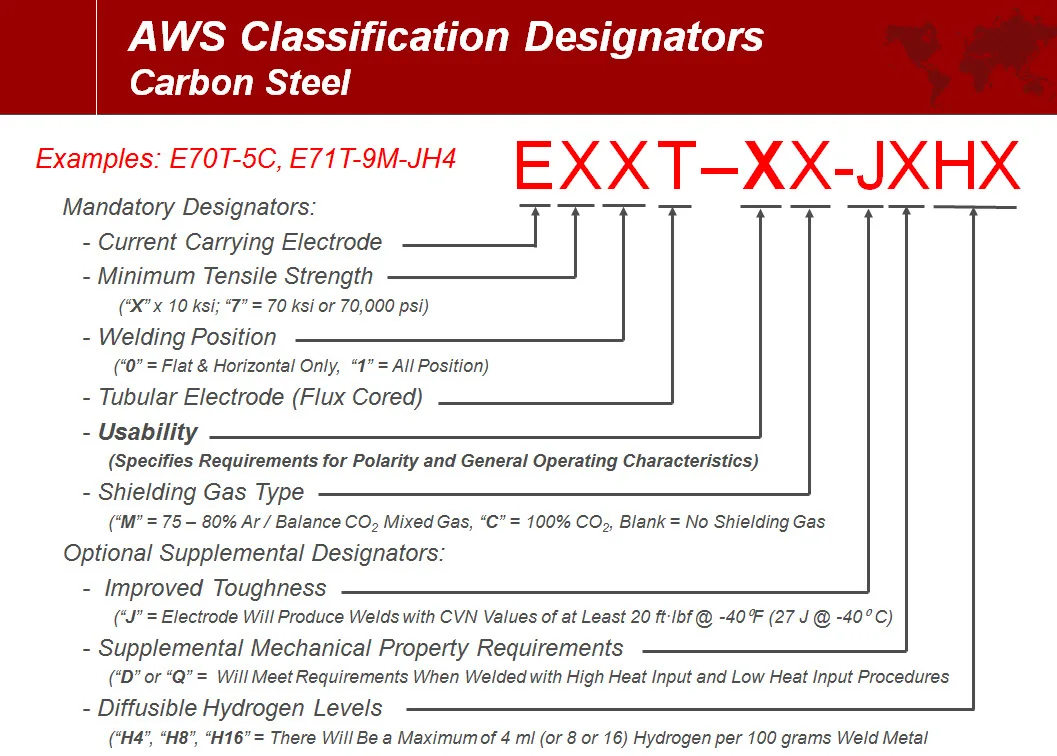
Image source: Bing (Web (fair-use with source credit))
Let's break down a couple of common ones:
ER70S-6:
- ER: Indicates the wire is suitable for both Gas Metal Arc Welding (GMAW, or MIG) and Gas Tungsten Arc Welding (GTAW, or TIG).
- 70: Denotes the minimum tensile strength of the deposited weld metal in thousands of pounds per square inch (psi). So, 70,000 psi.
- S: Signifies that it's a solid wire (not flux-cored).
- 6: This number indicates the deoxidizer content and the position rating. A "6" signifies a higher level of deoxidizers (like silicon and manganese), making it excellent for welding on surfaces that aren't perfectly clean, and it's typically an all-position wire.
ER308L:
- ER: Again, suitable for both MIG and TIG welding.
- 308: Refers to the American Iron and Steel Institute (AISI) designation for a common type of stainless steel (Type 304), which this wire is designed to weld.
- L: Stands for low carbon content. This is critical for preventing carbide precipitation in the heat-affected zone of stainless steel welds, which can lead to intergranular corrosion.
These codes aren't just for steel wire. Similar systems apply to stainless steel (e.g., ER316L), aluminum (though aluminum often uses different numbering like 4043 or 5356, which are also standardized alloys), and other filler metals. Consulting a welding chart can provide more detailed information on these classifications and their applications. As of 2026, these AWS designations remain the industry standard for clear communication and material selection.
How Wire Composition Affects Your Weld Quality
The specific blend of metals and alloys in your MIG wire isn't just a technical detail; it's the primary driver behind the quality, performance, and longevity of your welds. Think of the wire as the performance enhancer for your base materials. If you use the wrong enhancer, you won't get the desired outcome.
Strength and Durability
The tensile strength cited in wire designations, like the "70" in ER70S-6, directly translates to how much load the weld metal can withstand before breaking. For structural applications or repairs where strength is paramount, selecting a wire with the appropriate tensile strength is non-negotiable. Using a wire that matches or slightly exceeds the tensile strength of the base metal ensures a robust joint. For instance, welding thin sheet metal for automotive body panels might prioritize ductility and flexibility, while welding a structural beam requires maximum tensile strength.
Aggregated user feedback indicates that using an underspecified wire for load-bearing applications is a leading cause of premature failure.
Corrosion Resistance
For anything exposed to the elements, especially moisture or chemicals, corrosion resistance is key. This is where stainless steel wires and their specific alloying elements shine. The chromium in stainless steel forms a protective passive layer, preventing rust. When welding stainless steel, you must use a wire that maintains this protective capability.
For example, ER316L wire, with its addition of molybdenum, offers superior resistance to pitting and crevice corrosion compared to ER308L, making it ideal for marine environments or chemical processing equipment. Failing to match the wire's corrosion resistance to the environment can lead to premature deterioration of the welded component, as seen in many coastal or industrial settings.
Weld Cleanliness and Appearance
Wire composition significantly impacts how easily you can achieve a clean, visually appealing weld. Deoxidizers, commonly found in steel wires like ER70S-6, play a vital role here. They scavenge oxygen and other impurities from the molten weld pool, preventing the formation of porosity (gas pockets) and inclusions (trapped slag or oxides). Porosity is like tiny holes in your weld, seriously weakening it, and making it look messy.
A cleaner weld puddle also leads to a smoother bead appearance, which is important for applications where aesthetics matter. For aluminum, the choice between 4043 and 5356 impacts weld bead appearance and crack susceptibility, with 4043 generally offering a brighter, smoother finish and better crack resistance.
Material Compatibility
This is perhaps the most fundamental aspect of wire choice. You generally want to use a MIG wire made of the same or a very similar metal alloy to the base material you are welding. For example, you don't weld aluminum with steel wire. Welding dissimilar metals with the wrong filler can lead to a host of problems, including brittle welds, galvanic corrosion (where one metal corrodes faster due to electrical potential difference), or simply a weld that fails under minimal stress.
The designation codes are your guide here; ER308L is for 308-grade stainless, and 4043 wire is for many common aluminum alloys. Trying to join materials without considering filler metal compatibility is a common pitfall that often results in extensive rework or component failure.
Matching Wire to Your Material: The Golden Rule
This is where things get practical. You've learned about the different compositions and what those codes mean. Now, how do you actually pick the right spool for your specific job? The absolute golden rule, confirmed by countless welding professionals and manufacturer guidelines, is to match your filler wire to your base material.
This ensures the weld will have properties, strength, corrosion resistance, ductility, that are compatible with the parent metal.
Using the wrong wire is a recipe for trouble. Trying to weld stainless steel with a mild steel wire, for example, will likely result in a weld that rusts very quickly, negating the entire benefit of using stainless in the first place. Similarly, welding aluminum with a steel wire is impossible because the metals are entirely incompatible; they have vastly different melting points and metallurgical behaviors. Always check the material designation on the metal you're welding, and then select a wire that is listed as compatible.
This principle is crucial whether you're working on a home project or an industrial application.
Common Wire Mistakes to Steer Clear Of
Even with the right intentions, some common mistakes can derail your welding efforts when it comes to MIG wire. One of the most frequent errors is not considering the condition of the base material. While some wires, like ER70S-6, are more forgiving of minor surface contamination, expecting them to perform perfectly on heavily rusted or painted steel is unrealistic.
Another common misstep is using the wrong wire for the job because it's already on hand or perceived as "close enough." This can lead to weld defects like porosity, cracking, or simply insufficient strength. Also, remember that different wire diameters require different machine settings, so if you're changing wire size, you'll need to adjust your voltage and wire feed speed accordingly. Consulting resources like our guide on how to calculate wire feed speed in mig welding can help prevent setting errors. Don't forget to ensure your MIG gun liner and nozzle are appropriate for the wire type; soft aluminum wire, for instance, needs a Teflon or nylon liner and a larger nozzle than steel.
Is Contaminated Material Truly Unweldable With the Wrong Wire?
No, it's not that it's strictly "unweldable," but the quality of the weld will suffer dramatically. For example, trying to weld heavily rusted steel with a basic mild steel wire will likely result in a porous weld. The rust on the steel acts as an impurity that the wire's deoxidizers might not be able to fully compensate for during the weld process. This leads to weak spots and looks unsightly.
If you absolutely must weld on less-than-perfect material with a general-purpose wire, thorough cleaning with a wire brush or grinder is essential. For more critical welds, using a wire specifically designed for dirtier conditions, like ER70S-6, or pre-cleaning the metal to bare steel is always recommended for optimal results. Manufacturer data consistently shows a direct correlation between surface preparation and weld integrity.
Can I Use a Steel Wire on Stainless Steel?
Absolutely not, and this is a critical mistake to avoid. While both are steel, the metallurgical differences are vast. Using a plain mild steel wire on stainless steel will result in a weld that has none of the corrosion resistance that stainless steel is prized for. In fact, the weld area will likely rust faster than the surrounding material due to galvanic differences and lack of alloying elements.
If you need to join stainless steel, you must use a designated stainless steel MIG wire, such as ER308L for Type 304 stainless. For situations where you might need to join stainless steel to mild steel, specific filler wires like ER309L are formulated for that purpose. Attempting to use the wrong stainless wire, or a mild steel wire, for stainless applications will compromise the entire weld's integrity and lifespan.
Expert Tips for Choosing the Right MIG Wire
Picking the right MIG wire boils down to a few key considerations that experienced welders and engineers always keep in mind. First, always identify the base metal you are welding. Is it mild steel, stainless steel (and if so, which grade?), or aluminum? This is the most crucial starting point as it dictates the compatible wire families.
Know Your Base Metal
If you're welding standard construction steel or common automotive parts, you're likely dealing with mild or low-carbon steel. For this, a wire like ER70S-6 is a smart, versatile choice. If you're working with kitchen appliances, exhaust systems, or specific outdoor fixtures that need to resist rust, you're probably looking at stainless steel. In that case, you'll need a wire like ER308L or ER316L, depending on the specific stainless grade.
For bicycles, boat parts, or car body panels made of aluminum, you'll reach for aluminum wires like 4043 or 5356.
Consider the Joint Type and Environment
Think about the stresses the weld will endure. Is it a structural joint that needs high tensile strength, or is it a cosmetic weld where appearance is king? For high-stress applications, ensure your wire's tensile strength rating is sufficient. If the weld will be exposed to corrosive environments, like saltwater or chemical spills, corrosion resistance becomes paramount, leaning towards specific stainless alloys.
Resources like How to Mig Weld Auto Body Panels can offer context for specific material types and applications.
Match Wire Diameter to Your Welder and Material Thickness
Wire diameter is not just about feed speed; it affects heat input. Thicker wires (e.g..045" or 1.2mm) deliver more current and are better suited for thicker materials and higher amperage welding, often found on 220V welders. Thinner wires (e.g..030" or 0.8mm) are better for thinner materials and lower amperage welding, typically used with smaller, 110/120V machines. Always ensure your MIG gun's drive rolls and contact tip are sized correctly for the wire diameter you're using.
A mismatch here can lead to feeding issues and poor electrical contact, hindering a quality weld.


