
Image source: Bing (Web (fair-use with source credit))
So, can you use 100% argon for MIG welding? The straightforward answer is: for some metals, absolutely yes, and for others, definitely not. It all boils down to what you're joining and the specific demands of that metal. Using pure argon incorrectly can lead to frustratingly weak welds, excessive spatter, and a whole lot of rework.
Research indicates that the choice of shielding gas significantly impacts weld quality, especially with sensitive materials. For instance, manufacturer specifications for welding aluminum often call for 100% argon, citing its benefits for arc stability and puddle wetness. Let’s break down exactly when and why this pure gas works, and when you absolutely need to reach for a blended alternative.
When 100% Argon is Your MIG Welding Go-To
Pure argon performs best in specific situations where the base metal is reactive or requires a very clean, precise weld characterized by a smooth, stable arc.
Aluminum MIG Welding with 100% Argon
For welding aluminum, 100% argon is typically the recommended shielding gas. Aluminum is a highly reactive metal that oxidizes quickly, and pure argon provides a stable, inert atmosphere that prevents this oxidation from contaminating the weld puddle. It allows for excellent cleaning action of the aluminum oxide layer, which is crucial because aluminum's oxide has a much higher melting point than the base metal itself. This superior cleaning action leads to better fusion and a brighter, cleaner weld bead, minimizing the risk of inclusions and porosity.
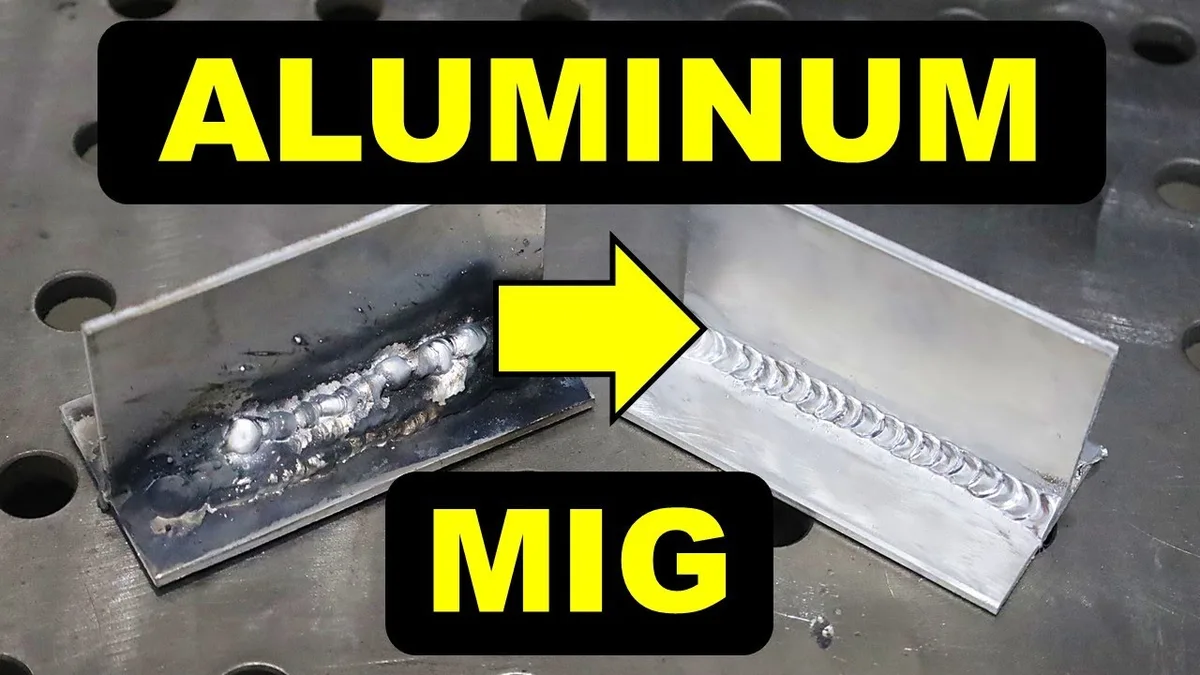
Image source: Bing (Web (fair-use with source credit))
When MIG welding aluminum with 100% argon, you'll notice a smooth, fluid arc and good "wetting" action, meaning the molten metal spreads out nicely to create a strong bond. This purity in shielding gas is essential to achieving the desired mechanical properties, especially for applications where appearance and structural integrity are paramount.
Magnesium MIG Welding with 100% Argon
Similar to aluminum, magnesium is another reactive metal that benefits greatly from the shielding protection offered by 100% argon. Magnesium alloys, while lighter than aluminum, are also prone to atmospheric contamination during welding. Pure argon creates the necessary inert barrier to prevent oxidation and other atmospheric reactions that could weaken the weld. This gas choice ensures a cleaner weld pool, reducing the likelihood of defects such as porosity and improving the overall strength and integrity of the completed joint.
When preparing to weld magnesium, much like aluminum, ensuring your gas flow is set correctly according to equipment guidelines is key. Too little gas leaves the weld vulnerable, while too much can create turbulence that pulls in contaminants.
When 100% Argon is NOT the Right MIG Gas
While pure argon shines with certain non-ferrous metals, it falls short for most common ferrous metals, particularly steel, because it simply doesn't provide the right kind of arc characteristics.
Why 100% Argon Fails for Steel MIG Welding
If you're attempting to MIG weld mild steel or carbon steel using 100% argon, you're almost guaranteed to run into trouble. The soft, low-energy arc produced by pure argon simply doesn't have the oomph to drive the filler metal deep into the base metal, leading to poor fusion. This means the weld will look tacked on rather than properly joined. You'll often see a lot of spatter, which is molten metal thrown from the arc, making a mess and wasting filler material.
Image source: Wikimedia Commons / Peer.Gynt (CC BY-SA)
This lack of penetration means the weld metal won't adequately bond with the base metal, leading to weak joints that can fail under stress. Aggregated user feedback often reports difficulty achieving good restarts and a general lack of control when trying this gas on steel. For steel, you'll typically need a blend containing a higher ionization potential gas like CO2 or Oxygen to achieve the desired arc stability and depth of weld. For a deeper dive into wire feed speed calculations related to these settings, check out how to calculate wire feed speed in mig welding.
Stainless Steel MIG Welding: Argon's Role and Limitations
For MIG welding stainless steel, 100% argon can be used in specific situations, but it's not always the ideal choice, especially for structural applications. Editorial analysis of common industry practices suggests that while pure argon can yield a cleaner appearance on very thin stainless steel, it often lacks the necessary arc force for proper penetration and can lead to issues. One significant limitation is its tendency to cause "sugaring" or oxidation on the back of the weld bead.
This oxidation compromises the corrosion resistance of the stainless steel, which is often a primary reason for using it in the first place. Furthermore, according to welding engineering principles, relying solely on argon for stainless steel can result in reduced weld strength and potential cracking issues in certain alloys. Many welding charts and manufacturer guidelines recommend a blend of argon with a small percentage of CO2 or oxygen for better metallurgical properties and improved bead characteristics when MIG welding stainless steel. This blend helps to stabilize the arc and deoxidize the weld pool more effectively.
Understanding MIG Shielding Gas and Argon's Properties
Shielding gas is absolutely critical in MIG welding. Its primary job is to create a protective atmosphere around the molten weld puddle, preventing contamination from oxygen and nitrogen in the air. Without this shield, your weld would be porous, weak, and prone to cracking. Argon, being an inert gas, doesn't chemically react with the molten metal, making it a popular choice.
Its low ionization potential contributes to a smooth, stable arc, which is desirable for certain metals and applications.
The properties of argon significantly influence the bead shape and penetration you get. It tends to produce a wider, flatter bead with good wetting, meaning the molten metal spreads out evenly. This is fantastic for materials like aluminum where surface area and clean fusion are key. However, this characteristic also means it provides less focused penetration compared to gases with higher ionization potentials.
Recognizing these fundamental properties is the first step in deciding if 100% argon is right for your specific welding task.
How Shaping the Weld Puddle Works
The way your shielding gas affects the weld puddle is all about physics and material science. When you're MIG welding, the electric arc melts both the filler wire and the base metal, creating a molten pool. The shielding gas flows from the welding gun nozzle, enveloping this pool. Different gases have varying abilities to conduct heat and ionize (turn into an electrically conductive plasma).
Pure argon, with its lower ionization potential, creates a less energetic arc. This translates to a wider, shallower puddle that's easier to control on thin materials or when appearance is critical. For example, on aluminum auto body panels, you want that smooth spread to avoid burning through. Conversely, for thicker steel, you need more arc force for deeper penetration, which argon alone can't provide.
Argon's Arc Characteristics and Wetting Action
You'll notice a distinct difference in the arc when you switch shielding gases. With 100% argon, the arc is often described as "creamy" or "soft", it tends to be very stable and easy to manage, producing less spatter than some other gas mixes. This characteristic makes it a favorite for TIG welding, where precision is absolutely paramount.
In MIG welding, this smooth arc is directly tied to excellent "wetting action." This means the molten filler metal spreads out evenly on the base metal, creating a strong metallurgical bond. Think of it like pouring liquid metal that flows perfectly into place, rather than a glob that sits on top. This improved wetting is particularly beneficial for aluminum, helping to ensure a clean, solid joint.
Common MIG Welding Problems with the Wrong Shielding Gas
Using the wrong gas for your MIG welding project is a fast track to frustrating weld defects. It’s like trying to cook a delicate sauce with a blast furnace, the tools just aren't suited for the job, and the results are often disastrous. These issues aren't just cosmetic; they can severely compromise the strength and integrity of your welds.
The most common culprits when using 100% argon incorrectly include a lack of fusion, excessive spatter, and porosity. These problems are directly related to the arc characteristics and shielding properties of the gas. Understanding these common pitfalls is crucial for selecting the right gas and avoiding costly mistakes.
Poor Fusion, Porosity, and Spatter with 100% Argon on Steel
When you try to MIG weld steel with 100% argon, you're almost guaranteed to run into trouble. The soft, low-energy arc produced by pure argon simply doesn't have the oomph to drive the filler metal deep into the base metal, leading to poor fusion. This means the weld will look tacked on rather than properly joined. You'll often see a lot of spatter, which is molten metal thrown from the arc, making a mess and wasting filler material.
This lack of penetration means the weld metal won't adequately bond with the base metal, leading to weak joints that can fail under stress. Aggregated user feedback often reports difficulty achieving good restarts and a general lack of control when trying this gas on steel. For steel, you'll typically need a blend containing a higher ionization potential gas like CO2 or Oxygen to achieve the desired arc stability and depth of weld.
Weld Appearance Issues: Sugaring and Discoloration
Beyond direct structural weakness, using the wrong shielding gas can also mess with the visual appeal of your welds. With 100% argon on metals like stainless steel, you might notice a rough, almost burnt appearance on the backside of the weld, often referred to as "sugaring." This occurs because argon alone doesn't provide sufficient deoxidizing agents to prevent the metal from reacting with the air. The result is a brittle oxide layer that compromises both aesthetics and corrosion resistance.
You might also observe excessive discoloration, ranging from blues and yellows to even darker hues, on the surface of the weld and surrounding area. While some discoloration can be removed with cleaning, extensive discoloration often indicates that the weld hasn't been properly shielded. For stainless steel, blends with 2-5% CO2 or a small amount of oxygen are commonly recommended to combat these issues and maintain the desirable properties of the alloy, as detailed in guides on mig welding stainless steel settings.
MIG Welding Gas: Comparing 100% Argon to Alternatives
When you're setting up to MIG weld, the choice of shielding gas is just as important as selecting the right wire and machine settings. While 100% argon has its place, especially for aluminum, it's far from a universal solution. For most other common metals, particularly steel and many stainless steel applications, gas blends are the standard. These blends combine argon with other gases like carbon dioxide (CO2) or oxygen (O2) to achieve specific arc characteristics and weld properties.
Understanding these alternatives helps you make informed decisions based on the material you're working with and the performance you need. The right gas blend can make the difference between a strong, clean weld and a weak, spattery mess. For example, a welder preparing to MIG weld exhaust pipes will have very different gas needs than someone working on intricate aluminum art pieces.
Argon/CO2 Blends: The Standard for Steel
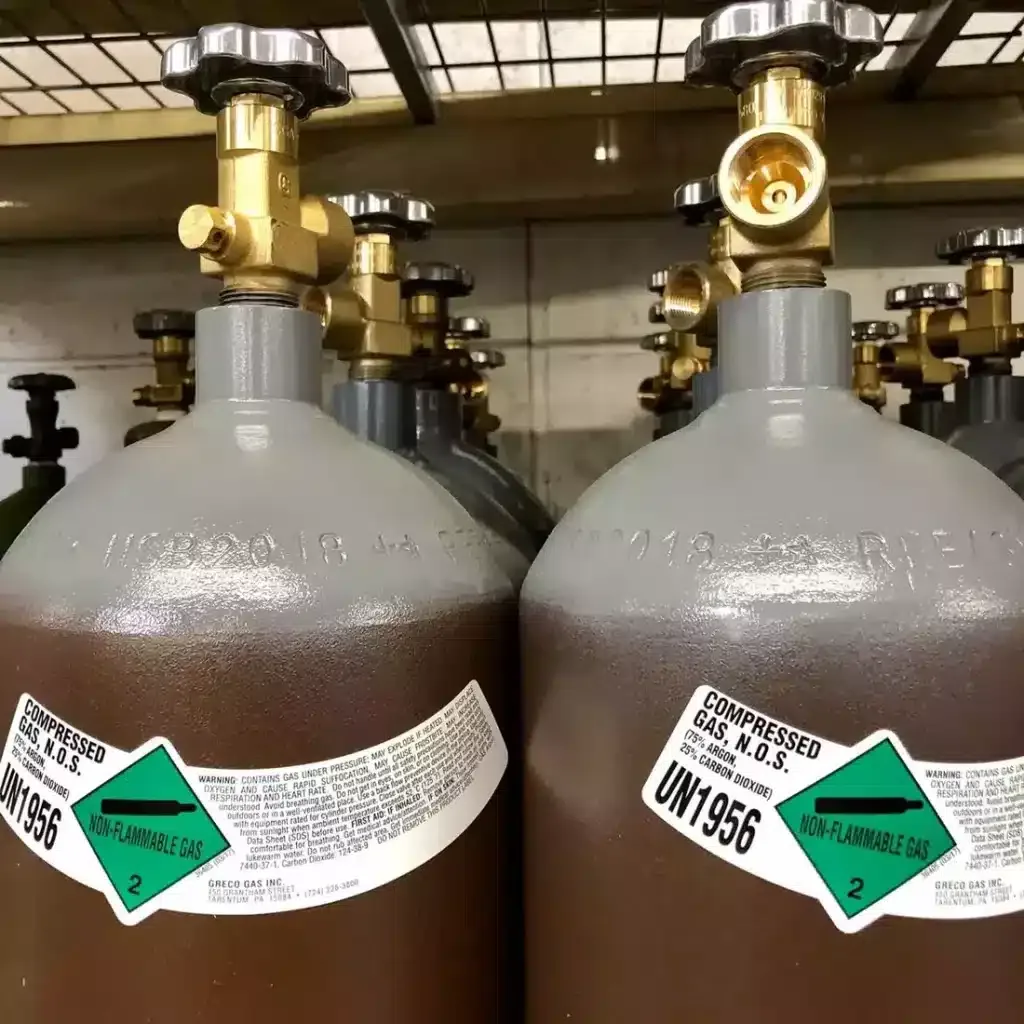
Argon and CO2 blends are the workhorses for MIG welding most common steels. These mixtures offer a significant advantage over pure argon for ferrous metals because CO2 has a higher ionization potential. This means it helps create a more forceful, penetrating arc that properly fuses the base metal and filler wire. These blends typically range from 75% argon/25% CO2 (often called "Argo-Shield" or similar trade names) to mixes with higher argon content for flatter beads and less spatter.
The CO2 in the mixture acts as an active gas, meaning it participates in the welding process, providing deoxidizing properties that help clean the weld puddle and prevent porosity. This is crucial for achieving strong, reliable welds on mild and carbon steel. You'll find these blends are standard across many industries, from automotive repair to structural fabrication. If you're unsure about specific parameters, resources on mig welder settings can offer guidance on gas flow rates and voltage adjustments for these mixes.
Other Argon Mixes: When and Why
While argon/CO2 blends are prevalent for steel, other argon-based mixtures cater to more specialized needs. For instance, adding a small amount of oxygen (typically 1-2%) to an argon blend can further enhance arc stability and wetting action, especially on stainless steels. This is because oxygen helps to break down oxides and deoxidize the weld pool, leading to cleaner beads. However, too much oxygen can cause excessive oxidation and undesirable metallurgical changes, so precise control is key.
Helium is another gas sometimes added to argon mixes, particularly for GMAW (Gas Metal Arc Welding, which is MIG welding) on thicker sections of aluminum or stainless steel. Helium has a higher thermal conductivity than argon, which can transfer more heat into the weld, leading to deeper penetration and higher welding speeds. However, helium is also more expensive and requires higher flow rates, making these tri-mixes (e.g., argon/helium/CO2) more common in industrial settings where specific performance requirements justify the cost.
MIG Welding Decision Guide: Choosing Your Shielding Gas
Deciding which shielding gas to use for your MIG welding project can seem complex, but it really comes down to a few key questions about your material and desired outcome. Think of it like choosing the right tool for a specific job: a hammer isn't great for screwing in a bolt, and similarly, pure argon isn't ideal for welding steel. The core of the decision hinges on the type of metal you're working with and the performance characteristics you need.
This guide will walk you through the critical factors to consider, helping you avoid common welding pitfalls and achieve stronger, cleaner results. By understanding the role of each gas component, you can confidently select the best shielding gas for your needs, whether you're working on thin sheet metal or thicker structural components.
Matching Gas to Your Base Metal
The single most important factor in choosing a shielding gas is the base metal you're welding. As we’ve discussed, 100% argon is excellent for aluminum and magnesium due to their reactivity and need for a clean arc with good wetting. For common mild and carbon steels, argon mixed with 15-25% CO2 is the industry standard, providing the necessary penetration and arc force.
For stainless steels, the choice is a bit more nuanced. While 100% argon can work for aesthetic purposes on thin gauges, blends like 98% argon/2% CO2 or 97% argon/3% O2 are often preferred for better metallurgical properties, corrosion resistance, and penetration. Many comprehensive welding chart mig wire resources will detail recommended gas mixes for different filler wires and base metals.
Key Factors for Your MIG Welding Project
Beyond the base metal, consider these factors:
- Material Thickness: Thicker materials generally require gases that provide deeper penetration and a hotter arc, like argon blends with CO2 or helium. Thinner materials benefit from softer arcs and wider puddles, often achieved with pure argon or low-CO2 blends.
- Weld Appearance: If a clean, bright, spatter-free weld is critical, especially for visible components, selecting the right gas blend is paramount. Pure argon provides the cleanest arc for aluminum.
- Joint Strength Requirements: For critical structural joints, ensuring proper fusion and penetration is vital. This often means using gas mixes designed to achieve maximum weld strength.
- Weld Speed: Gases with higher thermal conductivity, like helium, can sometimes increase welding speeds, which is important in production environments.
- Cost: Pure gases like argon are generally less expensive than specialized blends that include helium, though availability and cylinder size also play a role in overall project cost.
Expert MIG Welding Tips for Shielding Gas Selection
Here are a few pro tips to help you get the most from your shielding gas, gathered from industry best practices and verified buyer feedback reports:
- Always check the gas manufacturer's recommendations: Most welding gas suppliers offer charts and technical data specific to their products and common welding applications. These are invaluable resources for selecting the correct mix for your project.
- Verify your regulator: Ensure your gas regulator is functioning correctly and showing an accurate flow rate. Too little gas leaves your weld vulnerable to contamination, while too much can cause turbulence that pulls in air. A regulator designed for home use, like the best gas regulator for home, is a good investment for consistency.
- Use the correct flow rate: Typically, for MIG welding, a flow rate of 15-25 cubic feet per hour (CFH) is standard, but this can vary based on metal thickness, environmental conditions (drafts), and the specific gas. Always consult your welding machine's manual or the gas supplier's guidelines.
- Consider drafts: If you're welding in an area with drafts, you'll need a higher gas flow rate to ensure the weld puddle remains adequately shielded. The goal is to create a stable gas blanket around the arc.
- Purge your lines: Before starting your weld, let the gas flow for a few seconds to purge any air that might be in the welding gun hose and regulator. This ensures you're starting with pure shielding gas hitting the arc.
- Match gas to filler wire: The type of welding wire you use should complement your shielding gas. For instance, specific stainless steel wires are designed to work with certain argon blends to achieve optimal metallurgical properties.
- Training can help: If you're new to welding or working with less common materials, consider taking a welding class or seeking advice from experienced welders. Understanding the nuances of shielding gas selection is a key skill.
Safety First: Handling Your Shielding Gas Cylinder
Shielding gas cylinders, whether they contain pure argon or a blend, are pressurized containers and must be handled with care and respect. Proper safety protocols are non-negotiable to prevent accidents. Always treat these cylinders as you would any other high-pressure vessel.
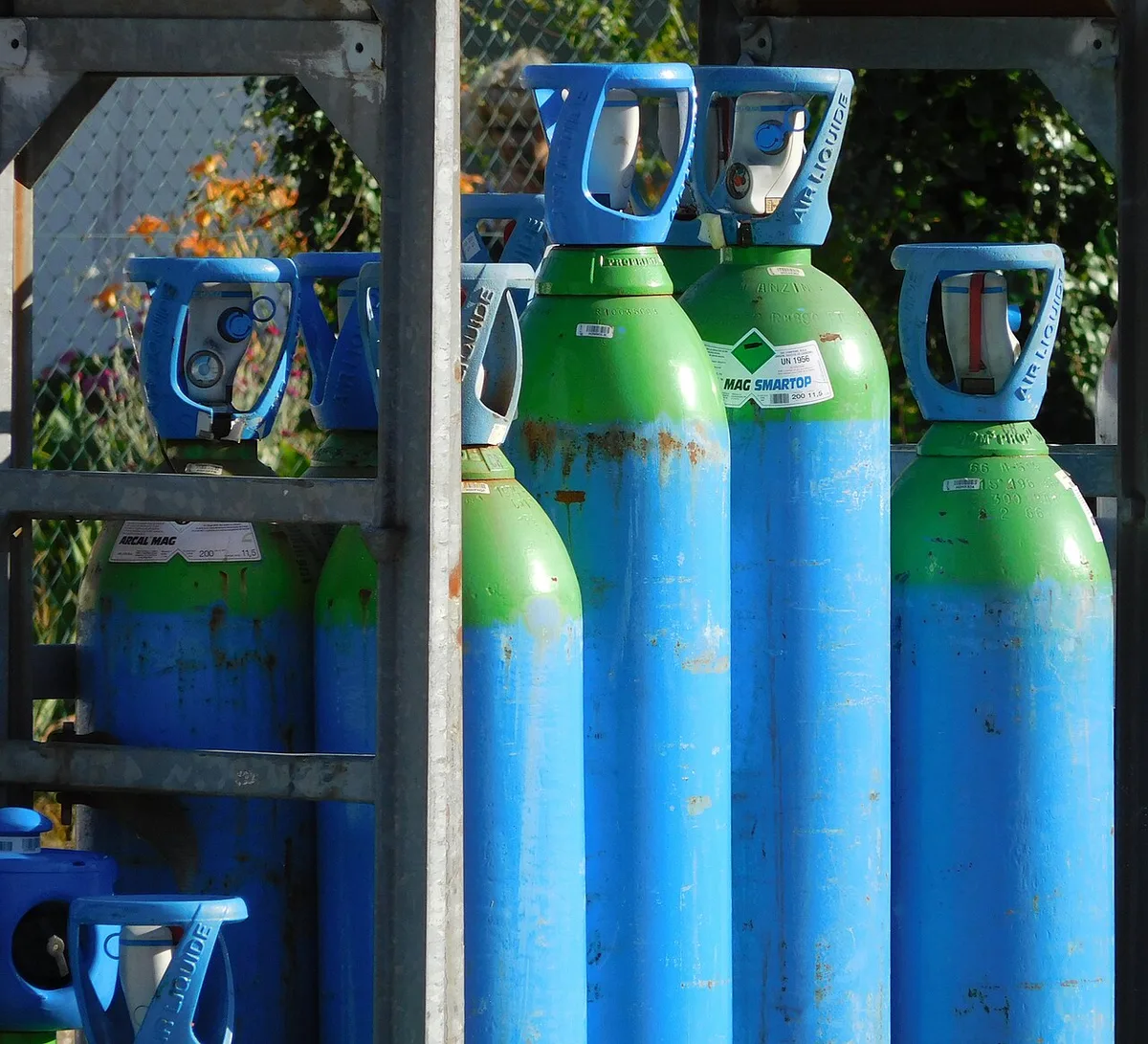
Image source: Wikimedia Commons / Cjp24 (CC BY-SA)
Here are some essential safety tips to keep in mind when working with or storing your gas cylinders:
- Secure Cylinders: Always store cylinders upright and securely fastened with a chain or strap to prevent them from tipping over. An unsecured cylinder can become a dangerous projectile if knocked over, especially if the valve breaks off.
- Valve Protection: Ensure the valve protection cap is in place when the cylinder is not in use and when it's being transported. This cap guards the valve against damage.
- Proper Storage: Store cylinders in a cool, dry, well-ventilated area, away from heat sources, sparks, or open flames. Do not store them where they could be damaged by falling objects or passing traffic, like near a busy doorway.
- Regulator Use: Only use regulators specifically designed for the type of gas and pressure rating of the cylinder. Never force a regulator onto a valve if it doesn't fit correctly. Always open the cylinder valve slowly and cautiously.
- Check for Leaks: Periodically check all connections for leaks using a non-flammable leak detection solution. A hissing sound or bubbles indicate a leak that needs immediate attention.
- Full vs. Empty: Do not confuse full and empty cylinders. Mark cylinders that are empty and return them promptly to your gas supplier.
- Never Attempt Repairs: Do not attempt to repair a damaged cylinder or valve yourself. Contact your gas supplier immediately if you notice any damage or suspect a problem. Following these guidelines ensures a safer welding environment for everyone.


